




Related: What Economic Indicators Tell Us About Shifting Freight Trends
Commentary: It's Wait and See for Fleets in 2016
One transportation analyst described 2015 as disappointment on the heels of a strong 2014 and this year may end up being more of the same.

Evan Lockridge・Former Business Contributing Editor
Source: U.S. Department of Commerce
3 min to read
After year-end financials for publicly traded trucking companies began rolling in last month, I decided to talk to an expert about 2015’s performance and what’s to come.
“2015 was probably characterized as disappointing on the heels of a very strong and robust 2014,” said John Larkin, managing director of equity research of transportation and logistics at the investment banking and financial services firm Stifel, though he admitted the results were kind of expected.
Larger economic influences were to blame. For instance, the strength of the U.S. dollar against foreign currencies, which makes U.S. goods more expensive overseas and foreign ones cheaper here at home, “pretty much killed off all export activity and encouraged a lot of import activity.” Plus low energy prices “put the kibosh on all incremental drilling activity.” And an inventory glut across many supply chains, which continues, slowed the level of manufacturing shipments, a situation that wasn’t helped by “mediocre consumer demand.”
It all added up to what Larkin called a “weak demand environment on the heels of a strong demand environment.”
But that’s not to say there weren’t any bright spots.
Fleets involved in dedicated trucking fared better. “Werner Enterprises, being sort of the poster child for that phenomenon,” is a prime example, with net income up 25% over 2014 (6% net of fuel surcharge). They are also managing their portfolio well, but certainly those companies that had dedicated exposure seem to be less volatile with respect to their earnings.”
Why was dedicated a bright spot? A lot of shippers are looking as much as three years ahead and are seeing an increasing number of trucking regulations coming down the pipeline that are expected to tighten capacity, Larkin said. These shippers want to avoid a repeat of the tight supply demand seen in 2014. Their goal is be a little less dependent on the spot market and the irregular route truckload business, so they can know their base load volume is going to be handled at a cost that has been predetermined.
On the downside, fleets with heavy spot market exposure seem to gotten hurt the worst, Larkin said. And those in the flatbed business hauling steel really “got slammed hard” because U.S. steel production took it on the chin from the strong dollar encouraging imports, especially from China.
“If you are not flexible enough to move your equipment into other markets and you’ve got drivers that are used to dealing with steel…they don’t want to move into some other sector, they just park the truck or just go out of business,” Larkin said. Making matters worse, a lot of drilling pipe that had been moving into fracking operations came to a virtual standstill since the collapse in energy prices, another blow for flatbed operations.
For this year, Larkin said he doesn’t see things improving a whole lot. “Lousy demand is how to describe the first quarter so far, and there is really no evidence things have picked up much.” This is despite a winter that at press time had been relatively mild, compared to severe weather that hurt freight movements the past two years.
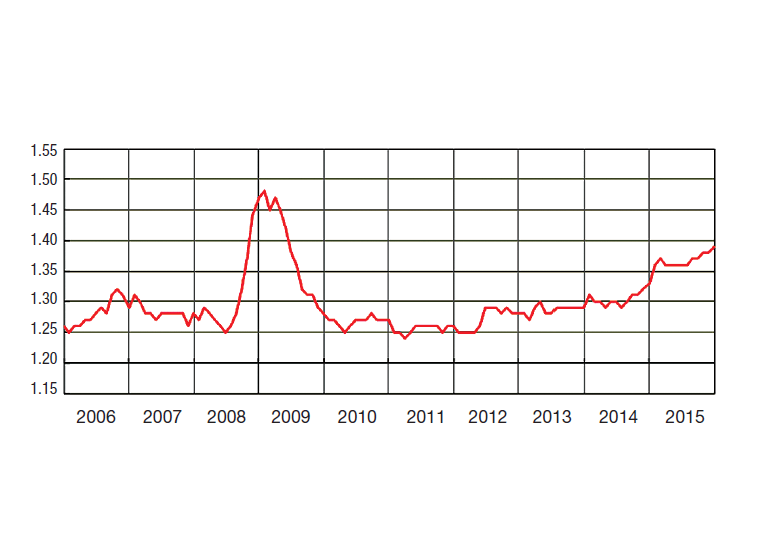
“What we need to do is work our way through this inventory glut that has been plaguing the retail supply chains,” he said. “I think the first evidence of strength you will see is in the March/April/May time frame, when you’re normally moving large quantities of what I’ll call the late spring, early summer merchandise.”
If such a surge fails to develop, then, Larkin warned, “you’ve got some really big problems.”
“We’ll know pretty soon whether this is going to be a very sluggish year, maybe less than normal demand, or whether we’ll sort of have that inventory correction cleaned up here in short order and then be off to what I would call more of a normal year.”
Total business inventories/sales ratios

Source: U.S. Department of Commerce
Subscribe to Our Newsletter
More Fleet Management

For Nicky Cupp, Fleet Innovation Starts With Frustration
HDT Truck Fleet Innovator Nicky Cupp turns everyday pain points at Fraley & Schilling into opportunities for better technology and smarter processes.
Read More →
Adam Buttgenbach’s Approach to Electric Trucks: Start With Where They Fit
HDT Truck Fleet Innovator Adam Buttgenbach helped PepsiCo build one of North America’s largest EV fleets by focusing on where electric trucks make operational sense.
Read More →
Deen Albert: Let Automation Do the Math, People Make the Decisions
HDT Truck Fleet Innovator Deen Albert makes sure people are still at the heart of operations at Grand Island Express, even while adopting artificial intelligence tools. AI-assisted dispatch helped boost revenue 25% with the same number of trucks.
Read More →
Trimble’s New AI Agent Takes Aim at Fleet Back-Office Busywork
Arc Agent works across Trimble TMS products to automate repetitive tasks such as freight orders, maintenance, invoices, fuel costs and more.
Read More →
How HDT’s 2026 Truck Fleet Innovators Are Rethinking Fleet Operations
Meet five trucking leaders who are challenging assumptions, solving operational problems, and putting innovative ideas to work.
Read More →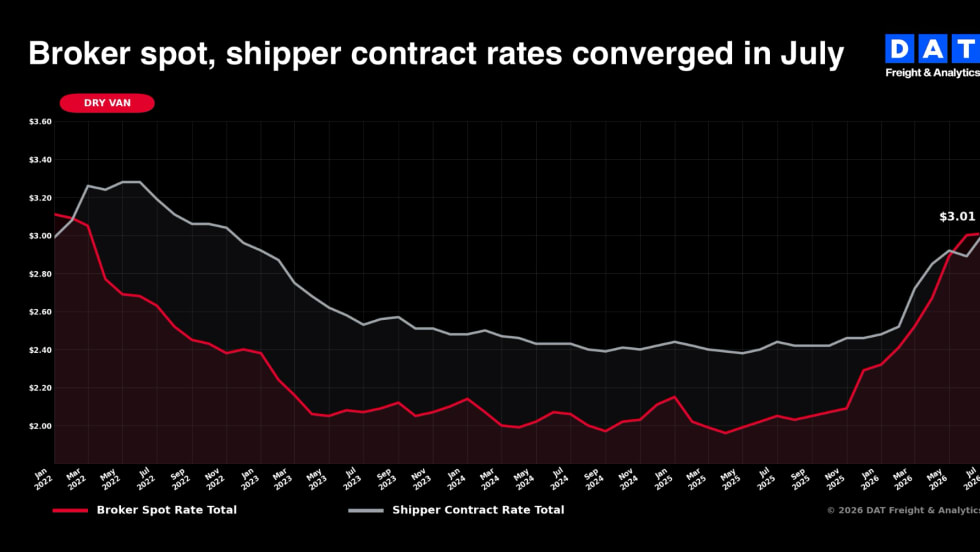
Tight Trucking Capacity Pushes Rates Higher Even as Freight Volumes Fall
“Spot rates moving ahead of contract rates have historically signaled a tightening market, but we haven’t seen a capacity-driven market quite like this one,” said DAT's Dean Croke.
Read More →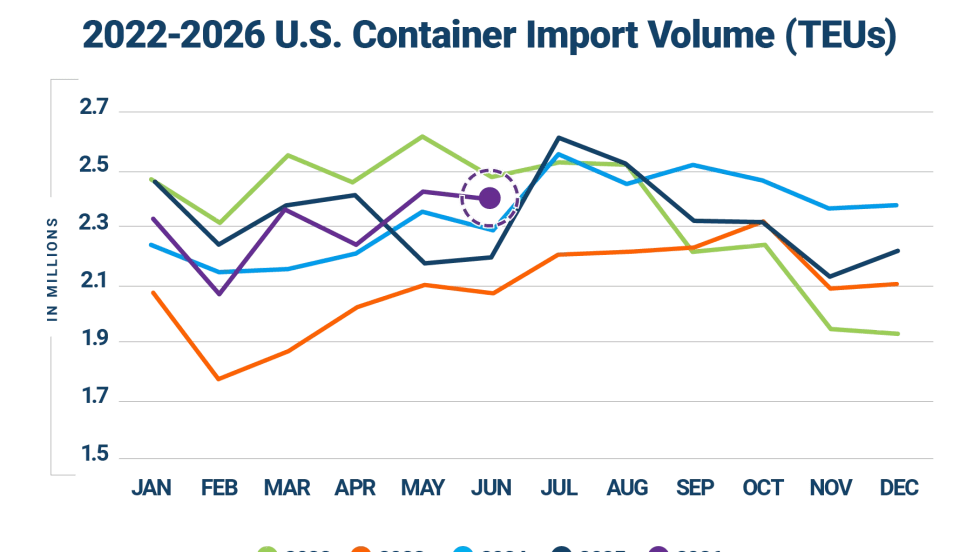
Import Cargo’s Early Peak Season is Winding Down
There was an early start to peak season this year at the nation's gateway ports, as retailers brought in merchandise ahead of tariff changes in late July and responded to other supply chain uncertainties,
Read More →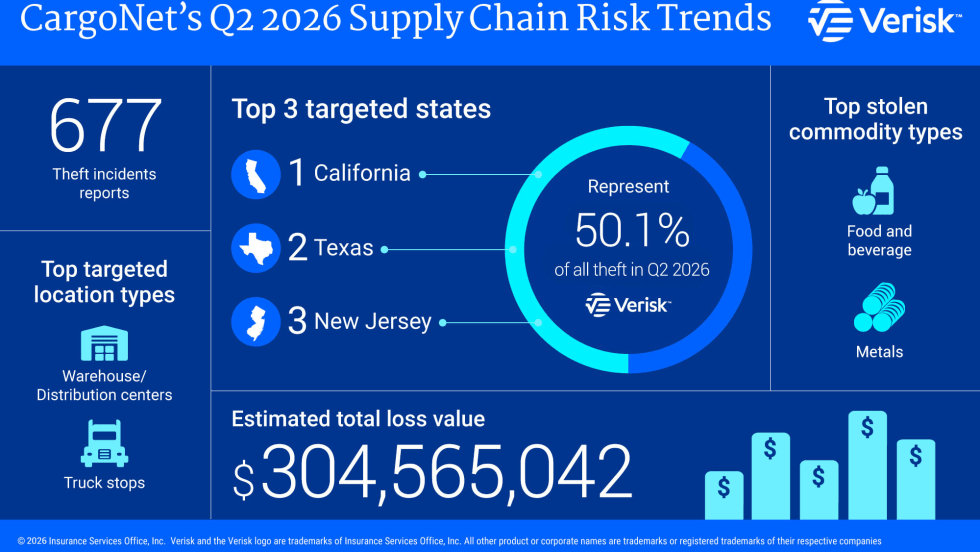
Fewer Cargo Thefts, Bigger Losses: Criminals Target Higher-Value Loads
CargoNet says organized theft rings are stealing fewer shipments but choosing more valuable freight, including metals and technology, resulting in record losses.
Read More →
How Innovative Trucking Leaders Turn Change Into an Advantage
As the pace of change accelerates in trucking, the fleets that adapt best have more than the latest technology. They have cultures that embrace improvement.
Read More →
Freight Broker Bonds Just Got Harder to Get. Here's What That Means for Your Fleet.
When it gets harder for a freight broker to prove they are financially sound, the ones who cannot clear that bar get pushed out of the market. And those are exactly the brokers who used to leave motor carriers holding the bag.
Read More →