




Providing ‘Comforts of Home’ for Heartland’s Drivers
Bruce Hudson, director of corporate maintenance at Heartland Express, has a heart when it comes to the Iowa-based truckload and logistics company’s drivers, who must spend nights on the road. So he’s come up with changes to a tractor’s electrical system that will benefit them during off-duty hours.

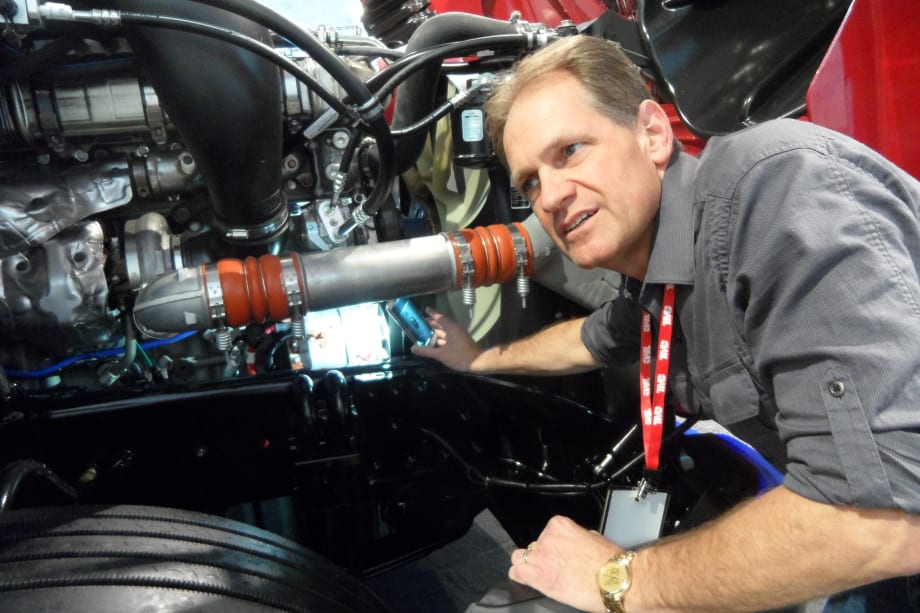
Key to Bruce Hudson’s change to Heartland Express’s tractors is a larger alternator and mounting batteries on frame rails so they’ll stay cool.
Bruce Hudson, director of corporate maintenance at Heartland Express, has a heart when it comes to the Iowa-based truckload and logistics company’s drivers, who must spend nights on the road. So he’s come up with changes to a tractor’s electrical system that will benefit them during off-duty hours.

“This is for the drivers,” he says. “Over the years so many changes were made in the truck. But the electrical system has never caught up to the electrical and electronic systems now out there – microwaves, CPAP devices, computers, console gaming things. They take juice, but they keep drivers entertained.”
Managers today want drivers to shut off the engine and save fuel, Hudson says, but there has to be a means to power those accessories. Some options are heavy or expensive, but he found that strengthening the electrical charging system will solve the problem. So he’s made changes to specifications for future tractors, including:
• Switching to an alternator larger than the standard 155- to 185-amp units. For proprietary reasons he can’t say how much bigger.
• Mounting batteries on frame rails to keep them cool. Manufacturers have been putting the usual four Group 31 batteries under the cab so they’re closer to the alternator, but this keeps them in a hot space where they don’t live long.
• Using a heavy charging cable. The longer run to the batteries requires a cable that’s heftier than standard.
Those changes allow Heartland to stay with a four-battery complement. They’ll live longer because the larger alternator will keep them fully charged most of the time, even in cold weather when high current is needed to overcome battery sluggishness. This also allows Hudson to do away with battery sensing and the extra wire between the alternator and batteries. And he’s working with several suppliers on a component that will ensure that batteries are not overcharged, either.
He’s altered the charging systems on two tractors and they’re working well. The changes will cost a fraction of add-on components and be far simpler to manage, he figures.
“We’re not making something new,” Hudson says. “I’m taking what’s been out there and making it work better.”
Transition
Heartland Express has long been known for its low operating ratio and healthy profits. Challenges have increased since its acquisition last November of Gordon Trucking Inc. of Pacific, Wash. The long, rough winter negatively impacted operations, but profits are still there.
GTI remains a separate operation, but the plan is to gradually meld the two companies and their workforces, says Heartland’s maintenance director, Bruce Hudson. He’s determined to make any equipment changes slowly and explain them as he goes, including the electrical systems outlined in ths article. Gordon’s tractors have been outfitted to deal with “house” loads differently, Hudson says and “I don’t want them to think we’re pulling the rug out from under them.”
More Fleet Management

Trimble’s New AI Agent Takes Aim at Fleet Back-Office Busywork
Arc Agent works across Trimble TMS products to automate repetitive tasks such as freight orders, maintenance, invoices, fuel costs and more.
Read More →
How HDT’s 2026 Truck Fleet Innovators Are Rethinking Fleet Operations
Meet five trucking leaders who are challenging assumptions, solving operational problems, and putting innovative ideas to work.
Read More →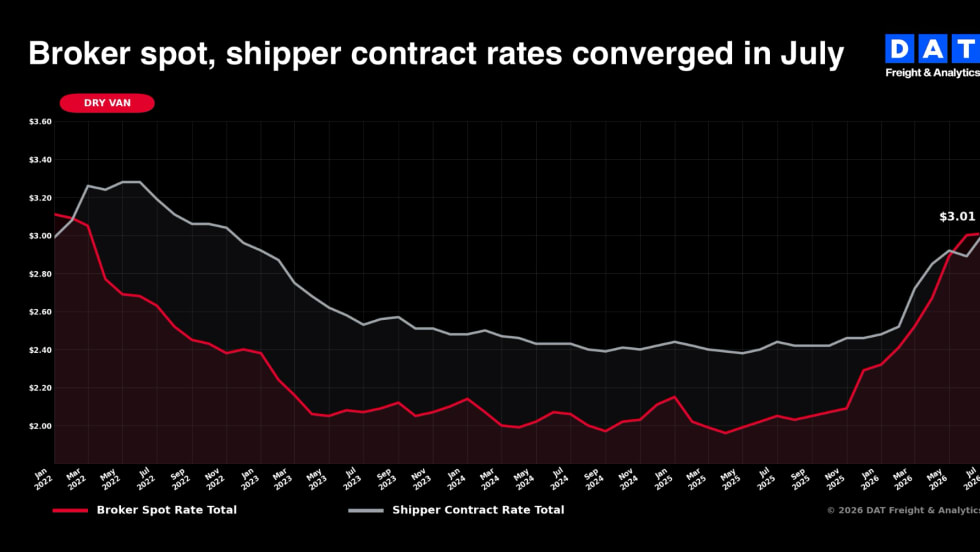
Tight Trucking Capacity Pushes Rates Higher Even as Freight Volumes Fall
“Spot rates moving ahead of contract rates have historically signaled a tightening market, but we haven’t seen a capacity-driven market quite like this one,” said DAT's Dean Croke.
Read More →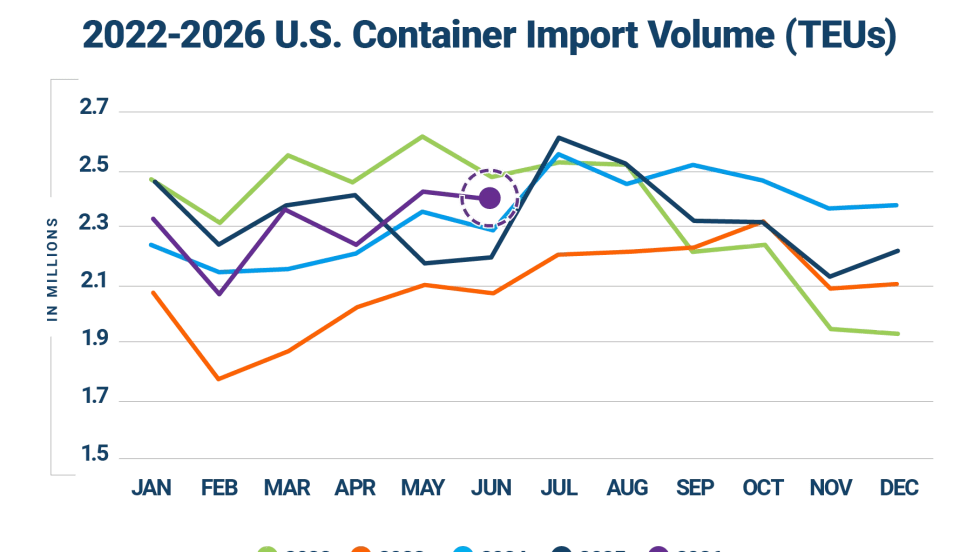
Import Cargo’s Early Peak Season is Winding Down
There was an early start to peak season this year at the nation's gateway ports, as retailers brought in merchandise ahead of tariff changes in late July and responded to other supply chain uncertainties,
Read More →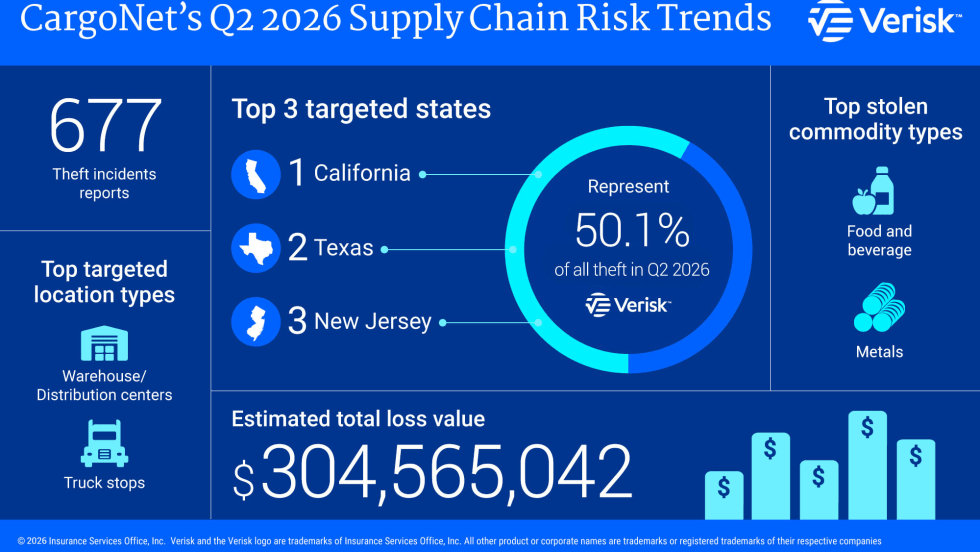
Fewer Cargo Thefts, Bigger Losses: Criminals Target Higher-Value Loads
CargoNet says organized theft rings are stealing fewer shipments but choosing more valuable freight, including metals and technology, resulting in record losses.
Read More →
How Innovative Trucking Leaders Turn Change Into an Advantage
As the pace of change accelerates in trucking, the fleets that adapt best have more than the latest technology. They have cultures that embrace improvement.
Read More →
Freight Broker Bonds Just Got Harder to Get. Here's What That Means for Your Fleet.
When it gets harder for a freight broker to prove they are financially sound, the ones who cannot clear that bar get pushed out of the market. And those are exactly the brokers who used to leave motor carriers holding the bag.
Read More →
Long-Awaited Canadian Border Bridge to Open in Detroit
For trucking, the bridge opening should offer immediate improvements in efficiency and reliability, with new customs facilities, expanded inspection capacity, and direct freeway-to-freeway connections.
Read More →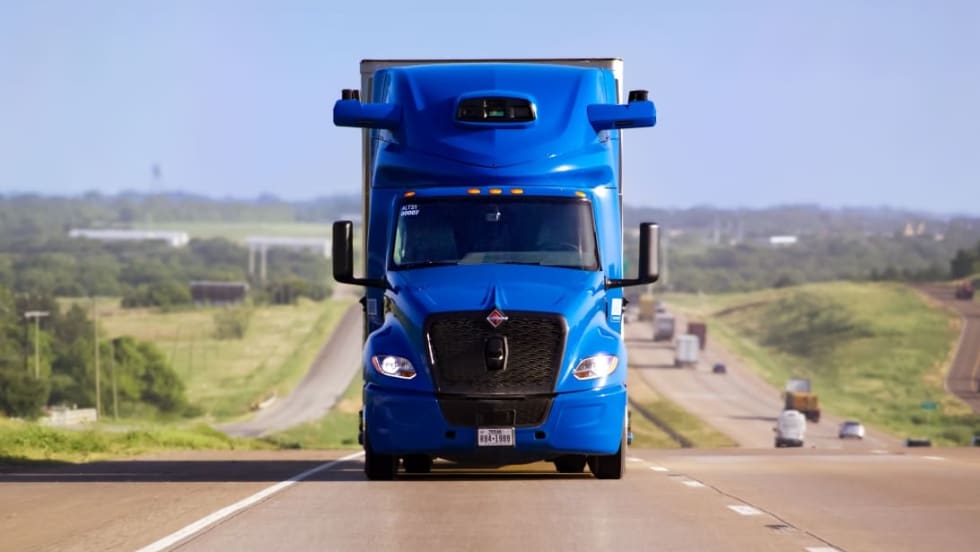
Aurora Rolls Out Next Generation of Driverless Trucks for Commercial Freight
Aurora's latest autonomous trucks it's rolling out with International feature lower-cost hardware designed for a million miles as the company expands commercial driverless freight operations across the U.S. Sun Belt.
Read More →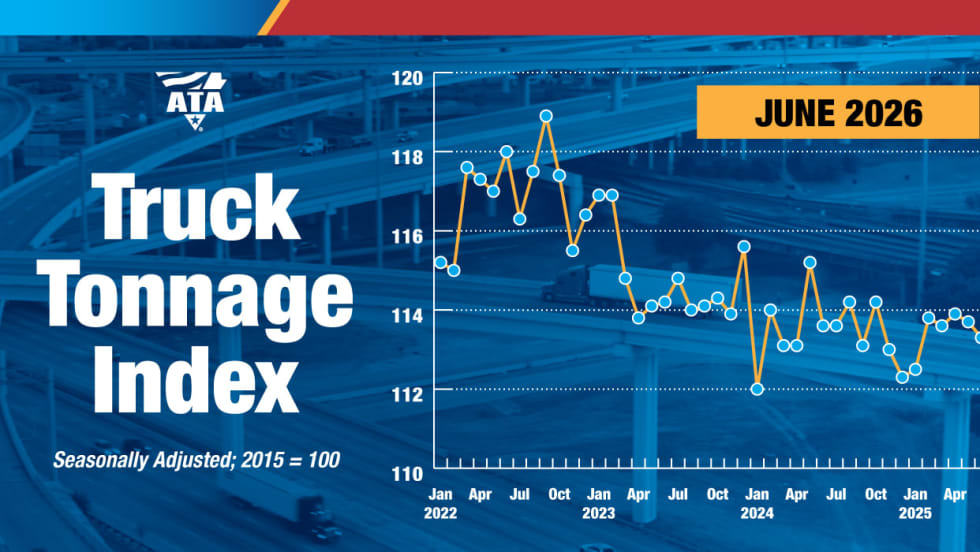
Freight Tonnage Down, Rates up, as Lower Capacity Powers Trucking Recovery
The recovery from the freight recession continues to be driven by reduction in capacity rather than by increased demand.
Read More →