




The $75K Freight Broker Bond Increase in a Nutshell
Freight brokers, like trucking companies, have traditionally represented the American spirit of independence and entrepreneurship. Some people, however, fear that the changes brought about by the Moving Ahead for Progress in the 21st Century Act (MAP-21), which recently took effect, are about to change this.
Freight brokers, like trucking companies, have traditionally represented the American spirit of independence and entrepreneurship. Some people, however, fear that the changes brought about by the Moving Ahead for Progress in the 21st Century Act (MAP-21), which recently took effect, are about to change this.
What is MAP-21 about?
On July 6, 2012, President Barack Obama signed MAP-21, dealing with funding for surface transportation programs. One of the important -- and controversial -- changes was the more than seven-fold increase in the freight broker bond.
All freight brokers who wish to have their license renewed will now have to post a $75,000 freight broker bond, as opposed to the $10,000 in effect since the 1970s. A freight broker bond is required as a guarantee that freight brokers will pay carriers and will not use unethical business practices in dealings with their clients.
What were the reactions?
The increase led to a large public outcry. A lot of small and mid-sized freight brokers were afraid they would lose their business or be forced to join larger operations. Some organizations filed complaints, others even lawsuits, but that didn’t lead to a reduction in the price of the bond.
It did lead, however, to a grace period of two months. Even though the law was effective from Oct. 1, freight brokers have until Dec. 1 to decide whether they want to renew their license and come up with the money for it. After this date, brokers who fail to comply with the bond requirement will have to cease all operations.
It’s inadvisable for brokers (and this includes trucking companies who also have brokerage divisions) to wait until the last moment to renew the freight broker bond. If you do, your bond will have to be backdated. The surety industry is usually apt to do it within up to 30 days, however, as once the end of the grace period approaches, some of the previously available options might be inaccessible.
Are all the fears groundless?
It’s too early to give definitive predictions about the future of small and mid-sized freight brokers. But recently revealed data on the number of newly registered freight brokers shows an increase for the month of September. That’s true even when you account for the fact that some of these new registrations were made by motor carriers, listed as brokers.
It will take some time before we can accurately measure the impact on the industry.
There are more reasons to be optimistic, though. In the months following the adoption of MAP-21, the freight broker bond market became much more permissive. Previously, it was harder to get bonded without collateral. Working with a variety of surety bonds companies, companies such as Bryant Surety Bonds can now provide a freight broker bond without requiring collateral or information about net worth, financial statements and business financials.
What is the scope of the new regulations?
Another important implication of the new law is the end of the practice of "double brokering." In other words, a trucker can no longer receive freight from another trucker or broker, mainly for transparency reasons. A client should know exactly which carrier is currently handling their cargo. At the same time, brokers are denied physical contact with the freight and violations may be levied fines as high as $10,000.
But freight brokers shouldn’t feel singled out. The freight broker bond requirement now extends to freight forwarders as well.
Additionally, MAP-21 heightens authority and control of the Federal Motor Carrier Safety Administration over motor carriers. Effective Oct. 1, the FMCSA can order carriers using unregistered vehicles to discontinue operations. Under the old law only the unregistered vehicle would be affected.
Svetlana Guineva is a contributor to the Bryant Surety Bonds blog. She is a graduate of Metropolitan State University of Denver and is an expert in the field of surety bonds and licensing. She has written several articles on the topic of freight broker bonds.
More Fleet Management

Platform Science Adds Dispatch and Safety Tools
Four additions to PS Fleet help fleets monitor loads, manage driver coaching, share truck locations and adjust video system settings.
Read More →
PrePass Intelligence Mines Fleet Bypass, Toll and Safety Data
PrePass Intelligence helps fleets measure bypass savings, flag potential toll overcharges, and spot suspicious transactions by combining data from separate systems.
Read More →
Motive Adds AI Agents for Fleet Operations
New tools automate follow-up on fleet data, from maintenance work orders to driver alerts, with two-way voice conversations planned for later this year.
Read More →
Can You Beat Our Trucking Trivia Challenge?
Test your truck knowledge with 19 trivia questions from Heavy Duty Trucking Exchange. Can you keep up with the fleet pros?
Read More →
BeyondTrucks Adds Rules Checks to Dispatch
New Compatibility Engine checks driver qualifications, equipment requirements and fleet policies before loads are dispatched.
Read More →
Diesel Prices Hijack Trucking’s Worry List
ATRI’s annual survey finds cautious optimism about freight, but diesel costs, litigation, and insurance continue to squeeze fleets. Drivers have different priorities on several issues.
Read More →
Nomination Deadline Extended for HDT Emerging Leaders
Just a few more days to nominate accomplished trucking fleet professionals under 40 who are making an impact and helping lead the industry forward for the HDT Emerging Leaders award. Deadline extended to October 20!
Read More →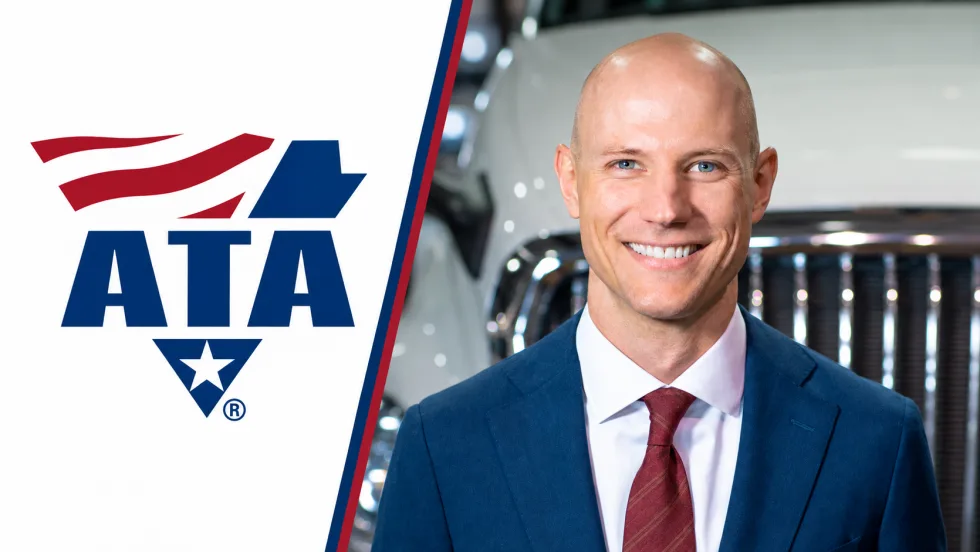
What Will ATA’s New Leader Bring to Trucking's Table?
Incoming President and CEO Mark Colson’s record in Alabama offers clues about his priorities and approach following Chris Spear’s abrupt departure as the head of the American Trucking Associations.
Read More →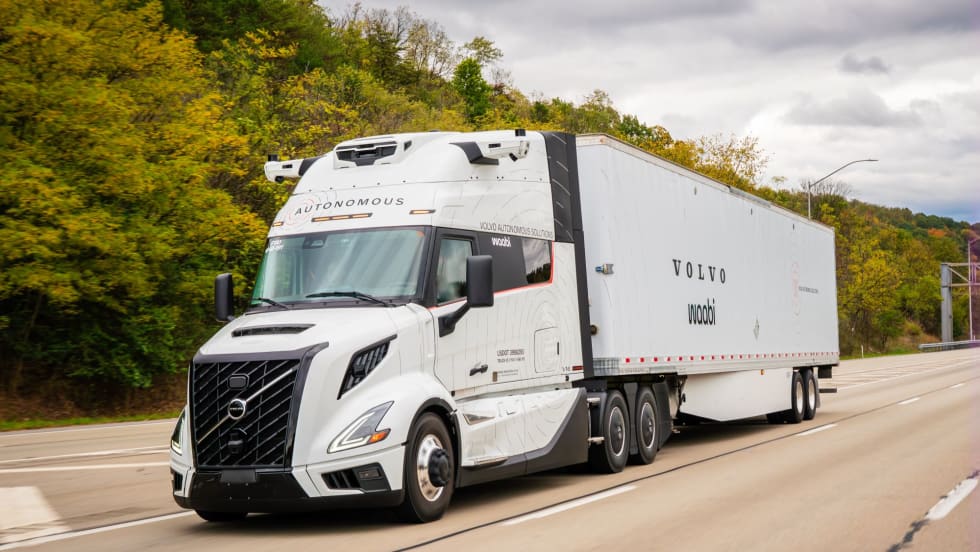
Volvo, Waabi Start Commercial Autonomous Operations in Texas
Volvo VNL Autonomous trucks, powered by the Waabi Driver, are hauling freight directly to third-party facilities for a customer in Texas.
Read More →
Samsara Launches Custom AI Agent Builder
Agent Studio lets fleets create AI tools for hours-of-service monitoring, reporting and driver support, including agents that communicate by phone.
Read More →