




Expect Big Impact on Workers Comp from Obesity Classification
The reclassification this summer by the American Medical Association of obesity as “a disease state” effectively declared that one-third of all Americans has a medical condition requiring treatment. The obesity classification will have a tremendous impact on health insurers and workers compensation insurers alike.

Fluffy's only claim has been for more to eat.

The reclassification this summer by the American Medical Association of obesity as “a disease state” effectively declared that one-third of all Americans has a medical condition requiring treatment. The obesity classification will have a tremendous impact on health insurers and workers compensation insurers alike.
In reaction to the change, the California Workers' Compensation Institute studied 1.2 million work comp claims to examine the potential impact of the obesity classification. Claims from 2005 to 2010 that included the co-morbidity of obesity paid losses on average that were 81.3 percent higher than claims without the co-morbidity. These employees also lost 80 percent more time from work than the claimants without the condition.
Other Effects of Obesity Classification
The obesity classification means that doctors now will point out obesity as a condition that needs to be addressed as part of a whole work comp treatment plan. An example of this would be an employee who needs to lose weight before undergoing back surgery.
The obesity reclassification also increases the likelihood that physicians will be compensated for treating obesity. (Smart employers know where this is going!) The reclassification also increases the likelihood that obesity would be included in a doctor's work comp treatment plan.
Obesity as a Compensable Consequence
According to the report, employers also can expect an increase in injured workers who could claim obesity as a compensable consequence of an injury. For instance, if an injured employee gains weight due to a lack of mobility or as a side effect of a medication prescribed during recovery, he may be able to receive treatment for that condition.
This is yet another argument for employers to make a commitment to modified work during the employee’s healing period. Keeping the workforce engaged and mobile will counter some of these unintended outcomes.
The AMA’s decision to reclassify obesity is another reason why employers must commit themselves to wellness strategies that help employees to drop weight and maintain a healthy weight. At HNI, we've encouraged clients to use the U.S. Centers for Disease Control and Prevention's obesity cost calculator to quantify the impact of obesity and to gain support for wellness initiatives or to validate program ROI. The bottom line is that employers will feel the impact of obesity in health insurance costs and workers compensation costs.
This article originally appeared on the HNI blog. Used with permission. HNI is a non-traditional insurance and business advisory firm.
More Drivers

Drivers Put Western Star Trucks to the Test at Star Nation Experience
Watch to get an inside look at the Western Star trucks, technology, and community behind the Star Nation Experience 2026!
Read More →
Trump Administration Looks to Put More Veterans Behind the Wheel
The Freedom Haulers program pulls together existing and expanded programs at several federal agencies to recruit veterans to drive commercial heavy-duty trucks and cut the red tape for them to get a CDL, training, and employment.
Read More →
Putting Mack’s Command Steer to the Test
A test drive of Mack’s Command Steer active steering system evaluates how it can make truck driving easier and less tiring.
Read More →
Competition Heating Up for Truck Drivers
New report reveals rising driver hiring costs, the return of sign-on bonuses, growing AI advantages, and the operational factors shaping driver retention.
Read More →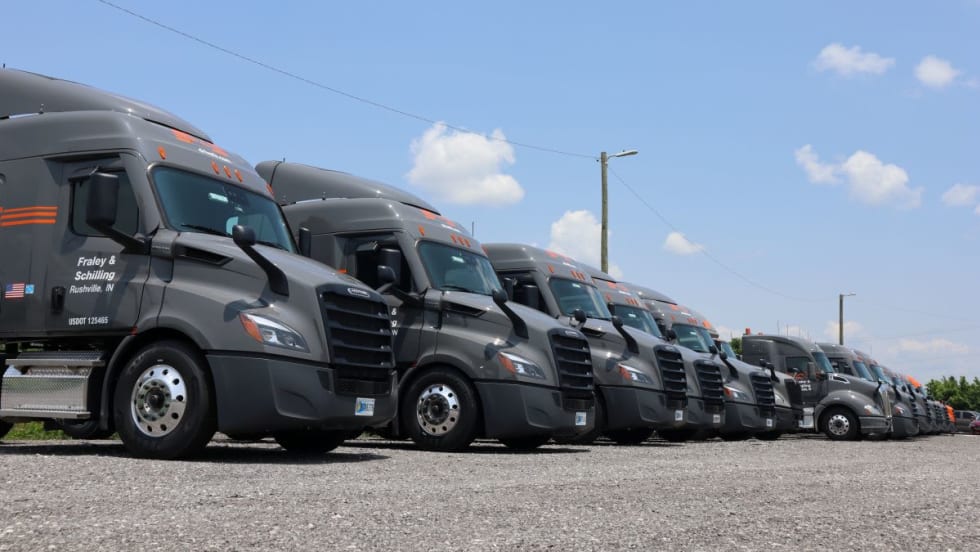
How Fraley & Schilling Improved Logbook Compliance by Over 50%
Fraley & Schilling needed a way to close a compliance workflow gap in its ELD system without adding more work from driver training, reminders, and back-office follow-ups. It found the answer in a custom driver app.
Read More →
Volvo Goes Gaming
Volvo has roared into American Truck Simulator with two new flagship trucks.
Read More →
What the Best Fleets to Drive For Teach About Driver Retention
Survey fatigue, AI-powered routing, owner-operator expectations, and the decline of social media all emerged as themes from this year's Best Fleets to Drive For program.
Read More →
Driver Retention Lessons From the Best Fleets to Drive For
What separates trucking's best workplaces from the rest? Jane Jazrawy shares the biggest lessons from this year's Best Fleets to Drive For program on driver retention, communication, AI, and workforce trends on the HDT Talks Trucking podcast.
Read More →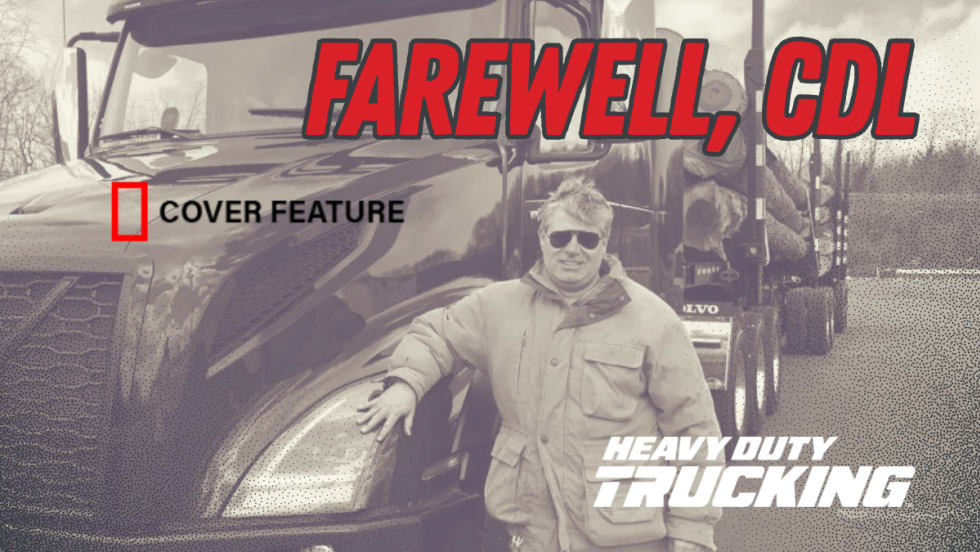
Farewell, CDL: Why I'm Giving Up My Commercial Driver's License
After more than 20 years as a CDL holder, HDT Executive Editor Jack Roberts is letting his commercial license expire. Not because he wants to — but because trucking's nuclear verdict crisis has made the risks of public-road test drives too great for editors, manufacturers, and everyone involved.
Read More →
How Top Trucking Fleets Improve Driver Retention [Video]
What do healthy snacks, optimized routing, and just picking up the phone have in common? They're all strategies the Best Fleets to Drive For are using to retain truck drivers.
Read More →