




Healthcare Reform: Pay or Play
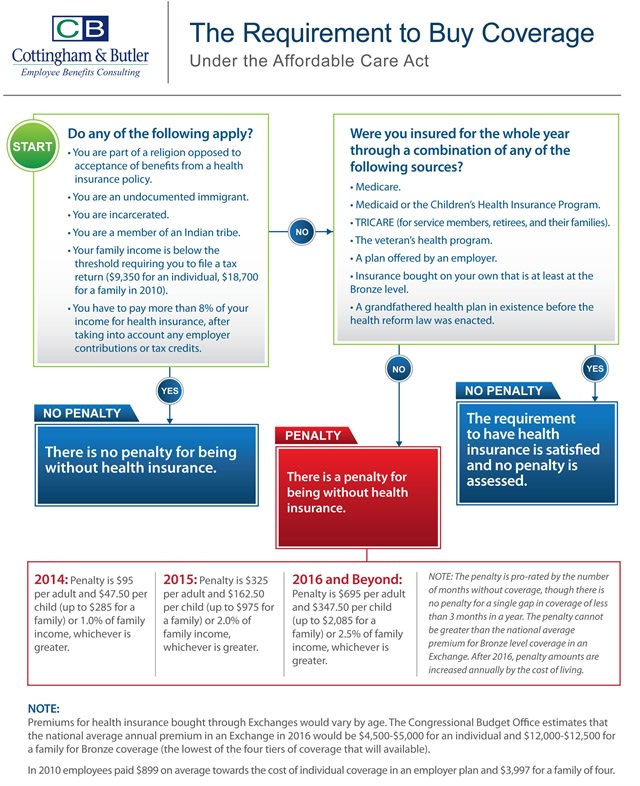
The Affordable Care Act (ACA), which requires individuals to have health insurance, could change the way trucking companies handle their healthcare coverage policies for employees. The Truckload Carriers Association held a webinar on May 23 to discuss its analysis of the ACA and the impact it will have on the trucking industry.


The Affordable Care Act, which requires individuals to have health insurance, could change the way trucking companies handle their healthcare coverage policies for employees. The Truckload Carriers Association held a webinar on May 23 to discuss its analysis of the ACA and the impact it will have on the trucking industry.
Kim Beck, vice president of benefits consulting at Cottingham & Bustler Inc., was the main presenter, along with two colleagues: Adam Jensen, vice president of compliance and human resource consulting, and Linda Perry, compliance specialist.
The individual mandate under the ACA includes "employer shared responsibility" for companies with at least 50 full-time employees who work 30 hours a week or 130 hours a month. Part-time associates will be combined to determine if they count toward the 50 employees.
“Transportation companies will need to use different methods to determine full-time status,” Beck explained. “Employers can use e-logs to track the number of miles driven or equations that take into consideration the amount of time drivers spend loading or unloading.”
Companies will choose to either "pay or play" based on the real cost to keep or drop employer coverage. Companies not offering coverage will "pay" a penalty of $2,000 for each eligible employee. "Play" means the employer will continue to offer an affordable plan.
Whether or not the employer’s plan meets certain criteria under shared responsibility will determine if they will be required to pay penalties. Employer shared responsibility penalties are effective Jan. 1, 2014, or when each company’s fiscal year begins in 2014 — whichever is later.
The employer will pay a penalty for not offering coverage at all or for not offering affordable coverage.
In order to avoid penalties from shared responsibility, companies with at least 50 full-time associates must offer coverage to all full-time employees. The lowest-cost insurance plan must meet the minimum value requirement, meaning the plan pays more than 60% of medical costs across a typical population. Additionally, no employees should have to pay more than 9.5% of their W-2 income for single coverage under the plan -- otherwise it is considered not affordable. The percentage can also be calculated by using the employee’s monthly salary.
Trucking companies will need to look at the cost and cost savings to determine if it is more beneficial to pay the penalties by eliminating coverage altogether.
Beck recommends that in order to remain competitive, it would be in the best interest for trucking companies to keep plans available for employees.
“Drivers don’t want to understand the rules under the ACA, nor will they want to shop around for insurance,” Beck says. “As an employer, you can make it easier on your drivers by offering a plan that they’ll see withdrawn on their paycheck.”
In the trucking industry, recruiting and retaining key talent may be challenging if a group plan is not offered. Rather than eliminating healthcare coverage for their employees, most companies plan to raise the cost of the coverage to employees.
“Tell your employees what’s going on,” Beck says. “Let them know that you went over all the numbers and even though you may be saving more by getting rid of coverage, instead you’re going to make some adjustments – they’ll appreciate it.”
ACA also requires employers to notify current employees of the changes no later than Oct. 1, 2013, and provide notice to new employees at the time of hiring beginning Oct. 1, 2013.
Under the ACA, taxes and fees will also be implemented with keeping a group health plan, including the Patient-Centered Outcomes Research Institute (PCORI) fee, insurer fee, transitional reinsurance fee and risk adjustment fee.
Trucking companies can prepare for the 2014 changes by analyzing and understanding the cost impacts, employer shared responsibility exposure, health plan variables, taxes/fees associated with keeping a plan, and the employee impacts.
More Fleet Management
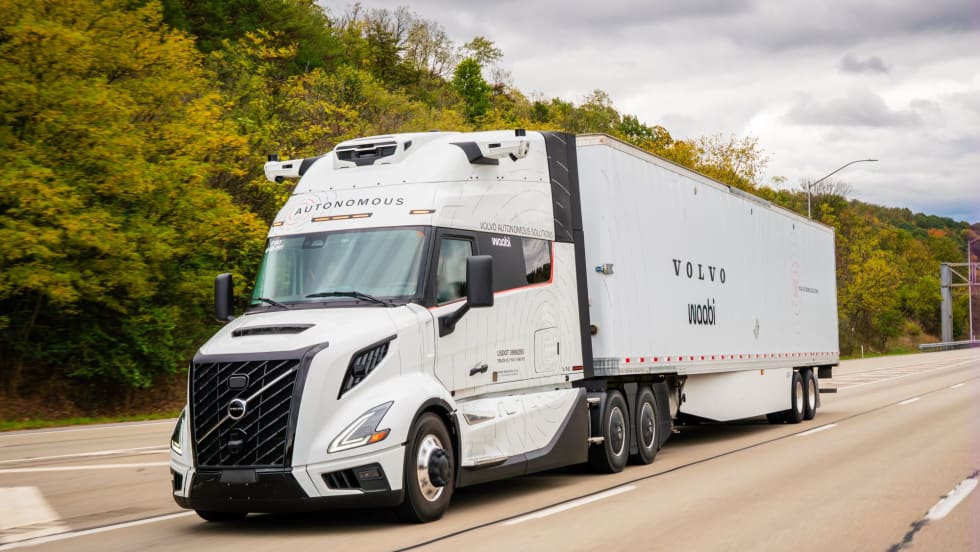
Volvo, Waabi Start Commercial Autonomous Operations in Texas
Volvo VNL Autonomous trucks, powered by the Waabi Driver, are hauling freight directly to third-party facilities for a customer in Texas.
Read More →
Samsara Launches Custom AI Agent Builder
Agent Studio lets fleets create AI tools for hours-of-service monitoring, reporting and driver support, including agents that communicate by phone.
Read More →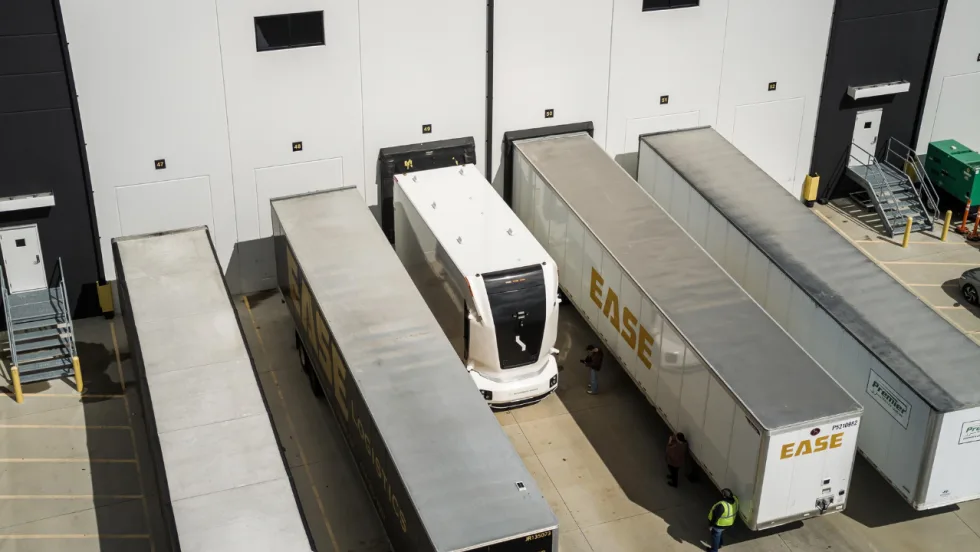
Einride Driverless Electric Trucks Begin Daily Freight Operations in Ohio
Two cabless electric trucks are hauling freight between EASE Logistics facilities in Marysville, Ohio, as part of a multi-state truck automation project.
Read More →

Geotab Links Fleet Card to Vehicle Data
The new card combines fuel discounts with telematics-based purchase controls. Geotab’s analysis also points to potential savings from choosing lower-priced fuel stops.
Read More →
How MFA Helps Protect Trucking Fleets
Multi-factor authentication adds protection when passwords are stolen. Here’s how it works and where fleets should start.
Read More →
How Better Freight Data Helps Trucking Teams Get Ahead of Disruption
Trucking and logistics teams have plenty of data. The problem is getting the right information in front of the right people soon enough to act. Better-connected data can help teams spot trouble earlier and make smarter decisions before small problems become big ones.
Read More →
Trimble: Taking Artificial Intelligence in Trucking Beyond Faster Tasks
At Insight 2026, Trimble executives argued that fleets may need to redesign workflows to get more from AI as it introduced new products and enhancements. AI’s value will depend on how fleets combine automation with their people's knowledge.
Read More →
Build a bulletproof fleet: Uniting ELDs and dash cams for total compliance
An ELD can prove compliance, but it cannot always prove what happened on the road. Discover how uniting accurate ELD data with AI-powered dash cam video can help your fleet strengthen compliance, defend against liability, protect drivers and reduce operational costs.
Read More →
Nominations Open for HDT Emerging Leaders
Heavy Duty Trucking is looking for accomplished trucking fleet professionals under 40 who are making an impact and helping lead the industry forward.
Read More →
Why Private Fleets Are Taking More Freight
Private fleets are putting their own trucks on demanding customers and high-cost lanes as companies seek greater control over service, costs, and capacity.
Read More →