




4 Ways Technology Can Improve Margins and Build a Leaner Operation
As the economy rises out of the recession and more goods must be transported domestically, many fleet operators will be hard-pressed to meet the coming demand -- but technology can help

As the economy rises out of the recession and more goods must be transported domestically, many fleet operators will be hard-pressed to meet the coming demand -- but technology can help.
Difficult times caused many operations to layoff drivers and sideline trucks, so operating at peak efficiency, as well as building capital to reinvest in trucks and drivers, is at the forefront of many fleet managers' minds.
There are four types of technology that trucking companies can deploy to improve margins and build a more lean operation:
Activity-Based Costing Software
Activity-based costing, or ABC, is one way fleet owners can gain a better understanding of the true costs of its services. By attaching a timestamp to each step of the shipping process, from acceptance and loading to final delivery, fleet management can analyze shipments to find inefficient operations and identify areas to improve.
ABC software can help analyze a fleet's operations at the level of driver, route, customer or geography. According to Ken Manning, president of the Transportation Costing Group, ABC software enables trucking companies to find and build its business around the most profitable freight.
For example, ABC software can be used to help direct customer acquisition strategy, as well as finding the ideal rates/prices to quote new and existing customers.
Electronic Onboard Recorders (with Reliable Vendor Support)
One way for a fleet to gain more control over its trucks and get greater visibility into its fleets is to deploy electronic onboard recorders, or EOBRs. These devices can help make logging easier for the driver, eliminate paper documents, reduce the chance that drivers will disregard compliance, improve fuel consumption and provide a real-time picture of vehicle locations.
When evaluating EOBR vendors, their ability to execute on the benefits above is important. But just as important is a more hard-to-measure aspect: reliability.
A vendor's ability to provide support to drivers and keep downtime to a minimum is incredibly important to adoption, according to Mark Stein, director of operations services at Central Freight Lines.
"It seems simplistic, but without support, problems eventually translate to the system not being used," says Stein.
Contract Management and Fuel Solutions
Using technology to automate contract signing and creation and fuel management is one way that fleet managers can reduce the size of operations staff while improving organization. These solutions can not only speed up transactions, but also improve traceability, helping the business gain greater insights into operations.
There's a new option to consider for many fleet managers: radio-frequency identification (RFID)-powered fuel management. Vendors such as Trak Engineering and QuikQ provide technology that ensures that only verified truck drivers can fill up at the pump, greatly reducing concerns of fuel theft commonly held by many fleet owners. In addition, fleet managers can gain visibility into total fuel investment costs through an online portal, increasing the chance that discrepancies are discovered sooner rather than later.
Another option is to use electronic contract signage solutions, or e-signing technology. By turning to electronic solutions, documents can be stored and pulled from one central online database, reducing the chance that an important contract is misplaced or left unsigned. One case study from e-signing vendor EchoSign found that the average days to obtain a signed contract was successfully reduced from 20 days to only five after its solution was deployed.
Electronic Data Interchange
This technology describes the transmission of data in a structured format from one computer system to another. With an ever-increasing amount of systems that need to communicate and various data formats to send information in, EDI is a crucial piece of translation technology that allows these systems -- and their users -- to work together.
While EDI technology is by no means new, it can be used in a number of innovative ways to automate repetitive, time-consuming tasks often given to office staff or dispatch operators. For example, EDI can be used to regularly check the insurance records of drivers to look for unreported or incorrect accidents. In addition, fleet managers can use EDI to obtain freight-factoring quotes more quickly.
Michael Koploy is an ERP Analyst at Software Advice, a consultancy that reviews transportation management systems. You can read more about this and other IT topics on the Software Advice blog.
More Fleet Management
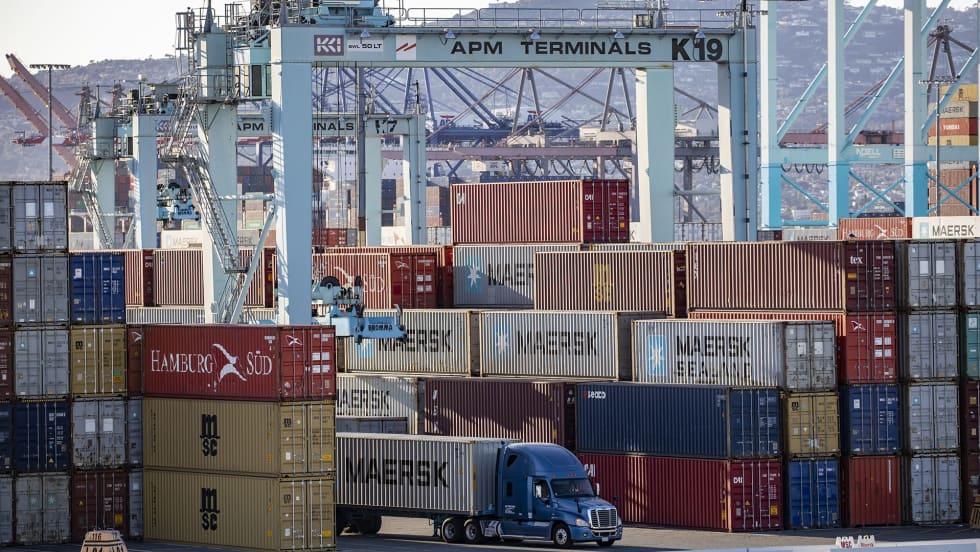
Import Cargo Volume to See Year-Over-Year Gain Again in June, Then Remain Below 2025 Levels Into Fall
After July, the report predicts a weakening in import volume as consumer uncertainty remains high and the impact of increasing inflation takes its toll.
Read More →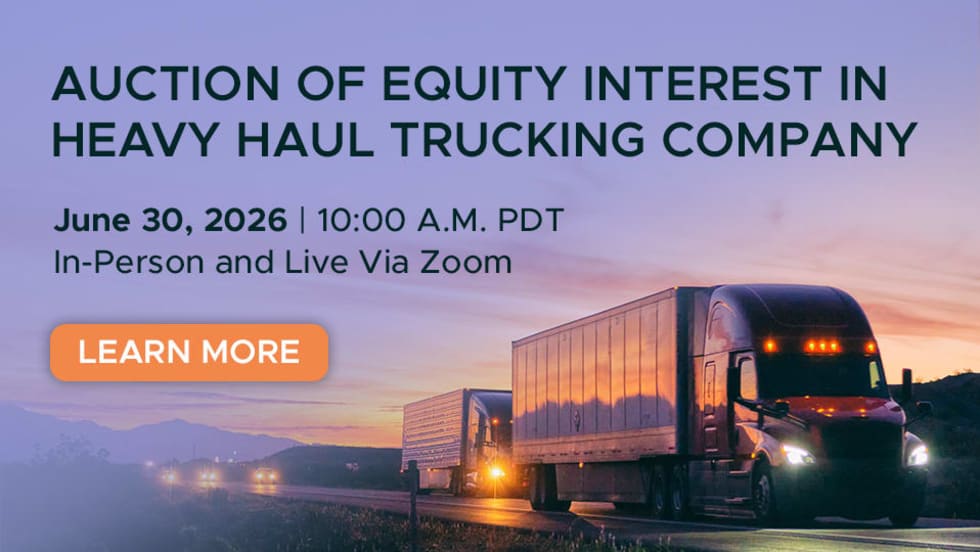
AUCTION OF EQUITY INTEREST IN HEAVY HAUL TRUCKING COMPANY!!
Mark your calendar: June 30, 2026 (10:00 a.m. PDT). MagnaTrans, LLC, a California limited liability company doing business as Magna Transportation Group is going to auction! Bid on a 37.5% ownership interest in this Rancho Cucamonga-based heavy haul and over-dimensional trucking company operating across California, Oregon, and Arizona. The equity interest will be sold to the highest bidder or bidders under Article 9 of the Uniform Commercial Code at 10:00 a.m. PDT.
Read More →
Volvo Trucks Adds Unattended Over-the-Air Software Update Capabilities
The latest evolution of Volvo’s over-the-air update technology allows software updates to run while trucks are parked, helping fleets keep vehicles current without disrupting operations.
Read More →

How Waste Connections is Using Data, Telematics, and AI
How do you manage and maintain more than 18,000 connected trucks? Data. Lots of it.
Read More →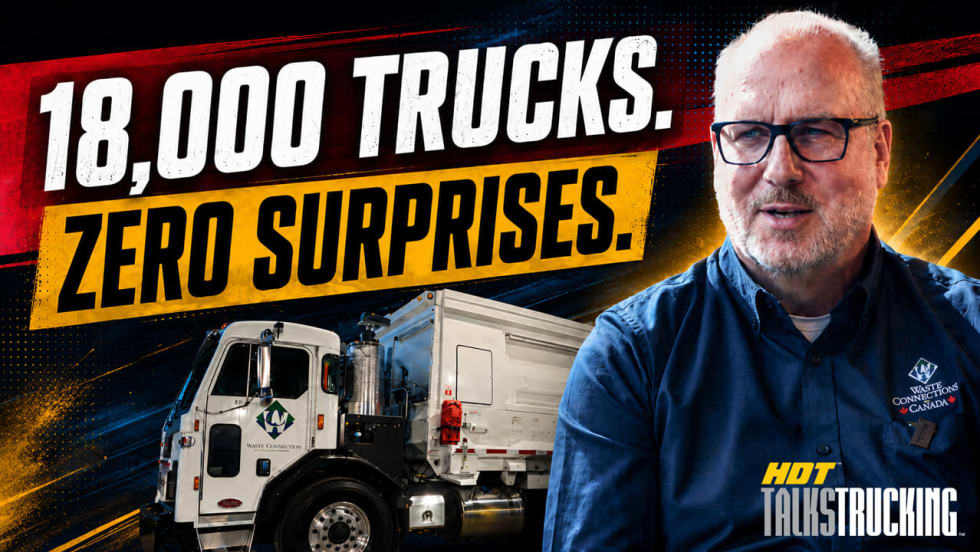
Why Fleet Data Matters More Than Ever at Waste Connections [Watch]
Waste Connections' Chuck Palmer explains how telematics, predictive maintenance, safety analytics, and AI help keep vehicles on the road and drivers safe in this episode of HDT Talks Trucking.
Read More →
NMFTA Launches Free, Anonymous Cybersecurity Threat Report Portal
Organizations are encouraged to anonymously report freight fraud, cargo crime, and cyber threats while gaining visibility into incidents reported across the transportation sector.
Read More →
AI Can Optimize a Fleet. Can It Replace Human Judgment?
Fleets fear falling behind if they don’t adopt AI quickly enough. They also fear what happens if the technology makes the wrong decision.
Read More →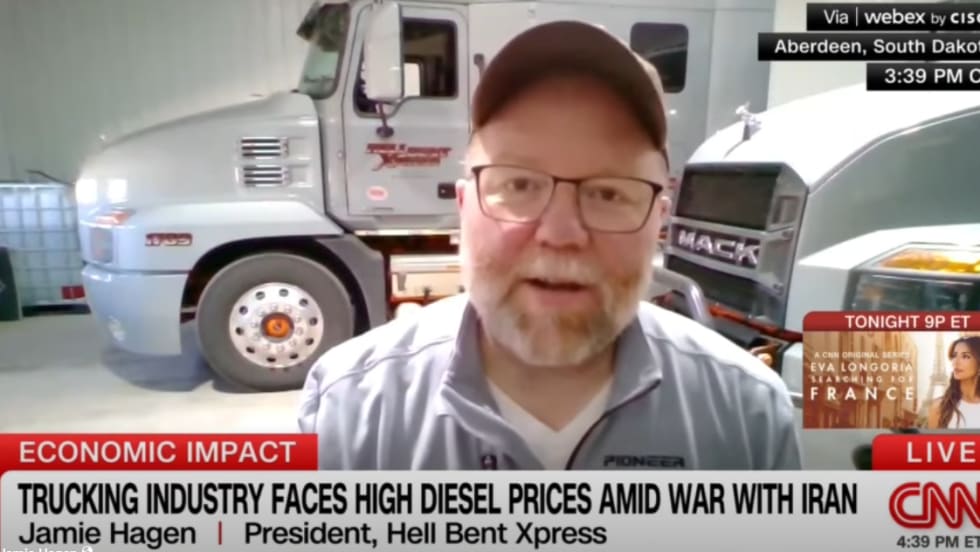
Jamie Hagen Gets Real About Running a Small Fleet in an Uncertain Economy
Small fleet owner Jamie Hagen says new legal risks, volatile fuel prices, and a changing freight market are forcing small carriers to rethink how they operate — and what they can afford.
Read More →
Jamie Hagen Gets Real About Freight, Fuel Prices, Safety, and Small-Fleet Survival
Running a small trucking fleet right now isn’t easy, especially right now. And Jamie Hagen doesn’t sugarcoat it.
Read More →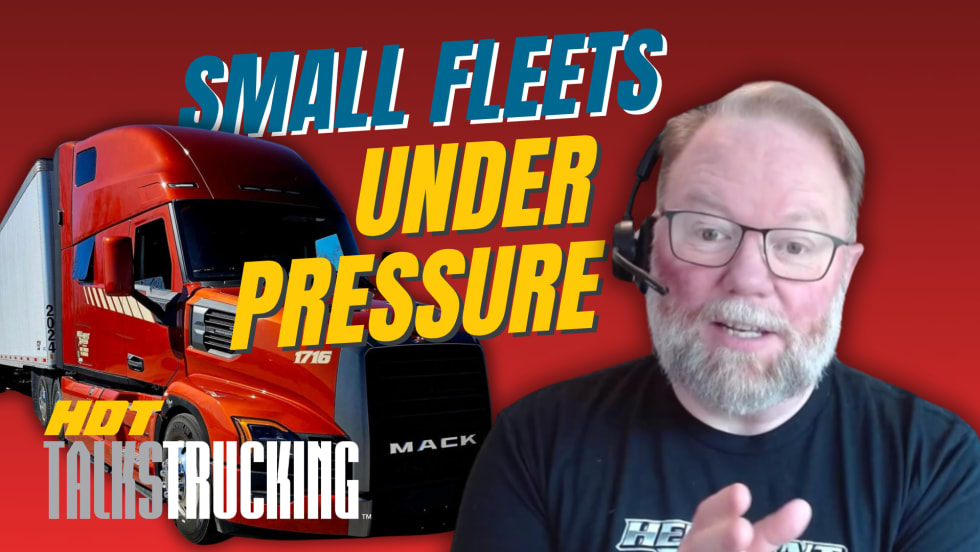
Jamie Hagen Gets Real About Freight, Fuel Prices, Safety, and Small-Fleet Survival
Running a small trucking fleet right now isn’t easy, especially right now. And Jamie Hagen doesn’t sugarcoat it.
Read More →