




ELDs and EOBRs - What's the Difference?
Part of the fun of technology is getting a new vocabulary of acronyms. The latest for automated driver logs is ELDs - or electronic logging devices. According to some reports, ELDs are not only better than Electronic On-board Recorders (EOBRs), but they cost less. That's progress

Dave Kraft
Part of the fun of technology is getting a new vocabulary of acronyms. The latest for automated driver logs is ELDs - or electronic logging devices. According to some reports, ELDs are not only better than Electronic On-board Recorders (EOBRs), but they cost less. That's progress!
This does raise a question, though: Where do these terms come from? I did some research, and the number of terms that may also apply to ELD and EOBR type devices is more than you might expect. Here is the list:
EOBR - Electronic On-Board Recorder. The trucking industry and fleet management system providers have been using this term for automated driver logs since the early 2000s. The term is also defined in the Federal Motor Carrier Safety Administration's (FMCSA) recent 395.16 "Electronic On-Board Recorders for Hours of Service Compliance" regulation, although that regulation will not go into effect until June 2012.
ELD - Electronic Logging Device. This is a recent term, whose origin is unknown. I think some people like it because they are not sure about the "recorder" part of an EOBR, but the "logging" of an ELD is okay. Since ELDs are not defined in any regulation, you would need to ask if they are compliant with 395.15 or 395.16.
EDL - Electronic Driver Logs. This is another recent term and it is unclear whether it implies an FMCSA-compliant device or application.
AOBRD - Automatic On-Board Recoding Device. "AOBRD" - Ugh! Not a very popular term. It is based on FMCSA's 395.15 regulation published in 1988. This regulation is in effect today. Every EOBR, ELD, EDL that is compliant with DOT regulations for automated driver logs is really an "AOBRD." REALLY!
Computer Assisted Logs. This is also a recent term with unknown origin, but it is generally agreed that these are not compliant with any regulation. Instead, drivers simply use a computer or a smart phone to record their time and then produce a nice printout instead of handwriting logs. If they do not have a printer, then they will have to handwrite their logs if they get stopped.
Digital Tachograph. This is an automated, tamper proof recorder of driver logs that is used throughout Europe and in many other countries around the world. Some people may call it the European EOBR, but Europeans would call it a "tacho."
EDR - Event Data Recorder, aka HV EDR - Heavy Vehicle EDR. ] This is the accident "black box" for trucks. Some people think EDR and EOBR are same thing but they are really different devices. HV EDRs are not defined in regulation, but that could change in a year or two as the U.S. Department of Transportation (DOT) is looking at that now. There is aSociety of Automotive Engineers (SAE) standard, J2728, that was published in 2010 that provides a specification for these systems. Also, the National Transportation Safety Board has been a longstanding strong advocate of installing EDRs in commercial vehicles.
Now that we have all that understood, the next big question is: What do these things cost? What is the difference between the low cost version and full blown high end versions? I am going to have to get back to you on that - for a future blog post.
Reposted with permission from the Qualcomm OnQ blog. Dave Kraft is a director in Qualcomm Enterprise Services' strategic business development group and currently serves as chairman for ATA's Technology and Maintenance Council EOBR task force in developing industry guidelines for electronic onboard recorders.
More Fleet Management
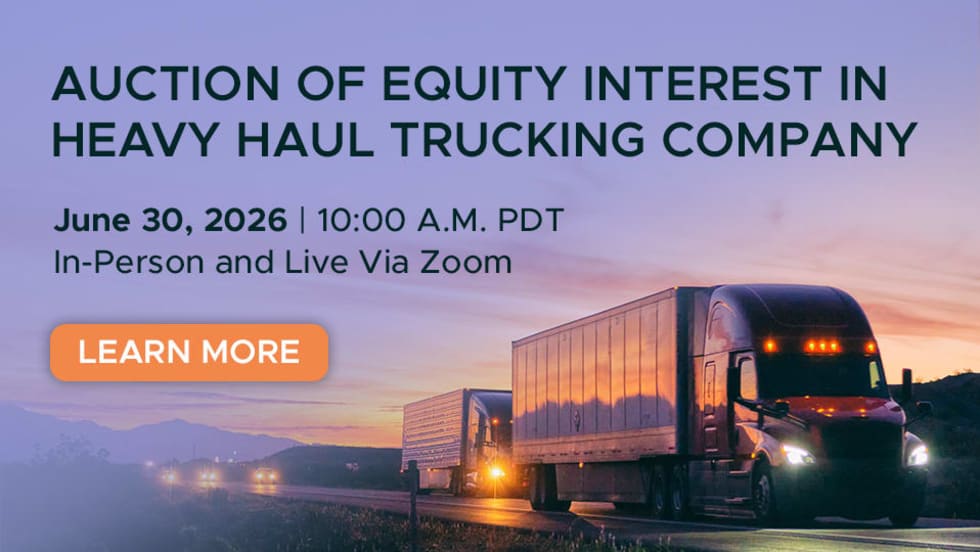
AUCTION OF EQUITY INTEREST IN HEAVY HAUL TRUCKING COMPANY!!
Mark your calendar: June 30, 2026 (10:00 a.m. PDT). MagnaTrans, LLC, a California limited liability company doing business as Magna Transportation Group is going to auction! Bid on a 37.5% ownership interest in this Rancho Cucamonga-based heavy haul and over-dimensional trucking company operating across California, Oregon, and Arizona. The equity interest will be sold to the highest bidder or bidders under Article 9 of the Uniform Commercial Code at 10:00 a.m. PDT.
Read More →
Volvo Trucks Adds Unattended Over-the-Air Software Update Capabilities
The latest evolution of Volvo’s over-the-air update technology allows software updates to run while trucks are parked, helping fleets keep vehicles current without disrupting operations.
Read More →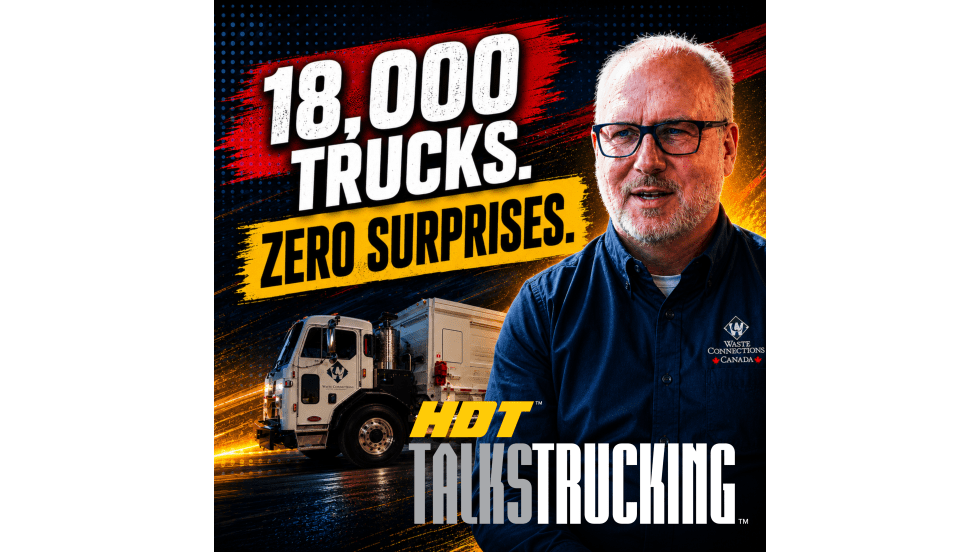
How Waste Connections is Using Data, Telematics, and AI
How do you manage and maintain more than 18,000 connected trucks? Data. Lots of it.
Read More →
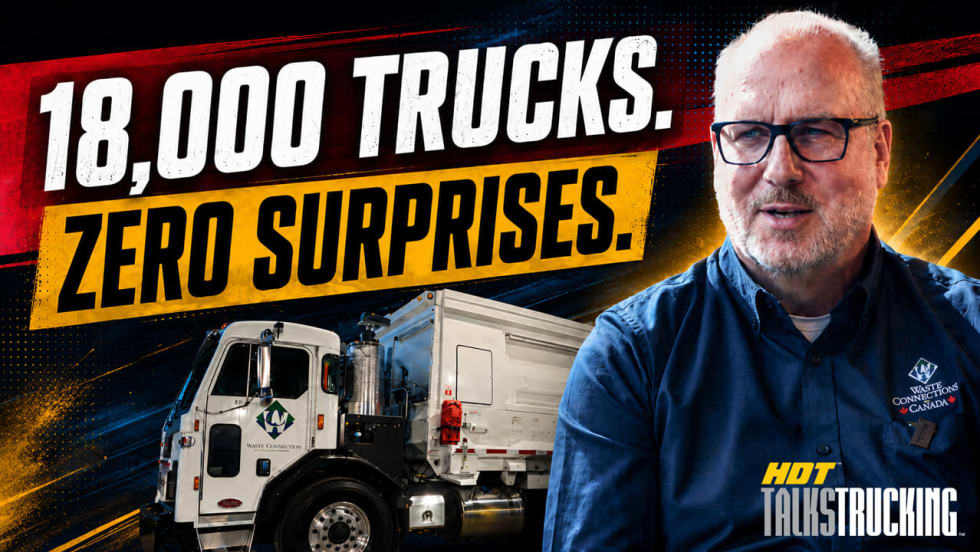
Why Fleet Data Matters More Than Ever at Waste Connections [Watch]
Waste Connections' Chuck Palmer explains how telematics, predictive maintenance, safety analytics, and AI help keep vehicles on the road and drivers safe in this episode of HDT Talks Trucking.
Read More →
NMFTA Launches Free, Anonymous Cybersecurity Threat Report Portal
Organizations are encouraged to anonymously report freight fraud, cargo crime, and cyber threats while gaining visibility into incidents reported across the transportation sector.
Read More →
AI Can Optimize a Fleet. Can It Replace Human Judgment?
Fleets fear falling behind if they don’t adopt AI quickly enough. They also fear what happens if the technology makes the wrong decision.
Read More →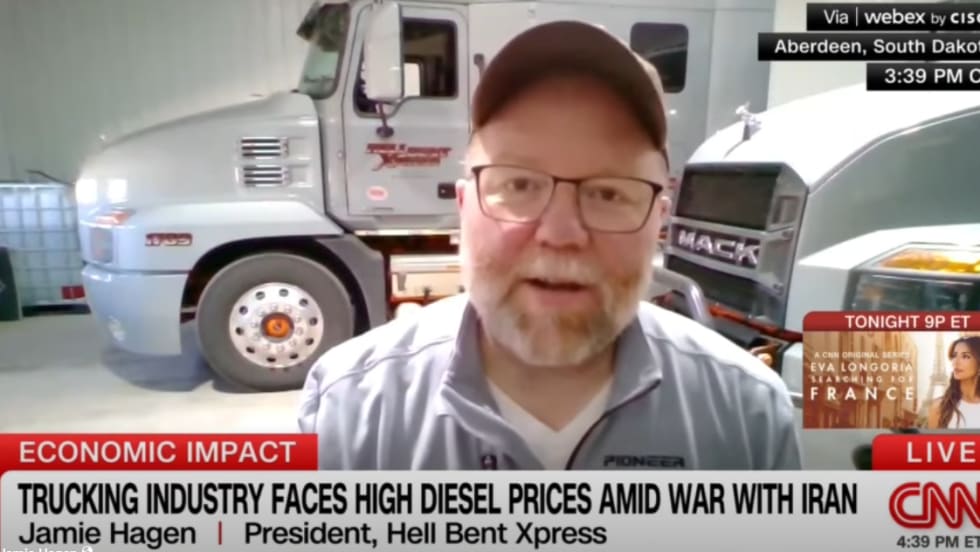
Jamie Hagen Gets Real About Running a Small Fleet in an Uncertain Economy
Small fleet owner Jamie Hagen says new legal risks, volatile fuel prices, and a changing freight market are forcing small carriers to rethink how they operate — and what they can afford.
Read More →
Jamie Hagen Gets Real About Freight, Fuel Prices, Safety, and Small-Fleet Survival
Running a small trucking fleet right now isn’t easy, especially right now. And Jamie Hagen doesn’t sugarcoat it.
Read More →
Jamie Hagen Gets Real About Freight, Fuel Prices, Safety, and Small-Fleet Survival
Running a small trucking fleet right now isn’t easy, especially right now. And Jamie Hagen doesn’t sugarcoat it.
Read More →
Data Lock‑In or Integration Lock‑Out?
Data fragmentation is costing dealerships, OEMs, fleets, and upfitters millions. Here’s why interoperability may be the fix the trucking industry needs.
Read More →