




2010 Truck Fleet Innovators: Doug Duncan, President/CEO, FedEx Freight
In February 2001, when FedEx Freight was first established through a series of acquisitions, including Viking Freight, the less-than-truckload sector was still trying to differentiate itself from the rest of the trucking industry

In February 2001, when FedEx Freight was first established through a series of acquisitions, including Viking Freight, the less-than-truckload sector was still trying to differentiate itself from the rest of the trucking industry.
Since then, Founding CEO Doug Duncan, who retired at the end of last month, has made a name for the LTL business, transforming FedEx Freight into a $4.4 billion revenue machine. The company has gone from being the number five LTL carrier in terms of market share, to being on top in terms of the number of shipments they pick up and deliver, as of the end of 2009.
"We brought 'absolutely, positively' to the freight market," Duncan says.
Duncan seems to run the business under the recognition that the customers they serve are changing and are shortening the supply chain. FedEx Freight's business model supports what Duncan calls "fast-cycle logistics," lean supply chains that involve reducing overall logistics.
In contrast to a lot of other trucking companies, Duncan didn't want FedEx Freight to have a "load-until-they're-full mentality," because this results in great variability in transit times. Instead, the company created a schedule network, which includes next-day delivery up to 600 miles and two-day delivery up to 1,800 miles. This way, he says, FedEx customers can operate three or four distribution centers around the country and hit the bulk of their customers overnight, or in two days at the very most.
A somewhat new concept to the LTL sector, FedEx Freight offers its customers 100 percent on-time service. The company's no-fee money-back guarantee assures this on-time delivery. The LTL giant also developed a system called FedEx Freight Advance Notice, which provides customers with visibility and control over their LTL shipments. The system will proactively notify customers via the Internet and fax if a shipment may be delayed beyond the estimated delivery date. This allows customers to make decisions and adjustments while a shipment is still en route.
A people business
The reason FedEx Freight has been able to be successful and set the standard for the LTL business is because of its devotion to safety and its focus on the people, Duncan says. "This is a people business," he says. "It takes a lot of labor components to do the work that we do. At the end of the day, it's a strong culture of people first."
While FedEx Freight has grown to be one of the biggest LTL operations out there, what makes Duncan most proud is how he and his team went about it: putting people first.
The company has accomplished this by creating a safe and respectful work environment. It's keeping that balance between ensuring drivers and dockworkers work hard every day but also get to go home every night, safe and sound, he says.
"They come to work with a 'want to' attitude, not a 'have to' attitude," Duncan notes.
To keep drivers safe and sound, the company has outfitted its trucks with some of the best safety technology out there, including lane departure signals and anti-rollover technology. Trucks also include a collision avoidance system, which warns the driver of excessive closure rates and eliminates rear-end collisions.
FedEx Freight has also started to implement electronic on-board recorders in all its tractors. The company has been working on the initiative for the last two quarters and expects to have EOBRs fully deployed by the end of 2010, Duncan says. The EOBRs are operated through an on-board computer the company designed itself.
Duncan is all for electronic logging technology, as he believes it will bring us into the 21st century. With paper logs, "It's like going back to the 19th century, if you will."
Another key to FedEx Freight's success is its fleet, which consists of more than 60,000 pieces of equipment, including more than 15,000 tractors. Duncan says its fleet equipment is a key element of its business and improves productivity.
The regulatory, environment fronts
FedEx Freight has not only been a leader in the LTL business, but it has also been an influential force on regulatory and environmental issues.
In accordance with FedEx Corp.'s philosophy of being a great corporate citizen, Duncan made it a priority to stay on top of the regulatory changes that impact the company and the trucking industry as a whole.
In particular, Duncan has been active in fighting for increased infrastructure investments. He says there's little invested in the country's infrastructure, despite the fact that the economy is growing and will continue to grow.
FedEx Freight plans to grow as well. In 20 to 25 years, there will twice as many trucks on the roads, but we're not investing the equivalent, he says.
"It's time to start making strategic investments in our infrastructure."
Duncan has been active on this front, serving on a U.S. Chamber of Commerce task force aimed at rebuilding our infrastructure. He also serves as the chairman of the American Transportation Research Institute, the research arm of the American Trucking Associations.
FedEx Freight has also embraced sustainability throughout its business. "It's good for the environment, but it's also good for us."
The company currently has two hybrid tractors operating in test mode in the Los Angeles market. They are Kenworth tractors with Eaton hybrid drivetrains.
Duncan says the company plans on introducing its first Class 8 heavy-duty tractor to run on a hydrogen fuel cell. The tractor will be tested at its Springfield, Mo., facility on an eight-hour duty cycle. "It's not low emissions; it's no emissions."
Duncan's retirement
Duncan doesn't plan to slow down any time soon. Despite his recent retirement, he still wants to be involved in the business world. He'll continue to serve on the board of directors for Benchmark Electronics and will likely add another board of directors seat to his schedule, he says. Duncan plans to carry on his involvement in Washington, and may also do some consulting work for FedEx Freight.
But FedEx Freight will continue to dominate the LTL market, with William Logue at the helm. Logue, who was previously serving as president of FedEx Freight, joined FedEx Express in 1989 through the Flying Tiger acquisition. Logue previously served as executive vice president, chief operating officer, FedEx Express in the U.S., where he was responsible for FedEx Express Air Operations, Air Ground and Freight Services, Central Support Services and Domestic Ground Operations Divisions.
Meanwhile, Doug Duncan will likely find some time to cruise around in his boat and play some golf, his favorite hobbies outside of the trucking business.
From the March 2010 issue of Heavy Duty Trucking.
More Fleet Management
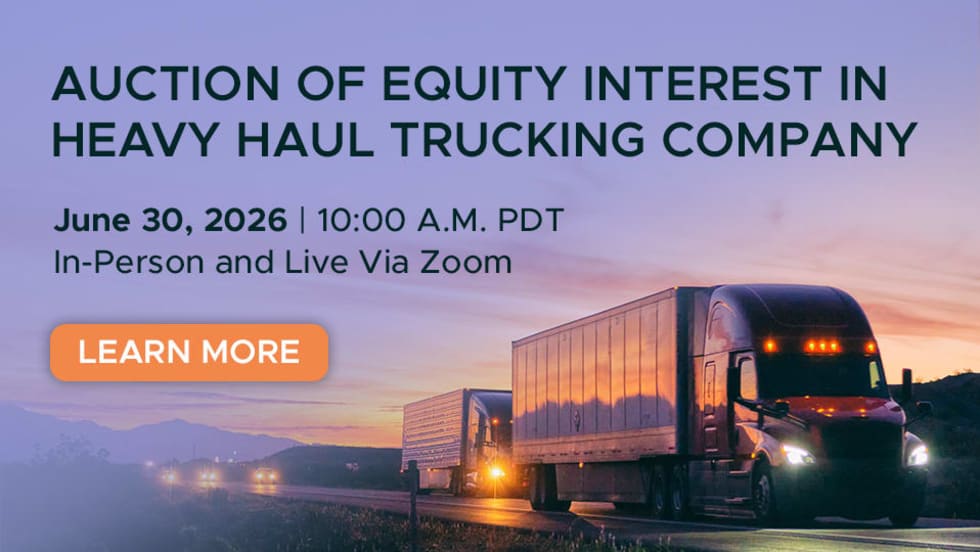
AUCTION OF EQUITY INTEREST IN HEAVY HAUL TRUCKING COMPANY!!
Mark your calendar: June 30, 2026 (10:00 a.m. PDT). MagnaTrans, LLC, a California limited liability company doing business as Magna Transportation Group is going to auction! Bid on a 37.5% ownership interest in this Rancho Cucamonga-based heavy haul and over-dimensional trucking company operating across California, Oregon, and Arizona. The equity interest will be sold to the highest bidder or bidders under Article 9 of the Uniform Commercial Code at 10:00 a.m. PDT.
Read More →
Volvo Trucks Adds Unattended Over-the-Air Software Update Capabilities
The latest evolution of Volvo’s over-the-air update technology allows software updates to run while trucks are parked, helping fleets keep vehicles current without disrupting operations.
Read More →
How Waste Connections is Using Data, Telematics, and AI
How do you manage and maintain more than 18,000 connected trucks? Data. Lots of it.
Read More →
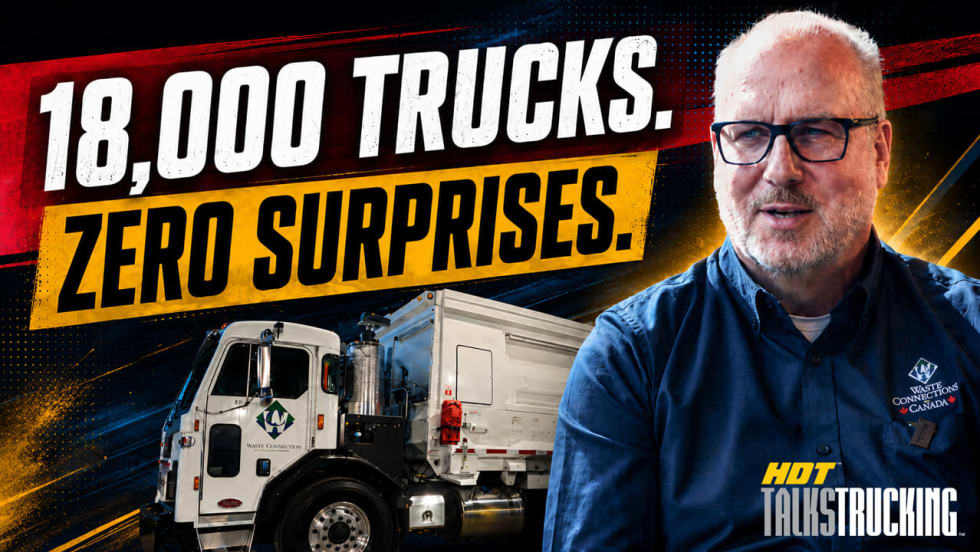
Why Fleet Data Matters More Than Ever at Waste Connections [Watch]
Waste Connections' Chuck Palmer explains how telematics, predictive maintenance, safety analytics, and AI help keep vehicles on the road and drivers safe in this episode of HDT Talks Trucking.
Read More →
NMFTA Launches Free, Anonymous Cybersecurity Threat Report Portal
Organizations are encouraged to anonymously report freight fraud, cargo crime, and cyber threats while gaining visibility into incidents reported across the transportation sector.
Read More →
AI Can Optimize a Fleet. Can It Replace Human Judgment?
Fleets fear falling behind if they don’t adopt AI quickly enough. They also fear what happens if the technology makes the wrong decision.
Read More →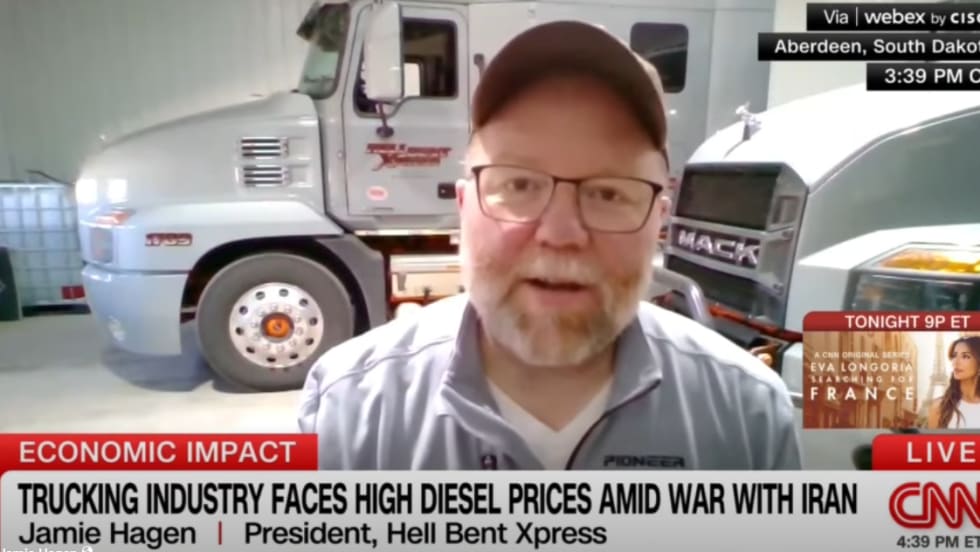
Jamie Hagen Gets Real About Running a Small Fleet in an Uncertain Economy
Small fleet owner Jamie Hagen says new legal risks, volatile fuel prices, and a changing freight market are forcing small carriers to rethink how they operate — and what they can afford.
Read More →
Jamie Hagen Gets Real About Freight, Fuel Prices, Safety, and Small-Fleet Survival
Running a small trucking fleet right now isn’t easy, especially right now. And Jamie Hagen doesn’t sugarcoat it.
Read More →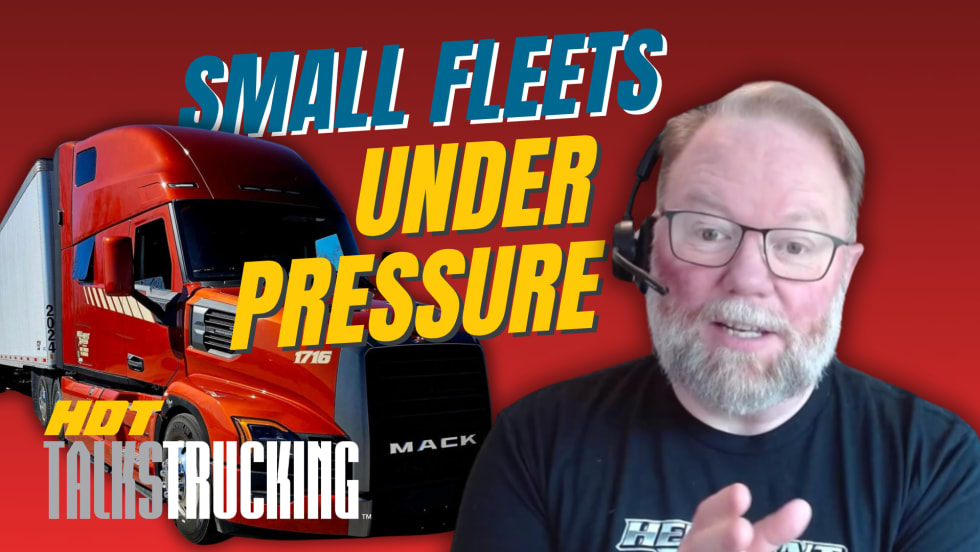
Jamie Hagen Gets Real About Freight, Fuel Prices, Safety, and Small-Fleet Survival
Running a small trucking fleet right now isn’t easy, especially right now. And Jamie Hagen doesn’t sugarcoat it.
Read More →
Data Lock‑In or Integration Lock‑Out?
Data fragmentation is costing dealerships, OEMs, fleets, and upfitters millions. Here’s why interoperability may be the fix the trucking industry needs.
Read More →