




Is Your Fuel Management Ready for Winter?
Every year the transportation industry faces new challenges during the winter months, and this year is no different

Every year the transportation industry faces new challenges during the winter months, and this year is no different.
Among those challenges, many states have mandated biodiesel blends while many have mandated idling restrictions. To add to that, fleet fuel prices are rising, and weather forecasters are predicting a colder and snowier winter than any in recent memory. And with the early showing of snowy weather in the mountain states, they may be right. Truck breakdowns are certainly more prevalent during the cold winter months, and proper care and maintenance is critical to keep your fleet rolling. Here are a few tips that can help you stay on the road with as few problems as possible:
• Fuel treatments and additives: For many years winter fuel was a blend of #2 diesel and #1 diesel or kerosene. Today there are many fuel additives that give you the same cold weather benefits at a fraction of the cost. Be sure the fuel in your bulk tanks is treated. If using a mobile fleet fueling service, ensure that they are treating during the cold weather months. Most do, but don't just assume. Ask if you are unsure. Retail and card lock fuel is treated for the area it is sold. Make sure your fuel is treated to be protected down to the coldest geographic areas that your trucks run.
• With the new bio fuels/biodiesel blends, always ask your supplier if they are using a bio fuels blend and if they are treating that fuel. Biodiesel is more difficult to treat for trouble-free winter use than low sulfur diesel or ultra-low sulfur diesel. An accepted method of fuel testing is for cloud point or CP. The newer method is to test for cold filter plugging point or CFPP. The CFPP is the lowest temperature at which fuel will still flow through a specific filter. Ask your supplier if they are performing either of these tests on the fuel you are purchasing and what the cold weather performance of their fuel is.
• Cold weather starting: In most states, with idling restrictions, the days of leaving a truck idle all night to ensure it makes its run in the morning are gone. Most have engine block heaters. These should be plugged in when the engine is still hot, as they are designed to maintain the engine's heat, not heat a cold engine. Instruct drivers not to cool down the engine before plugging in the block heater. However, make sure that they know to unplug the heater before starting, as the heaters can be severely damaged if left plugged in a running engine.
These few tips can make the difference between a go or no go situation, making that delivery commitment, or completing a run versus breaking down. Breakdowns during inclement weather are extremely dangerous. There are many great tips for proper fuel management systems in cold weather ,but the best tip is to increase driver awareness and subsequently hold them accountable for action or inaction.
Glen Sokolis is president of Sokolis Group, a nationwide fuel management and fuel consulting company, www.FuelManagementSokolisGroup.com. You can reach him at gsokolis@sokolisgroup.com or (267) 482-6160.
Previous installments of "Friday Fuel:"
* "Successful Fuel Management Program Equals Discipline", 9-11-09
* "Who's Watching Your Fuel Program," 9-18-09
* "Fleet Fuel Margins: Are You Paying Too Much?" 9-25-09
* "How Do You Audit Your Fleet Fuel Invoices?" 10-2-09
* "Fleet Fuel Price Negotiating: Details, Details", 10-9-09
* "Mobile On-Site Fueling", 10-16-09
* "The Bees Are Still Buzzing: Handling Fuel on a Daily Basis", 10-23-09
* "Fleet Fuel Card Shopping", 10-30-09
More Fleet Management

AUCTION OF EQUITY INTEREST IN HEAVY HAUL TRUCKING COMPANY!!
Mark your calendar: June 30, 2026 (10:00 a.m. PDT). MagnaTrans, LLC, a California limited liability company doing business as Magna Transportation Group is going to auction! Bid on a 37.5% ownership interest in this Rancho Cucamonga-based heavy haul and over-dimensional trucking company operating across California, Oregon, and Arizona. The equity interest will be sold to the highest bidder or bidders under Article 9 of the Uniform Commercial Code at 10:00 a.m. PDT.
Read More →
Volvo Trucks Adds Unattended Over-the-Air Software Update Capabilities
The latest evolution of Volvo’s over-the-air update technology allows software updates to run while trucks are parked, helping fleets keep vehicles current without disrupting operations.
Read More →
How Waste Connections is Using Data, Telematics, and AI
How do you manage and maintain more than 18,000 connected trucks? Data. Lots of it.
Read More →

Why Fleet Data Matters More Than Ever at Waste Connections [Watch]
Waste Connections' Chuck Palmer explains how telematics, predictive maintenance, safety analytics, and AI help keep vehicles on the road and drivers safe in this episode of HDT Talks Trucking.
Read More →
NMFTA Launches Free, Anonymous Cybersecurity Threat Report Portal
Organizations are encouraged to anonymously report freight fraud, cargo crime, and cyber threats while gaining visibility into incidents reported across the transportation sector.
Read More →
AI Can Optimize a Fleet. Can It Replace Human Judgment?
Fleets fear falling behind if they don’t adopt AI quickly enough. They also fear what happens if the technology makes the wrong decision.
Read More →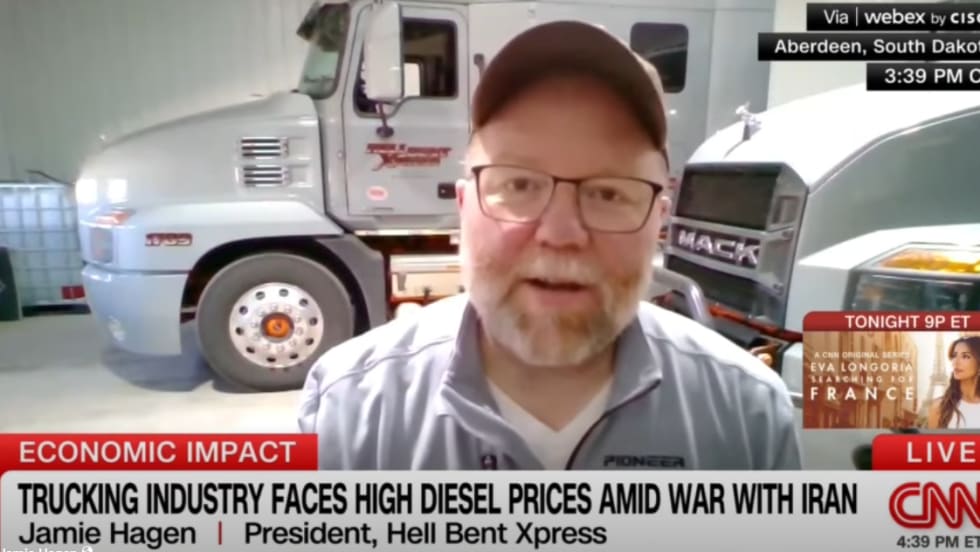
Jamie Hagen Gets Real About Running a Small Fleet in an Uncertain Economy
Small fleet owner Jamie Hagen says new legal risks, volatile fuel prices, and a changing freight market are forcing small carriers to rethink how they operate — and what they can afford.
Read More →
Jamie Hagen Gets Real About Freight, Fuel Prices, Safety, and Small-Fleet Survival
Running a small trucking fleet right now isn’t easy, especially right now. And Jamie Hagen doesn’t sugarcoat it.
Read More →
Jamie Hagen Gets Real About Freight, Fuel Prices, Safety, and Small-Fleet Survival
Running a small trucking fleet right now isn’t easy, especially right now. And Jamie Hagen doesn’t sugarcoat it.
Read More →
Data Lock‑In or Integration Lock‑Out?
Data fragmentation is costing dealerships, OEMs, fleets, and upfitters millions. Here’s why interoperability may be the fix the trucking industry needs.
Read More →