




Get More Work Out of Your Work Trucks
Maximizing fleet productivity starts with getting the most out of your vehicles
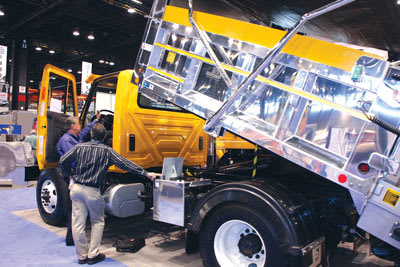
Trade shows like The Work Truck Show provide the opportunity to research new bodies, equipment and components from a number of manufacturers in a single location.
Maximizing fleet productivity starts with getting the most out of your vehicles.
To a large degree, the best approach is driven by the type of fleet you operate and its drive cycles. In many cases, you may find that different techniques are required for individual groups of trucks within your fleet.
Right-Sizing Your Vehicles
Making sure that you are using the right size vehicle for each application is a good starting point for optimizing vehicle productivity. If your trucks are fully loaded at the start of the day, but have to come back for a second load before the end of the shift, you may want to consider using larger trucks. This could save time and reduce total vehicle mileage. On the other hand, if your trucks start with a partial load and do not need to return during the day, consider using smaller, more fuel-efficient vehicles. Another right-sizing opportunity is to replace three trucks that operate in the same general area with two larger trucks. You may be able to equip the larger trucks with material-handling devices to speed up cycle times, making it possible to accomplish the same tasks in the same amount of time with one less vehicle.
If you are experiencing excessive down time and on-the-road breakdowns, your trucks may be overloaded or improperly designed for the application. This not only destroys your fleet's productivity, it is also dangerous and expensive. Take the time to learn how to properly match your trucks to your application before buying another vehicle.
Route Optimization
If your fleet makes route deliveries and / or pickups, closely review the routes your drivers are following. In many cases, routes just happen over a period of time and may not be efficient. If you suspect that this may be the case, take advantage of computer-based map programs to review various route options. If you are technology-savvy, you may even consider using computer-based modeling programs such as What's Best to model your vehicle's routes. Remember to consider combining existing routes by using larger or more efficient trucks.
Truck Body and Equipment Designs
Specialized truck bodies, mounted equipment and other accessories designed to make work trucks more productive are constantly being developed and improved. If you haven't updated your components in a while, you may not be using the best ones available for your application. Before you buy another truck, make a detailed review of your current and projected work truck requirements, and then determine if there are newer products available that could improve your trucks' productivity.
If you are not currently using specialized bodies or equipment, see what's available. A combination of increasing labor costs and the availability of new components may make it worthwhile to upgrade to more specialized truck bodies and equipment. Take the time to research what's available. This may mean talking to your local truck equipment provider; doing research on web sites such as NTEA.com; and/or attending a truck equipment trade show such as The Work Truck Show, where you can compare what's new from a number of manufacturers all in one place.
Reducing Stationary Fuel Consumption
One measure of productivity is the quantity of assets utilized to perform a specific task. This may be measured in hours of labor per unit, total cost per unit, or in the case of a work truck, gallons of fuel burned per task. The Department of Energy has estimated that the typical Class 6/7 work truck has an equivalent fuel economy of around six miles per gallon. In many cases, a significant portion of that fuel is burned in non-productive operation (idling) or while operating engine-driven auxiliary equipment (PTO operation). Anything you can do to reduce this type of engine operation will have a direct impact on your fleet's productivity. In addition, many cities, counties and even states have implemented idling restrictions for commercial vehicles. Expect even more areas to adopt these restrictions in the future.
Idle Reduction Technology - Many newer trucks can be programmed to automatically shut down the engine after a specified period of idling. Aftermarket systems are also available as well as systems that will automatically start an engine during PTO operations when there is a demand for power, and then shut it down after a specified period of no demand. In some operating cycles, these systems can produce significant reductions in non-productive engine operation.
Alternative Auxiliary Power Sources - The need for auxiliary power at a job site does not necessarily mean that you have to operate your truck's engine for extended periods of time. Many soft hybrid technologies provide auxiliary power on demand. These include electric PTOs (E-PTOs), battery-powered static inverters to provide commercial-quality AC electric power (120- and 240-volt) and auxiliary engine-driven systems. Auxiliary engine power systems are available to provide commercial-quality electricity, welding capabilities, hydraulic power, compressed air and even to support truck hotel loads (heating and cooling).
Cab Hotel Loads - In addition to the auxiliary engine-driven systems mentioned above, electric-powered (battery) systems are also available to support cab heating and cooling for shorter periods of time. Fuel-fired systems maintain not only cab heat, but also keep the engine water jacket warm and even pre-warm hydraulic fluids. These systems are very effective in cold climates and can maintain acceptable temperatures for extended periods of time while consuming a small fraction of the fuel that would be burned by operating the truck's engine.
Beyond the Truck
Looking beyond the truck itself, anything you can do to make your drivers more productive will help them accomplish more work in the same period of time. In certain operating and drive cycles, the use of telematics (including GPS systems) can significantly increase productivity. At the same time, some systems will allow you to monitor vehicle operation and identify potential problems before they result in on-the-road failures.
Electronic data collection and management systems allow for almost instantaneous collection and tracking of data in areas such as inventory control, job-specific component selection, and pickup and delivery. These technologies include radio frequency identification (RFID), optical bar code scanning, GPS location interface, and computer-generated parts picking lists. All of these systems are designed to improve inventory control and reduce the amount of time crews spend performing administrative functions. This, in turn, means less time chasing forgotten materials and more actual productive time.
All of these systems have been mainstream technologies for companies such as FedEx and UPS for a number of years. These technologies have proven effective and their cost has lowered, making them affordable to almost any company that could benefit from their use.
Productivity Can Help Green Your Fleet
There is no denying the fact that "green" is in. Many fleets have incorporated some type of mandate or purchasing philosophy to increase the green elements within their operations. Many of the same steps that improve fleet productivity also can contribute to greening your fleet. Using smaller vehicles, improving fuel utilization, reducing idle time and using lighter weight equipment for upfits all contribute to reducing fuel consumption and greenhouse gas emissions.
Over time, more productive vehicles will increase your overall fleet efficiency and save you money. As an added benefit, you may also be able to add a green story to your operation.
Robert "Bob" Johnson is director of fleet relations for the National Truck Equipment Association. Johnson will lead two different technical sessions on specifying work trucks, including fuel e
More Fleet Management
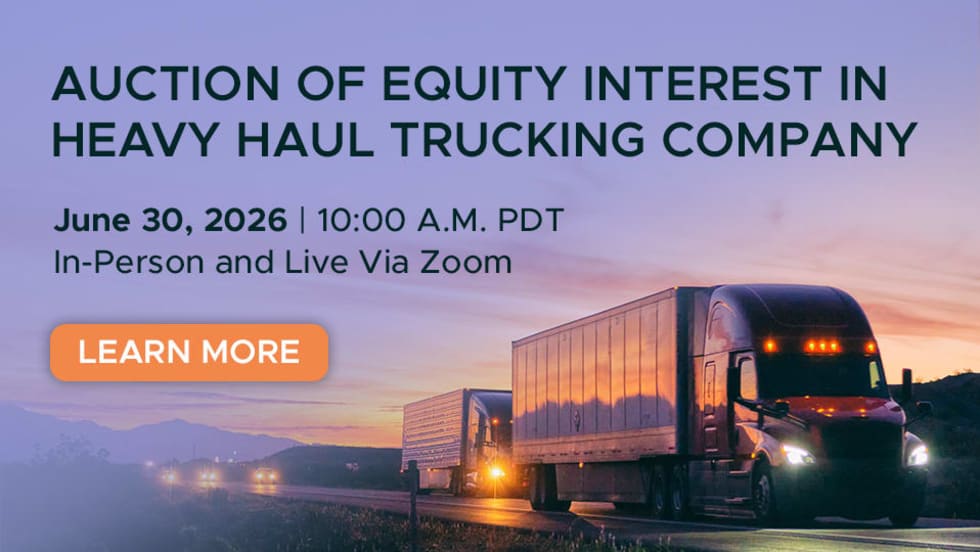
AUCTION OF EQUITY INTEREST IN HEAVY HAUL TRUCKING COMPANY!!
Mark your calendar: June 30, 2026 (10:00 a.m. PDT). MagnaTrans, LLC, a California limited liability company doing business as Magna Transportation Group is going to auction! Bid on a 37.5% ownership interest in this Rancho Cucamonga-based heavy haul and over-dimensional trucking company operating across California, Oregon, and Arizona. The equity interest will be sold to the highest bidder or bidders under Article 9 of the Uniform Commercial Code at 10:00 a.m. PDT.
Read More →
Volvo Trucks Adds Unattended Over-the-Air Software Update Capabilities
The latest evolution of Volvo’s over-the-air update technology allows software updates to run while trucks are parked, helping fleets keep vehicles current without disrupting operations.
Read More →
How Waste Connections is Using Data, Telematics, and AI
How do you manage and maintain more than 18,000 connected trucks? Data. Lots of it.
Read More →
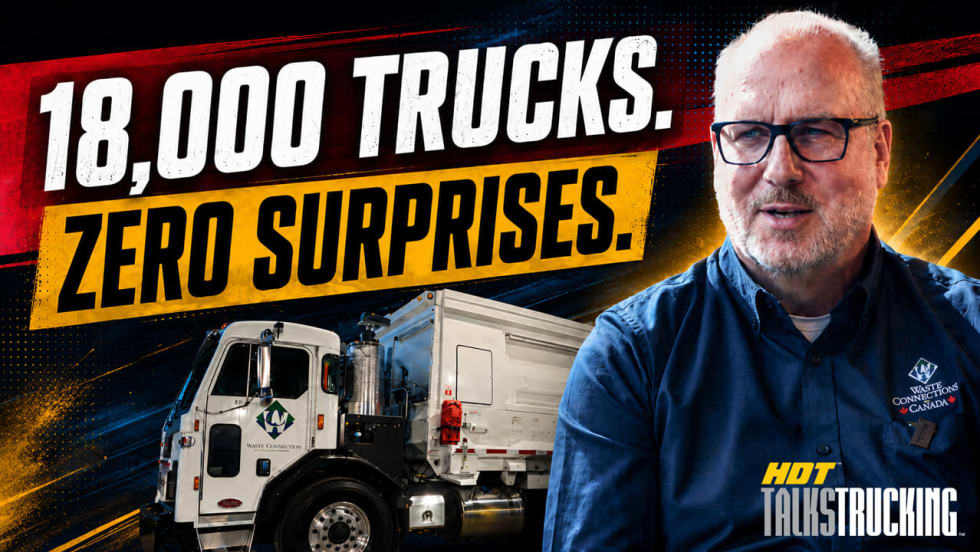
Why Fleet Data Matters More Than Ever at Waste Connections [Watch]
Waste Connections' Chuck Palmer explains how telematics, predictive maintenance, safety analytics, and AI help keep vehicles on the road and drivers safe in this episode of HDT Talks Trucking.
Read More →
NMFTA Launches Free, Anonymous Cybersecurity Threat Report Portal
Organizations are encouraged to anonymously report freight fraud, cargo crime, and cyber threats while gaining visibility into incidents reported across the transportation sector.
Read More →
AI Can Optimize a Fleet. Can It Replace Human Judgment?
Fleets fear falling behind if they don’t adopt AI quickly enough. They also fear what happens if the technology makes the wrong decision.
Read More →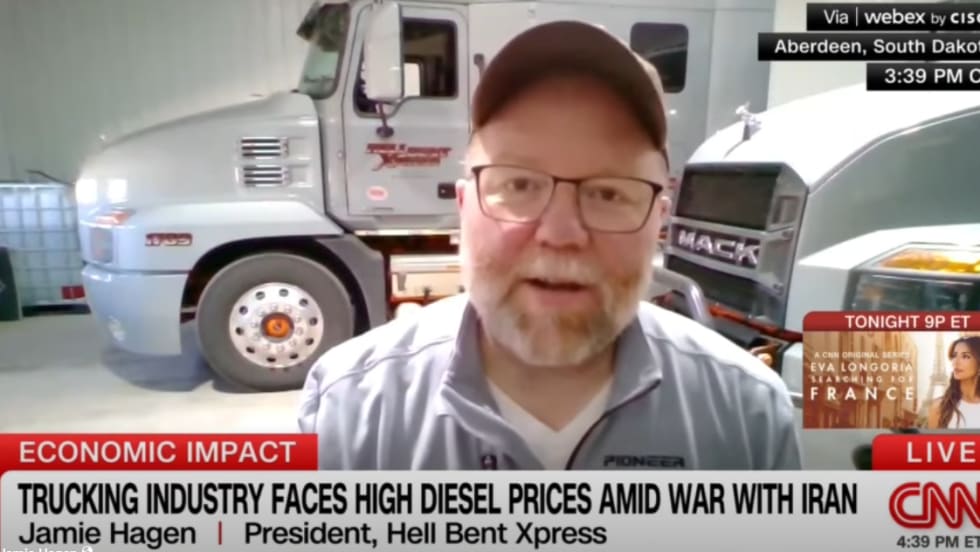
Jamie Hagen Gets Real About Running a Small Fleet in an Uncertain Economy
Small fleet owner Jamie Hagen says new legal risks, volatile fuel prices, and a changing freight market are forcing small carriers to rethink how they operate — and what they can afford.
Read More →
Jamie Hagen Gets Real About Freight, Fuel Prices, Safety, and Small-Fleet Survival
Running a small trucking fleet right now isn’t easy, especially right now. And Jamie Hagen doesn’t sugarcoat it.
Read More →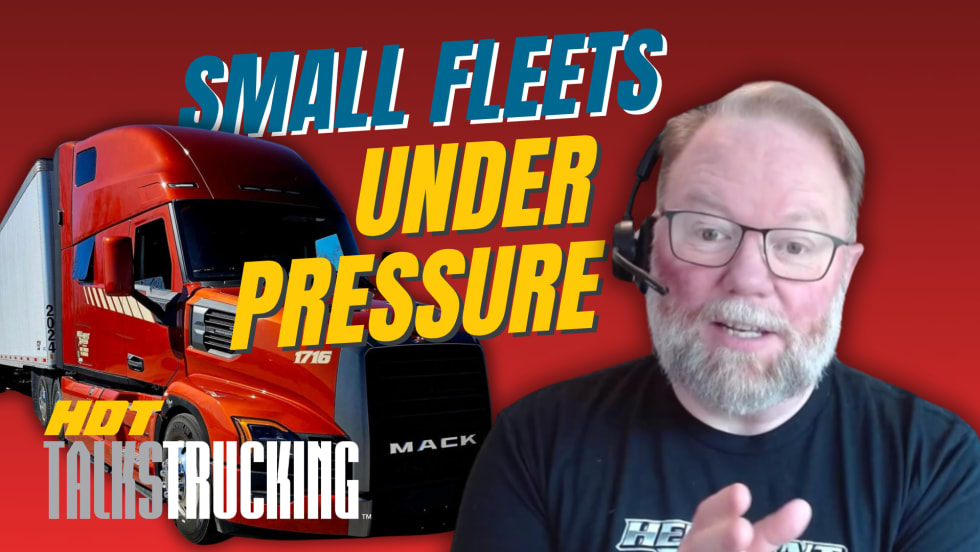
Jamie Hagen Gets Real About Freight, Fuel Prices, Safety, and Small-Fleet Survival
Running a small trucking fleet right now isn’t easy, especially right now. And Jamie Hagen doesn’t sugarcoat it.
Read More →
Data Lock‑In or Integration Lock‑Out?
Data fragmentation is costing dealerships, OEMs, fleets, and upfitters millions. Here’s why interoperability may be the fix the trucking industry needs.
Read More →