Report: Wholesale Truck Values Dropped More than Retail
Sleeper tractors lost about 30% of value at auction last year, say analysts at J.D. Power Valuation Services.
by Staff
January 19, 2017
J.D. Power publishes the NADA Used Car Guide, which includes commercial trucks.
2 min to read
J.D. Power publishes the NADA Used Car Guide, which includes commercial trucks.
Large supplies of used commercial trucks contributed to wholesale depreciation that was considerably greater than retail depreciation in 2016, according to analysts at J.D. Power Valuation Services. Compared to 2015, trucks brought 30% less at auction and 13% less at retail.
Ad Loading...
Sleeper tractors lost about 30 percent of value at auction last year, says Power’s monthly Guidelines report. Medium-duty trucks were relatively strong in 2016, with both low-cab-forwards and conventionals outperforming heavier conventionals.
Ad Loading...
Sleeper-cab tractors
In December of 2016, auction volume of Power’s benchmark group of sleeper tractors finished out similar to November, with a large volume of 2011 Cascadias sold through one auction company balanced out by lower volume of other models. Specific auction performance of the benchmark model was:
MY2013: $30,992 average; $6,508 (or 17.4%) lower than November
MY2012: $27,768 average; $3,340 (13.7%) higher than November
MY2011: $24,966 average; $1,348 (5.7%) higher than November
Depreciation generally accelerated in the second half of 2016. From January to December, trucks of model year 2013 lost about 22% of their value, trucks of model year 2012 lost about 37%, and trucks of model year 2011 lost about 32%. These figures translate to an overall monthly loss of about 2.5%, compared to Power’s early estimate of 3%, the report said.
Few changes in Q1 and Q2
Ad Loading...
Few changes in the market the first half of 2017 are expected. Returning supply remains substantial, and economic changes won't take effect until later in the year, said Chris Visser, senior commercial truck analyst at Power.
"Based on deliveries of new trucks over the past five years, we expect an increase in returning supply of trucks in 2017,” he said. “It is likely that OEMs are already stockpiling some quantity of these trucks, keeping them out of the marketplace until conditions potentially change.
"General economic conditions should continue to gradually improve in the first two quarters of 2017,” Visser continued. “After that, drastic changes the new administration plans in the trade and manufacturing sectors should start to create a different landscape…an increase in import tariffs looks very likely, and a shift towards domestic manufacturing should be a longer-term trend.
“Both of these factors will make raw materials, finished goods, and the cost of production more expensive, limiting expansion. On the other hand, increased domestic manufacturing will improve demand for deliveries of materials, which benefits the trucking industry."
March trailer orders posted an unexpected monthly jump, but demand still trails historical norms as fleets prioritize power units over trailing equipment.
A new autonomous truck startup company is targeting yard, port, and short-haul freight with a lighter, fully autonomous platform designed for dock-to-dock moves.
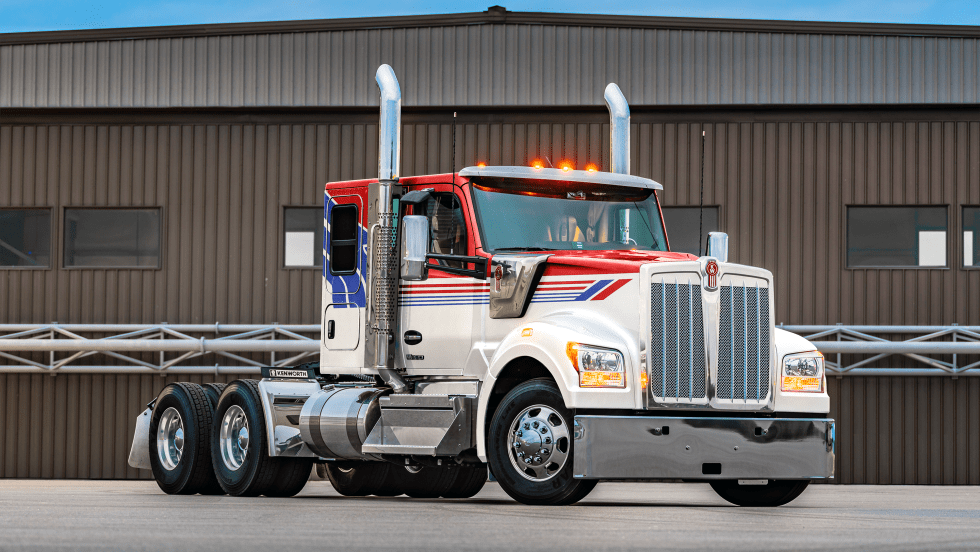
Kenworth has released a factory-installed reinforced front frame option for T880 models, designed to simplify upfits, cut costs, and speed time to service.
Stoughton’s new refrigerated trailer platform delivers double-digit efficiency gains while a next-generation rear impact guard exceeds current crash standards.
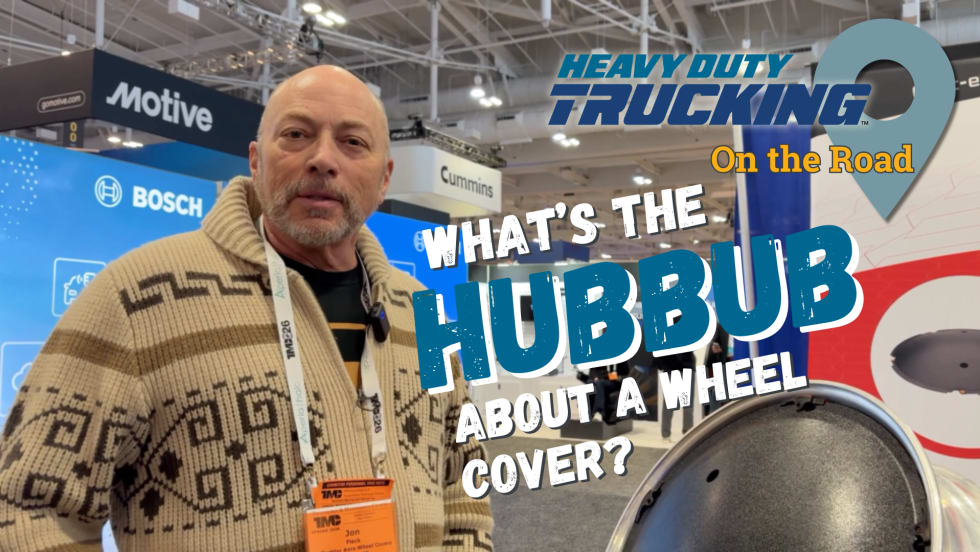
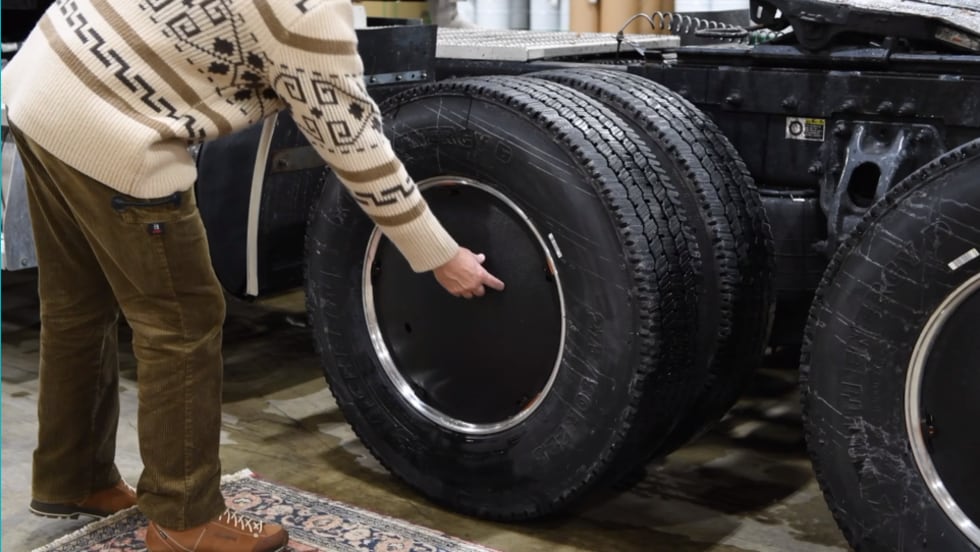
Watch to learn how Deflecktor's new wheel cover design is taking a simpler approach to aerodynamics, with an eye toward making it more practical for both trucks and trailers.
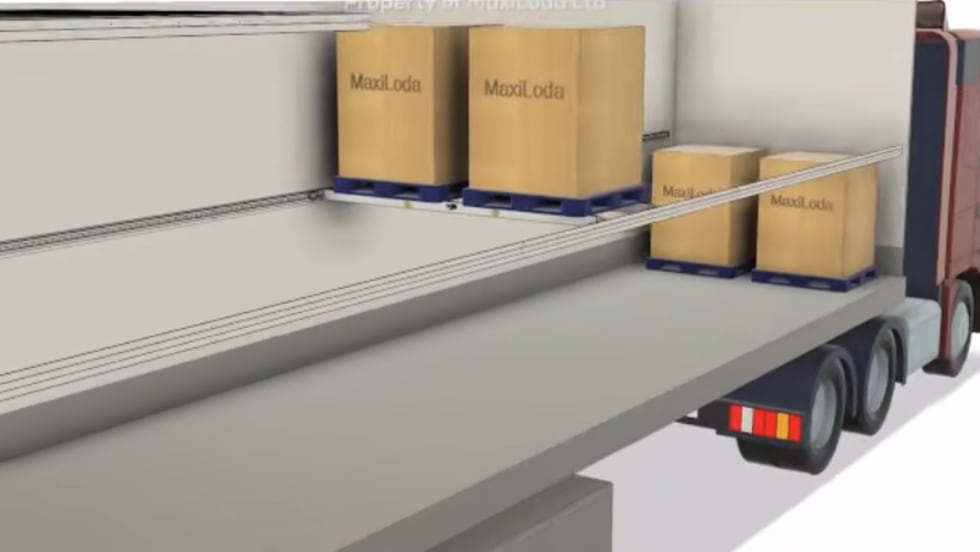
By turning unused vertical space into usable capacity, Maxiloda’s Glide system helps fleets move more freight per trip while reducing loading risks and equipment damage.
Aerodynamic wheel covers can deliver small but meaningful fuel-economy gains for fleets, and Deflecktor says its latest design aims to make the technology easier and more affordable to deploy.