




Related: Trailer Aerodynamics Not Overly Popular, Study Shows
Trailer Orders Are Up but Still Below Last Year’s Levels
Preliminary numbers for U.S. net trailer orders are projected to be up in August after weak order numbers in July, according to ACT Research.
by Staff
September 13, 2016
1 min to read
Preliminary numbers for U.S. net trailer orders are projected to be up in August after weak order numbers in July, according to ACT Research.
ACT is projecting trailer orders of 15,300 units, up from a dismal 10,147 orders in July. July was the weakest order month since January 2010 and was down nearly 25% from June.
“Volume rebounded in August after a dramatically weak July,” said Frank Maly, ACT’s director of commercial vehicle transportation analysis and research. “While the 50% month-to-month gain for the industry was certainly welcome news, that progress is somewhat tempered by the year-over-year performance; net orders are down almost 38% versus August 2015.”
While August is typically a modest month for orders, the weak numbers so far compared with last year could indicate that fleets are cautious about committing to new trailer orders into next year.
“Year-over-year performance implies caution by fleets regarding their investment commitments, and likely sets the industry up for a restrained 2016/17 order season,” said Maly. “Initial reports also indicated higher cancellation activity in August, a further indication of shifting fleet intentions.”
Analysts at Stifel Transportation and Logistics expect September orders to increase over August but said they will still fall short of last year’s numbers. Manufacturers will more fully open their order books for 2017 in September to fleets.
More Equipment
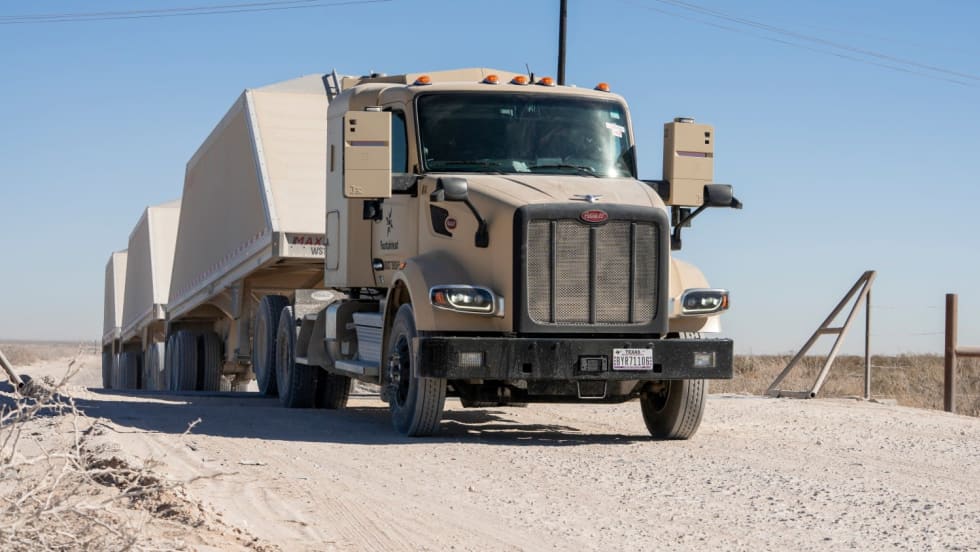
Atlas Expands Kodiak Driverless Truck Fleet in Permian Basin
Atlas Energy Solutions is expanding autonomous frac sand hauling in the Permian Basin with a second load-out location and plans for 100 driverless trucks by mid-2027.
Read More →
Putting Mack’s Command Steer to the Test
A test drive of Mack’s Command Steer active steering system evaluates how it can make truck driving easier and less tiring.
Read More →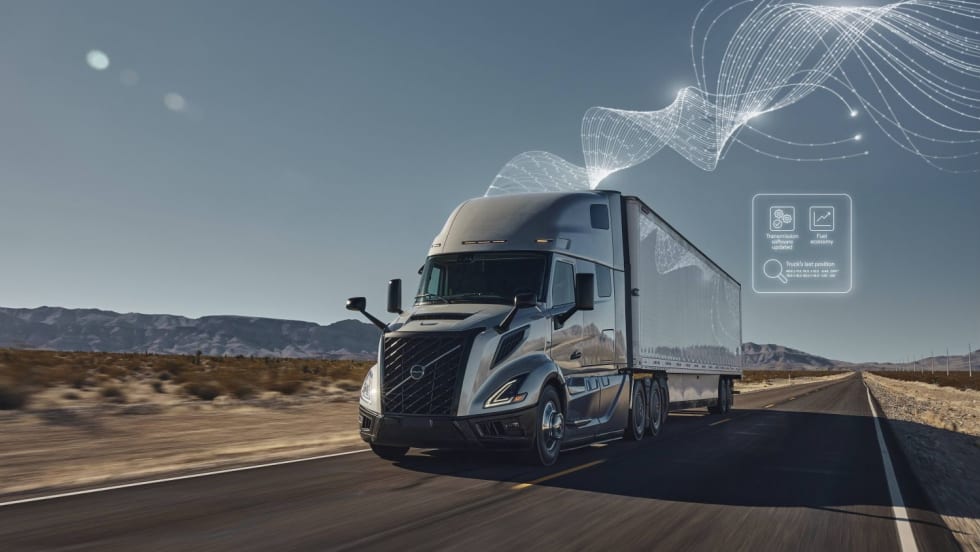
Mack, Volvo Expand DEF Derate Software Updates
The updated software gives Mack and Volvo truck owners more time to address DEF-related issues before the engine derates or the vehicle goes into reduced-speed inducement, following new EPA guidance.
Read More →
Rush, MCT Team Up to Grow Refrigeration Service Network
The joint venture will operate MCT's network of Carrier Transicold dealerships and mobile service locations, with the companies promising greater service capacity and uptime for refrigerated fleets.
Read More →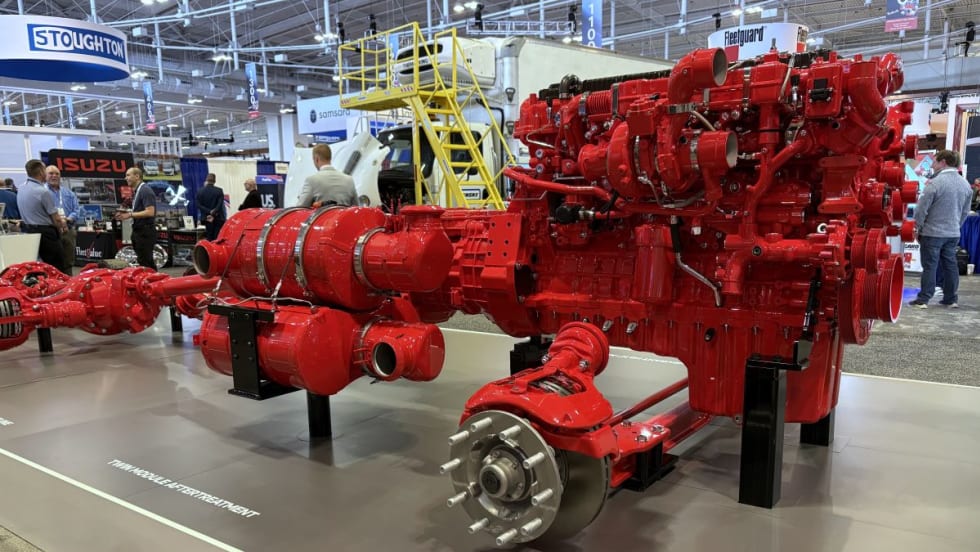
Cummins Adjusts 2027 Engine Rollout After EPA Proposal
The engine maker will gradually introduce its new Model Year 2027 diesel engines while continuing to offer current models during the transition, citing the EPA's proposed emissions rule changes.
Read More →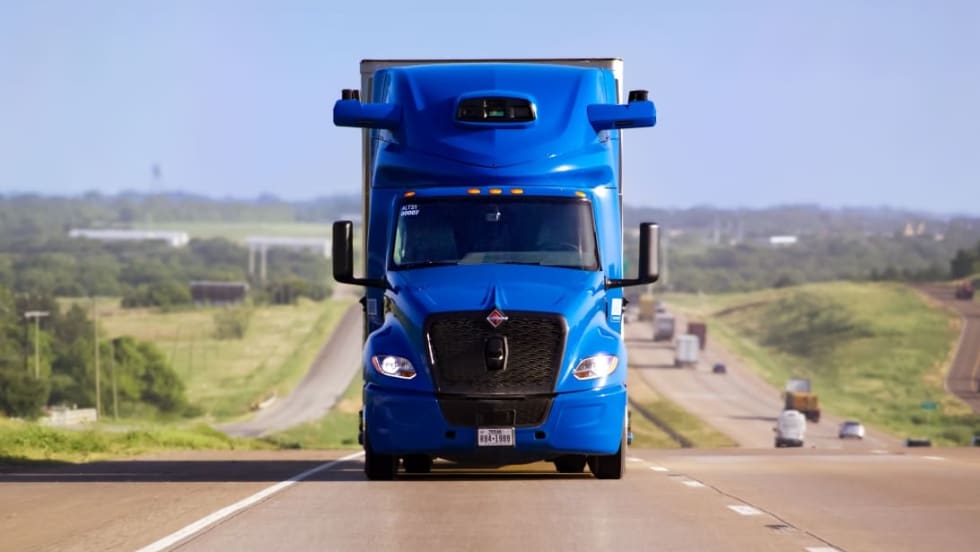
Aurora Rolls Out Next Generation of Driverless Trucks for Commercial Freight
Aurora's latest autonomous trucks it's rolling out with International feature lower-cost hardware designed for a million miles as the company expands commercial driverless freight operations across the U.S. Sun Belt.
Read More →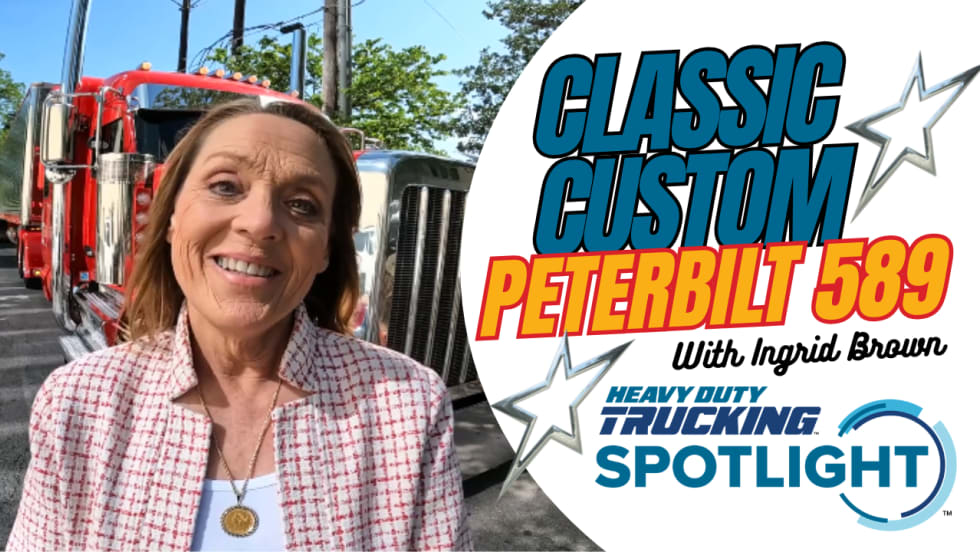
Peterbilt 589 Spotlight: A Close Look at a Custom Working Truck [Video]
There's more to this customized Peterbilt Model 589 and Great Dane refrigerated trailer than chrome and stainless (although there's plenty of that too!) A veteran driver explains the design choices and practical features behind this working truck.
Read More →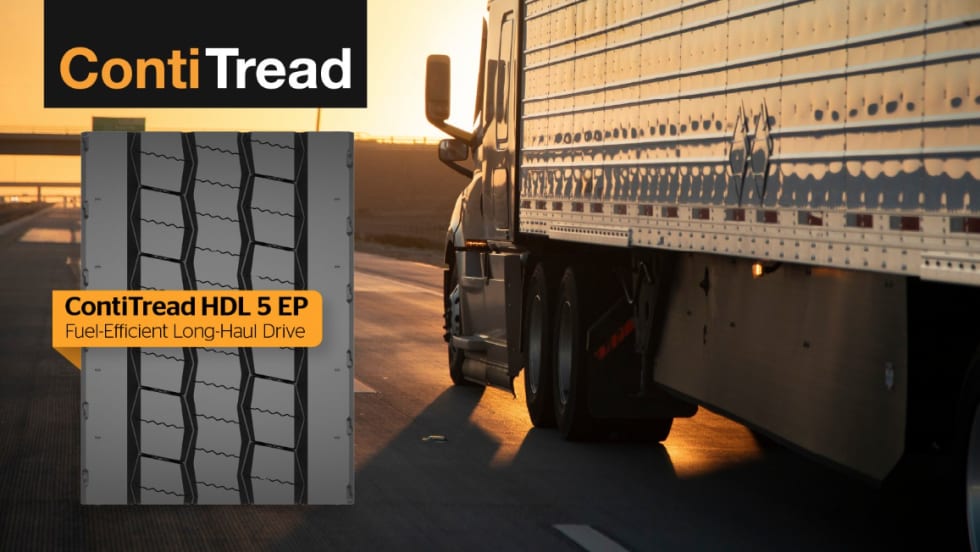
Continental Expands Retread Lineup With New ContiTread HDL 5 EP
New long-haul drive retread is designed to improve fuel efficiency, extend tread life, and lower fleets' cost per mile.
Read More →
EPA Proposal Could Ease 2027 Truck Costs and Buying Uncertainty
The proposal doesn't change the tougher NOx standard, but it would revise key implementation requirements that manufacturers say have driven up costs and complicated fleet purchasing decisions.
Read More →
Cummins, Paccar Ease DEF Derates After EPA Guidance
Updated diesel engine software gives truck operators more time to address emissions-system issues while staying compliant with EPA emissions standards.
Read More →