




Navistar Adopts New Plan Replacing 'Poison Pill'
Truck and engine maker Navistar International on Tuesday said its board of directors has amended the company's stockholder rights plan, also known as a "poison pill," giving it a new protection against someone acquiring a significant portion of the company.


Truck and engine maker Navistar International on Tuesday said its board of directors has amended the company's stockholder rights plan, also known as a "poison pill," giving it a new protection against someone acquiring a significant portion of the company.
"This tax asset protection plan was adopted to protect the long-term value of Navistar's substantial tax assets," Navistar said in a release. It will expire on September 1. The existing stockholder rights plan was to expire on July 1.
The current plan was first adopted in June 2012 and exempted any person or group from owning 15% or more of the company's common stock. That plan was amended in July 2013 with the exemption increased to 19.99% and the expiration extended to June 18, 2015. On June 17, 2014, the plan was further amended to have the plan expire on July 1, 2014. At the company's annual meeting of stockholders in March 2014, a non-binding advisory vote to terminate the stockholder rights plan was proposed and overwhelmingly approved.
"Since the inception of the stockholder rights plan, the Navistar board has regularly reviewed the plan to determine its alignment with the best interests of the company," said James Keyes, Navistar board of directors non-executive chairman. "In adherence with corporate governance best practices and with the consideration of the input of our shareholders, we believe the existing stockholder rights plan should be removed, but at the same time, it is appropriate to implement this tax asset protection plan."
Navistar said the tax asset protection plan was adopted to protect its valuable tax assets by reducing the likelihood of an unintended "ownership change" under IRS guidelines. This plan is similar to tax protection plans adopted by other public companies with significant tax attributes, according to Navistar. As of October 31, 2013, Navistar had a federal net operating loss carry forward of approximately $1.8 billion.
It claims under IRS rules, the use of the company's net operating loss and other carry forwards would be limited in the event of an "ownership change," which is defined as a cumulative change of more than 50% during any three-year period by stockholders owning 5% or more of the company's stock.
Navistar said the tax asset protection plan is designed to discourage any person or group from becoming a 5% stockholder, thereby reducing the risk of such an ownership change.
"There is no guarantee, however, that the plan will prevent the company from experiencing an ownership change, and the company may pursue additional means of protecting this substantial asset," Navistar said.
Existing stockholders holding 4.99% or more of the company's outstanding shares of common stock are exempt from the provisions of the plan unless they make additional purchases, according to Navistar.
More Equipment

Great Dane Flatbed Trailer Offers Light Weight and Strength
Freedom Ultra is designed for a wide range of open-deck applications, including building materials, lumber, machinery, steel products, industrial freight, and coil hauling.
Read More →
What It's Like Inside this Custom 2025 Peterbilt 589?
Take a driver's-eye tour of this customized 2025 Peterbilt 589 in this video, as longtime driver Ingrid Brown explains its features, compares it to previous models, and shares plenty of personality along the way.
Read More →
Drivers Put Western Star Trucks to the Test at Star Nation Experience
Watch to get an inside look at the Western Star trucks, technology, and community behind the Star Nation Experience 2026!
Read More →
Atlas Expands Kodiak Driverless Truck Fleet in Permian Basin
Atlas Energy Solutions is expanding autonomous frac sand hauling in the Permian Basin with a second load-out location and plans for 100 driverless trucks by mid-2027.
Read More →
Putting Mack’s Command Steer to the Test
A test drive of Mack’s Command Steer active steering system evaluates how it can make truck driving easier and less tiring.
Read More →
Mack, Volvo Expand DEF Derate Software Updates
The updated software gives Mack and Volvo truck owners more time to address DEF-related issues before the engine derates or the vehicle goes into reduced-speed inducement, following new EPA guidance.
Read More →
Rush, MCT Team Up to Grow Refrigeration Service Network
The joint venture will operate MCT's network of Carrier Transicold dealerships and mobile service locations, with the companies promising greater service capacity and uptime for refrigerated fleets.
Read More →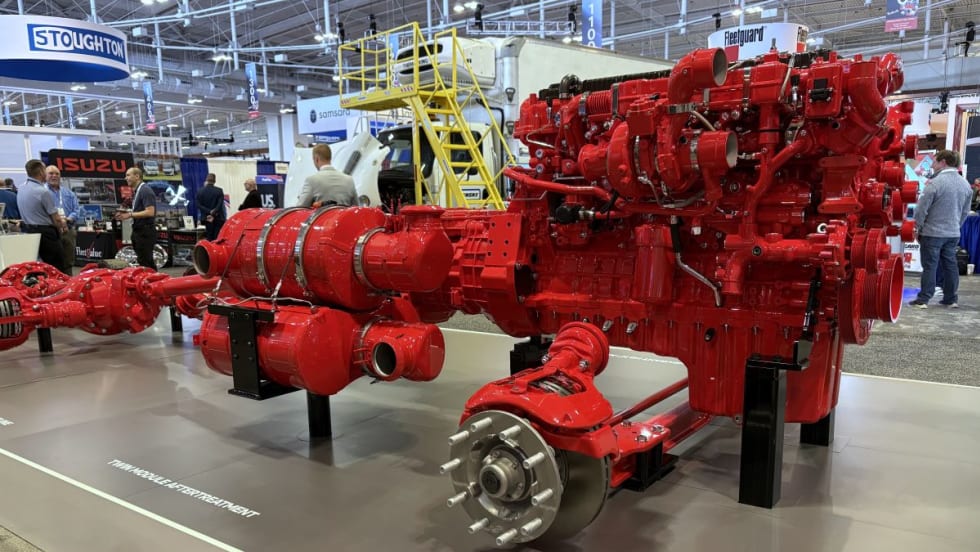
Cummins Adjusts 2027 Engine Rollout After EPA Proposal
The engine maker will gradually introduce its new Model Year 2027 diesel engines while continuing to offer current models during the transition, citing the EPA's proposed emissions rule changes.
Read More →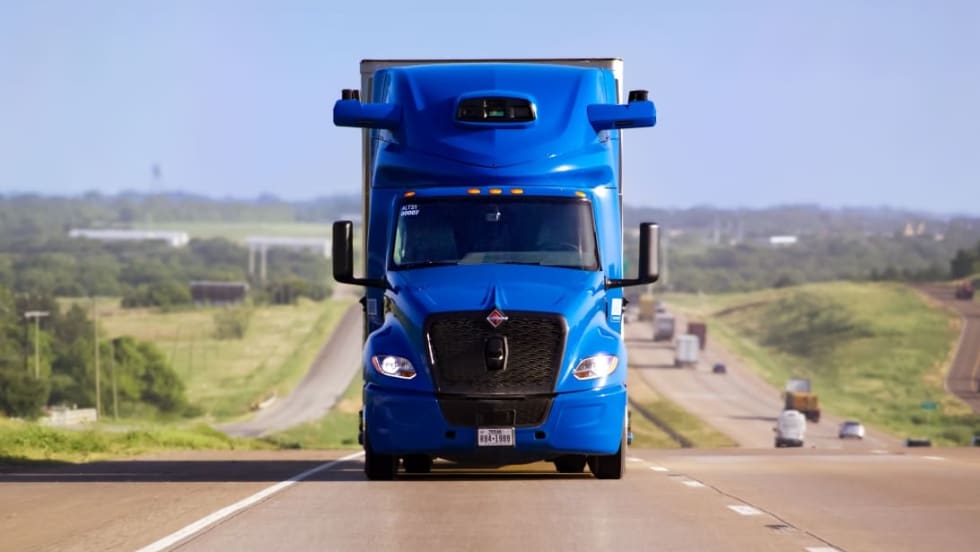
Aurora Rolls Out Next Generation of Driverless Trucks for Commercial Freight
Aurora's latest autonomous trucks it's rolling out with International feature lower-cost hardware designed for a million miles as the company expands commercial driverless freight operations across the U.S. Sun Belt.
Read More →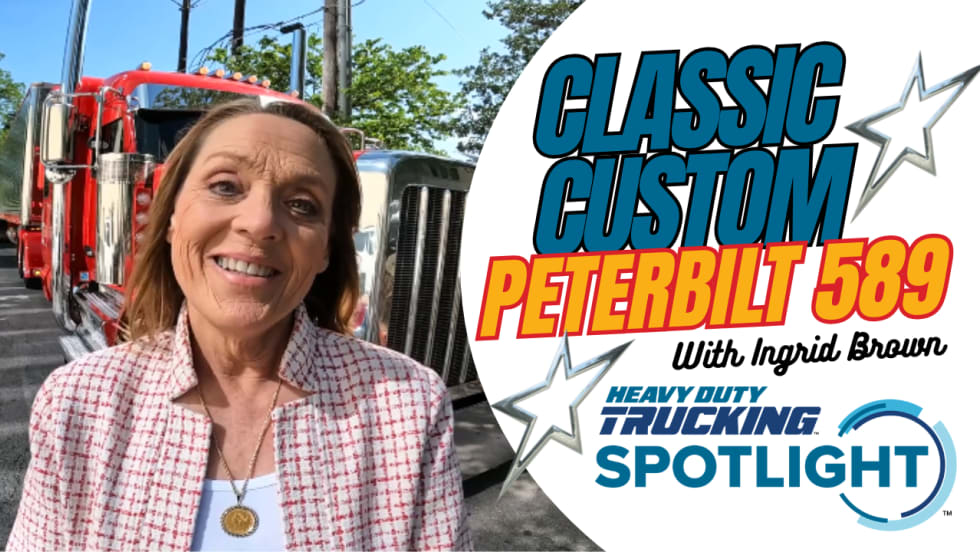
Peterbilt 589 Spotlight: A Close Look at a Custom Working Truck [Video]
There's more to this customized Peterbilt Model 589 and Great Dane refrigerated trailer than chrome and stainless (although there's plenty of that too!) A veteran driver explains the design choices and practical features behind this working truck.
Read More →