




Frost & Sullivan: By 2018 One in Three Trucks to Feature Platform-Based Lineage
Global heavy-duty truck production from global truck platforms is forecast to reach approximately 612,000 units by 2018, which would nearly double global platform-based truck production levels from 2011, according to analysis by research firm Frost & Sullivan
Global heavy-duty truck production from global truck platforms is forecast to reach approximately 612,000 units by 2018, which would nearly double global platform-based truck production levels from 2011, according to analysis by research firm Frost & Sullivan.
The study, Strategic Analysis of Platform Strategies of Major Heavy-Duty Truck Manufacturers, delves into the global platform strategies of major heavy-duty OEMs headquartered in Europe, North America, China and India.
"Markets considered as an afterthought a few decades ago are now dictating the course of global commercial vehicle demand and industry's growth," writes Sandeep Kar, global director of commercial vehicle research, in an online article.
The trend toward global vehicle platforms is so new, Kar says, there is no harmonized definition that exists among OEMs," Kar notes. "This led the research team to create a globally standardized definition based on the unique definitions that each OEM seems to use."
By Frost & Sullivan's definition, a global truck platform can be termed as "a single set of common design, engineering, and manufacturing elements shared between different products/ brands/ marquee within the same organization or between organizations."
"The global heavy-duty truck market by and large was region-focused till about the middle of the last decade," explains Frost & Sullivan Senior Research Analyst Ananth Srinivasan. "With the exception of a few European OEMs, such as Daimler and Volvo, selling a share of trucks in non-triad markets, there was not much local production or development related activity. Also, the local OEMs from triad markets, although highly ambitious, had little to no opportunity of selling trucks in foreign markets." (The triad refers to the three developed markets of Japan, North America and Western Europe.)
By 2018, however, an average 30% of all heavy-truck production of top-12 key global OEMs will be based on global platforms, say Frost & Sullivan analysts. By the same year, 29 heavy-duty truck models globally will be based on global platforms. Half of the top 12 OEMs will in effect increase the number of dedicated global platforms, while the remaining half will rely heavily on the global platforms that are currently available. While the weighted average number of distinct platforms per OEM, which stands at five, is declining, the weighted average number of global platforms, which stands currently at 2.1, is on the rise.
"Daimler, Volvo and MAN are expected to derive tremendous benefits from their investments in platform-based global truck production, while Scania will continue excelling in platform-based truck production from a qualitative perspective and will continue to remain the leader in this field," Srinivasan says. "In North America, though, the success potential of such platforms is low due to the dominance of conventional designs."
This is creating hurdles for European and Asian OEMs, which tend to produce cabovers, looking to bring global platforms into North America. However, such barriers are not preventing OEMs such as Daimler and Volvo from increasingly sharing technologies, components, modules and systems between global platforms and regional North American platforms, in areas ranging from powertrain to chassis, from safety technologies to telematics.
"Global platform development and execution may appear to be just a triad OEM strategy to penetrate growth markets, reduce manufacturing costs and complexity in domestic and global markets, and enhance margins; but in reality this strategy is also being feverishly pursued by BRIC (Brazil, Russia, India and China) OEMs to develop truck models for both developing and developed markets," Srinivasan says.
"A look into platforms of TATA, DongFeng, CNHTC, Foton, among others, will show that platform-based models such as PRIMA, Tianlong, SITRAK, Howo, Auman GTL and others will play a much greater role in markets as diverse as Asia-Pacific, Africa, Middle East and South America. These platforms and markets will also hold the potential to enter European and North American markets by 2020."
It will become imperative that OEMs do not remain myopic in developing these platforms for triad and BRIC markets alone, Srinivasan says. Even if the BRIC and triad markets are slowly approaching market maturity, Next-11 and African markets are getting ready for their emergence, making it important for OEMs to encompass these potentially lucrative truck markets in developing global platform strategies for the next 10 to 20 years.
More Equipment
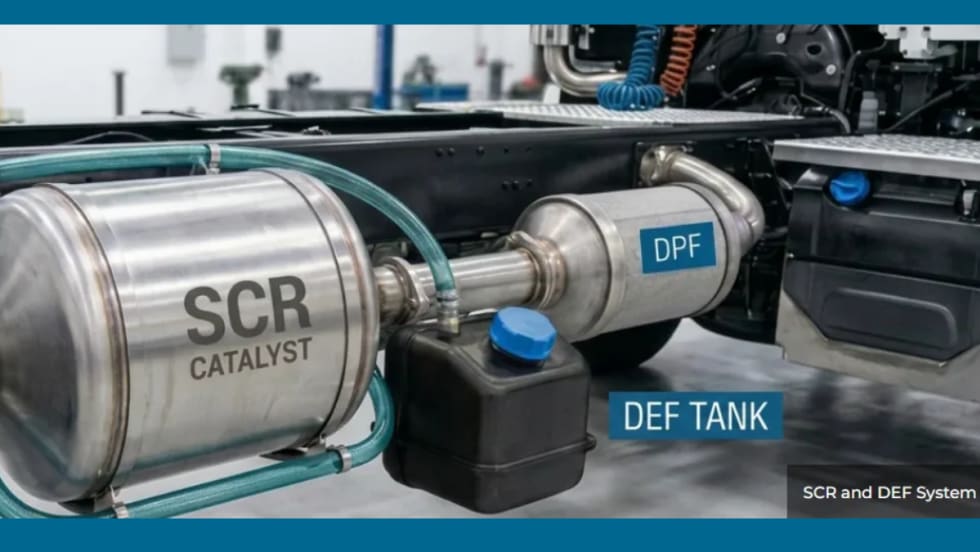
Engine Technology Forum Launches SCR, DEF Resource Center Amid Emissions Debate
The Engine Technology Forum’s new online hub aims to provide fleets, policymakers, and equipment owners with fact-based information about selective catalytic reduction technology, diesel exhaust fluid and emissions compliance.
Read More →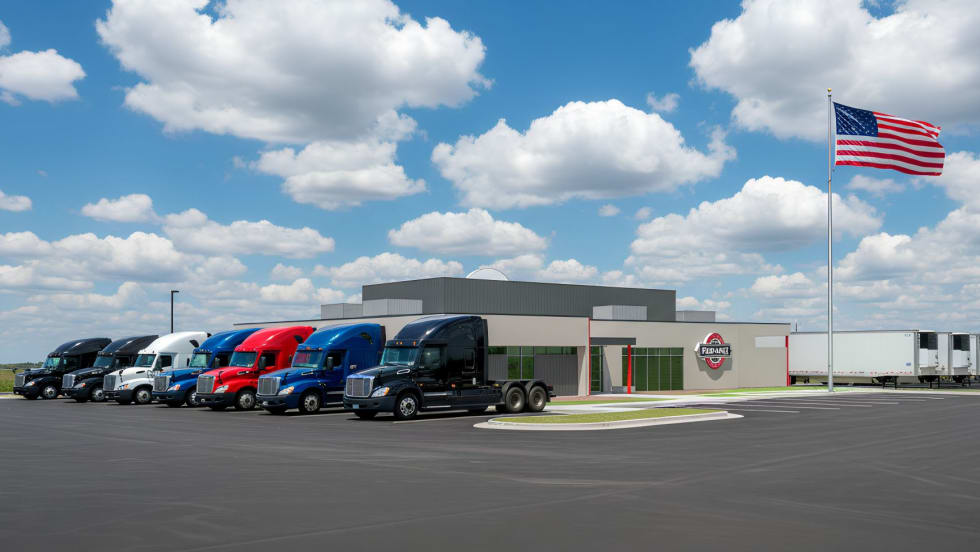
Prime Inc. to Open $7.9M Flagship Used-Truck Dealership
A new driver-focused facility to sell Prime Inc's used trucks and trailers will be the first purpose-built location in the company's history.
Read More →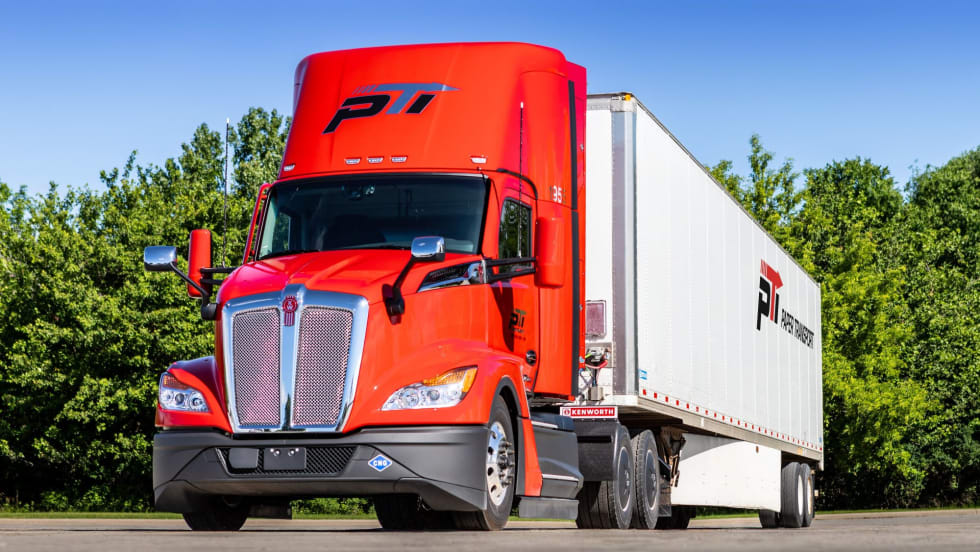
Lessons Learned About Alternative Fuels: Start Small, Stay Flexible
Practical advice on adopting alternative fuels and ZEVs from HDT's 2026 Top Green Fleets, from renewable diesel and natural gas to electric trucks.
Read More →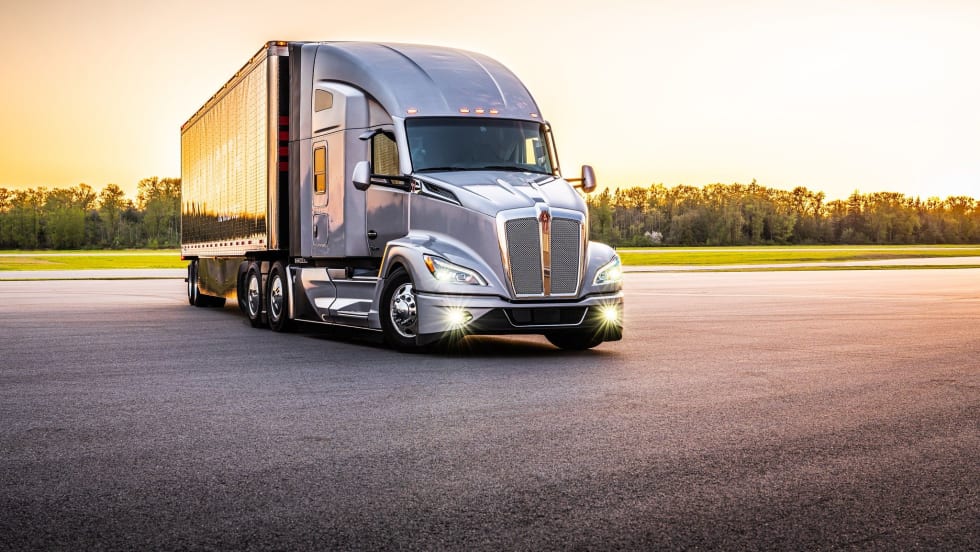
Kenworth Names Peter Ahrens General Manager
Leadership changes at Kenworth take effect July 1 as the OEM promotes two longtime Paccar executives to key management roles.
Read More →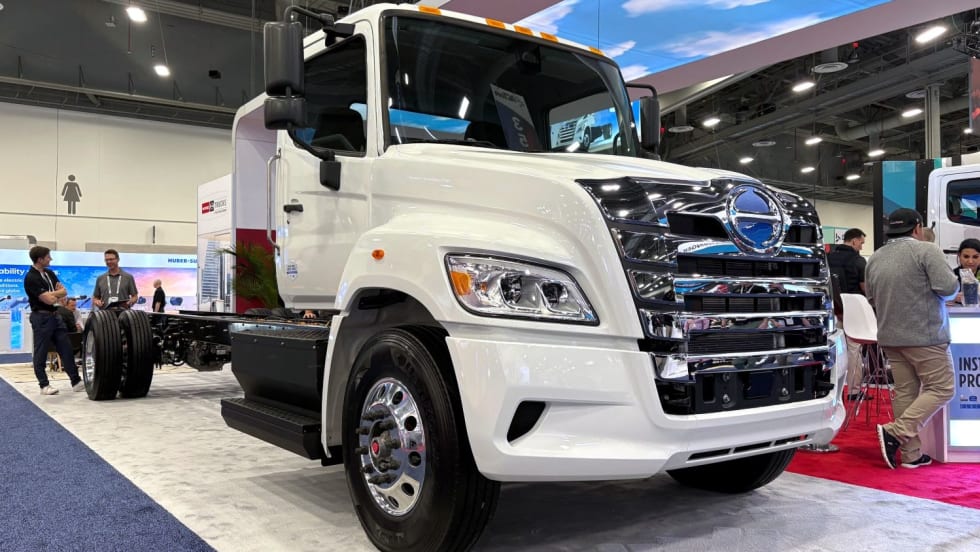
Hino Adds Electric Class 6/7 Truck
Hino says the Le Series is an important step in the company's efforts to reduce environmental impact and support its customers’ sustainability goals.
Read More →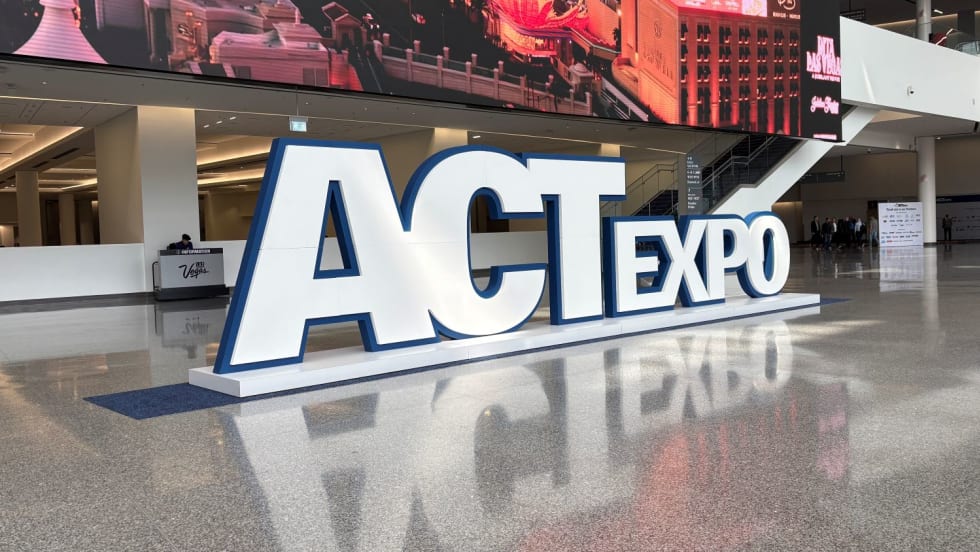
ACT Expo 2026: Highlights in Photos
The 2026 Advanced Clean Transportation Expo featured a broad range of commercial vehicle technologies, from EVs to autonomous trucks to the latest diesel and alternative-fuel engines.
Read More →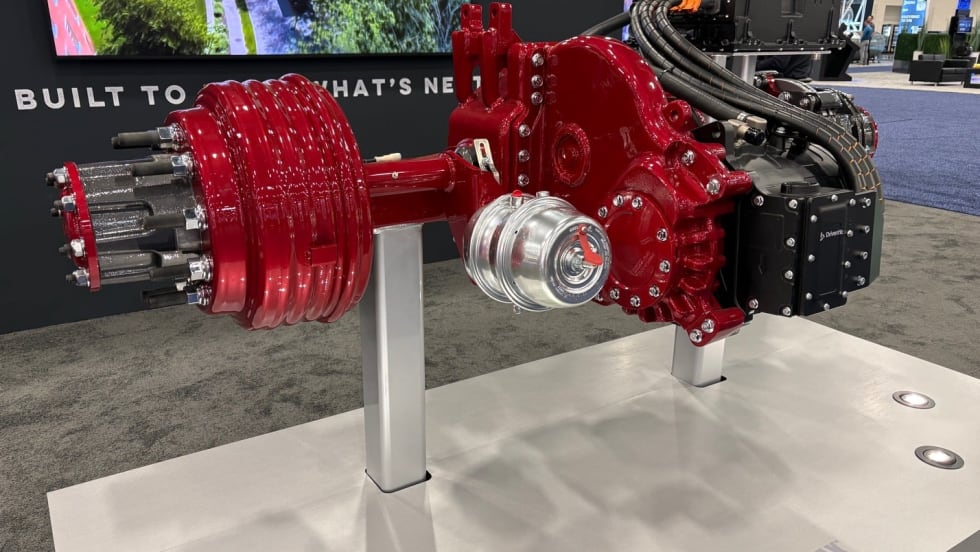
Hendrickson Debuts Electraax E-Axle for Medium-Duty Trucks
Developed with Driventic, Hendrickson's new integrated e-axle is designed to improve efficiency, reduce weight, and extend range in Class 6-7 EV applications.
Read More →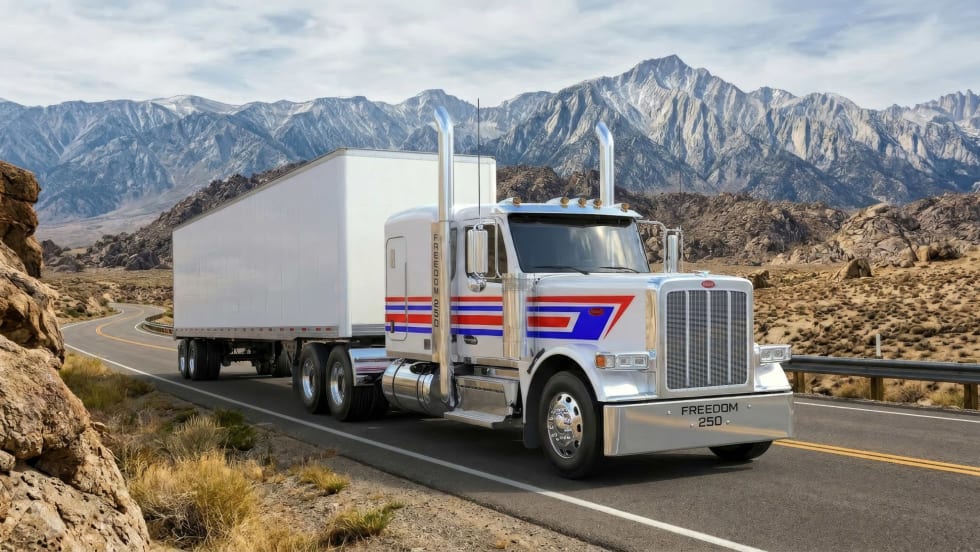
Peterbilt Unveils Freedom 250 Special Edition Model 589
Peterbilt’s just-announced limited-run patriotic Model 579 tractor celebrates America’s 250th birthday with custom styling and premium features.
Read More →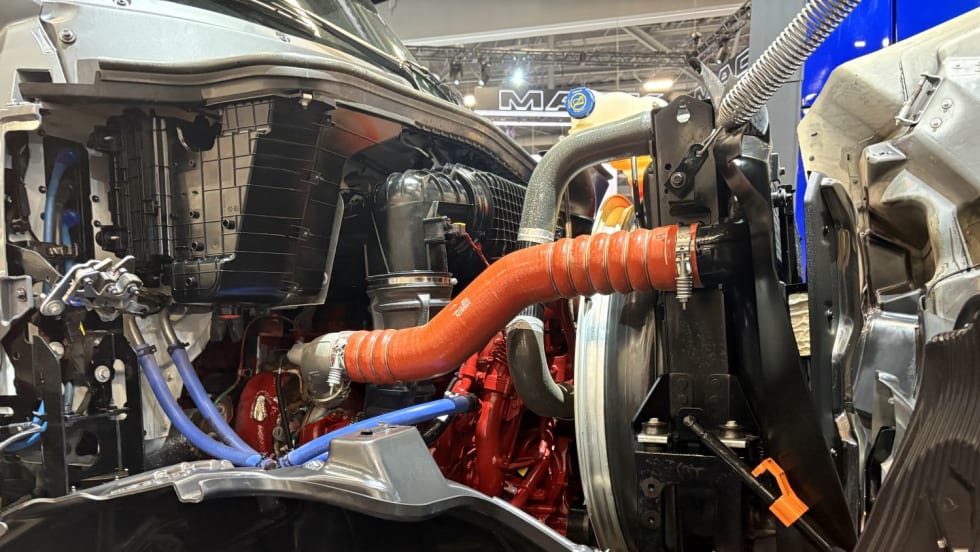
Mack Unveils EPA 2027-Compliant MP13 Engine With More Power, Better Fuel Economy
Along with unveiling its EPA 2027-compliant MP13 engine, Mack outlined powertrain changes across its Class 6-8 lineup, including new Cummins-based X10 engines.
Read More →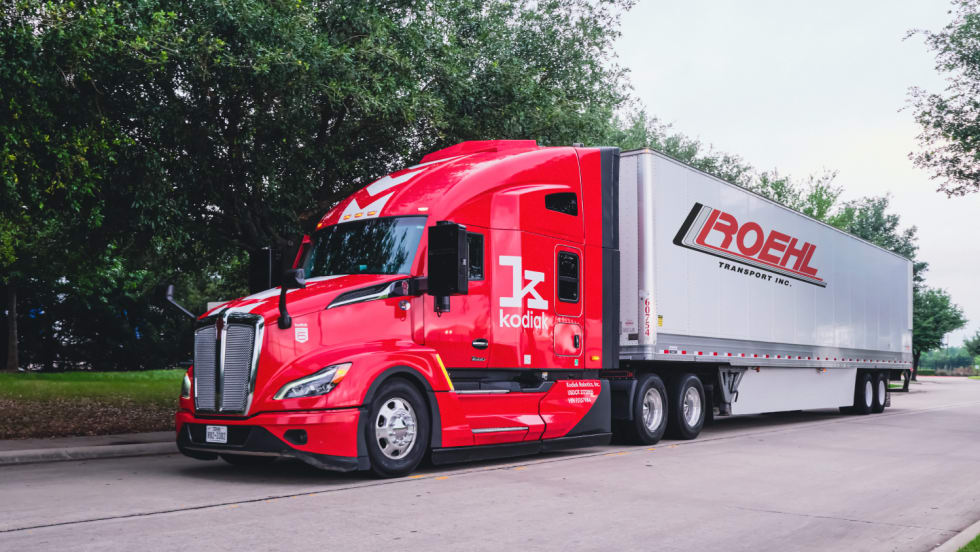
Kodiak and Roehl Transport Launch Autonomous Route Between Dallas and Houston
Kodiak AI and Roehl Transport have begun autonomous freight operations on a regular Dallas-Houston route, marking another step toward Kodiak’s planned driverless launch by the end of 2026.
Read More →