





Related: The 5 Core Mindsets of Innovators
Distributor, Dealer and Service Provider Panel On Handling Disruption
When asked to name one disrupting force in the truck parts aftermarket all members of a panel of aftermarket executives said technology whether on the vehicle, in the shop or in back office.
February 5, 2018
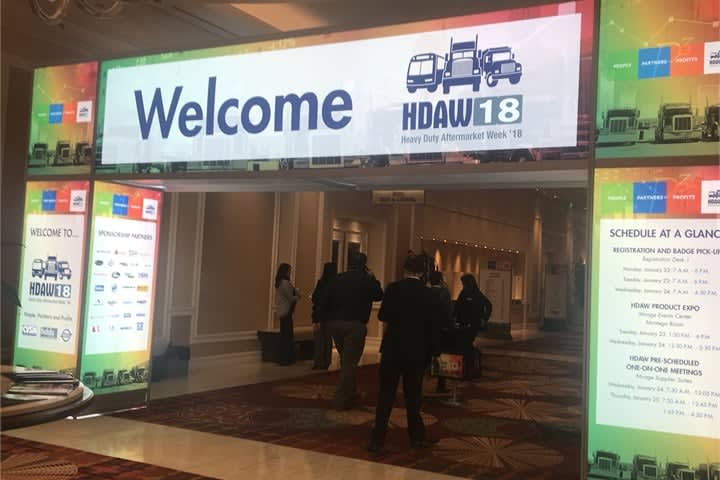
Heavy Duty Aftermarket Week. Photo: Heavy Duty Aftermarket Week
3 min to read
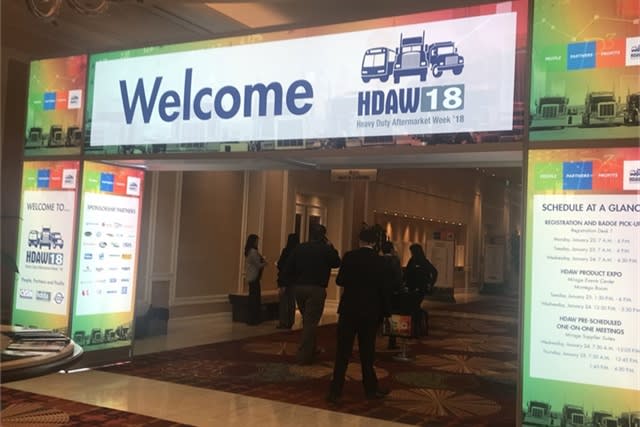
Heavy Duty Aftermarket Week.Photo: Heavy Duty Aftermarket Week
At the recent Heavy Duty Aftermarket in Las Vegas, a panel of distributors, dealers and service providers spoke about how they are focused on handling distruption.
Scott Gates, senior director and general manager at Ryder; Bill Long, president and COO of the Automotive Aftermarket Supplier Association; Bill Nolan, chairman and CEO Power Brake & Spring Service Co.; Matt Treadwell, general marketing manager at Paccar Parts; and Buzz Warner, dealer principal at Warner Trucks fielded questions from Tom Kraus, president and COO of the Heavy Duty Manufacturers Association, John Blodgett, vice president, sales and marketing at MacKay & Company, and the audience.
When asked to name one disrupting force in the truck parts aftermarket all members of a panel of aftermarket executives said technology whether on the vehicle, in the shop or in back office.
These technology changes are shortening the shelf life of employee skill sets. Gates told the audience it is critical to find people with an aptitude for technology and to continually train them. Nolan says, “We work in conjunction with our suppliers. We need their support. Product training is critical because products are changing so quickly.” Nolan has developed what he callas a reverse mentoring program. “Instead of providing mentorships for millennials, we did it in reverse to see how we could tap into their innovation and understanding of technology.”
Treadwell says, “It is our responsibility to work with our suppliers to get training for our dealer employees.” Warner says training must start with the fundamentals. “You have to make sure your employees understand the fundamentals first. Then we have a program that helps move them through the ranks.”
Talk then turned to the growth of e-commerce with Nolan saying he thinks e- commerce is the price of admission for anyone who wants to be in the parts business. “It is essential that we have what our customers need. Even though we have digital [options for ordering parts] if they need to talk to a person they can. This is still a relationship business and it will always be.”
Gates says Ryder has been using e-commerce for 19 years, but over the last 3 years the company has seen 30% year-over-year growth in that sector of its business. “Customers want to know what they are buying, how much you have, when they can get it, and they want to access that information in multiple ways.” “
He adds that businesses need to be careful not to “lose relationship because then you are just selling widgets over the internet.”
Treadwell agrees and says that e-commerce is “not a replacement for relationship; it is compliment.” He says when customers order over “ run of mill stuff on line, it allows [other members of your staff] to spend time solving problems for customers.”
The panel was also asked about how concerned they were with new entrants coming into the market from outside the industry. Nolan summed up the sentiment of panel members “To combat that distributors need to get good at technology before they get good at our parts.” He believes current market players have the advantage.
Treadwell admits that some new entrants “ have a great technology tool and are doing great things with distribution,” but adds that he is proud of the dealer and its ability to meet customer needs by delivering parts multiple times a day.
The panel also had advice for business in the independent aftermarket. Gates says, “If you are out to just sell parts you are not going to grow. You need to engage in consultative selling, understand [the customer’s] pains points,” and provide solutions.
Nolan says Power Brake & Springs’ mission is to solve problems and keep its promised. “A customer calls because he has a problem and wants advice about the right part for the repair.”
Treadwell says, “It is all about vehicle uptime, our fill rates are gong up every year and we have added $900 million dollars in parts inventory to makes sure customers are taken care of within hours.”
Subscribe to Our Newsletter
More Equipment
Trucks at ATA's 2026 MC&E in Charlotte, North Carolina [Photos]
From rigs decked out in patriotic America's 250 paint schemes to autonomous trucks and more, check out these photos from ATA's 2026 Management Conference & Exhibition.
Read More →
Help HDT Find Trucking’s Top Products
Have you come across a new product that could make a difference for trucking fleets? Nominate it for HDT’s 2027 Top 20 Products Awards by November 9.
Read More →
Volvo Unveils New VNX Heavy-Haul and Vocational Truck
Volvo Trucks has launched the VNX, a new vocational truck also available as a tractor in day cab and two sleeper configurations, with one heavy-haul model. The Volvo VNX is powered by Volvo's D13 platform, which delivers up to 540 horsepower and 1,950 pound-feet of torque and is EPA 2027-compliant.
Read More →
How GP Transco Cuts Trucking Fuel Costs, a Tenth of a Gallon at a Time
What’s another tenth of a mile per gallon worth? GP Transco shares how equipment upgrades and driver coaching turn small gains into meaningful fuel savings.
Read More →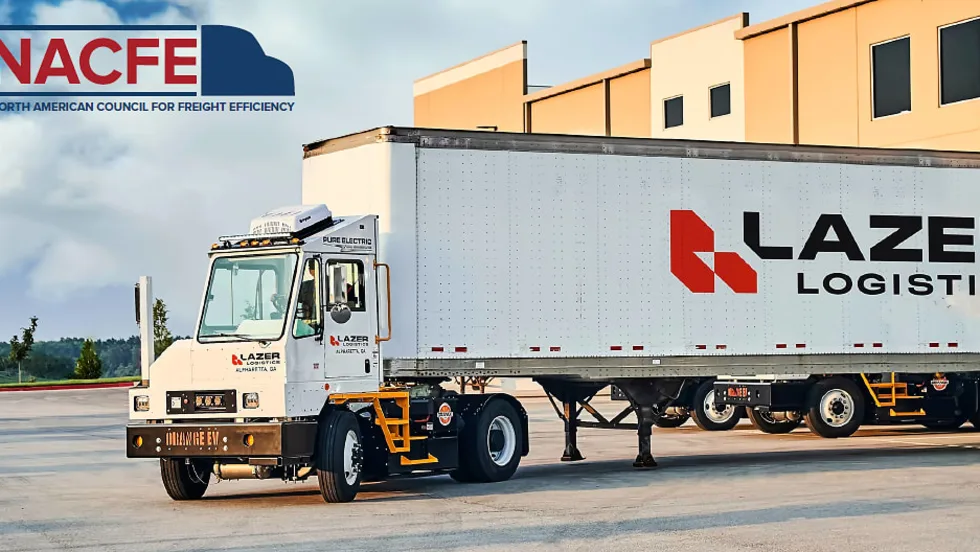
Electric Yard Tractors Move Beyond Pilots
Operating-cost savings have overtaken sustainability goals as the leading reason surveyed fleets are adopting battery-electric terminal tractors, according to new NACFE research.
Read More →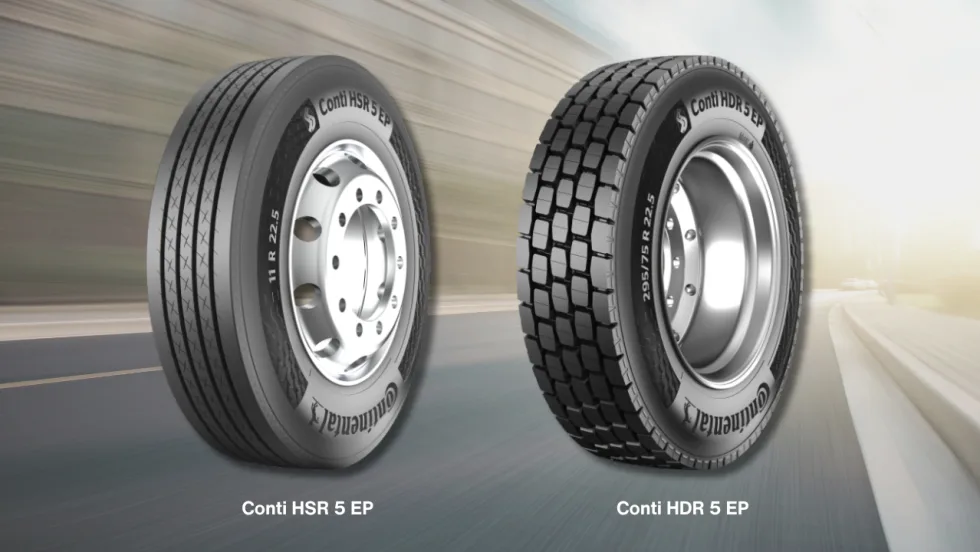
Continental Introduces New Regional Truck Tires
Continental says its new Generation 5 steer and drive tires for regional operations offer longer tread life, with estimated mileage gains of 22% and 19%, respectively.
Read More →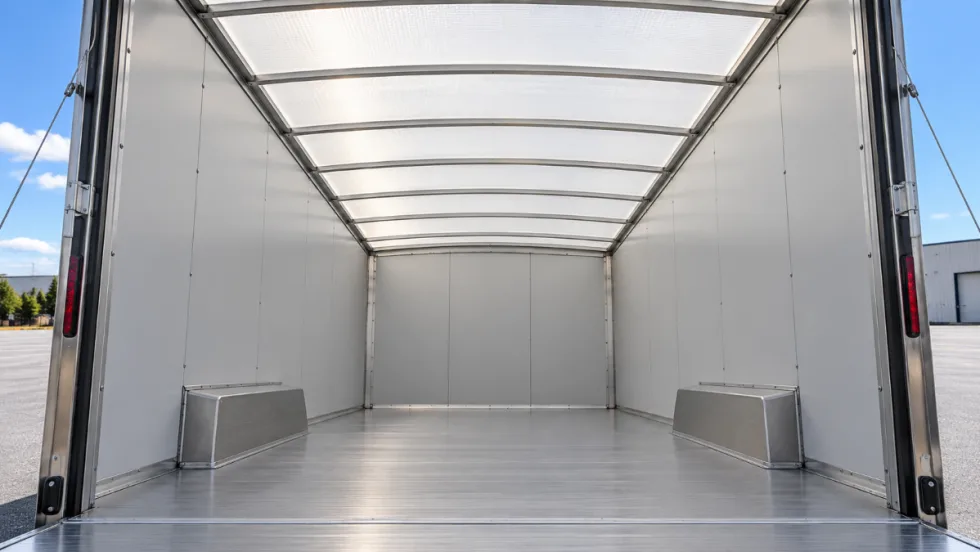
Tekmodo Introduces CargoBright Brand for Translucent Trailer Roofs
CargoBright is designed to diffuse daylight across the cargo area while performing as a working vehicle roof.
Read More →
Fleet Economics Shape Electric Truck Outlook
ACT Research expects costs, charging infrastructure, and technology improvements to drive zero-emission commercial vehicle adoption as federal regulations and incentives retreat.
Read More →
Kodiak Targets Dallas–Houston for Driverless Trucks
The company says its autonomous trucks are completing the I-45 run without a safety observer taking control. It plans to remove the observer by the end of 2026.
Read More →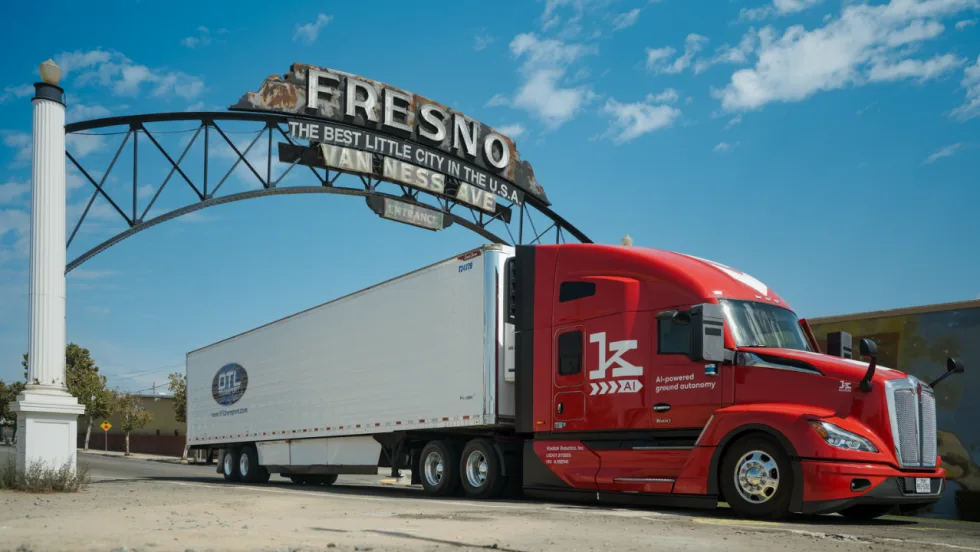
Kodiak Hauls Produce in California Autonomous Truck Pilot
Kodiak AI and DTL Transport have begun hauling produce between Fresno and Los Angeles under California’s new rules for testing heavy-duty autonomous trucks. A safety driver remains behind the wheel.
Read More →