




Trailers are Smarter Than Ever
Reefer temperature sensing, remote tracking, and tire pressure management are now in use. Coming soon: monitoring more mechanical conditions.

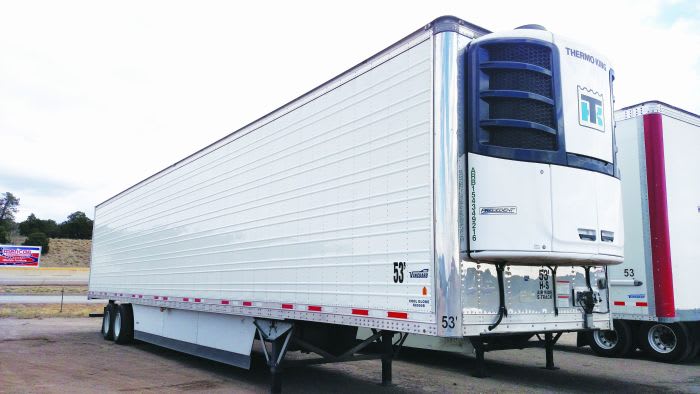
This trailer’s sitting untethered in New Mexico, but its reefer unit can monitor temperatures of the load and transmit data to home base, no matter where that is. Photos: Tom Berg
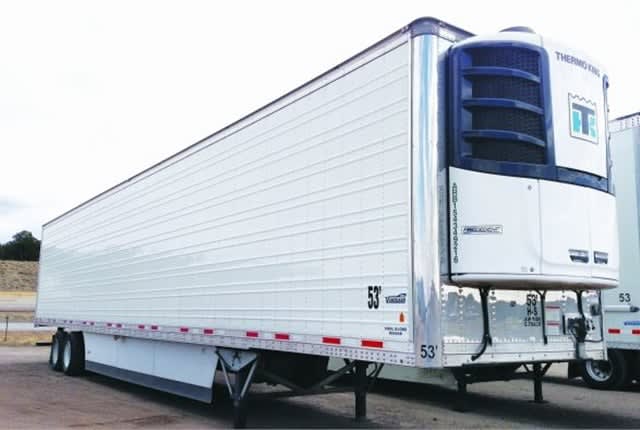
This trailer’s sitting untethered in New Mexico, but its reefer unit can monitor temperatures of the load and transmit data to home base, no matter where that is.Photos: Tom Berg
Historically, trailers haven’t been expected to do much more than carry payloads with as little bother as possible. They are sometimes set up to haul special commodities and accomplish specialized tasks. They can be made very rugged to shrug off abuse along with everyday wear and tear, and resist deicing chemicals that cause corrosion. But compared to the electronics-embedded tractors that pull them, trailers aren’t too smart.
But that’s changing, especially with temperature-controlled trailers. They are studded with sensors, primarily for temperature monitoring to protect perishables. Both shippers and carriers want to know the temps are right, including multi-compartment trailers with a different temperature in each. So Thermo King and Carrier Transicold, the major makers of the refrigeration/heating units, have developed ever more sophisticated sensors, monitors and controls to protect loads, and to quickly self-test their operating cycles prior to trips. Now reefer units can record and document those temps, and transmit data to operating people if they want real-time numbers.
Tracking and telematics
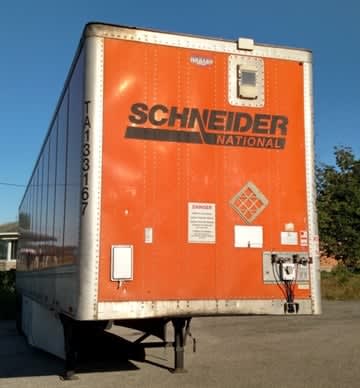
E-T, call home. The electronic tracking device on the nose of this Schneider van, parked on a rural lot in western Ohio, allows operations people in Wisconsin or elsewhere to know exactly where the vehicle is, whether it’s loaded or empty.
Telematics — the automatic or on-demand transmission of data to a home base — allow truck operators to know how their vehicles are doing without quizzing drivers. In the 1980s, Qualcomm pioneered the tracking of tractors with its Omnitracs device. The small satellite antenna on a tractor’s roof told fleet managers where each vehicle was and, through inference and scheduling, what it was doing. Managers and drivers began calling that antenna, and the electronic box inside the cab, “the Qualcomm.”
“We still run into that,” says Mark Alsbrook, product manager at Omnitracs. “Some people still call it that,” even though Qualcomm sold the product and the operation behind it to Vista Equity several years ago. Omnitracs later got into trailer tracking, and now has products that broadcast a trailer’s exact location, one with a solar panel that keeps the device’s battery charged whether or not it’s tethered to a tractor. Numerous other products from other companies are also available, communicating through satellite link, cell-phone networks, or both. They can be mounted outside or inside the vehicle, in plain sight, or hidden to keep thieves and hijackers from disabling or destroying them.
Tracking also allows fleet managers to gain productivity with their equipment. “As fleets are holding onto their trailers a little longer, managers want to know how long a trailer’s sitting at a dock and outside in a yard” to get more use out of it, says Rence Oliphant, vice president of sales and marketing communications for Hendrickson. The company is investigating ways to make its suspensions, among other mechanical components, more “intelligent.” For instance, air suspensions on Navistar International’s SuperTruck lower at highway speeds to reduce frontal area and drag; so could the trailer’s suspension.
One of the more requested features on reefers and vans is simple door sensing. If a rig makes an unplanned stop and the trailer’s doors are opened, the tracking device’s telematics function can alert managers that something isn’t right. Quite possibly, crooks are stealing the load. If the driver can’t be reached for an explanation, authorities can be called.
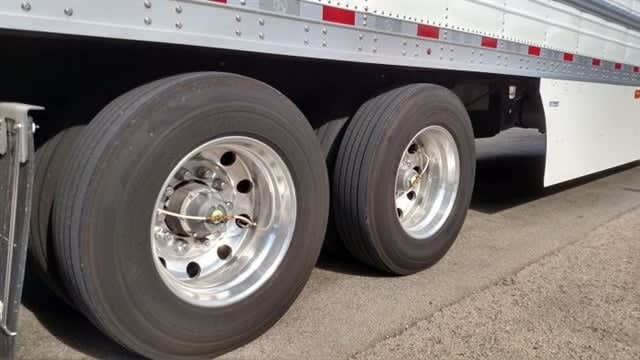
Tire pressure inflation or monitoring systems are now on 40% of all trailers, compared to none about 20 years ago, says P.S.I.
Maintenance uses
“End users like to see a maintenance-free product,” says Chris Lee, vice president of engineering at Great Dane Trailers and chairman of the American Trucking Associations’ Technology & Maintenance Council’s Future Trailer task force. “At the same time, they want to see some intelligence to help in maintenance, to focus on certain items that they see a lot — brakes, wheel end temperatures, light functions and circuitry — for early warnings to prevent failures. The percentage of use of that is kind of low, because of [lack of] availability of products and price of some of it. And they have to create some kind of dashboard on the fleet side so they can gather and use the data.”
What’s needed is a common operating protocol among products that are now available, says a 2014 TMC Position Paper. Bluetooth and even wi-fi are among things being discussed as possible local communications protocols, say other sources. TMC members on the task force envision a smart system with a data box or “hub” that captures data from wheel ends, brakes, lights, and electrical systems. “All that information can be gathered in one box and that information can be shared through telematics to the owner, or extracted with a reader,” Lee says. “They’re in the works now. They have to work out the user and data interface and set up the protocol with telematics companies.”
Sensors can gauge a variety of mechanical conditions. Perhaps the most popular currently is tire pressure. Monitoring and inflation devices are on about 40% of all trailers, says Al Cohn, a consultant to Pressure Systems International, which makes the Meritor Tire Inflation System by P.S.I.. He adds, “Twenty years ago, that was zero.” Tim Musgrave, P.S.I.’s president, says changes are coming to component-condition monitoring. By the end of the year and maybe sooner, P.S.I. plans a product that will piggyback on its tire pressure system to monitor conditions of other nearby components by sensing abnormal heat.
Brad Van Riper, senior vice president of engineering at Truck-Lite, hints that “we have some ideas about a new trailer system,” and a product is being fleet tested now. He notes that Truck-Lite now offers a Light-Out Detection System that warns the driver if a lamp is out so he can get it fixed before it results in a citation. Phillips is also working on a trailer system, but is mum about it. And don’t be surprised to see co-operation among the companies engaged in this development, says Musgrave.
Of this high-tech trend, Musgrave jokes that customers used to say, “’We don’t want to invest in technology because we never see the trailer.’ Now it’s, ‘We want to invest in technology because we never see the trailer.’”
More Equipment
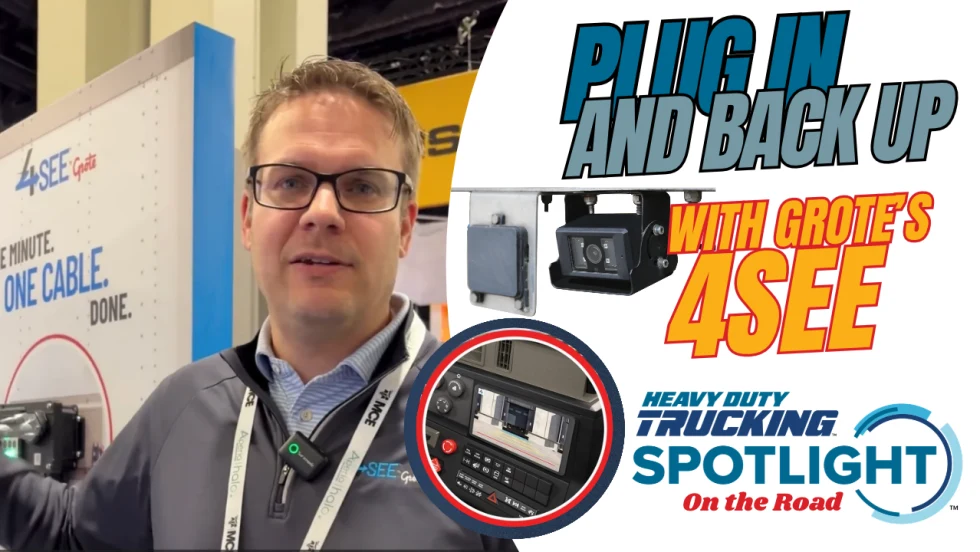
More Trailer Data Through the Same Seven-Way [Video]
Can trucking’s standard seven-way connector handle more cameras and trailer data? Grote’s Adam Slade shows HDT how the company is using new technology with its 4See trailer system, not only to add a new backup camera but also to expand other capabilities — without adding another connection.
Read More →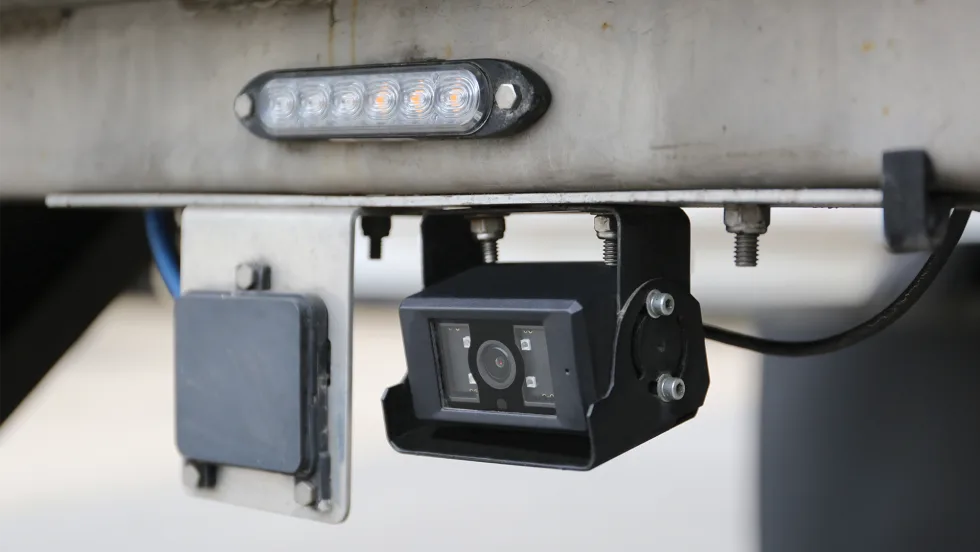
Grote: More Cameras, Same Seven-Way Connector
The next-generation 4See rear-view backup camera from Grote uses the standard seven-way connector and supports additional cameras and other trailer data.
Read More →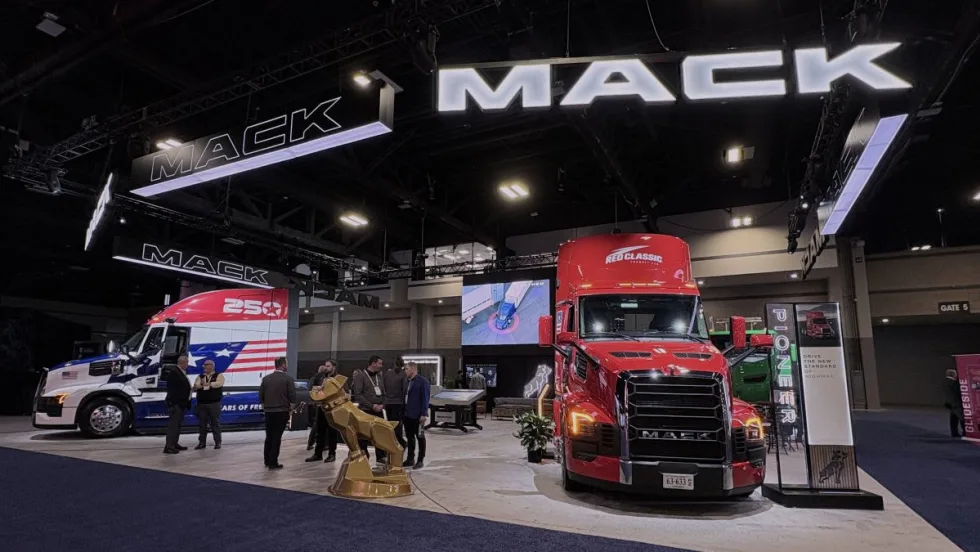
Trucks at ATA's 2026 MC&E in Charlotte, North Carolina [Photos]
From rigs decked out in patriotic America's 250 paint schemes to autonomous trucks and more, check out these photos from ATA's 2026 Management Conference & Exhibition.
Read More →
Help HDT Find Trucking’s Top Products
Have you come across a new product that could make a difference for trucking fleets? Nominate it for HDT’s 2027 Top 20 Products Awards by November 9.
Read More →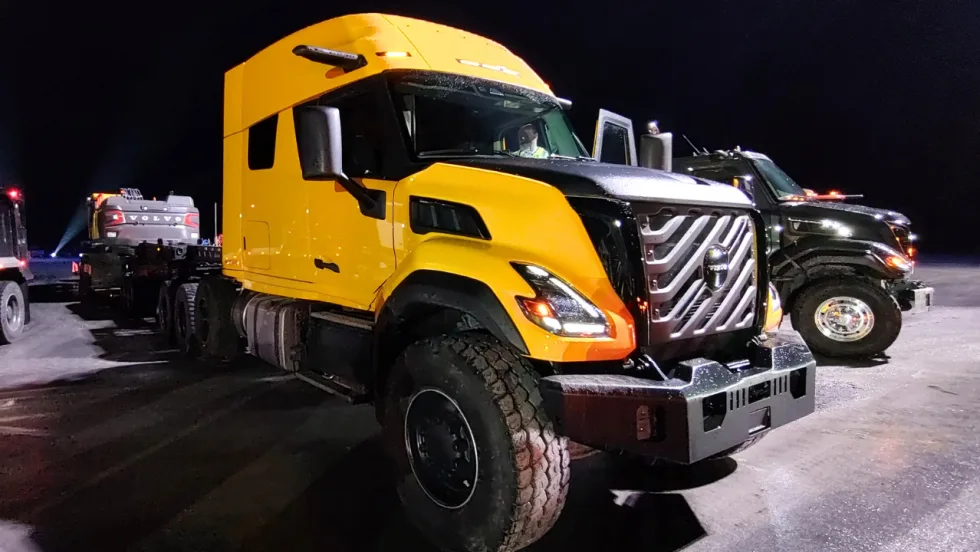
Volvo Unveils New VNX Heavy-Haul and Vocational Truck
Volvo Trucks has launched the VNX, a new vocational truck also available as a tractor in day cab and two sleeper configurations, with one heavy-haul model. The Volvo VNX is powered by Volvo's D13 platform, which delivers up to 540 horsepower and 1,950 pound-feet of torque and is EPA 2027-compliant.
Read More →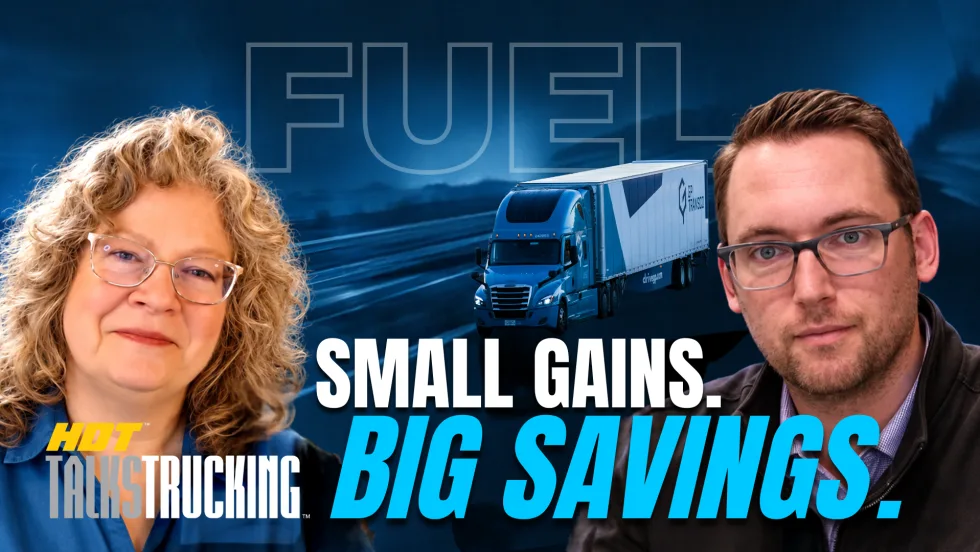
How GP Transco Cuts Trucking Fuel Costs, a Tenth of a Gallon at a Time
What’s another tenth of a mile per gallon worth? GP Transco shares how equipment upgrades and driver coaching turn small gains into meaningful fuel savings.
Read More →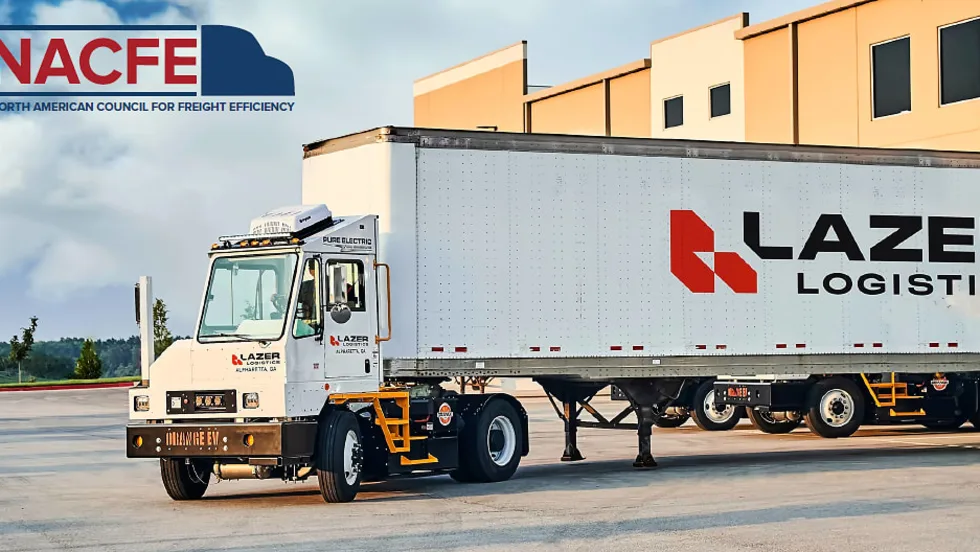
Electric Yard Tractors Move Beyond Pilots
Operating-cost savings have overtaken sustainability goals as the leading reason surveyed fleets are adopting battery-electric terminal tractors, according to new NACFE research.
Read More →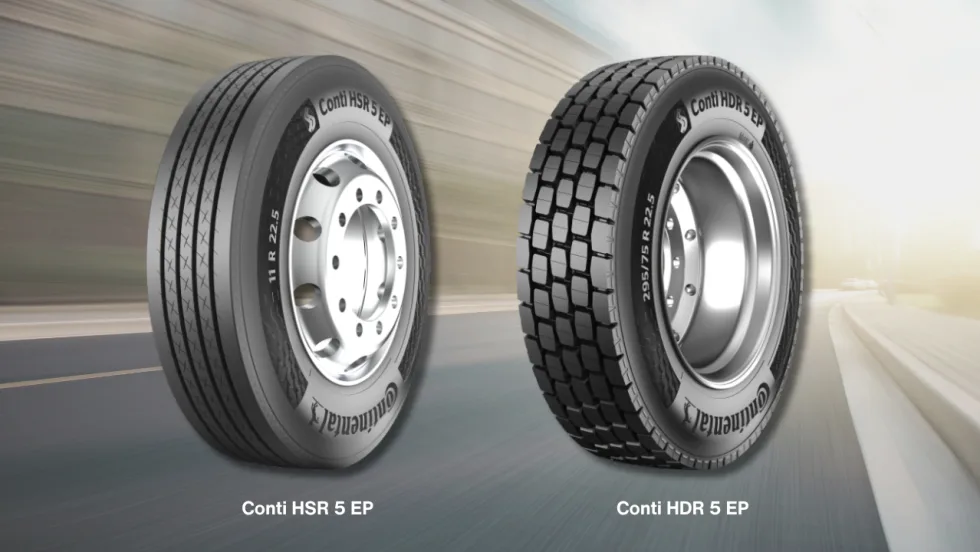
Continental Introduces New Regional Truck Tires
Continental says its new Generation 5 steer and drive tires for regional operations offer longer tread life, with estimated mileage gains of 22% and 19%, respectively.
Read More →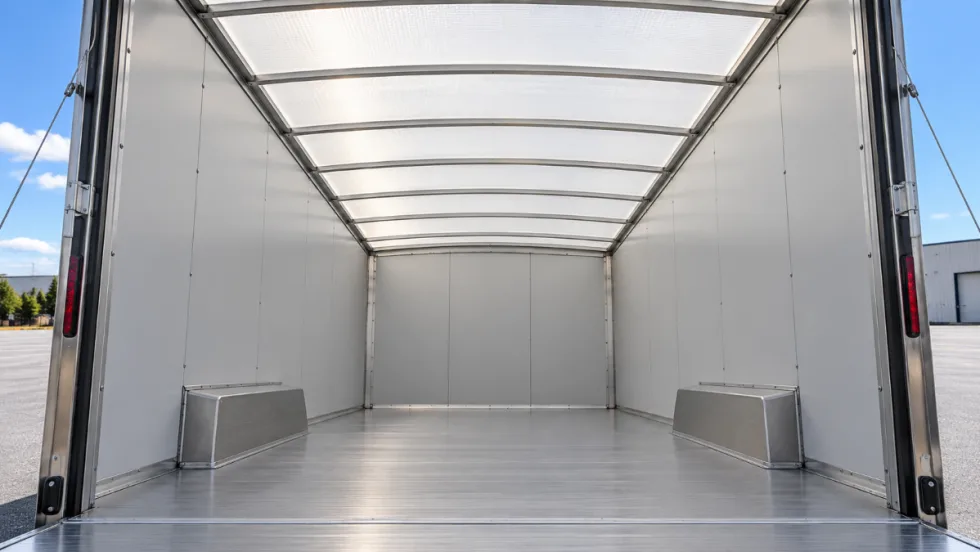
Tekmodo Introduces CargoBright Brand for Translucent Trailer Roofs
CargoBright is designed to diffuse daylight across the cargo area while performing as a working vehicle roof.
Read More →
Fleet Economics Shape Electric Truck Outlook
ACT Research expects costs, charging infrastructure, and technology improvements to drive zero-emission commercial vehicle adoption as federal regulations and incentives retreat.
Read More →