



What are the differences between trucks and trucking in North America versus Europe? Our trucks have become increasingly similar, but there are limits.
 MENU
MENU SEARCH
What are the differences between trucks and trucking in North America versus Europe? Try to drive a long-nose conventional on roads that were conceived in the year 1403.

Rolf Lockwood
What are the differences between trucks and trucking in North America versus Europe? Our trucks have become increasingly similar, but there are limits.
I’ve been flying across the pond for decades and I’ve written stories about trucks and engines and the highest of electronic technologies. I’ve done dozens of plant tours, spent many hours on test tracks, and driven quite a few miles on roads both urban and rural.
Once, after driving north from Stockholm, across the Arctic Circle, and then down the length of Finland, I even got lost in downtown Helsinki while piloting a Volvo Globetrotter with a full trailer behind. Long before the days of GPS.
In a nutshell, the differences between here and there are countless, yet there are also similarities. Trucking is trucking in some senses, no matter where you are, and nowadays technology walks across the water in both directions every day.
My very first transAtlantic trucking trip was to Finland in the winter of 1985, and it illustrated the wandering technology point a lot earlier than you’d expect. Hosted by Nokia, I was the lone journalist amongst a group of tire dealers. The company set me up to drive with a logger in the boonies outside the city of Tampere. Great! Told that he drove a made-in-Finland Sisu cabover, I was excited to try it out.
Imagine my surprise when I found a Cummins 400 under my right foot and a Fuller 13 in my right hand! I wanted something far more exotic. Still, those 8 hours going from forest to mill plus a truckstop lunch in the middle – with a driver who spoke no English and a meal I couldn’t identify – were fascinating. Among the lessons: Drivers are drivers and, despite a distinctly Finnish configuration in that Sisu, trucks are trucks.
Except they’re really not. I’ve learned that people are drawn to the truck-driving thing over there for much the same reasons as here: a simple love of driving and the feeling of independence you get as you grip the wheel and stare at the open road. But even then, and certainly now, European drivers are subject to much stricter rules than we are, and mostly they drive many fewer hours.
Then there’s the cabover thing. Invisible here, dominant there. Narrow, twisty European roads have much to do with it – try driving a long-nose conventional through a small town in Belgium, for example, on roads that were conceived in the year 1403. A key reason why cabovers work better there.
There are still folks on this side who ask why we can’t bring those big, tall COE tractors across the pond. It will never happen, if only because cabover aerodynamics are inferior to those of our svelte conventionals, and fuel economy seems to matter more here than there.
I pursued this topic at a recent dinner in Germany with Daimler’s two top engineering executives on the powertrain side, Frank Reintjes and Elmar Boeckenhoff, along with Kary Schaefer, general manager of marketing and strategy for Freightliner and Detroit, herself an engineer. I made them laugh in a big way when I asked them to discuss what makes the two markets different.
How long have you got, they chimed, almost in unison … that’s a doctoral thesis.
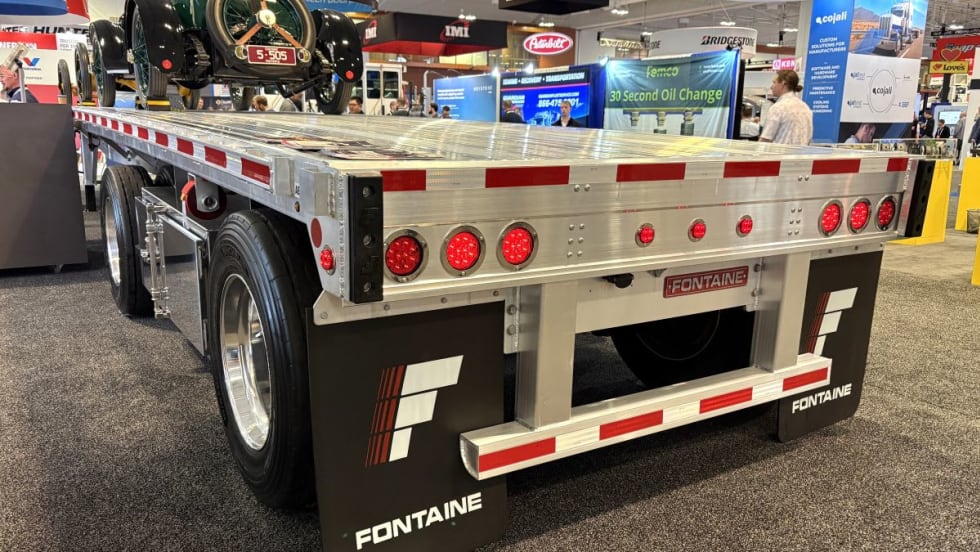
Fontaine is broadening its flatbed lineup with new models aimed at fleets, including a lightweight aluminum trailer expected in 2027 that emphasizes durability, repairability, and lower cost.
Read More →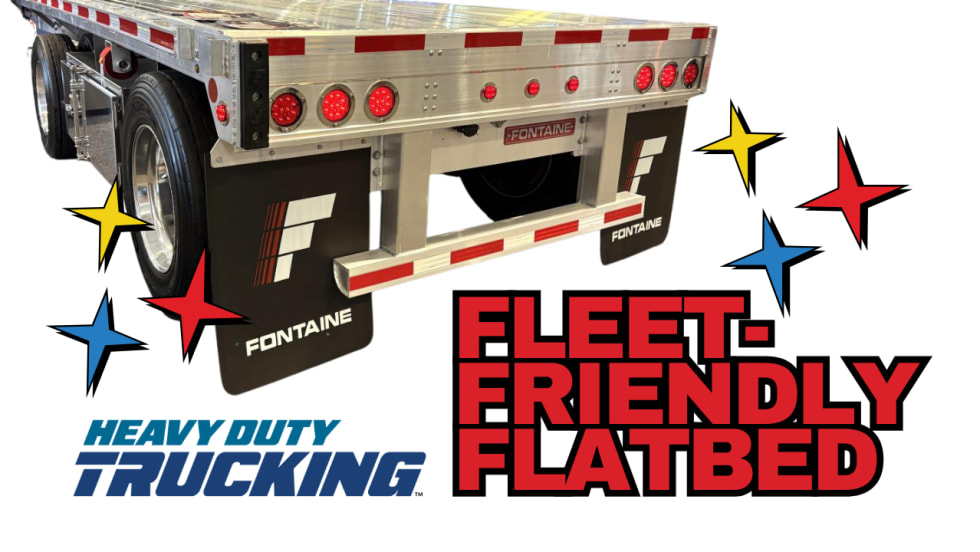
A new prototype from Fontaine Trailer focuses on what fleets say they need most: easier repairs, lower maintenance costs, and practical, service-friendly design.
Read More →
As warehouse networks expand, predictable regional routes are replacing long-haul runs—reshaping how fleets spec, operate, and resell day cabs.
Read More →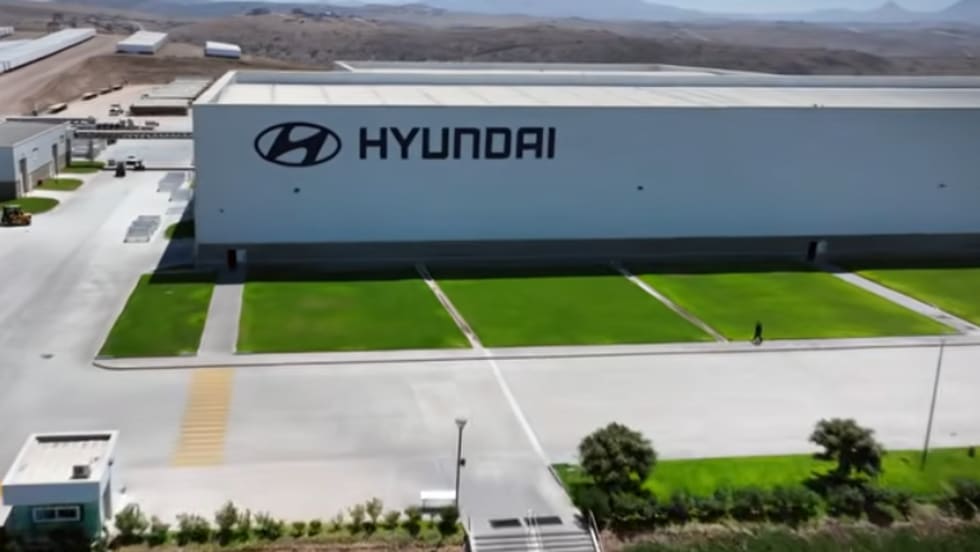
The new Hyundai Translead production sites will improve trailer and body delivery to customers by reducing lead times and leveraging a growing dealer network.
Read More →
Heavy Duty Trucking's Top 20 Products awards recognize the best new products and technologies. Check out the award presentations at the 2026 Technology & Maintenance Council annual meeting.
Read More →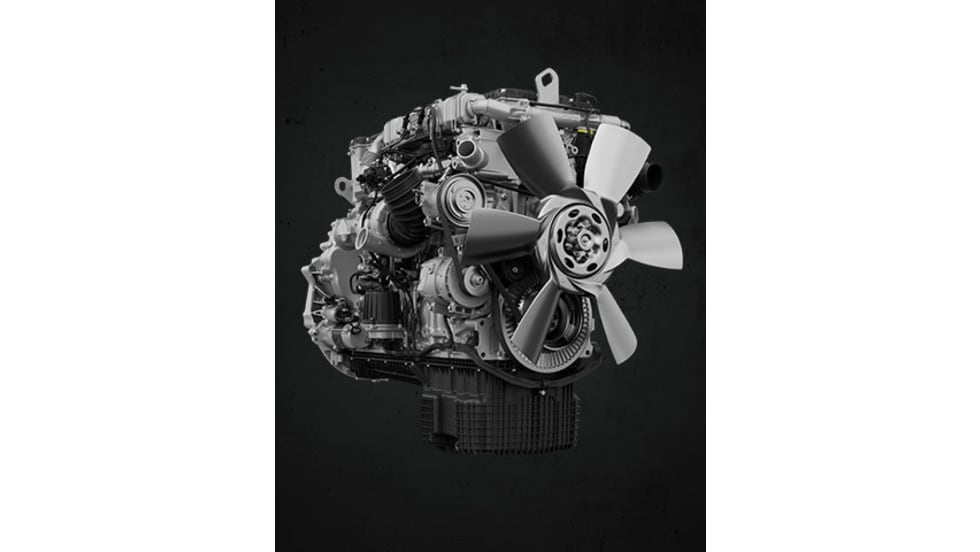
The Detroit® Gen 6 engine platform proves that real progress doesn’t require a complete redesign. Built on 20 years of trusted technology, these engines are designed for efficiency, stronger performance, and greater reliability than before. And they do it all while complying with 2027 EPA standards on every mile.
Read More →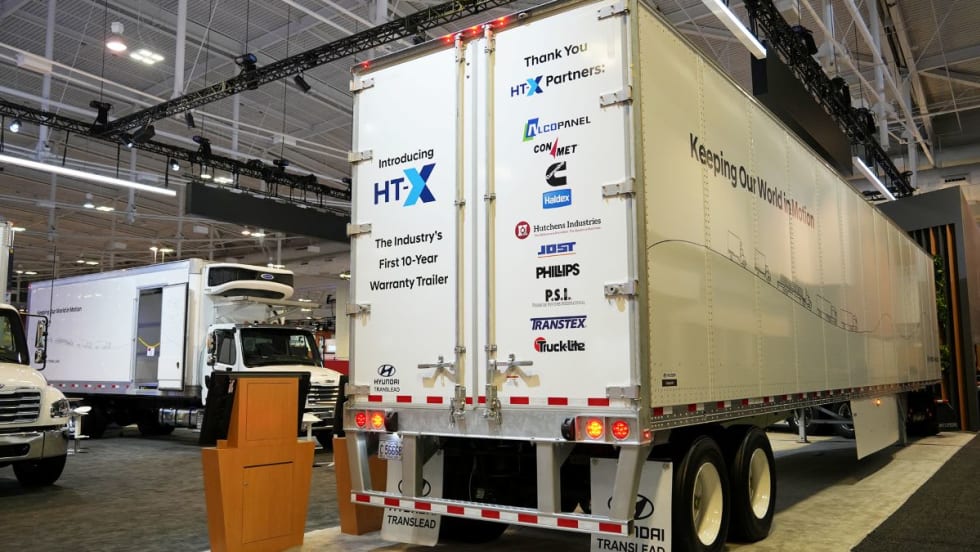
Smart safety systems, AI-powered visibility, a 10-year-warranty dry van, and a modular refrigerated body debuted at TMC.
Read More →
New guidance allows engine makers to replace problematic DEF sensors with NOx-based systems, aiming to reduce unnecessary derates and downtime caused by failures in the sensors designed to monitor diesel exhaust fluid on trucks.
Read More →
Is your company a leader in sustainability efforts among trucking fleets? If so, Heavy Duty Trucking's editors want to hear from you.
Read More →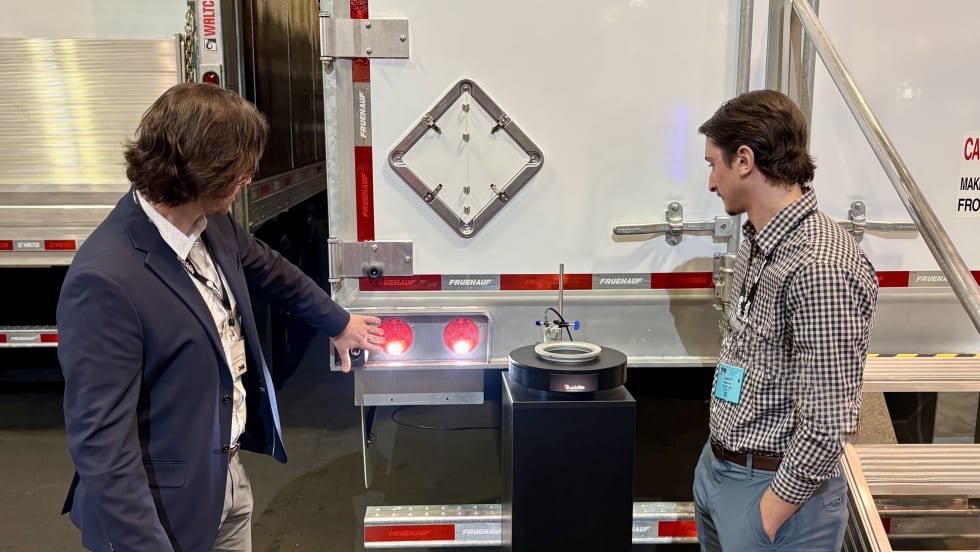
From advanced connectivity to AI-powered cameras and next-gen fuel filtration, Clarience companies outlined a roadmap for safer, more connected trailers at TMC’s Annual Meeting.
Read More →