




Commentary: Autonomous by Retrofit
A $30,000 self-driving kit available as an aftermarket retrofit for existing trucks... strikes me as something pretty remarkable.

Rolf Lockwood

Automation won’t go away, and now we have a San Francisco startup called Otto that’s only a few months old, yet has already retrofitted three Volvo tractors with automated-driving technology. That means the sensors and other bits that allow a tractor-trailer to drive itself — though only on Interstate highways where lane markings are especially well defined. Hence, the system’s name: Interstate Autopilot.
The company got its quick start because its founders have been working on vehicle automation for years. Led by former technical lead of Google’s autonomous car division Anthony Levandowski and former product lead of Google Maps Lior Ron, the company is sufficiently confident to say, “We’re a team of the sharpest minds in self-driving technology and robotics.” And it clearly is.
Another former Google employee, Don Burnette, and a robotics specialist, Claire Delaunay, are also part of Otto’s leadership. Because some of them made pretty big money at Google, Otto is completely self-funded.
“Long-haul transit is vital for nearly 70% of the things we buy, yet hundreds of thousands of preventable trucking accidents happen each year on American highways. We believe it’s our responsibility to bring safer, self-driving technology to the road,” says a statement on the company website.
Otto hardware and software is tuned for the consistent patterns and easy-to-predict road conditions of highway driving. Sensors are installed high atop the truck, which offers an unobstructed view of the road ahead. With highways making up only 5% of U.S. roads, Otto says this allows a tight testing focus on a specific set of trucking routes critical for the American economy.
The company says its self-driving kit was designed to “empower truck drivers to drive more safely and efficiently.”
The broad design imperative was to develop a “suite” of sensors, software, and truck enhancements that could be quickly fitted on existing trucks. Testing is actively underway with the Otto research fleet.
“We intend to enhance the capabilities of the Otto truck, collect safety data to demonstrate its benefits, and bring this technology to every corner of the U.S. highway system,” says Levandowski.
“This is a critical effort, with wide-reaching implications for all of us, that requires co-operation between government agencies, the private sector, truck fleets, drivers, manufacturers and the brightest engineers.”
It’s early days, with no ready-for-market date set, but I’ve read suggestions that the price tag will be in the $30,000 range.
I’ll be following this one closely – not so much the technology itself but the reaction by governments and the public to what’s possible. There are some who will embrace it readily, some who’ll fear it, and some will call it the devil’s work. For my part I’m mightily intrigued, not to mention astonished by how quickly all this is moving.
When I saw the autonomous Mercedes-Benz Actros demonstrated on a German highway in 2014, it was a very bright moment even though it didn’t surprise me. All the requisite technology had been there or almost there for quite a few years, after all. I’d seen much of it in action a decade earlier, also in Germany, via Wabco and ZF as well as Daimler, so the reality of an autonomous truck was almost an anti-climax. Cool as hell, definitely, yet evolutionary.
But a $30,000 self-driving kit nearly available as an aftermarket retrofit for existing trucks? That strikes me as something pretty remarkable.
More Equipment
Rush, MCT Team Up to Grow Refrigeration Service Network
The joint venture will operate MCT's network of Carrier Transicold dealerships and mobile service locations, with the companies promising greater service capacity and uptime for refrigerated fleets.
Read More →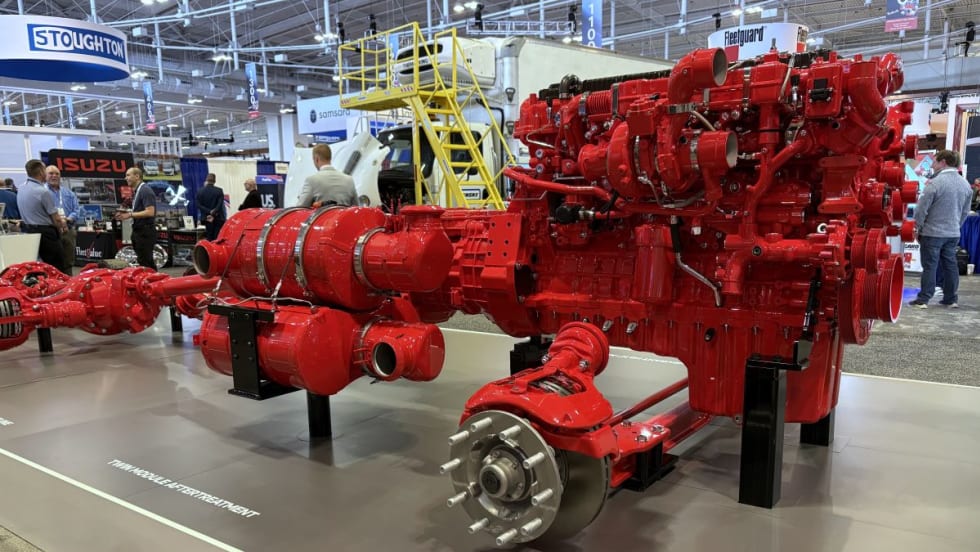
Cummins Adjusts 2027 Engine Rollout After EPA Proposal
The engine maker will gradually introduce its new Model Year 2027 diesel engines while continuing to offer current models during the transition, citing the EPA's proposed emissions rule changes.
Read More →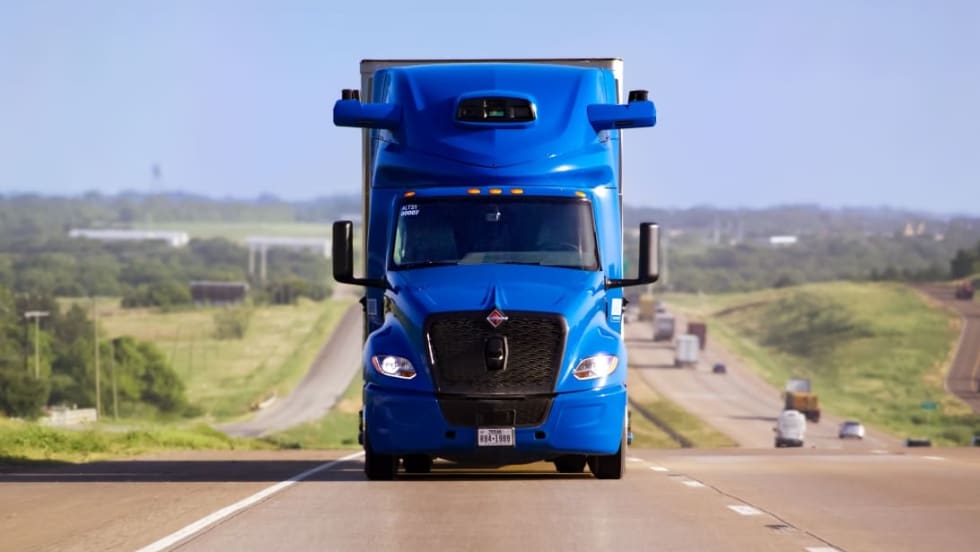
Aurora Rolls Out Next Generation of Driverless Trucks for Commercial Freight
Aurora's latest autonomous trucks it's rolling out with International feature lower-cost hardware designed for a million miles as the company expands commercial driverless freight operations across the U.S. Sun Belt.
Read More →
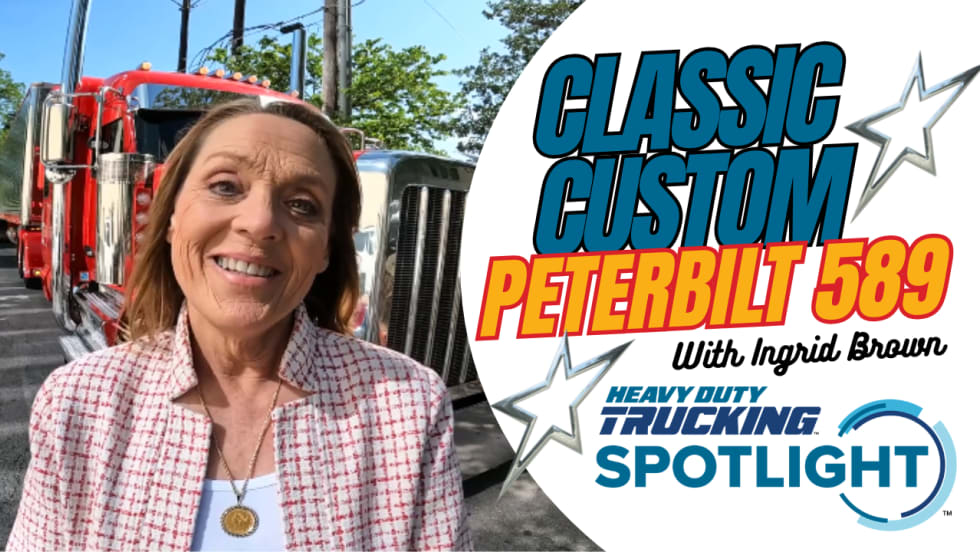
Peterbilt 589 Spotlight: A Close Look at a Custom Working Truck [Video]
There's more to this customized Peterbilt Model 589 and Great Dane refrigerated trailer than chrome and stainless (although there's plenty of that too!) A veteran driver explains the design choices and practical features behind this working truck.
Read More →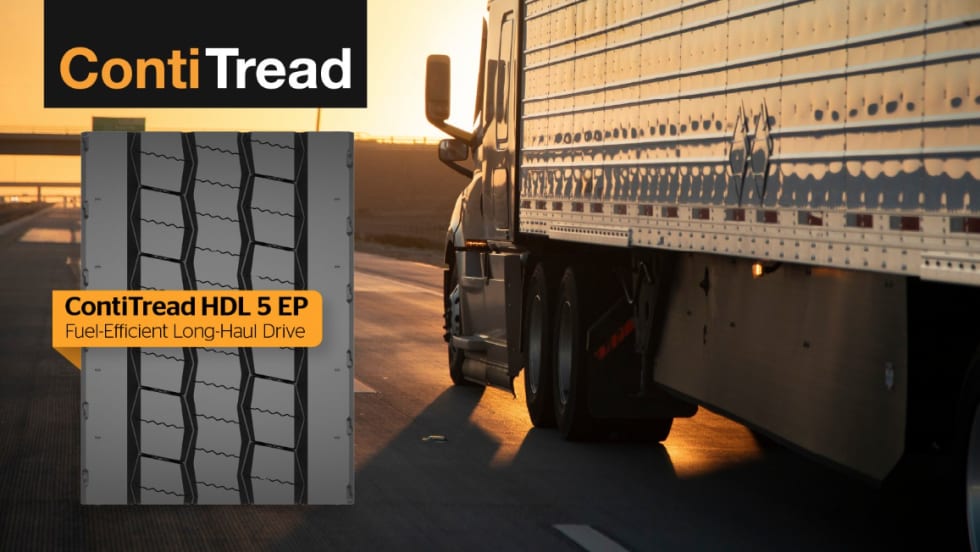
Continental Expands Retread Lineup With New ContiTread HDL 5 EP
New long-haul drive retread is designed to improve fuel efficiency, extend tread life, and lower fleets' cost per mile.
Read More →
EPA Proposal Could Ease 2027 Truck Costs and Buying Uncertainty
The proposal doesn't change the tougher NOx standard, but it would revise key implementation requirements that manufacturers say have driven up costs and complicated fleet purchasing decisions.
Read More →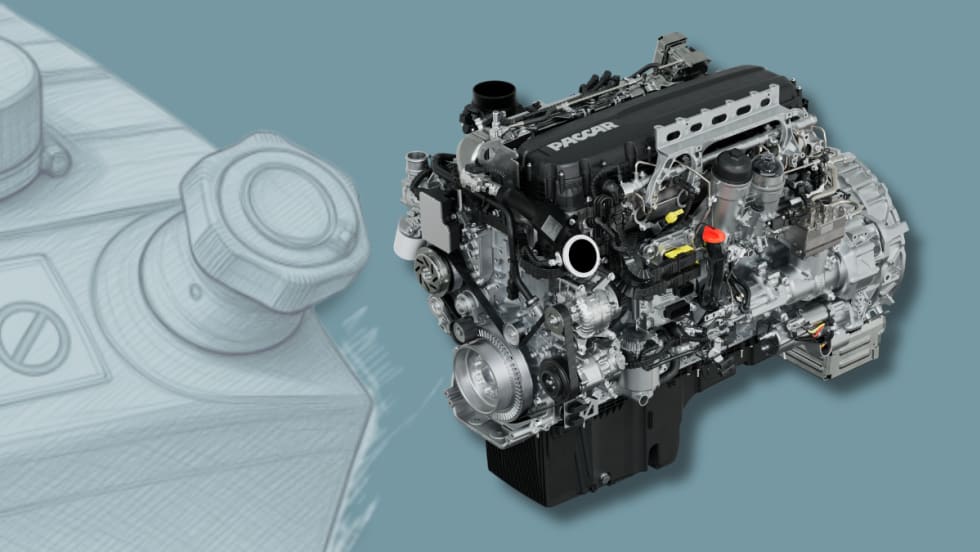
Cummins, Paccar Ease DEF Derates After EPA Guidance
Updated diesel engine software gives truck operators more time to address emissions-system issues while staying compliant with EPA emissions standards.
Read More →
America at 250: How the Truck Helped Connect a Continent
America was founded on revolutionary ideas, but it was built by movement. For 250 years, the nation has depended on ever-better ways to move people, products, and prosperity across a vast continent. No machine has carried that mission further — or more faithfully — than the truck.
Read More →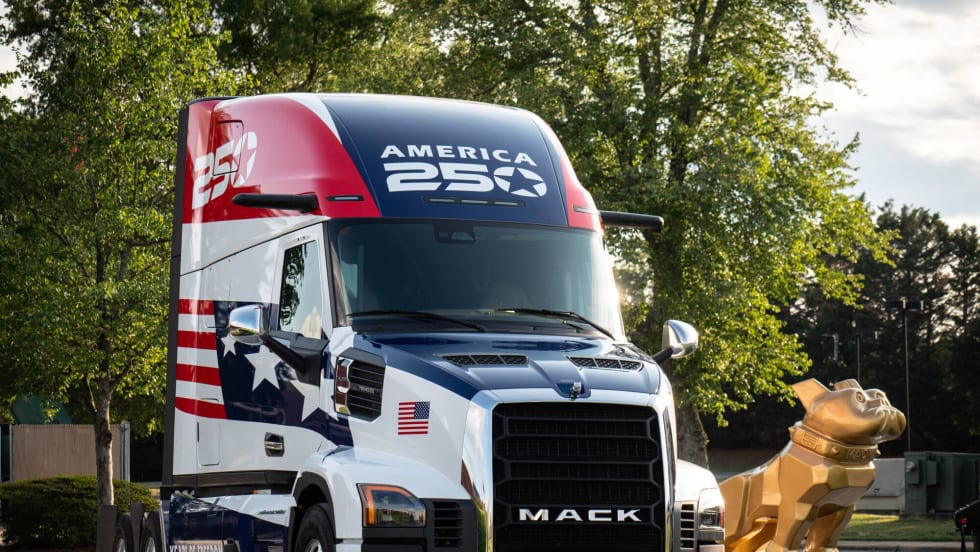
Mack Unveils America 250 Tribute Truck to Celebrate Nation's Semiquincentennial
Just in time for the Fourth of July! Mack unveils a brand-new patriotic, limited-edition, red, white, and blue truck wrap.
Read More →
Enhance Fleet Performance with High-Efficiency Auxiliary Power Units
Drive sustainable cost savings while increasing driver comfort during short- and long-haul logistics operations.
Read More →