




Related: Moving Toward the Autonomous Truck
Commentary: The Unmanned Vision
While much has been made about autonomous trucks lately, at least one group is looking ahead to unmanned vehicles altogether.
by Rolf Lockwood
July 15, 2015
Rolf Lockwood, Executive Contributing Editor
2 min to read

Amidst all the recent chatter about autonomous trucks and platooning, the story that might well be the most significant in this realm got a little lost in the shuffle.
Centered in the most unlikely of places, North Dakota, it’s a vision of how such technology can actually be put in place and bring economic benefit to a region.
It’s about a corridor as much as a region, as defined by CNATCA, the Central North American Trade Corridor Association.
It envisions the use of autonomous trucks traveling up and down Route 83 through North Dakota, South Dakota, Nebraska, Kansas, Oklahoma, and Texas, along with Manitoba to the north and Mexico to the south.
But they’re not talking ‘autonomous’ as in Freightliner’s Inspiration truck (see last month’s column). Almost all press reports have assumed that sort of vehicle, usually calling it driverless, which it’s not. In fact it sports so-called Level 3 autonomy where the driver remains in control but can give the wheel to the electronic wizardry when conditions permit.
But it’s unmanned trucks the CNATCA folks are talking about, namely Level 4 autonomy. Got that? Unmanned.
The National Highway Traffic Safety Administration defines Level 3 as enabling the driver to cede full control of all safety-critical functions under certain conditions. Level 0 means no automation at all, while Level 1 covers things like ABS. Level 2 combines automated capabilities as in adaptive cruise control.
Level 4 is complete automation, with or without a driver present. Freightliner has said firmly that it has no wish to go there, but who knows what’s possible if the market is pulling instead of being pushed as usual.
The CNATCA vision has these trucks programmed at launch to drive to destination X and deliver the freight, or pick it up, with no human intervention.
Volvo’s chief designer Jeff Cotner raised a useful question along these lines at a recent press event.
It's unmanned trucks these folks are talking about, namely Level 4 autonomy. Got that? Unmanned.
“Why does the tractor have to pull everything?” he asked.
He sees trailers operating under their own power with no physical connection to a tractor, but free to join and follow in platoon formation with other similarly smart vehicles and then break off and drive themselves to different destinations along the way.
CNATCA spokesman Marlo Anderson sees the same thing.
Quoted a year ago by Jessica Holdman writing in The Bismarck Tribune in Bismarck, N.D., he said a self-moving flatbed trailer could be used to ship freight along the corridor.
“The technology is ahead of the regulations,” Anderson said.
Subscribe to Our Newsletter
More Equipment
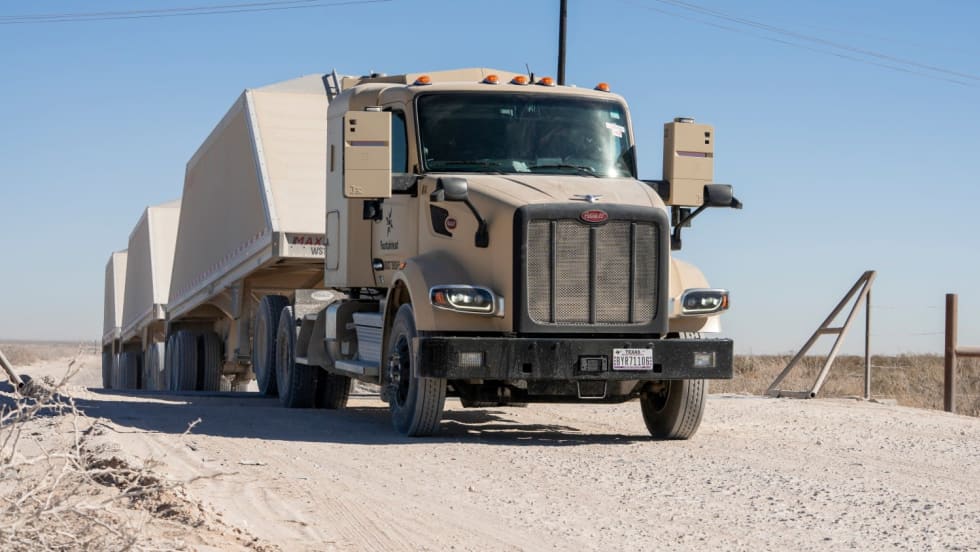
Atlas Expands Kodiak Driverless Truck Fleet in Permian Basin
Atlas Energy Solutions is expanding autonomous frac sand hauling in the Permian Basin with a second load-out location and plans for 100 driverless trucks by mid-2027.
Read More →
Putting Mack’s Command Steer to the Test
A test drive of Mack’s Command Steer active steering system evaluates how it can make truck driving easier and less tiring.
Read More →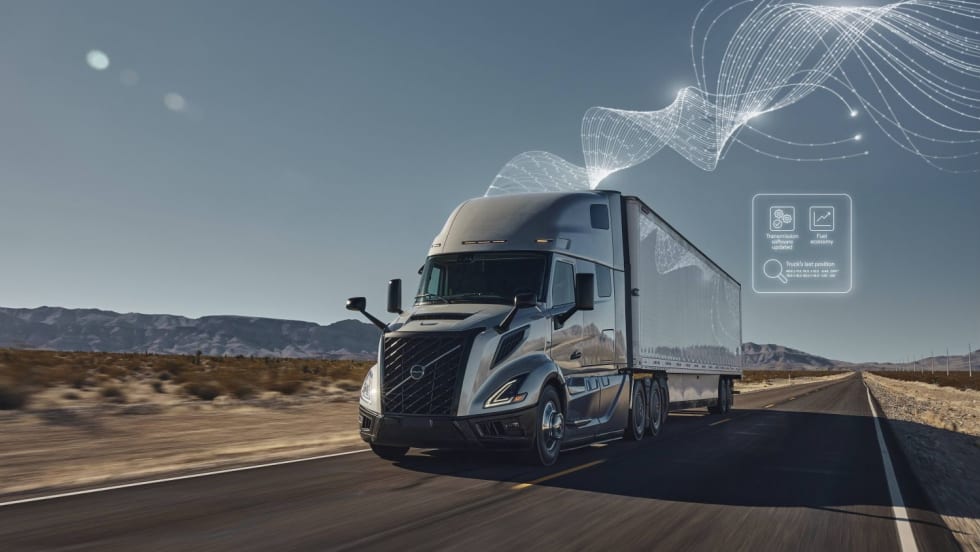
Mack, Volvo Expand DEF Derate Software Updates
The updated software gives Mack and Volvo truck owners more time to address DEF-related issues before the engine derates or the vehicle goes into reduced-speed inducement, following new EPA guidance.
Read More →
Rush, MCT Team Up to Grow Refrigeration Service Network
The joint venture will operate MCT's network of Carrier Transicold dealerships and mobile service locations, with the companies promising greater service capacity and uptime for refrigerated fleets.
Read More →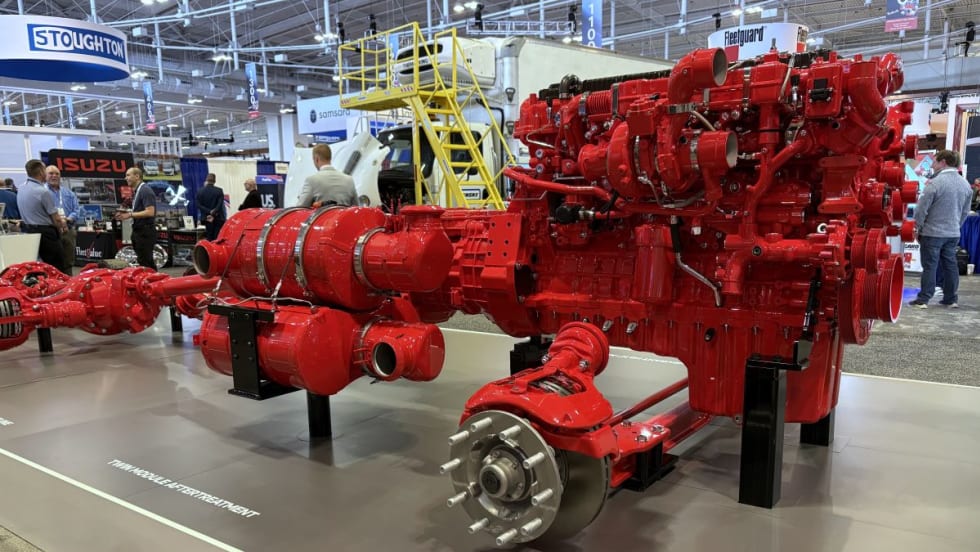
Cummins Adjusts 2027 Engine Rollout After EPA Proposal
The engine maker will gradually introduce its new Model Year 2027 diesel engines while continuing to offer current models during the transition, citing the EPA's proposed emissions rule changes.
Read More →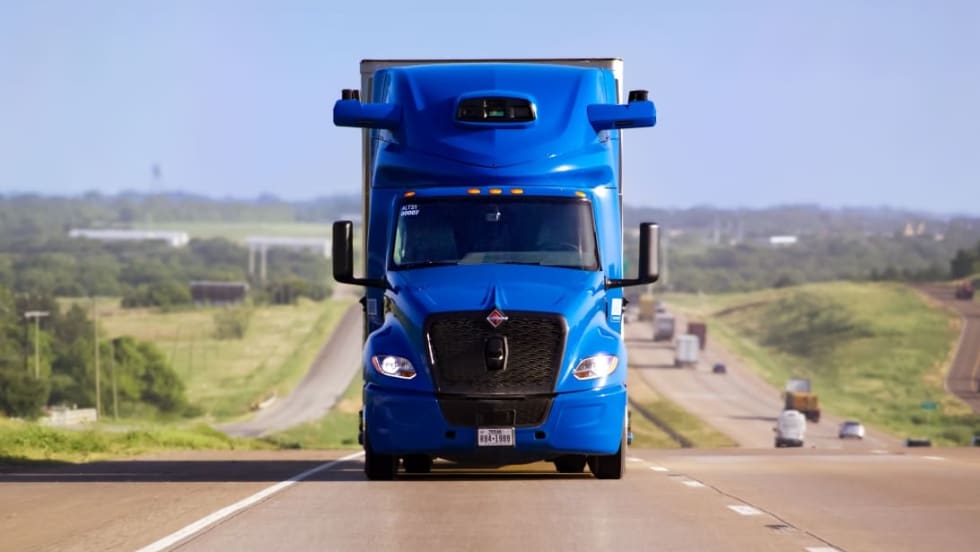
Aurora Rolls Out Next Generation of Driverless Trucks for Commercial Freight
Aurora's latest autonomous trucks it's rolling out with International feature lower-cost hardware designed for a million miles as the company expands commercial driverless freight operations across the U.S. Sun Belt.
Read More →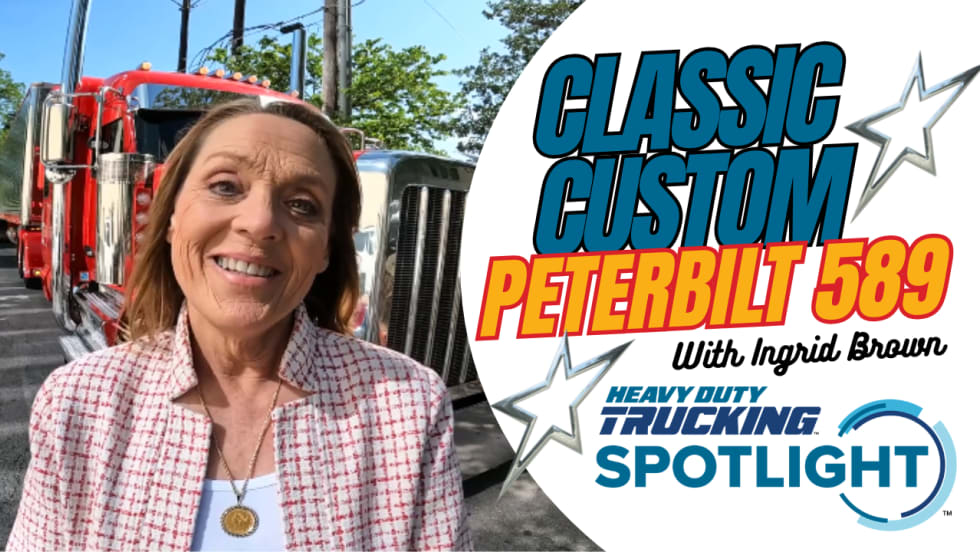
Peterbilt 589 Spotlight: A Close Look at a Custom Working Truck [Video]
There's more to this customized Peterbilt Model 589 and Great Dane refrigerated trailer than chrome and stainless (although there's plenty of that too!) A veteran driver explains the design choices and practical features behind this working truck.
Read More →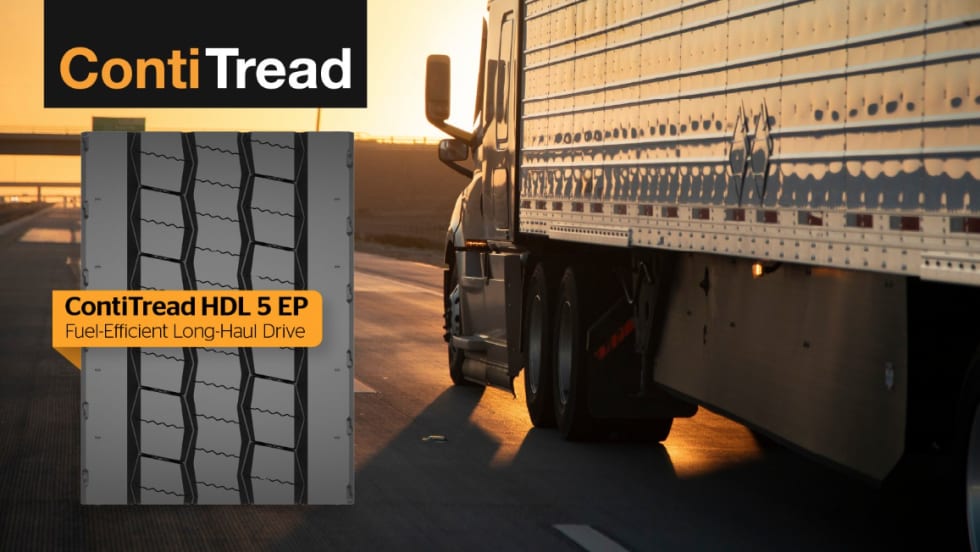
Continental Expands Retread Lineup With New ContiTread HDL 5 EP
New long-haul drive retread is designed to improve fuel efficiency, extend tread life, and lower fleets' cost per mile.
Read More →
EPA Proposal Could Ease 2027 Truck Costs and Buying Uncertainty
The proposal doesn't change the tougher NOx standard, but it would revise key implementation requirements that manufacturers say have driven up costs and complicated fleet purchasing decisions.
Read More →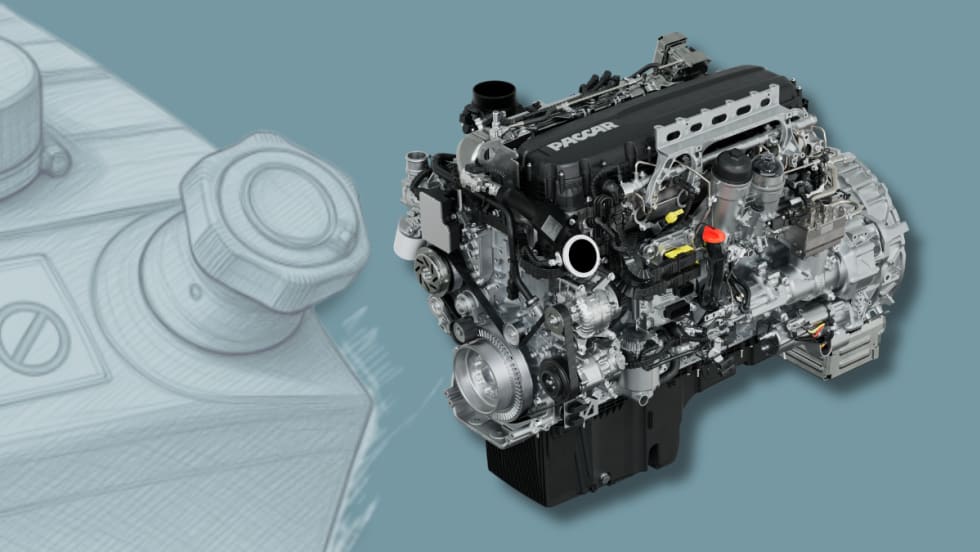
Cummins, Paccar Ease DEF Derates After EPA Guidance
Updated diesel engine software gives truck operators more time to address emissions-system issues while staying compliant with EPA emissions standards.
Read More →