




Q&A: Mack's Stephen Roy Talks About Service, Market Share
Stephen Roy, who has been Mack Trucks president, sales and marketing for North America since Jan. 1, spent the last five years in aftermarket parts and service, which he says is key to the company’s continued success. We sat down with Roy for more insight.

Stephen Roy: "We feel that this year we’re going to bust above 10%" market share.
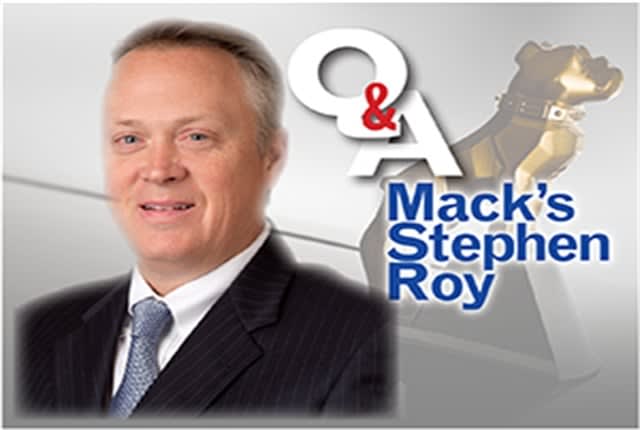
Stephen Roy: "We feel that this year we’re going to bust above 10%" market share.
Stephen Roy has been Mack Trucks president, sales and marketing for North America since Jan. 1. He has worked in the truck building industry for 25 years, much of it with Mack. He started in sales and then went to financing and leasing, where he gained an appreciation for “fleet frustrations.” Roy spent the last five years in aftermarket parts and service, which he says is key to the company’s continued success.
Recently Roy met with trucking industry reporters and said Mack has the right products and has worked with its dealers to speed diagnostics and repairs and add uptime to customers’ trucks. He has added marketing and support staff, and dealers are “fired up” to sell trucks, with new emphasis on highway applications.
We sat down with Roy for some additional insight:
HDT: Truck operators complain about service delays at dealerships in general. What is Mack doing to speed repairs?
Roy: An example is our ASIST, a tool that integrates our customer with the dealer and the OE. Last year we announced Mack GuardDog Connect. This service integrates Mack’s vehicle telematics with our Uptime Center to monitor vehicles and proactively act on any potential issues. If we see any issues, like low coolant, we can proactively notify the customer not only of the issue, but also on the severity of the condition and recommendations for service repair. This service not only provide information for the customer to make the best decision on their delivery, but also many of the repairs can be performed by the customer at their own facility. We even provide repair instructions to expedite that process. With geofencing, we see when the truck’s at a dealer for an hour or more and we can call the dealer and ask, “How can we help to get that truck repaired?” Our Uptime Center focuses on getting the truck on the road.
Q. Isn’t that Big Brotherism?
A. Dealers don’t think it’s Big Brother. They understand that we’re trying to help them move that truck out the door. If customers don’t want to participate, we’ll understand. We sign privacy agreements that we’ll use their data only to help them.
Q. Can customers get some of that data?
A. Later this year we’ll announce a partnerships with various fleet management service providers that offer data and productivity tools for customers.
Q. In truck products, where is Mack now and where is it going?
A. We have a very clear role on the vocational side, we’re strong on the daycab regional side, and now we're also focusing on the long-haul highway business. We’ve invested $20 million in our plant in Macungie, and $260 million at our facilities in Hagerstown, Allentown and Greensboro. For the highway side, our dealers have invested $300 million in expanding their facilities, and adding second and third locations.
Q. Will dealers continue to be dualed with Volvo?
A. Some are going the other way. They’re moving to separate facilities so they can better support each brand. We’re part of Volvo Group and there’ll always be some overlap, but we can keep that at a minimum.
Q. How about technicians?
A. We’ve increased our technician numbers by 50%, and one in four are now Master Technicians. These are folks who are experts at looking at diagnostics and at the higher-end drivetrain components. Last year we signed an agreement with WyoTech for advanced diesel training for our technicians.
Q. How is vocational business now?
A. Refuse continues to be strong, and we’ll have a new automated side-loader product later this year. In construction, we had the greatest presence of all builders in the booths at World of Concrete [in January], not just us but also through the body builders we work with. At the ConExpo show [this month] we’re going to announce a relaunch of the Mack brand. 2006 was the high-water mark in construction and the industry is now at 50 to 60% of where we were then in sales. It’s only going to continue to increase because there’s so much pent-up demand.
Q. Where’s Mack in market share?
A. We feel that this year we’re going to bust above 10%. In 2013, we were at 9.5% for the second half of 2013 and 9.8% in the fourth quarter, so we have good momentum. With vocational now growing – the backlog and the amount of activity we see right now -- there’s no reason we can’t get above 10% this year, with visions of being much greater.
More Equipment
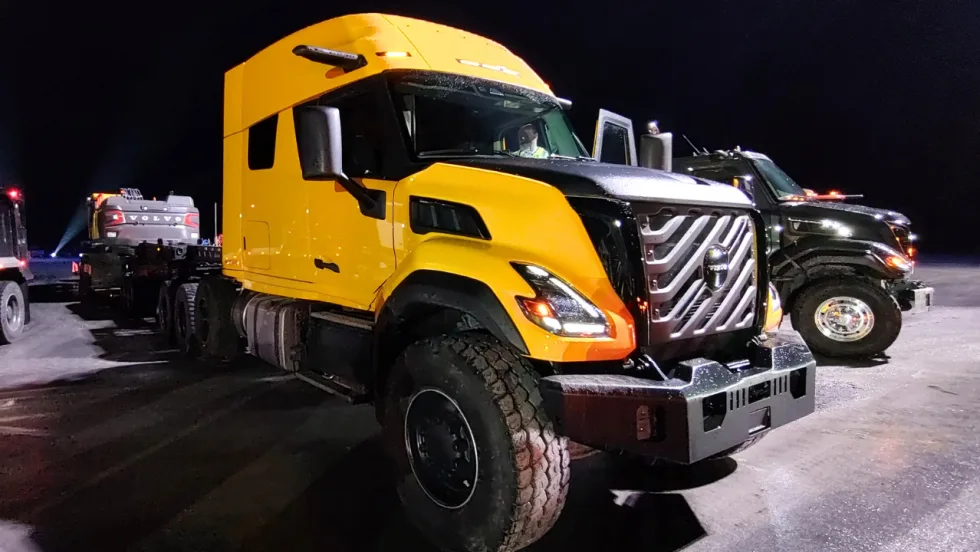
Volvo Unveils New VNX Heavy-Haul and Vocational Truck
Volvo Trucks has launched the VNX, a new vocational truck also available as a tractor in day cab and two sleeper configurations, with one heavy-haul model. The Volvo VNX is powered by Volvo's D13 platform, which delivers up to 540 horsepower and 1,950 pound-feet of torque and is EPA 2027-compliant.
Read More →
How GP Transco Cuts Trucking Fuel Costs, a Tenth of a Gallon at a Time
What’s another tenth of a mile per gallon worth? GP Transco shares how equipment upgrades and driver coaching turn small gains into meaningful fuel savings.
Read More →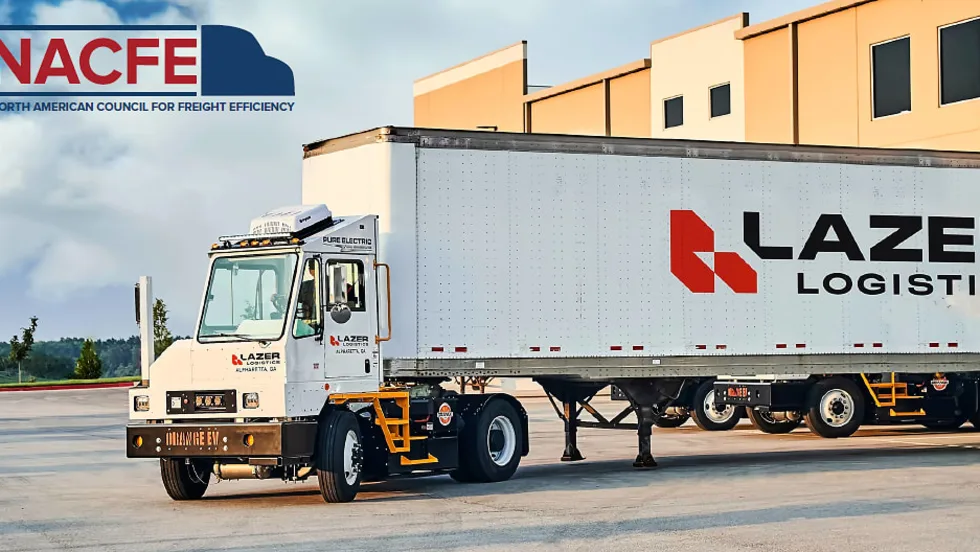
Electric Yard Tractors Move Beyond Pilots
Operating-cost savings have overtaken sustainability goals as the leading reason surveyed fleets are adopting battery-electric terminal tractors, according to new NACFE research.
Read More →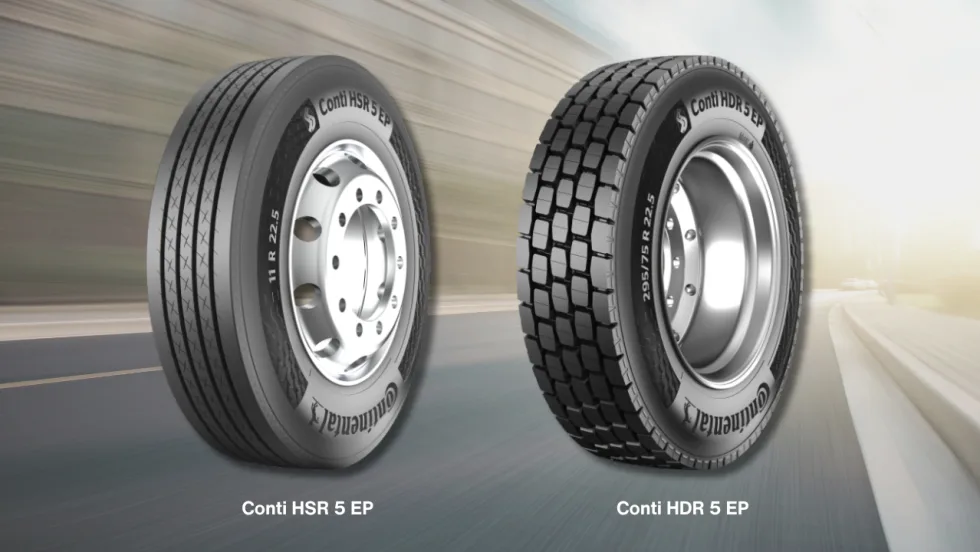
Continental Introduces New Regional Truck Tires
Continental says its new Generation 5 steer and drive tires for regional operations offer longer tread life, with estimated mileage gains of 22% and 19%, respectively.
Read More →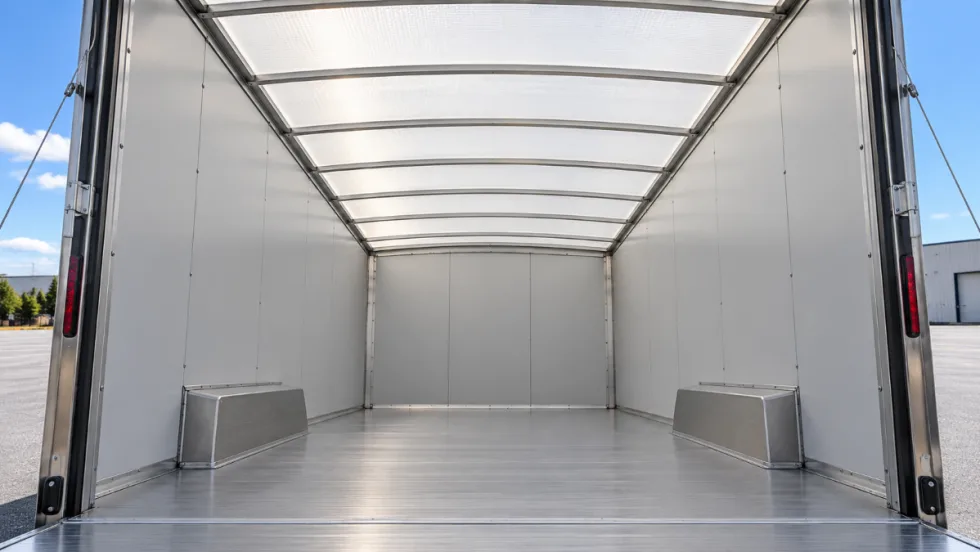
Tekmodo Introduces CargoBright Brand for Translucent Trailer Roofs
CargoBright is designed to diffuse daylight across the cargo area while performing as a working vehicle roof.
Read More →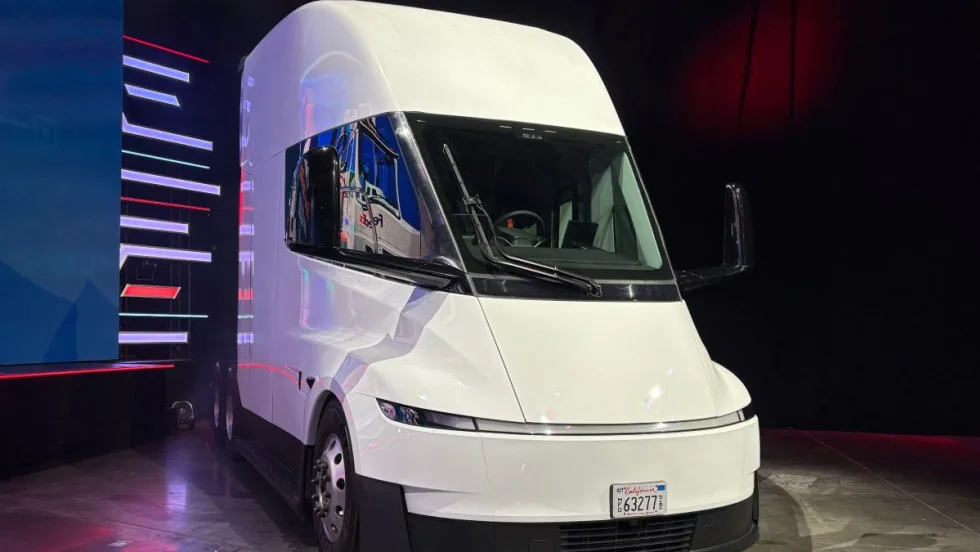
Fleet Economics Shape Electric Truck Outlook
ACT Research expects costs, charging infrastructure, and technology improvements to drive zero-emission commercial vehicle adoption as federal regulations and incentives retreat.
Read More →
Kodiak Targets Dallas–Houston for Driverless Trucks
The company says its autonomous trucks are completing the I-45 run without a safety observer taking control. It plans to remove the observer by the end of 2026.
Read More →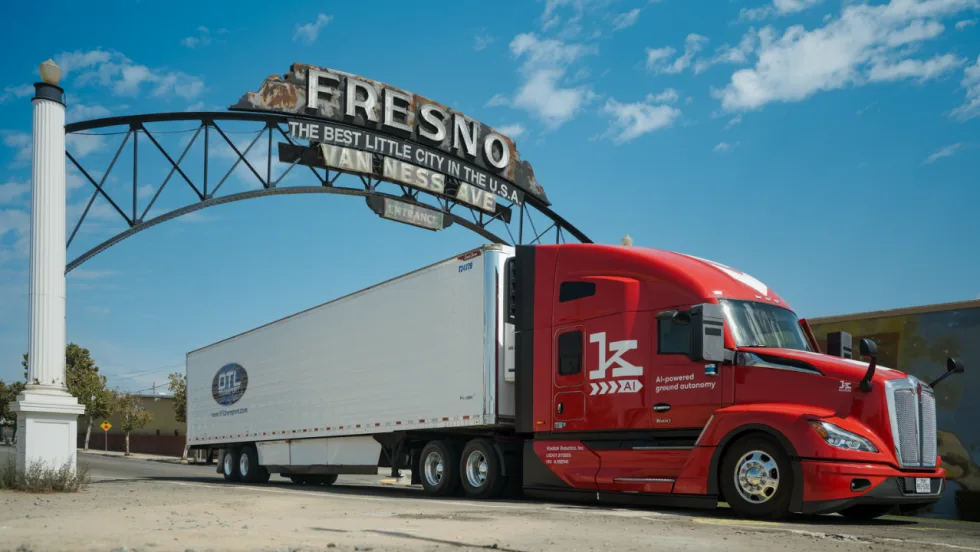
Kodiak Hauls Produce in California Autonomous Truck Pilot
Kodiak AI and DTL Transport have begun hauling produce between Fresno and Los Angeles under California’s new rules for testing heavy-duty autonomous trucks. A safety driver remains behind the wheel.
Read More →
Used-Truck Remarketing Math Is Changing
Used-truck value is no longer just a concern at trade-in. Decisions made throughout a truck’s first life can influence what it’s worth years later.
Read More →
How Volvo Updated Its D13 for EPA 2027 [Watch]
Volvo’s updated D13 promises lower emissions without sacrificing performance or fuel economy. Take a closer look at what changed inside the engine in this HDT Spotlight video.
Read More →