




Calculate True Capacity Before Buying Your Next Trailer: Part One
Long before a single load is booked or any wheels turn, someone - usually a fleet manager - needs to determine exactly what is going to separate the road and the load
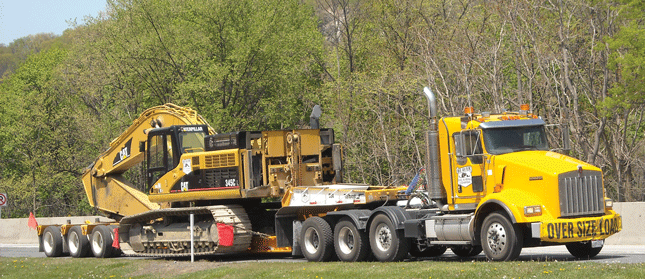
If the payload is a 100,000-pound excavator that’s only 13 feet long, a trailer rated for the entire deck length, or even for 16 feet, won’t be right for the load. The ideal trailer will be one rated at half the deck length.
Long before a single load is booked or any wheels turn, someone - usually a fleet manager - needs to determine exactly what is going to separate the road and the load.

There's a lot riding on this decision because, as much as some would like to think otherwise, a trailer is never just a trailer. It can be manufactured to many different specifications, with multiple raw material options, dozens of load and geographical considerations, various top speed requirements and hundreds of possible axle configurations coming into play. And it all comes down to one objective - the ideal trailer for an operation's specific loads.
To select the right trailer, the one that will require the least amount of maintenance, provide the greatest lifespan and deliver the highest possible return on investment, it is vital to understand the most important factor of all - capacity.
50 Tons in the Making
There are five contributors to capacity ratings. They apply to any kind of open trailer, from flat and step decks to lowbeds, and each can be varied to meet a carrier's specifications.
It begins, of course, with the materials used to build the trailer, specifically their sizes and weights. From there, capacity encompasses the overall weight that a trailer can carry, the area of the deck in which it can carry that weight, the speed at which the trailer will generally travel and the safety factor.
To make an apples-to-apples comparison, consider one 50-ton lowbed alongside another 50-ton lowbed. Because, just as a trailer is never just a trailer, not all 50-ton lowbeds are created equal.
Load Concentration: Half Deck, Full Utilization
There are more than 50 manufacturers of lowbed heavy-haul trailers in North America, and they apply several methods of rating the capacity of their trailers. Since there is no industry-set or government-mandated system, it's up to every buyer to be in tune with the method each manufacturer uses before making a purchase decision.
A key difference between manufacturers' ratings comes in load concentration, or the length of the deck that can handle the rated weight. Obviously, a 26-foot, 50-ton lowbed can haul 50 tons. But how much of the deck those 50 tons occupy is just as important as the weight itself. Whereas one trailer might need the entire length of the deck to be rated at 50 tons, another can be rated for 50 tons in a 16-foot span, and another can handle that same weight in half the deck length.
For example, a 26-foot, 50-ton lowbed might be rated for the trailer's entire span with equal weight distribution. In that case, the trailer would need to be hauling materials that run the entire length of the trailer, such as long steel poles, lumber or concrete culvert sections.
However, if the payload is a 100,000-pound excavator that's only 13 feet long, a trailer rated for the entire deck length, or even for 16 feet, won't be right for the load. Even though the load is only 50 tons, that trailer will be overloaded because the weight will not span the entire length of the deck; making it too concentrated for the area the excavator covers. For a trailer that's rated at full deck length or 16 feet to safely handle the excavator, it would likely need to be rated at 55 or 60 tons.
So again, using the 13-foot, 100,000-pound excavator as the payload, the ideal trailer will be one rated at half the deck length. Trailers rated for half the deck length can carry a specified load in just that, half the length of the deck. These ratings give a more realistic indication of the concentrated loads the trailer will be able to handle safely and without structural failure.
In addition, manufacturers who build trailers with half-deck ratings often do so with a two-point rigid load base specifically for the tire spacing, or hot spots, of large equipment and heavy machinery.
This is the first article in a series about trailer capacity. Click here for Part 2.
More Equipment
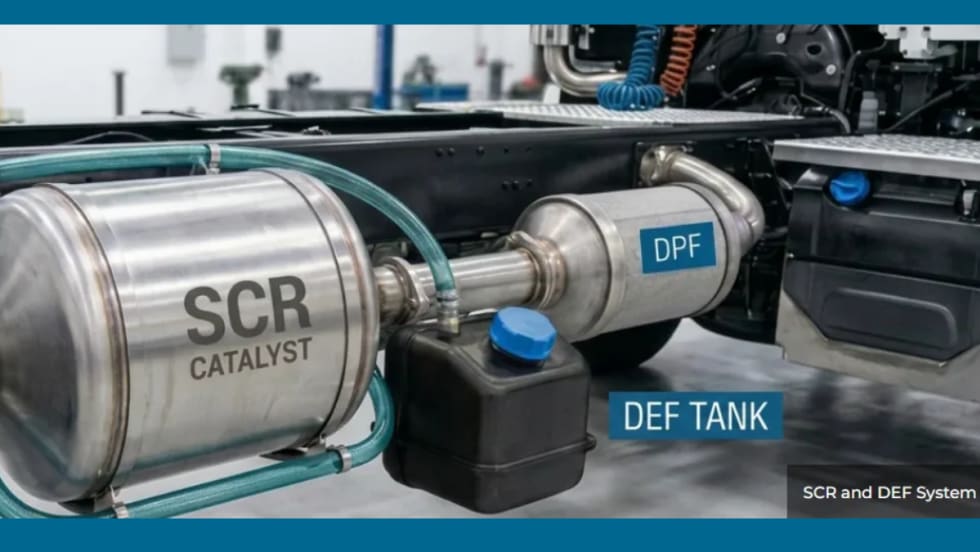
Engine Technology Forum Launches SCR, DEF Resource Center Amid Emissions Debate
The Engine Technology Forum’s new online hub aims to provide fleets, policymakers, and equipment owners with fact-based information about selective catalytic reduction technology, diesel exhaust fluid and emissions compliance.
Read More →
Prime Inc. to Open $7.9M Flagship Used-Truck Dealership
A new driver-focused facility to sell Prime Inc's used trucks and trailers will be the first purpose-built location in the company's history.
Read More →
Lessons Learned About Alternative Fuels: Start Small, Stay Flexible
Practical advice on adopting alternative fuels and ZEVs from HDT's 2026 Top Green Fleets, from renewable diesel and natural gas to electric trucks.
Read More →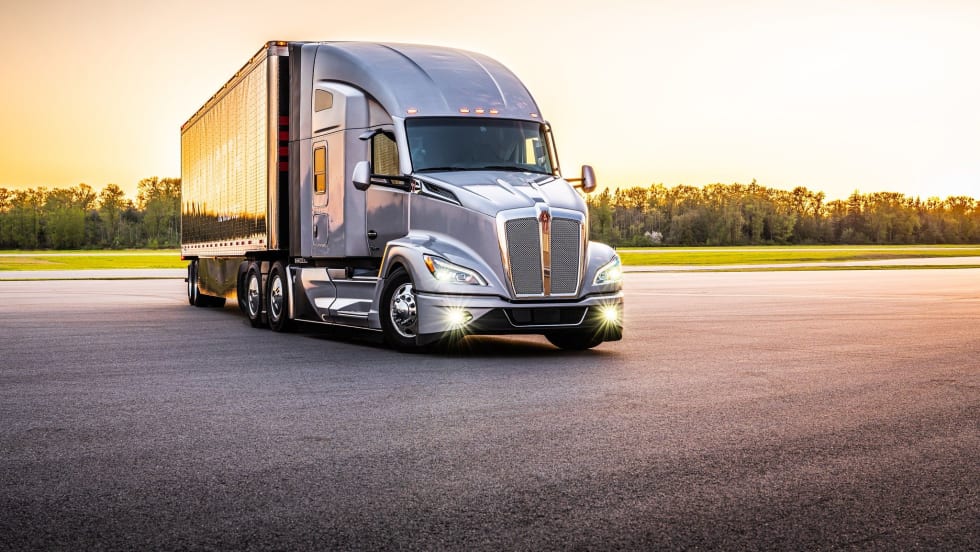
Kenworth Names Peter Ahrens General Manager
Leadership changes at Kenworth take effect July 1 as the OEM promotes two longtime Paccar executives to key management roles.
Read More →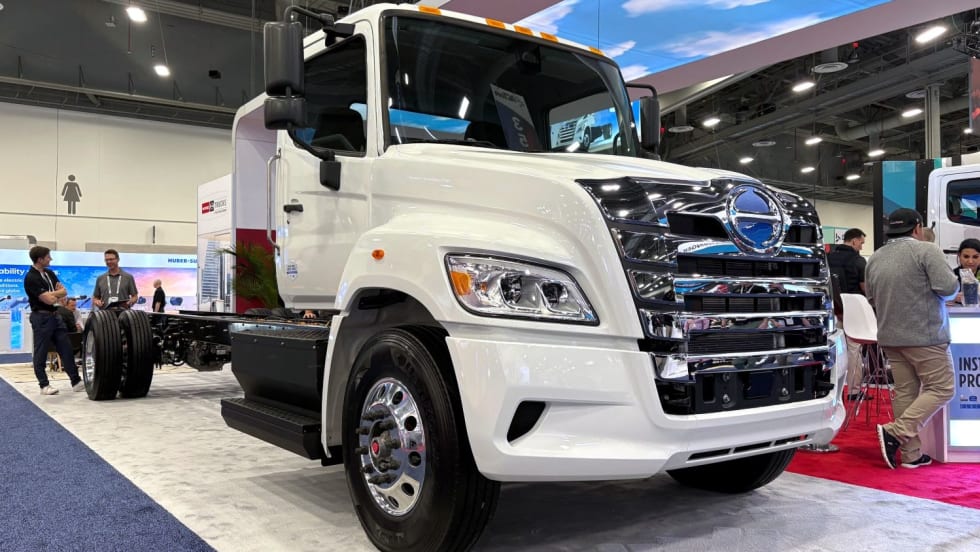
Hino Adds Electric Class 6/7 Truck
Hino says the Le Series is an important step in the company's efforts to reduce environmental impact and support its customers’ sustainability goals.
Read More →
ACT Expo 2026: Highlights in Photos
The 2026 Advanced Clean Transportation Expo featured a broad range of commercial vehicle technologies, from EVs to autonomous trucks to the latest diesel and alternative-fuel engines.
Read More →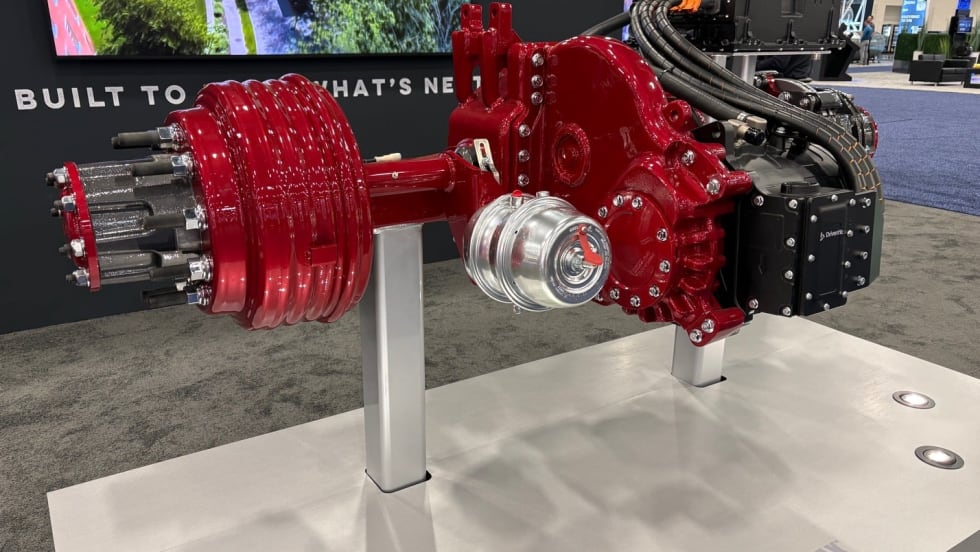
Hendrickson Debuts Electraax E-Axle for Medium-Duty Trucks
Developed with Driventic, Hendrickson's new integrated e-axle is designed to improve efficiency, reduce weight, and extend range in Class 6-7 EV applications.
Read More →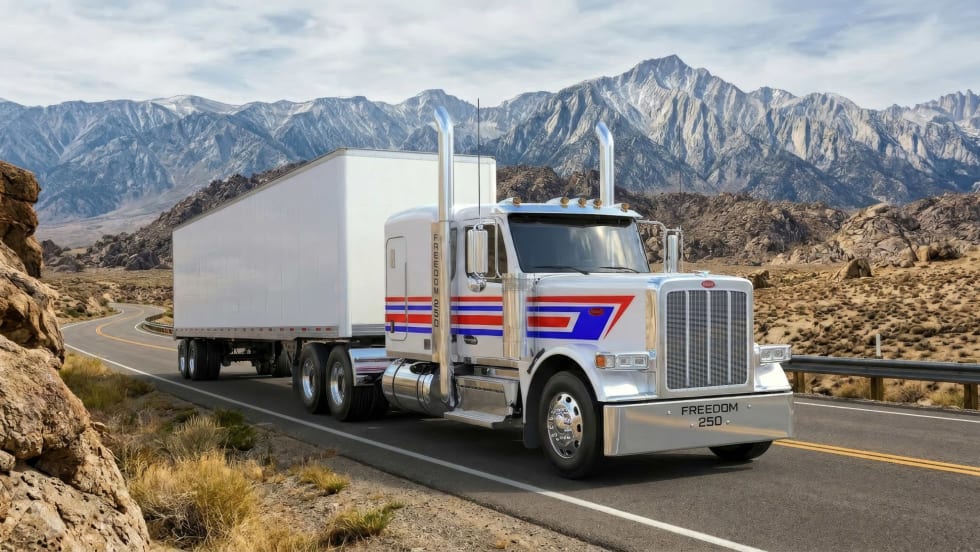
Peterbilt Unveils Freedom 250 Special Edition Model 589
Peterbilt’s just-announced limited-run patriotic Model 579 tractor celebrates America’s 250th birthday with custom styling and premium features.
Read More →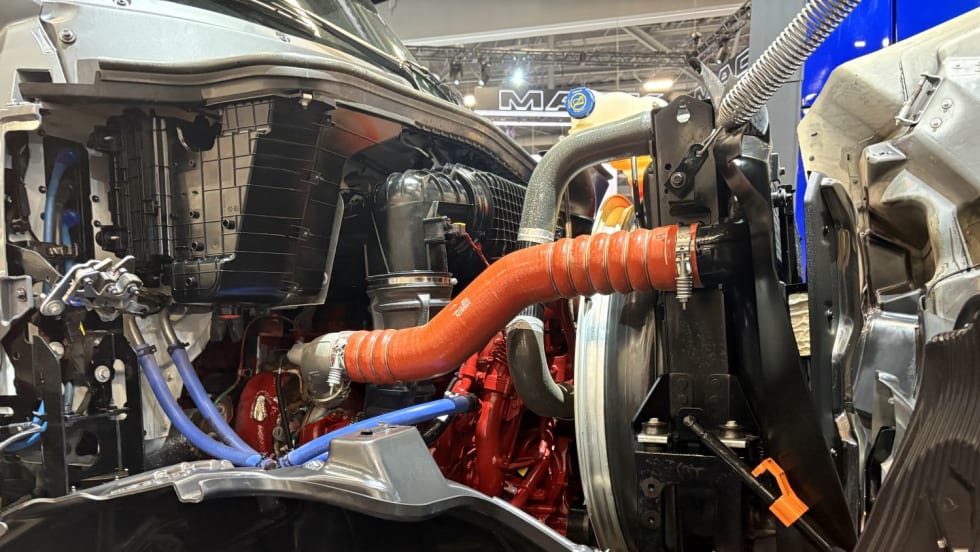
Mack Unveils EPA 2027-Compliant MP13 Engine With More Power, Better Fuel Economy
Along with unveiling its EPA 2027-compliant MP13 engine, Mack outlined powertrain changes across its Class 6-8 lineup, including new Cummins-based X10 engines.
Read More →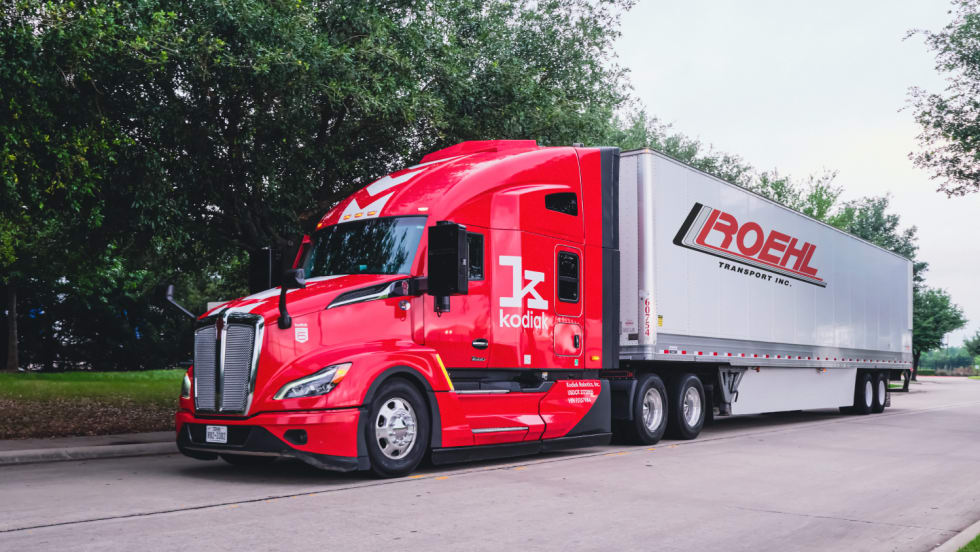
Kodiak and Roehl Transport Launch Autonomous Route Between Dallas and Houston
Kodiak AI and Roehl Transport have begun autonomous freight operations on a regular Dallas-Houston route, marking another step toward Kodiak’s planned driverless launch by the end of 2026.
Read More →