




Medium-Duty Engine and Fuel Problems Decrease, Unscheduled Downtime Increases
As medium-duty truck engine technology advances, more complicated repairs lead to more unscheduled downtime, according to the J.D. Power and Associates 2012 U.S. Medium-Duty Truck Engine and Transmission Study
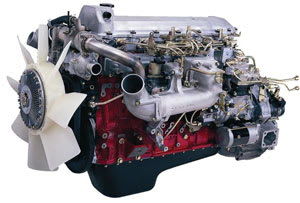
Hino engines rank highest in customer satisfaction for a fifth consecutive year.
As medium-duty truck engine technology advances, more complicated repairs lead to more unscheduled downtime, according to the J.D. Power and Associates 2012 U.S. Medium-Duty Truck Engine and Transmission Study.
The study, now in its fifth year, measures customer perceptions of 2011 model-year Class 5, 6 and 7 gasoline- and diesel-powered engines and provides manufacturers with a comprehensive and objective measure of customer satisfaction and product quality.
Eight attributes are measured to determine overall engine satisfaction: engine reliability and dependability; ease of access for service or maintenance; maintaining speeds on grades; acceleration when fully loaded; control module (ECM); vibration at idle; engine warranty; and average fuel economy.
Overall, the number of engine and fuel problems has decreased to 40 problems per 100 trucks (PP100), down by 11 PP100 from 2011. While the number of problems has decreased, the average length of unscheduled downtime due to these problems is 13.4 days, an increase of 2.7 days from 2011.
"As engine manufacturers continue to make advances in technology, there will likely be fewer problems," said Brent Gruber, director of the commercial vehicle practice at J.D. Power and Associates. "However, the trade-off is that when problems occur, they will likely be more complicated and require more downtime to fix."
The study finds that overall satisfaction with medium-duty truck engines is 760 (on a 1,000-point scale), and increases to 778 when selective catalytic reduction technologies are used to meet emission requirements.
Satisfaction varies among the different classes of trucks, with an 11-point gap in satisfaction between the highest- and lowest-scoring classes. The greatest difference among the three truck classes is the number of reported PP100, with considerably fewer engine problems reported for Class 5 trucks, compared with Class 6 and Class 7 trucks.
Customers' perceptions of their truck engine's performance are the most important factor of overall truck satisfaction. The 2012 study finds that owners who rate their overall engine satisfaction 9 or 10 on a 10-point scale, compared with those who rate their overall engine satisfaction 8 or lower, are more than twice as likely to say they "definitely will" specify the same engine brand again when they're in the market for a new truck (50% vs. 19%, respectively) and repurchase the same vehicle brand (50% vs. 21%, respectively).
"The level of satisfaction directly influences customers' future buying behaviors. By exceeding customers' expectations, engine manufacturers are generating customer loyalty for both the engine and truck brands," said Gruber.
Hino engines rank highest in customer satisfaction for a fifth consecutive year with a score of 801 and performs particularly well in control module; ease of access for service or maintenance; engine reliability and dependability; average fuel economy; and engine warranty. Cummins (793) and Paccar (789) follow Hino in the rankings.
The 2012 U.S. Medium-Duty Truck Engine and Transmission Study is based on responses from 1,272 primary maintainers of one-year-old conventional cab medium-duty trucks. The study was fielded between June and July 2012.
More Equipment
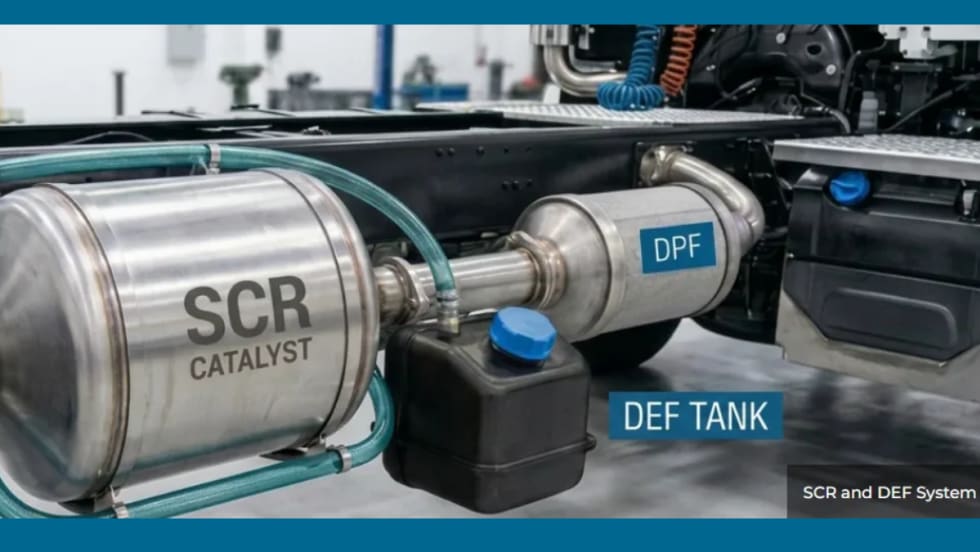
Engine Technology Forum Launches SCR, DEF Resource Center Amid Emissions Debate
The Engine Technology Forum’s new online hub aims to provide fleets, policymakers, and equipment owners with fact-based information about selective catalytic reduction technology, diesel exhaust fluid and emissions compliance.
Read More →
Prime Inc. to Open $7.9M Flagship Used-Truck Dealership
A new driver-focused facility to sell Prime Inc's used trucks and trailers will be the first purpose-built location in the company's history.
Read More →
Lessons Learned About Alternative Fuels: Start Small, Stay Flexible
Practical advice on adopting alternative fuels and ZEVs from HDT's 2026 Top Green Fleets, from renewable diesel and natural gas to electric trucks.
Read More →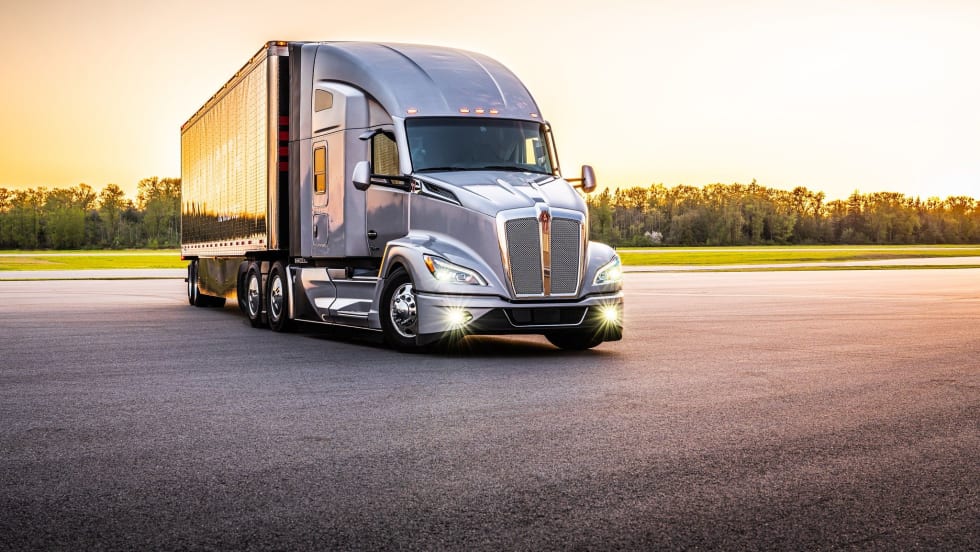
Kenworth Names Peter Ahrens General Manager
Leadership changes at Kenworth take effect July 1 as the OEM promotes two longtime Paccar executives to key management roles.
Read More →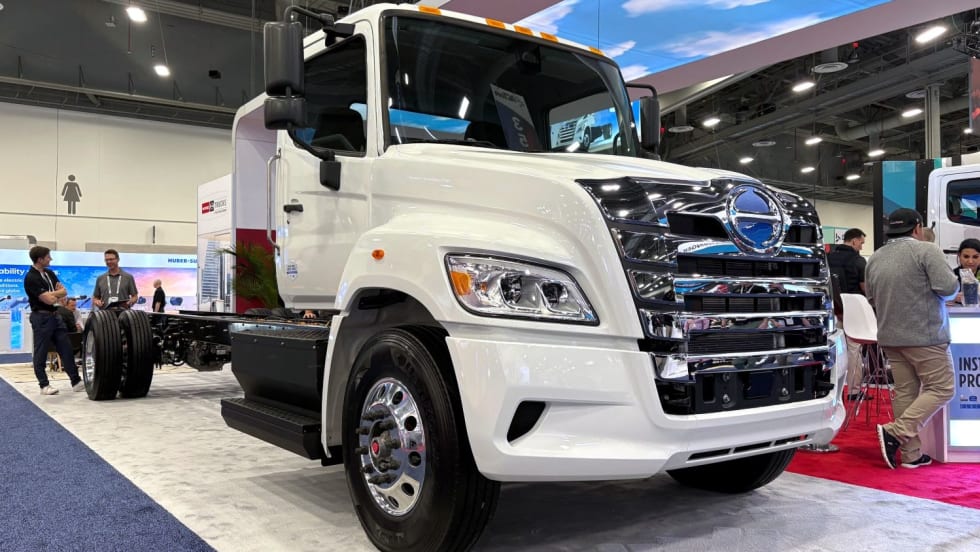
Hino Adds Electric Class 6/7 Truck
Hino says the Le Series is an important step in the company's efforts to reduce environmental impact and support its customers’ sustainability goals.
Read More →
ACT Expo 2026: Highlights in Photos
The 2026 Advanced Clean Transportation Expo featured a broad range of commercial vehicle technologies, from EVs to autonomous trucks to the latest diesel and alternative-fuel engines.
Read More →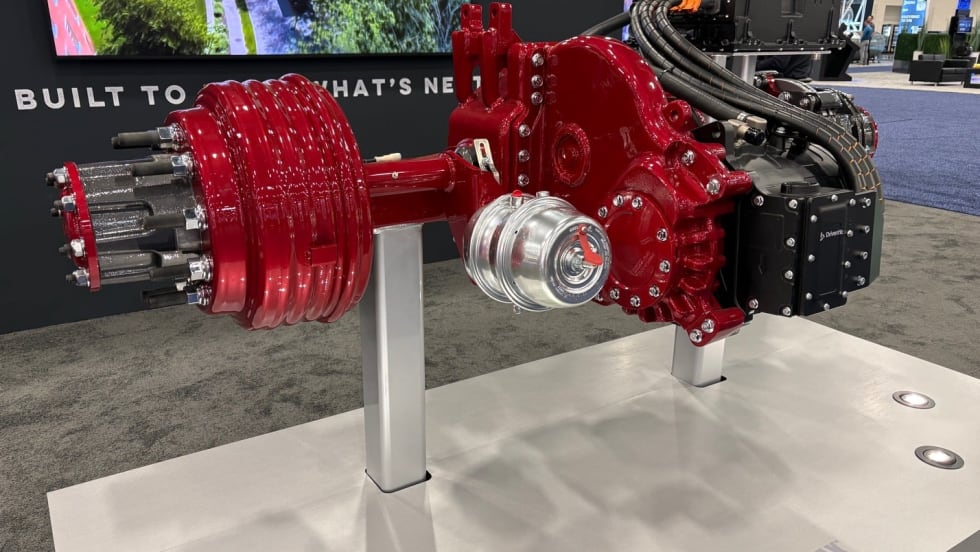
Hendrickson Debuts Electraax E-Axle for Medium-Duty Trucks
Developed with Driventic, Hendrickson's new integrated e-axle is designed to improve efficiency, reduce weight, and extend range in Class 6-7 EV applications.
Read More →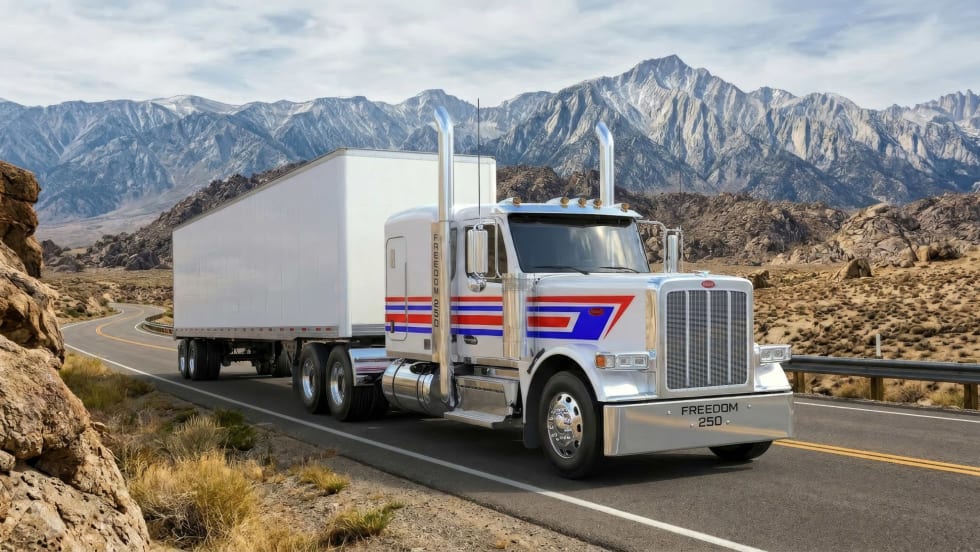
Peterbilt Unveils Freedom 250 Special Edition Model 589
Peterbilt’s just-announced limited-run patriotic Model 579 tractor celebrates America’s 250th birthday with custom styling and premium features.
Read More →
Mack Unveils EPA 2027-Compliant MP13 Engine With More Power, Better Fuel Economy
Along with unveiling its EPA 2027-compliant MP13 engine, Mack outlined powertrain changes across its Class 6-8 lineup, including new Cummins-based X10 engines.
Read More →
Kodiak and Roehl Transport Launch Autonomous Route Between Dallas and Houston
Kodiak AI and Roehl Transport have begun autonomous freight operations on a regular Dallas-Houston route, marking another step toward Kodiak’s planned driverless launch by the end of 2026.
Read More →