




Turbine-Electric Hybrid Whirs and Whooshes But Saves Fuel, Maker Says
A chrome-plated exhaust stack emits a muted whoosh as this truck's turbine engine spins at tens of thousands of RPMs, drawing the curious among attendees at this ride-and-drive event in downtown Long Beach, Calif.

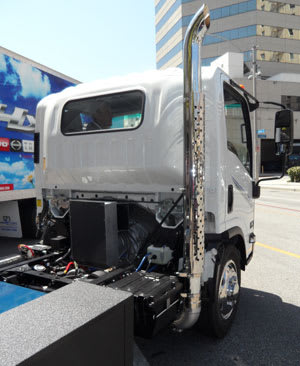
Clean exhaust gas whooshes out the stack as the Wrightspeed microturbine spins a generator to charge this series hybrid's batteries. The sound is not loud, but is like that of a modern airplane's jet engine.
A chrome-plated exhaust stack emits a muted whoosh as this truck's turbine engine spins at tens of thousands of RPMs, drawing the curious among attendees at this ride-and-drive event in downtown Long Beach, Calif.
As part of the Alternative Clean Transportation Expo held last week, the Wrightspeed Route truck is among the vehicles available for sampling. The others have diesel and gasoline engines that run on natural gas, propane and more mundane fuels, but the Route is the only one with a turbine.
It's a "microturbine," actually, and it nestles under the cab of the Isuzu NPR, wrapped in aluminized insulation. Other powertrain components - a 200 kW (268-hp) generator and a 26-kW lithium-ion battery pack -- sit between the truck's frame rails.
At the rear axle are two geared traction drives that use the electricity to propel the truck. There's no body on the frame, so onlookers can freely inspect these parts.
Ian Wright, a native New Zealander who designed the system, invites me to take a spin in this Wrightspeed Route truck. We pile into the cab, buckle up and whir off toward Ocean Avenue, the city's main drag. The accelerator is linked to the traction drives, which run through a 2-speed gearbox, and they smartly push us into motion and down the street. And they drag us down when I take my foot off the pedal.
"It's regenerating now?" I ask Wright, who nods and says, "Oh, yes." The vehicle's motion is being converted into electricity by the generator and sent to the batteries. I turn right onto a cross street and accelerate again. This street quickly dips downhill toward a stop sign, and I again take my foot off the go pedal and the generator pulls down our speed on its own, with no help from the brakes.
"It does it rather aggressively," I remark as I observe the truck's about to stop on the downgrade, so I press lightly on the pedal and move to the painted stop line. "It's almost too aggressive."
"We find in our demonstrations that people get used to it very quickly," Wright says, "and they like it."
"It's a little like driving with a Jake Brake engaged," I say. "You just keep your foot on the pedal and take it off when you want to slow down."
Except, of course, a Jacobs Engine Brake sits atop a diesel engine, and the Isuzu's four-cylinder diesel has been yanked out and replaced by the turbine. So the driveline braking is done electrically, by the generator, which can make as much as 400 retarding horsepower, according to specifications.
Nothing I do with the pedal affects the 250-horsepower microturbine, whose speed is controlled by electronics that are part of the Wrightspeed Route system. The turbine idles at 25,000 RPM and works at a constant 96,000 RPM, Wright explains.
"Ninety-six thousand?!" I exclaim, mentally comparing this to a small diesel's 2,300 or so RPM top turning speed.
"Yes," he smiles.
With no reciprocating pistons or rods, turbines can spin smoothly as well as very fast while their blades compress inlet air, mix it with fuel and ram the super-heated mix against another set of blades to turn the output shaft. For their size turbines can make a lot of horsepower - or thrust in an aircraft - but not much torque.
In this truck, the torque comes from the electric-powered geared drives and they produce another wow-number - 10,600 pound-feet from 0 to 9 mph.
Wright is an unassuming fellow and makes no wild claims about his creation. But in a sales brochure, marketers say the Route system uses half the fuel of a diesel. It'll burn a variety of liquids and gases, and its exhaust is so clean that it needs no aftertreatment. Hmm.
All too soon our round-a-long-block drive is done, and I back the truck into its slot at the curb. I shut off the key and Wright thanks me for taking time to drive the truck. "Thank you," I say.
As I walk toward the truck's rear the turbine keeps whining, then slows when the controls sense that the batteries have been sufficiently charged. Gradually it spools down and the aviation-like sound dissipates. What a neat machine!
Whoops, I forget to ask what it costs. But Wright has agreed to let me take a Route-powered truck out on a longer drive the next time I'm in California, and I'll price one then. Stay tuned for a more extensive article.
More Fuel Smarts
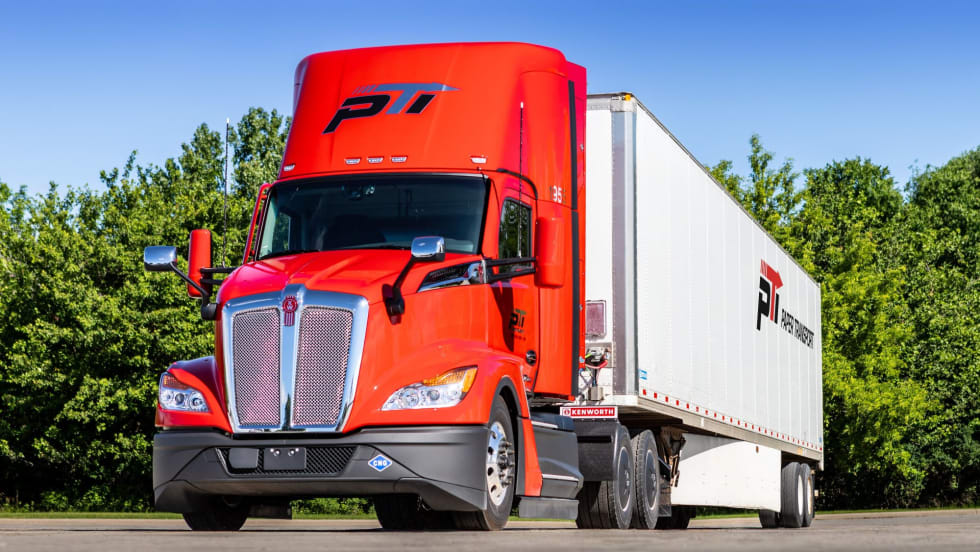
Lessons Learned About Alternative Fuels: Start Small, Stay Flexible
Practical advice on adopting alternative fuels and ZEVs from HDT's 2026 Top Green Fleets, from renewable diesel and natural gas to electric trucks.
Read More →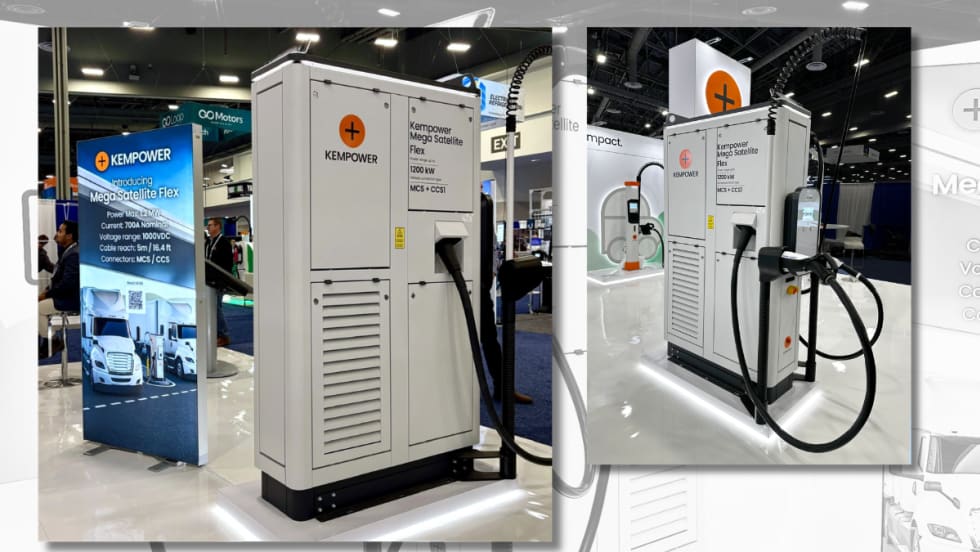
Kempower Adds Flex EV Charger to Help Support Transition to Megawatt Charging
The Kempower Mega Satellite Flex has both a CCS and MCS connector, allowing operators to serve both types of heavy-duty vehicles.
Read More →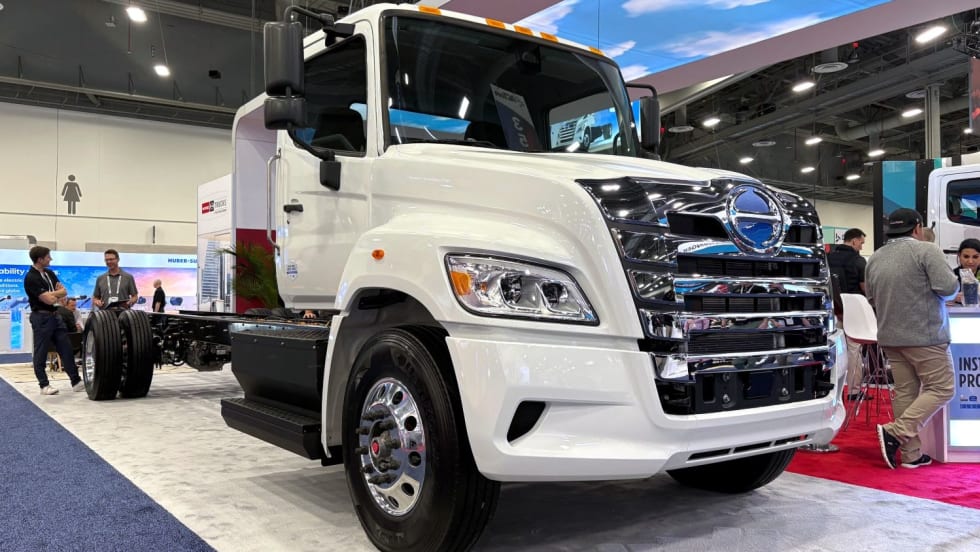
Hino Adds Electric Class 6/7 Truck
Hino says the Le Series is an important step in the company's efforts to reduce environmental impact and support its customers’ sustainability goals.
Read More →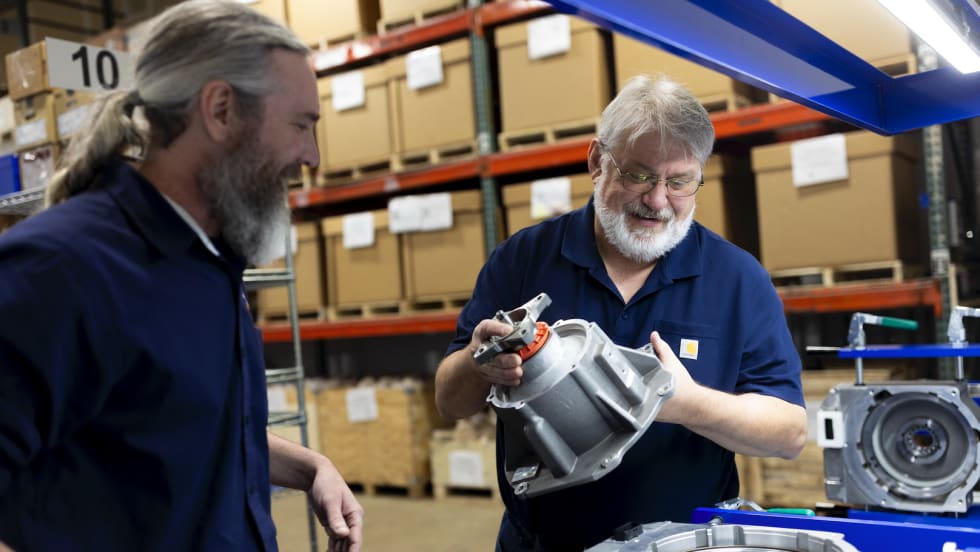
Can Multi-Speed EV Transmissions Solve Heavy Trucking’s Biggest Electric-Vehicle Problems?
A startup called Sigma Powertrain believes purpose-built multi-speed gearboxes can boost efficiency, reduce battery size and improve gradeability for heavy-duty battery-electric trucks.
Read More →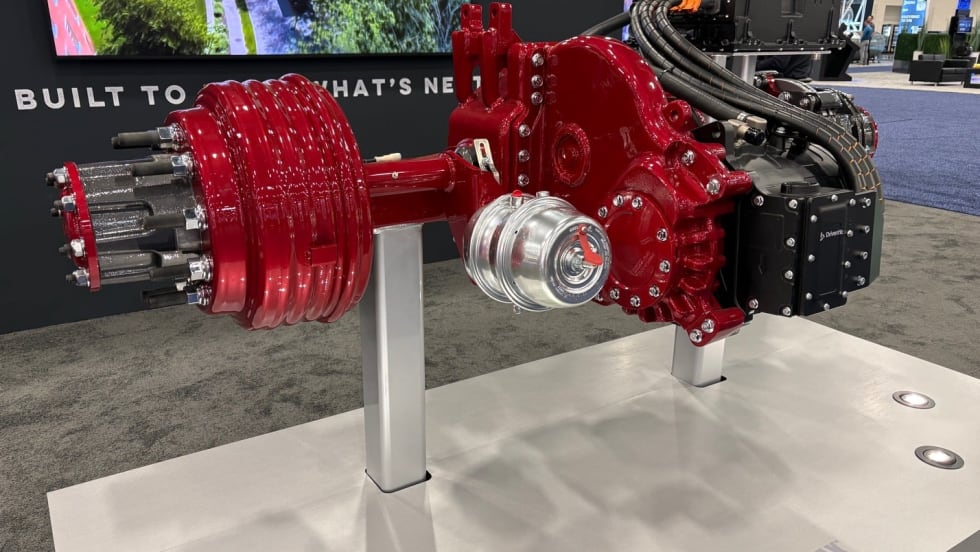
Hendrickson Debuts Electraax E-Axle for Medium-Duty Trucks
Developed with Driventic, Hendrickson's new integrated e-axle is designed to improve efficiency, reduce weight, and extend range in Class 6-7 EV applications.
Read More →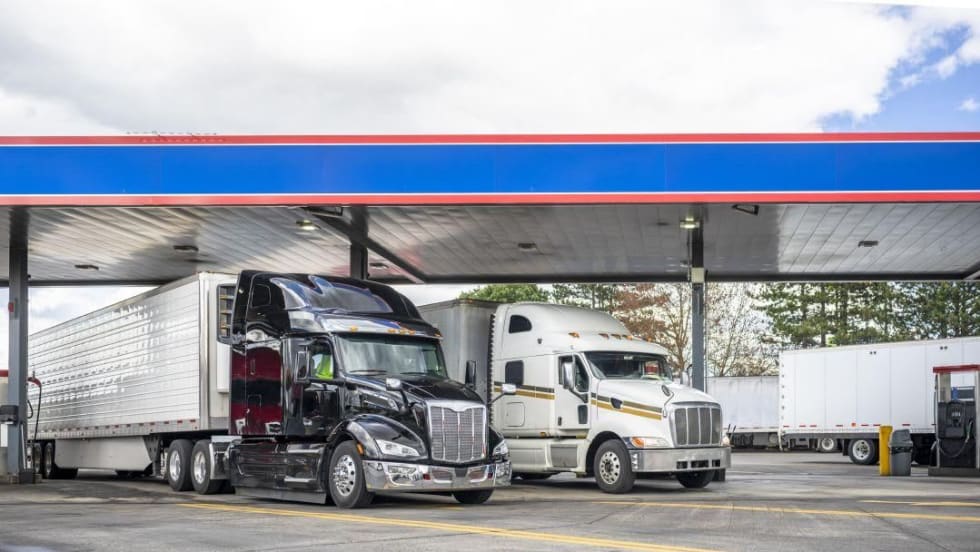
50 Ways Fleets Can Cut Fuel Costs Now — Without Buying New Trucks
Fuel savings don’t come from one big change. They come from dozens of small ones. Here’s how leading fleets are stacking gains across drivers, routing, maintenance, and more.
Read More →
Top Green Fleets 2026: How Fleets Are Reducing Emissions in the Real World
What works in sustainable trucking today? Heavy Duty Trucking's Top Green Fleets are finding practical ways to cut fuel use, reduce emissions, and keep freight moving.
Read More →
California Launching $1 Billion Electric Truck Rebate Program
CARB says the California Clean Fuel Reward program will begin offering point-of-sale rebates of up to $120,000 for electric commercial trucks starting June 26.
Read More →
Mack Unveils EPA 2027-Compliant MP13 Engine With More Power, Better Fuel Economy
Along with unveiling its EPA 2027-compliant MP13 engine, Mack outlined powertrain changes across its Class 6-8 lineup, including new Cummins-based X10 engines.
Read More →
How Volvo’s New D13 Engine Meets EPA 2027 Emissions Without Sacrificing Power or Fuel Efficiency
Volvo says advances in combustion and aftertreatment helped its new EPA 2027 D13 engine avoid the fuel-economy penalties many once expected from tighter NOx emissions limits.
Read More →