




Which Engine Displacement is Right for Your Regional Truck?
The powertrain is a necessarily large part of the spec'ing exercise, and a great deal goes into the decision: anticipated lifecycle; annual miles; average horsepower per mile; vehicle weight; terrain and more

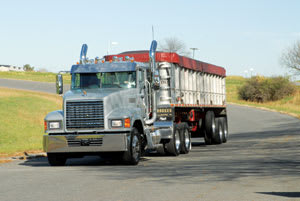
Engine choices are application specific. An 11-liter may save fuel, but you might need a 13-liter or bigger to get the job done.
The powertrain is a necessarily large part of the spec'ing exercise, and a great deal goes into the decision: anticipated lifecycle; annual miles; average horsepower per mile; vehicle weight; terrain and more.
With three popular displacements to choose from, the choices are broader then ever.
All of the engine makers now offer families of engines with up to three displacement offerings. Some have common (or similar) architecture; some have common parts, common service tools and common technician training.
In many ways, it makes sense to stay within the brand for the sake of commonality and lower support costs such as service tools, technician training and parts inventory.
Because day-cab configurations typically have a smaller hood envelope for better visibility and maneuverability, the smaller displacement engine is an obvious choice for the physically smaller vehicle. However, you won't give up much at all with the smaller powerplant.
"Our ISX12 is quite capable of 80,000 pounds, but if you think about the average horsepower per mile needed in a regional application versus a long-haul environment, the load factors and the duty cycles are quite different," points out Cummins' Lou Wenzler, technical support sales manager.
"Regional trucks are not cruising down an Interstate for six hours at a stretch. They are on and off the highway, driving on city streets and often are hauling loads that get progressively lighter throughout the day, or in the case of a tank operation, may be running empty close to half the time. It's not that regional loads are necessarily lighter, but the need for a large-displacement engine - think in terms of durability and high-mileage life cycles - just isn't there."
Trade cycles also drive the engine spec to a large extent. Generally speaking, today's 11-liter engine offerings produce between 325 and 450 horsepower (1,250-1,450 pounds-feet), while the 13-liter engines crank out 350 and 475 horsepower (1,400-1,750 pounds-feet), so ratings are not that far apart. Like their 15-liter cousins, 13-liter engines tend to be more robust than their smaller 11-liter counter parts.
T.J. Reed, director of product marketing at Freightliner Trucks, says, "Long-haul operators want the 15-liter engines for resale value, while the regional haulers are looking for lighter weight and better fuel economy."
Fleets that plan to keep engines in service for eight to 10 years would probably opt for a 13-liter block, while shorter trade cycles or fewer annual miles might demand only an 11-liter machine.
"Unless fleets have high power demands or particularly severe duty cycles, a typical regional truck has a lighter duty cycle and lower annual mileage, so we'd look to the smaller engines," says Ryder's Perry. "Knowing what you are asking of the engine going in, and how long you plan to keep it, will help you make a more appropriate spec'ing decision."
To read more about spec'ing for regional trucks, click here.
From the March 2012 issue of HDT
More Equipment
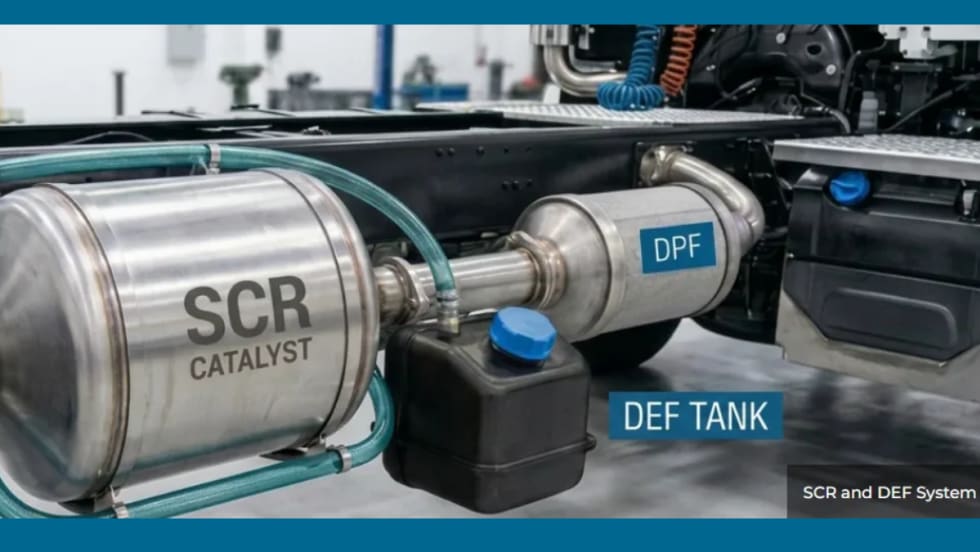
Engine Technology Forum Launches SCR, DEF Resource Center Amid Emissions Debate
The Engine Technology Forum’s new online hub aims to provide fleets, policymakers, and equipment owners with fact-based information about selective catalytic reduction technology, diesel exhaust fluid and emissions compliance.
Read More →
Prime Inc. to Open $7.9M Flagship Used-Truck Dealership
A new driver-focused facility to sell Prime Inc's used trucks and trailers will be the first purpose-built location in the company's history.
Read More →
Lessons Learned About Alternative Fuels: Start Small, Stay Flexible
Practical advice on adopting alternative fuels and ZEVs from HDT's 2026 Top Green Fleets, from renewable diesel and natural gas to electric trucks.
Read More →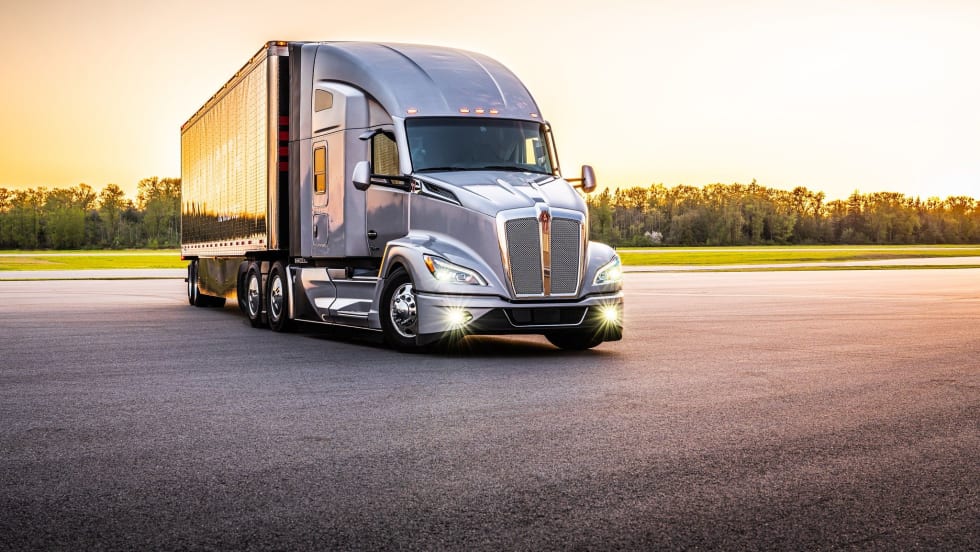
Kenworth Names Peter Ahrens General Manager
Leadership changes at Kenworth take effect July 1 as the OEM promotes two longtime Paccar executives to key management roles.
Read More →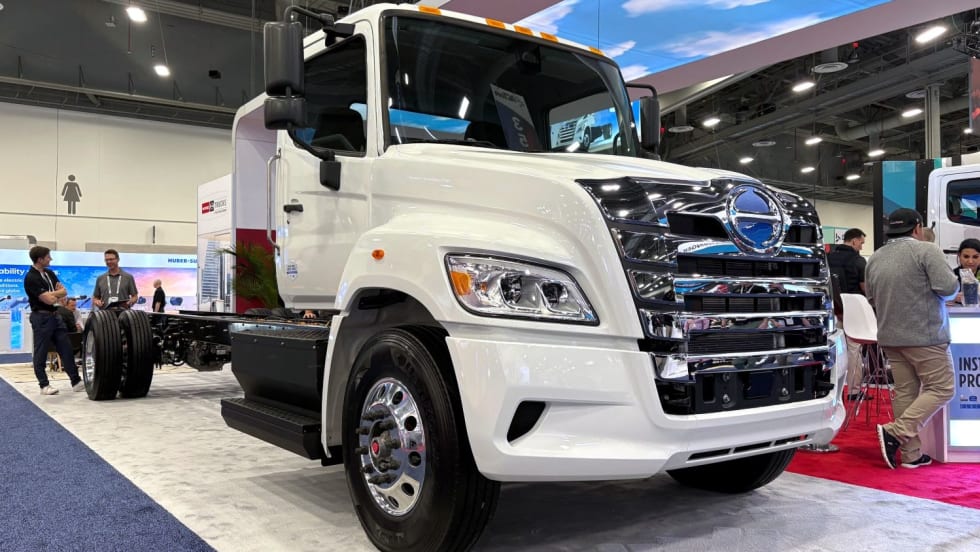
Hino Adds Electric Class 6/7 Truck
Hino says the Le Series is an important step in the company's efforts to reduce environmental impact and support its customers’ sustainability goals.
Read More →
ACT Expo 2026: Highlights in Photos
The 2026 Advanced Clean Transportation Expo featured a broad range of commercial vehicle technologies, from EVs to autonomous trucks to the latest diesel and alternative-fuel engines.
Read More →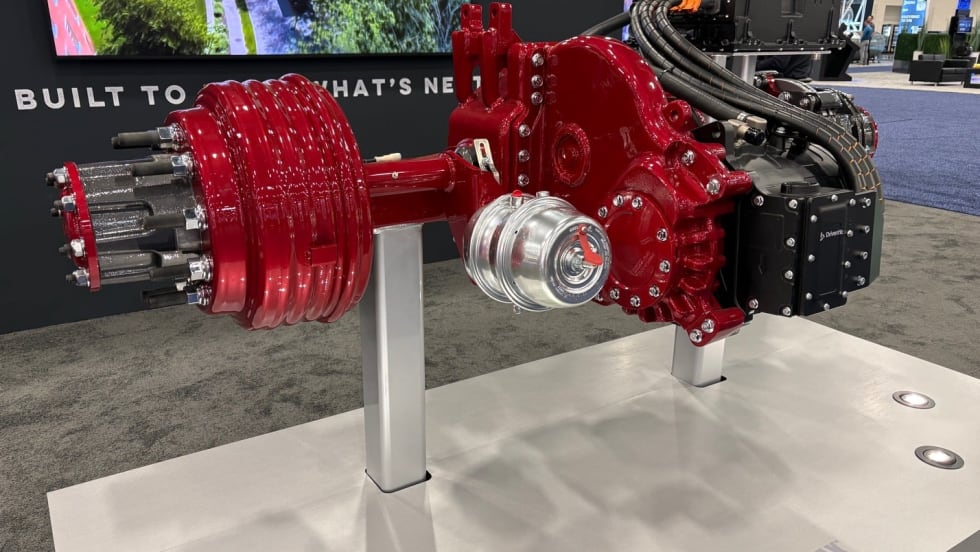
Hendrickson Debuts Electraax E-Axle for Medium-Duty Trucks
Developed with Driventic, Hendrickson's new integrated e-axle is designed to improve efficiency, reduce weight, and extend range in Class 6-7 EV applications.
Read More →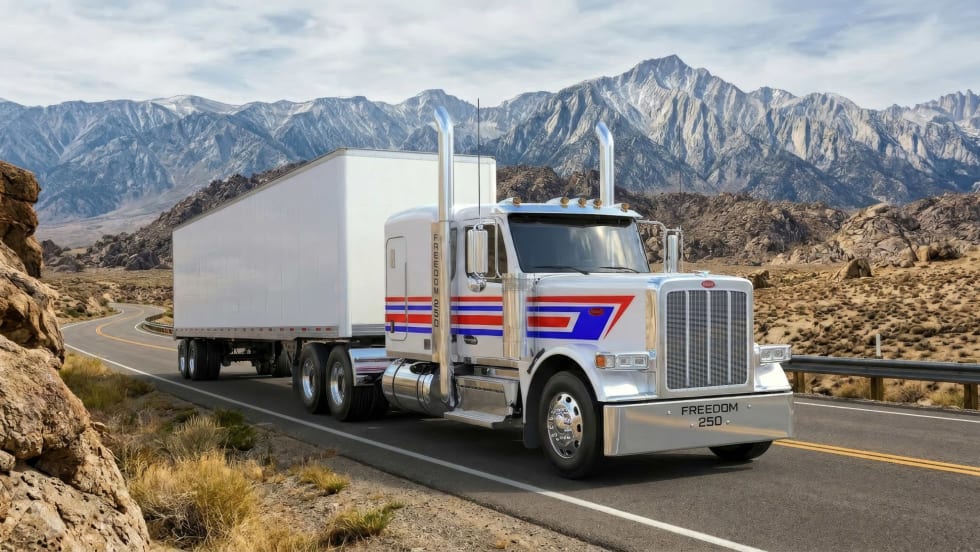
Peterbilt Unveils Freedom 250 Special Edition Model 589
Peterbilt’s just-announced limited-run patriotic Model 579 tractor celebrates America’s 250th birthday with custom styling and premium features.
Read More →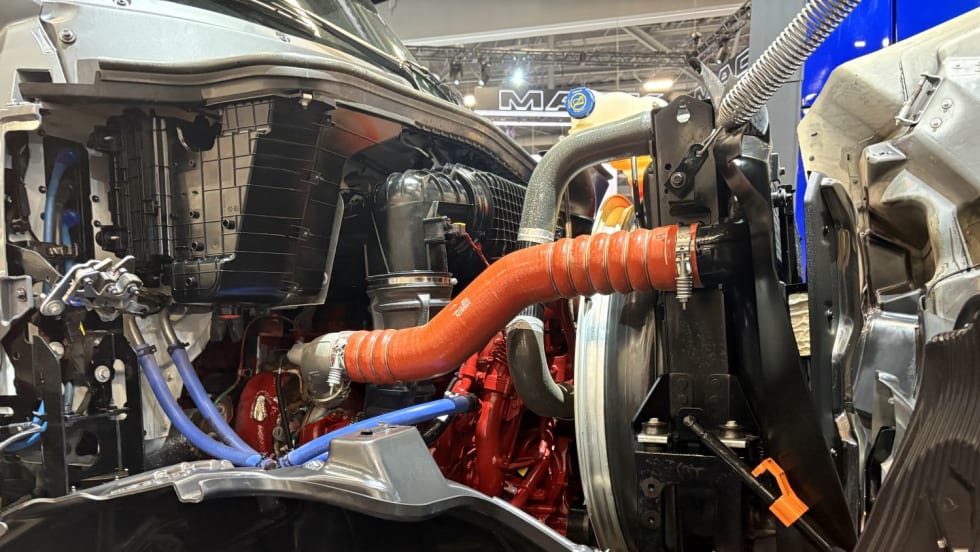
Mack Unveils EPA 2027-Compliant MP13 Engine With More Power, Better Fuel Economy
Along with unveiling its EPA 2027-compliant MP13 engine, Mack outlined powertrain changes across its Class 6-8 lineup, including new Cummins-based X10 engines.
Read More →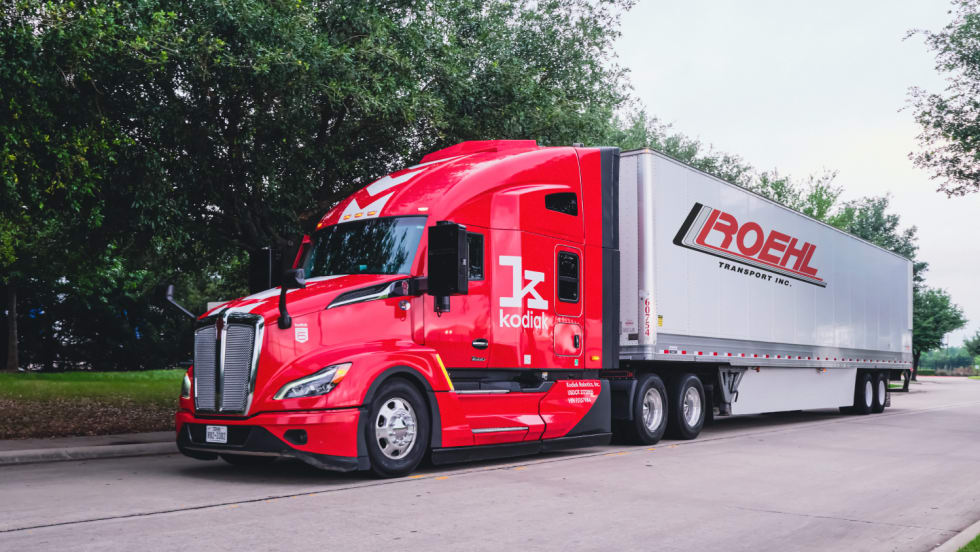
Kodiak and Roehl Transport Launch Autonomous Route Between Dallas and Houston
Kodiak AI and Roehl Transport have begun autonomous freight operations on a regular Dallas-Houston route, marking another step toward Kodiak’s planned driverless launch by the end of 2026.
Read More →