




Nitrogen Tire Inflation
Nitrogen is not some magic gas with mystical properties, nor is it some philosopher's stone capable of changing the properties of tire rubber

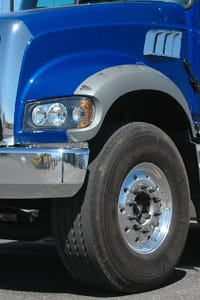
Nitrogen tire filling helps maintain proper inflation pressure longer. (Photo by Jim Park)
Nitrogen is not some magic gas with mystical properties, nor is it some philosopher's stone capable of changing the properties of tire rubber.
Yet, proponents say, relatively pure nitrogen is a superior medium for inflating tires compared to air. It's a naturally occurring inert gas making up roughly 78 percent of the air we breathe - the same air we compress to inflate tires. If it's so innocuous, how does it produce the fuel economy and tire life benefits we hear about?
First, a little clarification. You're not putting anything new into your tires; nitrogen is already there in air - along with about 21 percent oxygen and 1 percent trace elements. The so-called nitrogen generators used in tire inflation systems don't make nitrogen; they use a membrane process to remove most of the oxygen from the air, leaving you with an inflation medium that is 95 to 98 percent pure nitrogen.
The key benefit to nitrogen tire inflation is that it slows the natural pressure loss in tires. Oxygen is able to permeate tire rubber, producing the expected 1 to 5 percent loss of inflation pressure over a month or so. Nitrogen permeates more slowly because nitrogen molecules are physically larger than oxygen molecules. Barring leaks, poorly seated beads, bad valves, etc., a tire inflated with nitrogen will retain a constant pressure longer than one filled with air, minimizing the headaches caused by under-inflation or mismatched inflation across sets of duals.
Additionally, nearly pure nitrogen is devoid of moisture, so you won't have water sloshing around in the tire, possibly corroding steel wheels, or freezing tire valves in winter. It is also believed that as it passes through the walls of the tire, oxygen causes minor degradation of the liner and casing rubber through oxidation.
We contacted three fleets who use nitrogen to inflate their tires, and two out of three said they are very pleased with tire performance. The third was equally pleased, but said they got the same results using an automatic tire inflation system.
"We used the nitrogen system for about a year, and it worked just the way they told us it would," says Chuck Frost, maintenance manager for Gypsum Express in Syracuse, N.Y. "We weren't dissatisfied with it, but we found PSI's automatic tire inflation system to be more cost-effective."
Paul Mincy of Adams Motor Express in Carnsville, Ga., on the other hand, swears by nitrogen.
"We're running a five-to-one trailer-to-tractor ratio, and lots of those are dropped trailers. Some are away from the shop three months at a time, but we've seen little if any pressure loss on those tires," he says. "We've got 2,800 tires on nitrogen now, and we haven't had a soft-tire blowout in four years. The year before we started we had 63 pressure-related failures."
Mincy says he hasn't even tried to calculate the fuel economy benefits because there are too many other variables to worry about here, but he says tread wear has improved, and time spent checking pressure and airing up tires has all but disappeared from his billing roster.
"Our pressure compliance is close to 100 percent now, at no additional cost to the fleet for drivers' or shop time to maintain pressure," he says. "Some fleets might not notice, or might expect too much from the system, but a fleet with a good tire tracking program will see the advantages very quickly."
Walmart is such a fleet. That company currently has nitrogen inflation systems installed at more than 50 of its fleet service centers. Walmart does not discuss its maintenance strategies publicly, but Chris Sultemeir, the retailer's senior vice president of transportation services, appears in a promotional video on Walmart's corporate website saying tire inflation is part of their fuel savings and emission reduction strategy.
"What we plan to do from a tire standpoint, and what we're currently testing, is nitrogen filled tires or an automatic filling process to maintain a constant air pressure," he says. "It's critical from the standpoint of rolling resistance with the tires that we keep a constant pressure in these tires for maximum fuel efficiency."
Paying for air?
On the surface, it might seem like you're paying a lot for air just to get nitrogen inflation. Compressed air is basically free and available anywhere, but the quality of that air and its moisture content is suspect at some locations. Shop air, generally, is clean and dry, but you have to invest a little money in a good shop air system. With nitrogen filling, you're investing a little more money to get a better quality inflation medium that, all things being equal, will alleviate some of the downstream grief associated with tire pressure maintenance - like pleading with drivers to check their tires, and paying technicians to fill tires that drivers didn't check.
Tire pressure monitoring systems will alert you to a low tire, but won't top it up. Automatic inflation systems will top up a tire for you, but won't necessarily tell you which tire is leaking - although a combination of the two can resolve that. Tire inflation systems can mask tire punctures if the driver isn't aware that the system is working, or it comes on only briefly. If a puncture exists, moisture can still seep into the casing, possibly compromising the steel cord.
It all comes down to the return on your investment. According to Bill Hyatt of Inflation Solutions Group, a capital investment of $45,000 amortized over a fleet of 200 trucks leads to a one-time cost of $225 per truck at start-up. How long it might take to recover $225 per truck from failed tires is the question. After that - and a little ongoing system maintenance - nitrogen, like air, is basically free.
The tire manufacturers do not endorse nitrogen as a fill medium, nor do they prohibit it. Several acknowledge the benefits of lower seepage rates relative to maintaining proper inflation pressure.
Fuel economy benefits from properly inflated tires are tangible, but nitrogen alone isn't the instrument of improvement. Nitrogen will slow a tire's rate of pressure loss relative to air, and thus maintain a set pressure for longer, but those tires can't be ignored. They can always suffer a puncture, and that will let the air out of your tire maintenance plans as quickly as anything else.
For more information:
Go Nitro Tire
www.gonitrotire.com
Inflation Solutions Group
www.isgfleet.com
Kaeser UltraFill 99+
www.kaeser.com/ultrafill99
NitrogenMan
www.nitrogenman.com
Parker Tire Saver
www.tiresavernitrogen.com
Get Nitrogen Institute
www.getnitrogen.org
From the August 2010 issue of Heavy Duty Trucking.
More Equipment
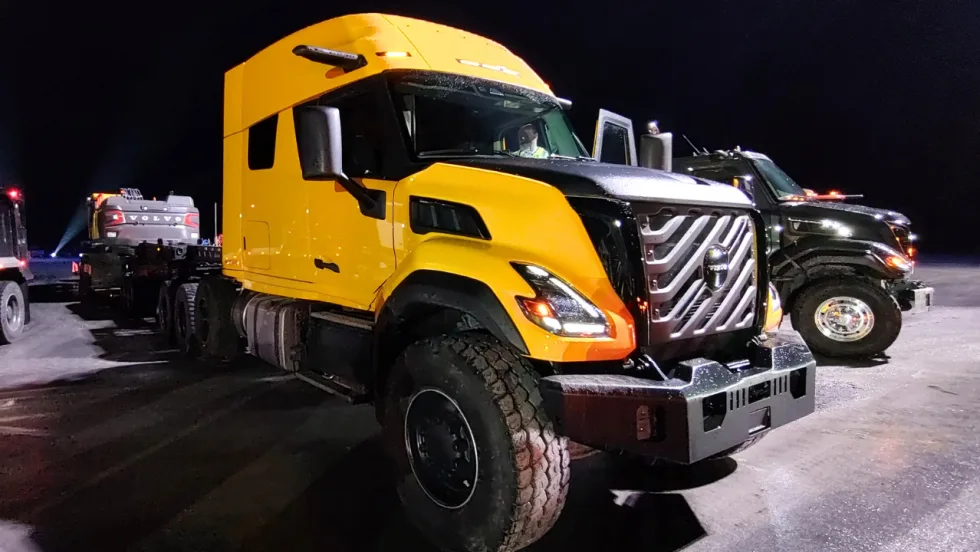
Volvo Unveils New VNX Heavy-Haul and Vocational Truck
Volvo Trucks has launched the VNX, a new vocational truck also available as a tractor in day cab and two sleeper configurations, with one heavy-haul model. The Volvo VNX is powered by Volvo's D13 platform, which delivers up to 540 horsepower and 1,950 pound-feet of torque and is EPA 2027-compliant.
Read More →
How GP Transco Cuts Trucking Fuel Costs, a Tenth of a Gallon at a Time
What’s another tenth of a mile per gallon worth? GP Transco shares how equipment upgrades and driver coaching turn small gains into meaningful fuel savings.
Read More →
Electric Yard Tractors Move Beyond Pilots
Operating-cost savings have overtaken sustainability goals as the leading reason surveyed fleets are adopting battery-electric terminal tractors, according to new NACFE research.
Read More →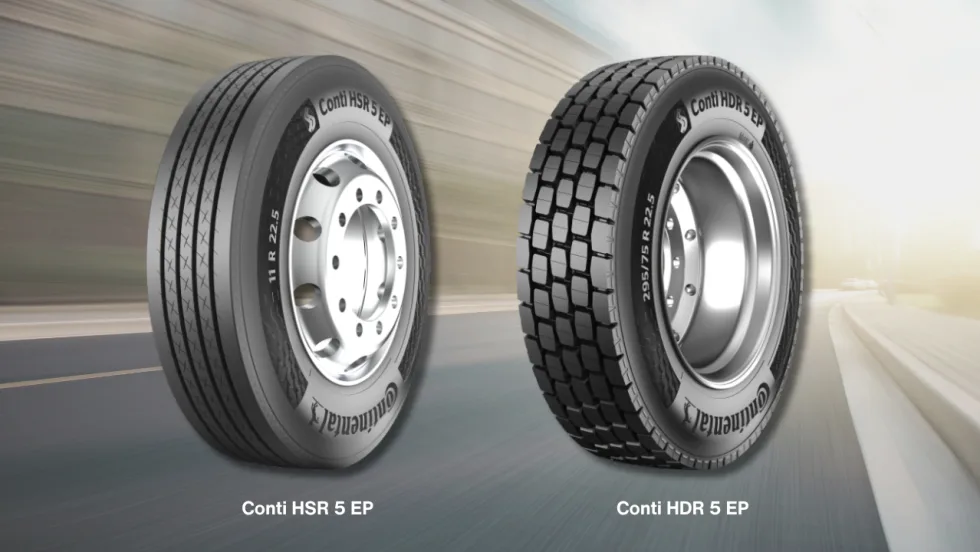
Continental Introduces New Regional Truck Tires
Continental says its new Generation 5 steer and drive tires for regional operations offer longer tread life, with estimated mileage gains of 22% and 19%, respectively.
Read More →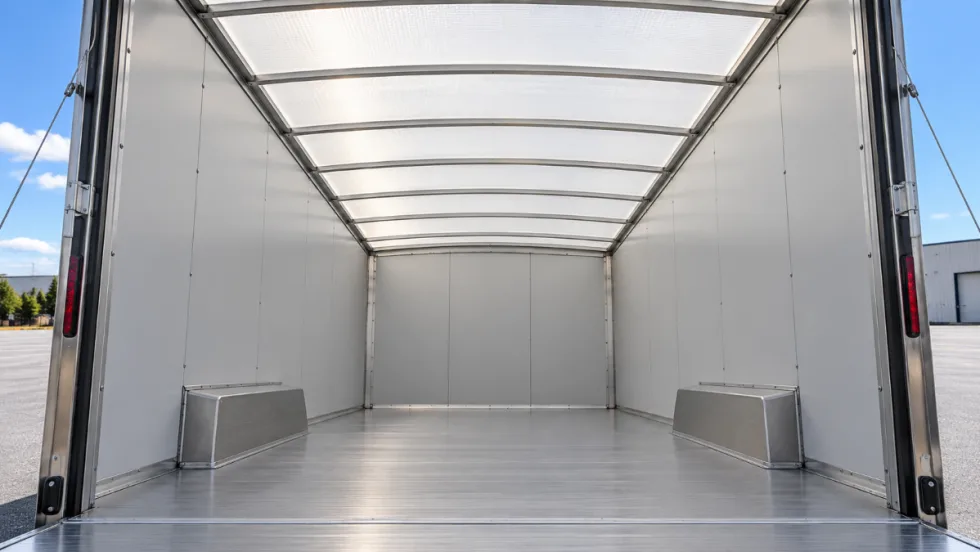
Tekmodo Introduces CargoBright Brand for Translucent Trailer Roofs
CargoBright is designed to diffuse daylight across the cargo area while performing as a working vehicle roof.
Read More →
Fleet Economics Shape Electric Truck Outlook
ACT Research expects costs, charging infrastructure, and technology improvements to drive zero-emission commercial vehicle adoption as federal regulations and incentives retreat.
Read More →
Kodiak Targets Dallas–Houston for Driverless Trucks
The company says its autonomous trucks are completing the I-45 run without a safety observer taking control. It plans to remove the observer by the end of 2026.
Read More →
Kodiak Hauls Produce in California Autonomous Truck Pilot
Kodiak AI and DTL Transport have begun hauling produce between Fresno and Los Angeles under California’s new rules for testing heavy-duty autonomous trucks. A safety driver remains behind the wheel.
Read More →
Used-Truck Remarketing Math Is Changing
Used-truck value is no longer just a concern at trade-in. Decisions made throughout a truck’s first life can influence what it’s worth years later.
Read More →
How Volvo Updated Its D13 for EPA 2027 [Watch]
Volvo’s updated D13 promises lower emissions without sacrificing performance or fuel economy. Take a closer look at what changed inside the engine in this HDT Spotlight video.
Read More →