




Daycab A/C Units Offer Quick Payback
Dump trucks sit in a line waiting to load or unload, and the line moves every few minutes, trucks idling all the while

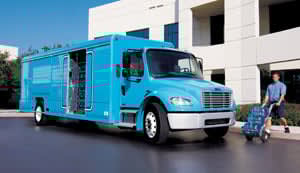
Because daycabs idle so much, payback can be quick on an auxiliary A/C unit.
Dump trucks sit in a line waiting to load or unload, and the line moves every few minutes, trucks idling all the while.
Some drivers think idling uses less fuel than shutting off and restarting the engine. Some want to get back at the company for not taking better care of its trucks. Most just want to keep the cab cool.
However, all but the most modern engines send polluting fumes into the air while idling, and all engines make noise and burn expensive fuel. Drivers might feel that these are someone else's problems, though citations and fines for violating state or municipal idling bans will get their attention. Most anti-idling ordinances make exceptions for operating on-board equipment and keeping sleepers comfortable in extreme temperatures, but what about daycab trucks?
Until fairly recently there was no way to cool the cab besides running the engine to power a vehicle's built-in air conditioning. Now there are add-on A/C products that operate independently of the engine. They can make economic sense if anti-idling laws are strictly enforced or idling tends to be often or lengthy. For starters, savings come from avoiding fines and not burning diesel fuel, which is now above $3 a gallon and likely to rise higher as the economy recovers. Avoiding engine wear can also be a factor.
Add-on products include special batteries that power A/C and heating units, which are split into modules. The compressor and evaporator are in a housing placed between the truck's seats. Vents distribute cold or heated air into the cab. The condenser is mounted outside the cab.
Batteries are usually mounted on the truck's frame; they are deep-cycle AGM (absorbed glass-mat) types designed to recover from hours of energy draw-down while being recharged by the engine-spun alternator. The products add weight and take up some interior space, but they eliminate engine idling while the truck's standing still. If the truck's A/C or heater fails, they also can be run while on the go.
A daycab A/C unit can cost about $5,000, which can be paid back quickly through fuel savings alone, and even faster if avoiding fines for violating idling bans is factored in. Here are a few such products:
* Bergstrom Nite Day Cab No-Idle System is based on the Nite system for sleepers. It uses a separate bank of AGM batteries so the truck's battery complement is not discharged. An optional heater consumes only 0.05 gallon of diesel fuel per hour, the company says. It runs quietly, at less than 50 dbA in A/C mode, and requires minimal maintenance.
* Dirna MiniCool uses dual compressors in an ABS plastic, paintable housing with versions for mounting on a cab's rear wall or roof. Electrically powered, it takes up no frame room, weighs 60 pounds, and operates manually or automatically via touch-pad controls. MiniCool is sold by Cool Moves, which also markets a Bycool evaporative cooler using a 9-gallon water tank, blower and in-cab controls.
* Dometic battery-powered daycab HVAC requires replacement of the truck or tractor's alternator with a large 275-amp alternator, and its Group 31 lead-acid batteries with the same number of AGM batteries. A 2,000-watt inverter runs the unit on 115-volts alternating current. The external condenser and internal housing for the compressor, evaporator and blower are connected by reusable refrigerant lines with quick connect fittings at either end. The units and lines are precharged at the factory so they automatically are flooded with the correct refrigerant pressure when connected, and there is no need to recharge or add refrigerant at installation. It also provides supplemental electric heat.
* Idle Free Electric APU is a battery-based system that uses an independent AGM battery bank, while a reefer-run system uses a patented Reefer Link to take power from the the truck or trailer's refrigeration unit. The reefer-based system comes with combined heat and A/C, heat-only, and A/C-only; owners who choose to invest initially in a heat-only or A/C-only configuration can easily expand their systems later. Battery and reefer systems include standard shore-power equipment to plug into available outlets at terminals, docks or truckstops.
Replacement parts lead to add-on system
Clean air was not the reason Dometic, a major supplier of truck air conditioning systems, got into the add-on A/C business. "We got a call from a New Jersey fleet that got tired of replacing air conditioning components when they wore out," says Lou Siegel, vice president for USA truck division development. "They wondered if we could stick another unit on there instead of trying to replace the OE parts," which the customer considered shoddy. Dometic product people could and did.
"We were told at that time that daycabs idle at least 60 percent of the time," Siegel says. "Research indicated that a typical [pick up and delivery] truck in congested cities will idle for a half hour, then go out on a run that takes 20 to 45 minutes between stops. In areas where anti-idling laws are strictly enforced, like New York City, batteries have about a half hour to be recharged" while running between stops. That's why quick-charging AGM batteries are needed to power an A/C unit.
"We have sold about 1,200 daycab units since last year," Siegel says. "Business seems to be picking up. First it was because of concerns over environmental laws, but now it's an economic situation due to fuel prices."
A Dometic daycab system costs about $4,500 to install, including all components, but the payback is quick, he says, based on the huge amount of idling time saved - as quick as a year or less.
From the June 2010 issue of Heavy Duty Trucking.
More Equipment
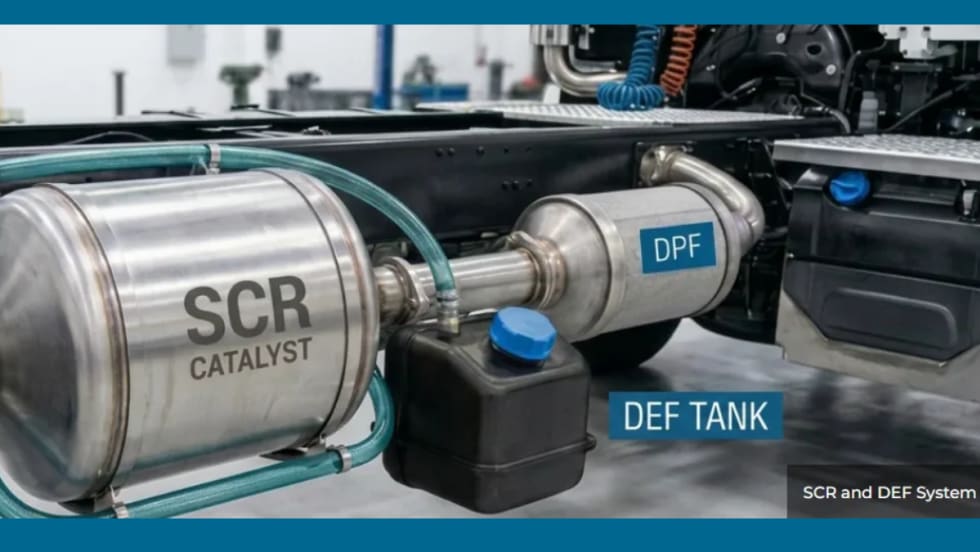
Engine Technology Forum Launches SCR, DEF Resource Center Amid Emissions Debate
The Engine Technology Forum’s new online hub aims to provide fleets, policymakers, and equipment owners with fact-based information about selective catalytic reduction technology, diesel exhaust fluid and emissions compliance.
Read More →
Prime Inc. to Open $7.9M Flagship Used-Truck Dealership
A new driver-focused facility to sell Prime Inc's used trucks and trailers will be the first purpose-built location in the company's history.
Read More →
Lessons Learned About Alternative Fuels: Start Small, Stay Flexible
Practical advice on adopting alternative fuels and ZEVs from HDT's 2026 Top Green Fleets, from renewable diesel and natural gas to electric trucks.
Read More →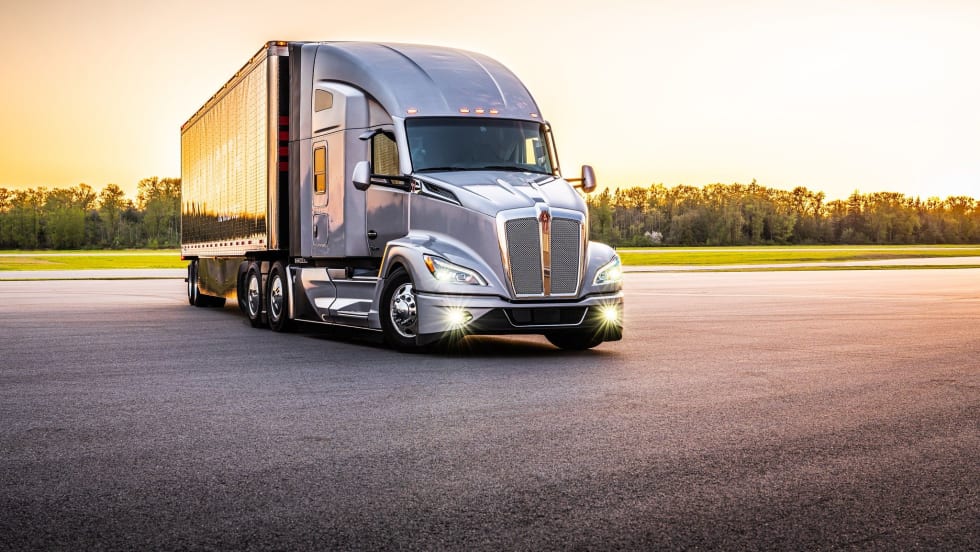
Kenworth Names Peter Ahrens General Manager
Leadership changes at Kenworth take effect July 1 as the OEM promotes two longtime Paccar executives to key management roles.
Read More →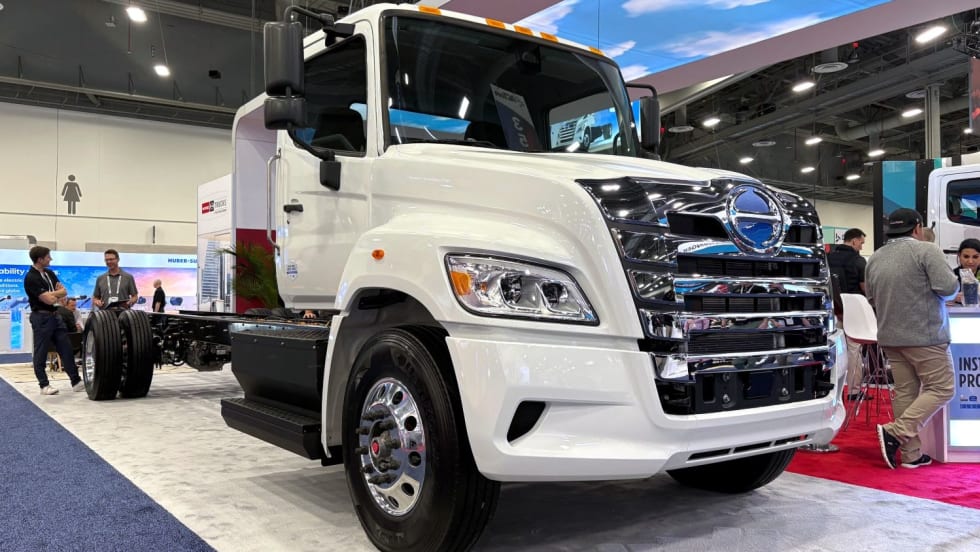
Hino Adds Electric Class 6/7 Truck
Hino says the Le Series is an important step in the company's efforts to reduce environmental impact and support its customers’ sustainability goals.
Read More →
ACT Expo 2026: Highlights in Photos
The 2026 Advanced Clean Transportation Expo featured a broad range of commercial vehicle technologies, from EVs to autonomous trucks to the latest diesel and alternative-fuel engines.
Read More →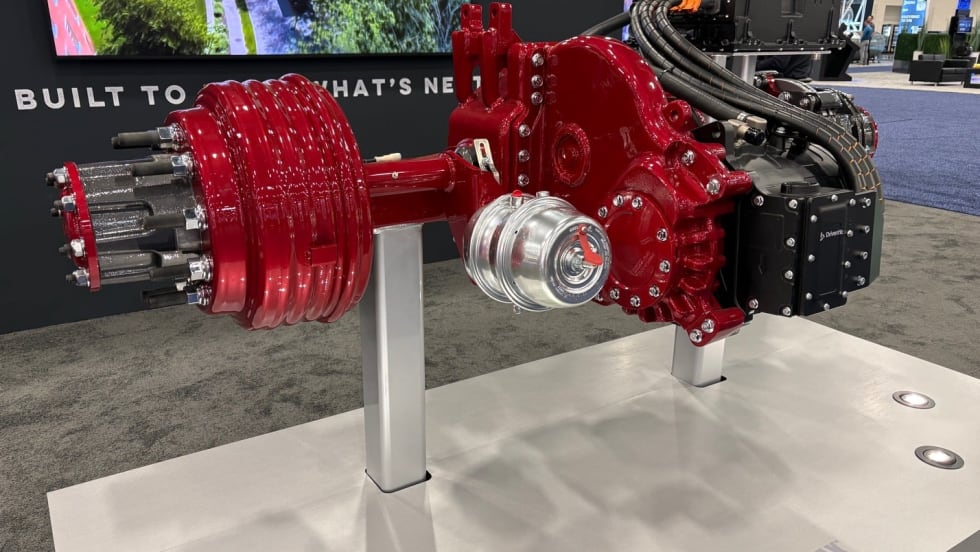
Hendrickson Debuts Electraax E-Axle for Medium-Duty Trucks
Developed with Driventic, Hendrickson's new integrated e-axle is designed to improve efficiency, reduce weight, and extend range in Class 6-7 EV applications.
Read More →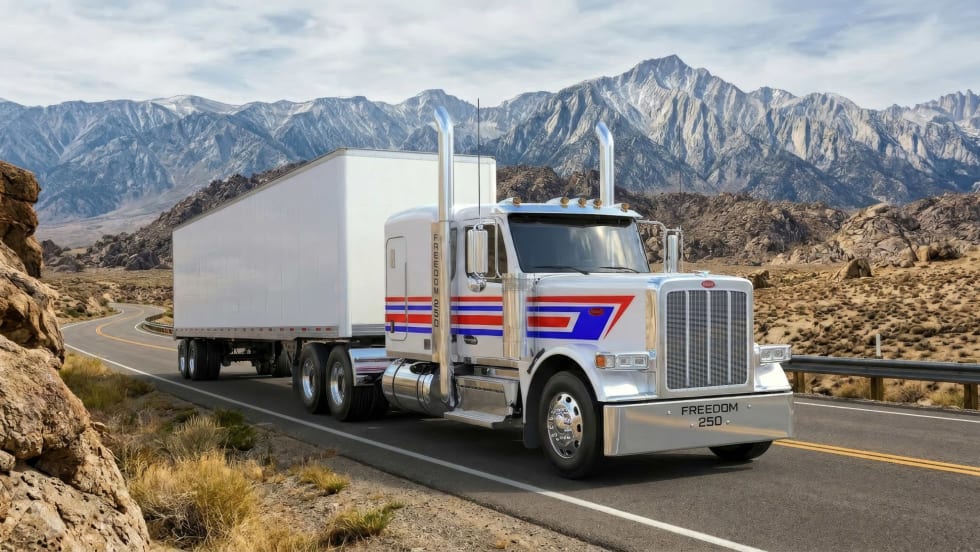
Peterbilt Unveils Freedom 250 Special Edition Model 589
Peterbilt’s just-announced limited-run patriotic Model 579 tractor celebrates America’s 250th birthday with custom styling and premium features.
Read More →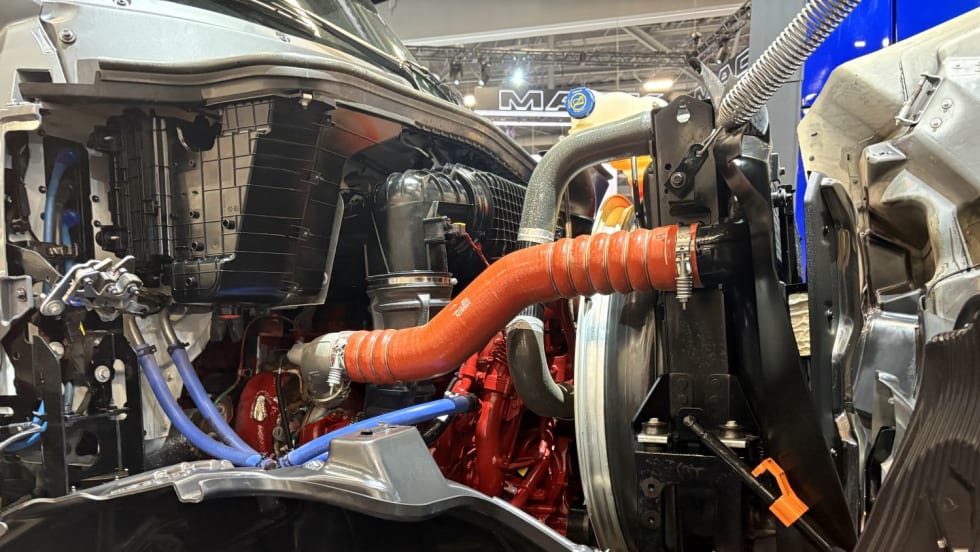
Mack Unveils EPA 2027-Compliant MP13 Engine With More Power, Better Fuel Economy
Along with unveiling its EPA 2027-compliant MP13 engine, Mack outlined powertrain changes across its Class 6-8 lineup, including new Cummins-based X10 engines.
Read More →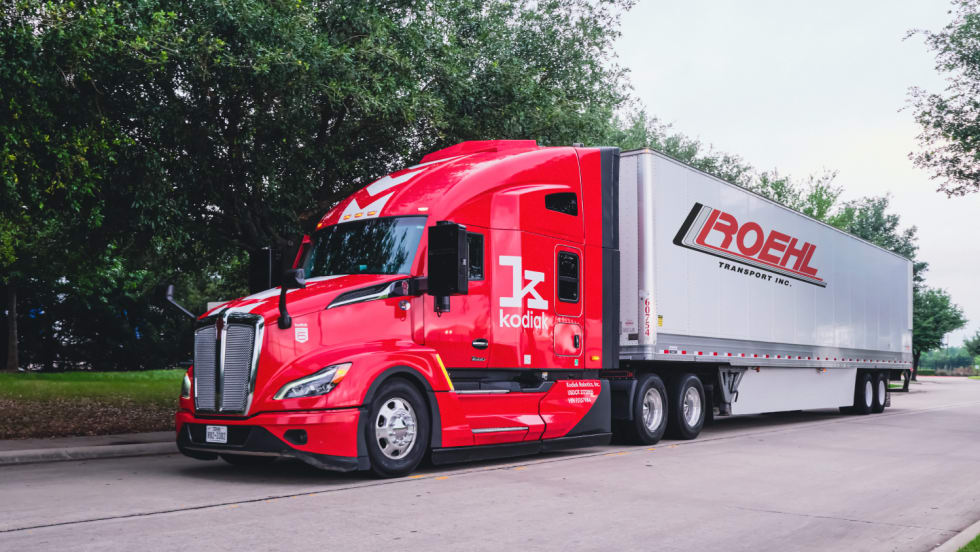
Kodiak and Roehl Transport Launch Autonomous Route Between Dallas and Houston
Kodiak AI and Roehl Transport have begun autonomous freight operations on a regular Dallas-Houston route, marking another step toward Kodiak’s planned driverless launch by the end of 2026.
Read More →