





Related-- ATRI: What Makes Younger Drivers Safe
OOIDA Leading Fight Against House Bills to Allow Younger Truck Drivers
The Owner-Operator Independent Drivers Association, along with other groups, is opposing two bills before the House of Representatives that would allow for lowering the age requirement for obtaining an interstate commercial driver’s license.
April 19, 2018
3 min to read

Trucking is not of one mind as to whether CDL holders under the age of 21 should be allowed to operate trucks across state lines. Photo: FMCSA
The Owner-Operator Independent Drivers Association, along with other groups, is opposing two bills before the House of Representatives that would allow for lowering the age requirement for obtaining an interstate commercial driver’s license.
OOIDA and the other stakeholder groups have sent a signed letter to the House Committee on Transportation and Infrastructure that states their position that lowering the age at which one can obtain an interstate CDL would “not only be detrimental to road safety, but also to those seeking to enter the trucking industry as professional drivers.”
The groups are opposed to these specific legislative proposals: H.R. 5358, the Developing Responsible Individuals for a Vibrant Economy (DRIVE Safe) Act, and H.R. 3889, the Waiving Hindrances to Economic Enterprise and Labor (WHEEL) Act. The signatories contend that if either or both measures pass, “teenagers would be allowed to drive large trucks.”
OOIDA noted that the letter points out that, “among other statistics and concerns, intrastate CMV drivers under the age of 19 are four times more likely to be involved in fatal crashes, and CMV drivers who are 19-20 years of age are six times more likely to be involved in fatal crashes.”
Younger Drivers Equals Riskier Drivers
The letter contends that the current federal age requirement of 21 for the interstate operation of a commercial motor vehicle reflects the greater risk younger driver shave of being involved in fatal crashes.
With that in mind, the signatories argue that, under the two legislative proposals, “teenagers entering an apprenticeship and/or participating in a pilot program may have only recently received a full driver’s license from their state to operate an automobile, let alone a CMV. Some may not have even gone through a graduated driver licensing (GDL) program, which allows novice drivers to gradually gain driving experience under more complex conditions.”
Todd Spencer, acting president of OOIDA, said in a statement that OOIDA thinks “it’s irresponsible to put young drivers behind the wheel of a truck in order to avoid addressing the real problems of high turnover. The focus should instead be on fixing the staggering turnover rate with better pay and working conditions.”
He added that the newly proposed bills echo a previous, failed attempt in 2001 to lower the interstate CDL age to 18.
“This has been tried before, and no one with any common sense thought it was a good idea,” said Spencer. “Nothing has changed since that time, and no disruptions have ever taken place due to any perceived shortage of drivers. These latest efforts are just more ways to keep driver churn going and keep wages as low as possible.”
The letter is co-signed with Spencer by the leaders of 13 safety-advocacy groups, including the Advocates for Highway and Auto Safety, Citizens for Reliable and Safe Highways (CRASH), and the American Public Health Association.
More Drivers

FMCSA Removes 110 Truck Driver Training Schools from Certified ELDT List
Federal regulators also are targeting more than 160 additional training providers and launching a nationwide audit of third-party CDL skills testers as part of a broader crackdown on trucking fraud.
Read More →
Hours of Service Pilot Programs: FMCSA Readies for 2027 Rollout
Two pilot programs could eventually reshape hours-of-service rules, giving truck drivers options to pause their 14-hour clock or use longer split sleeper rest periods.
Read More →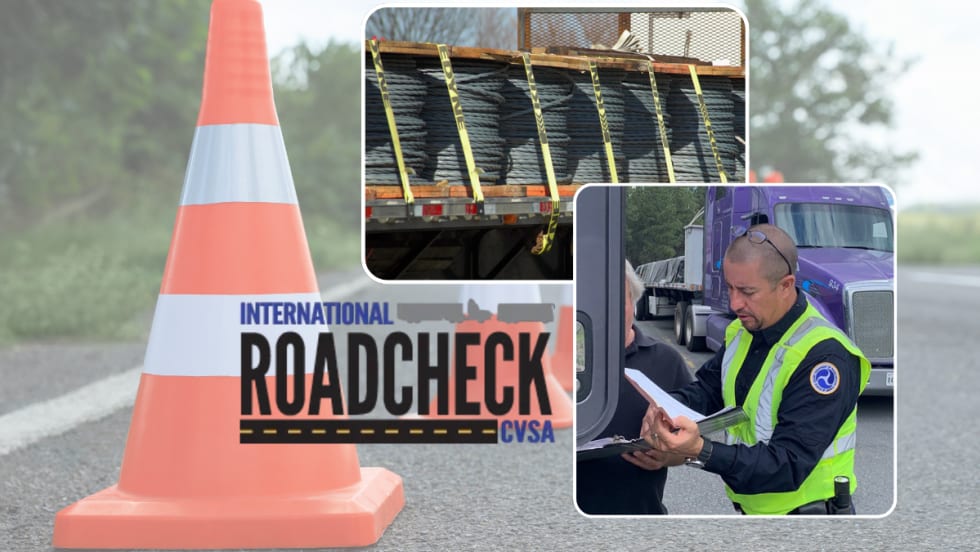
Medical Cards, English Proficiency Reshape Roadcheck Violations
Medical-card violations jumped to the top of the driver out-of-service list during CVSA’s 2026 International Roadcheck, while English-language proficiency violations appeared among the leading violations for the first time.
Read More →
Driver Trust Can Make or Break the Success of Fleet Safety Technology
New Teletrac Navman research suggests that onboarding, transparency about driver data, and positive feedback can play a significant role in how commercial drivers respond to safety and coaching technology.
Read More →
EEOC Sues KLLM Over Alleged Sex Discrimination in Driver Training
KLLM is facing a federal sex-discrimination lawsuit over policies the EEOC alleges put female truck driver trainees at a disadvantage.
Read More →
FMCSA Moves to Codify English Language Requirements for Commercial Drivers
By changing regulations on English-language proficiency requirements for commercial drivers, rather than relying on a guidance memo, the FMCSA said future administrations won't be able to walk back the Trump administration's stricter enforcement with just a memo.
Read More →
Drivers Put Western Star Trucks to the Test at Star Nation Experience
Watch to get an inside look at the Western Star trucks, technology, and community behind the Star Nation Experience 2026!
Read More →
Trump Administration Looks to Put More Veterans Behind the Wheel
The Freedom Haulers program pulls together existing and expanded programs at several federal agencies to recruit veterans to drive commercial heavy-duty trucks and cut the red tape for them to get a CDL, training, and employment.
Read More →
Putting Mack’s Command Steer to the Test
A test drive of Mack’s Command Steer active steering system evaluates how it can make truck driving easier and less tiring.
Read More →
Competition Heating Up for Truck Drivers
New report reveals rising driver hiring costs, the return of sign-on bonuses, growing AI advantages, and the operational factors shaping driver retention.
Read More →