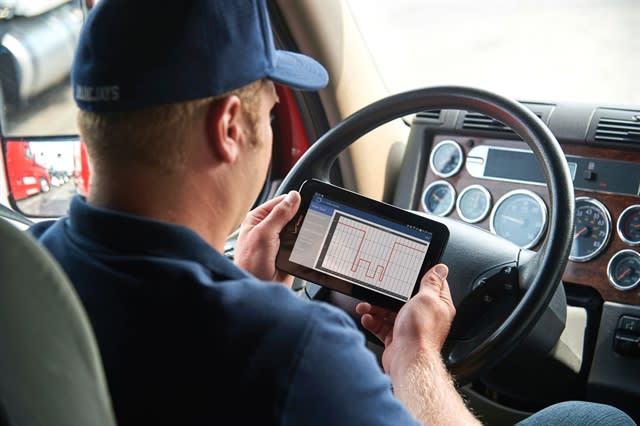
The Federal Motor Carrier Safety Administration has slightly liberalized its stance on the use automatic on-board recording devices by some fleets that are using those devices under the terms of the AOBRD grandfather clause within the electronic logging device rule.
David Cullen・[Former] Business/Washington Contributing Editor
The Federal Motor Carrier Safety Administration has slightly liberalized its stance on the use automatic on-board recording devices by some fleets that are using those devices under the terms of the AOBRD grandfather clause within the electronic logging device rule.
Ad Loading...
Per new guidance issued earlier this month by the agency, a motor carrier that had installed and required its drivers to use an AOBRD before Dec. 18, 2017 may now install and use a new “ELD-capable device that runs compliant AOBRD software” until Dec. 15, 2019. That latter date is the one on which the AOBRD grandfather clause expires.
Ad Loading...
FMCSA’s new, more flexible position on fleets allowed to use AOBRDs during the grandfather period does not negate the requirement that any new AOBRD installed must be able to be updated for mandate compliance by Dec. 16, 2019, noted ELD supplier J.J. Keller & Associates in a news release.
“To be fully informed consumers, motor carriers with AOBRDs need to ask their current device supplier if their equipment can in fact be updated over-the-air to be ELD mandate compliant,” said Tom Reader, director of marketing for ELDs at J. J. Keller. “A motor carrier may have older AOBRDs that are compliant now, but that older equipment may not be able to be updated as required in December 2019.
“Our devices, currently operating as AOBRDs today, can be updated to mandate-compliant ELDs as needed,” added Reader. “Every one of our AOBRD customers will be able to perform the update.”
The American Transportation Research Institute will examine driver coaching, regulatory impacts — including the "Beyond Compliance" concept —and weather disruptions that shape trucking operations.
New requirements add firm deadlines and independent review steps, addressing long-standing complaints about inconsistent rulings and slow response times.
Heavy Duty Trucking's Top 20 Products awards recognize the best new products and technologies. Check out the award presentations at the 2026 Technology & Maintenance Council annual meeting.
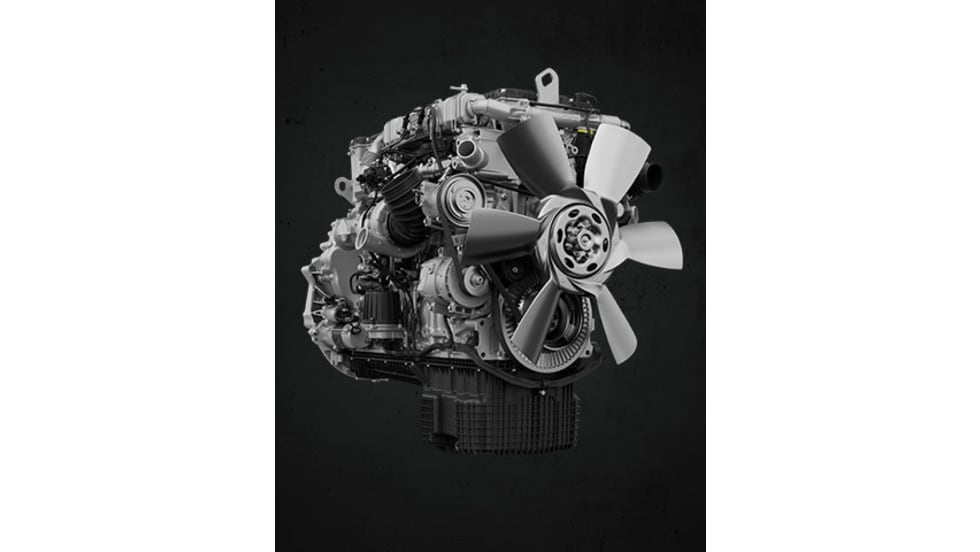
The Detroit® Gen 6 engine platform proves that real progress doesn’t require a complete redesign. Built on 20 years of trusted technology, these engines are designed for efficiency, stronger performance, and greater reliability than before. And they do it all while complying with 2027 EPA standards on every mile.
Aperia Technologies introduced a new automatic tire inflation system for steer axles and a partnership with Fontaine Fifth Wheel to integrate coupling status into its Halo Connect platform.
Fleetworthy and HAAS Alert expanded their partnership to deliver real-time digital alerts that warn motorists when commercial trucks are stopped roadside and notify truck drivers when approaching emergency responders.
More than 100,000 new trucking companies enter the industry each year, but regulators manage to audit only a fraction of them. That churn creates opportunities for inexperienced startups — and for “chameleon carriers” that shut down after safety violations and reappear under new identities. Read more from Deborah Lockridge in this commentary.
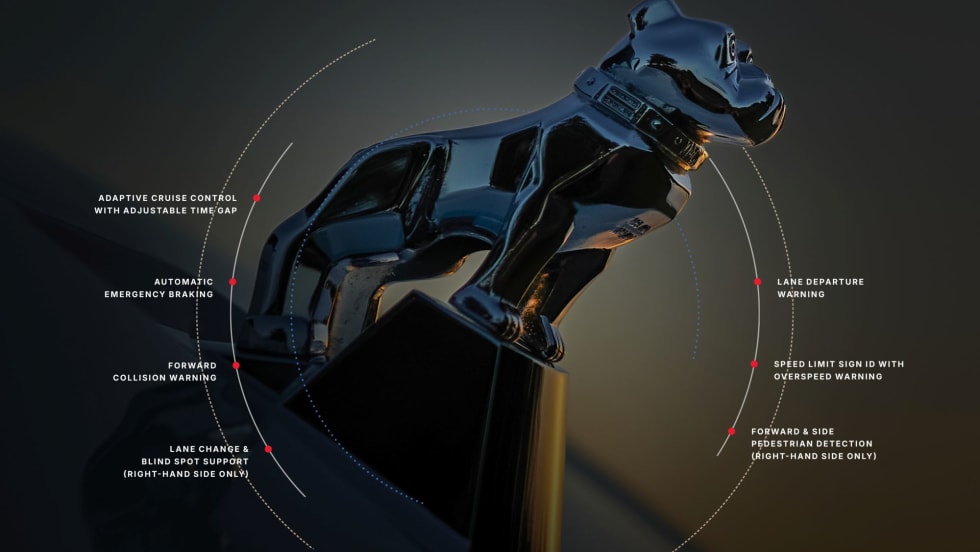
Mack Trucks has expanded its proprietary Mack Protect collision mitigation platform to the Mack MD Series, bringing heavy-duty safety technology to medium-duty trucks operating in urban and regional environments.
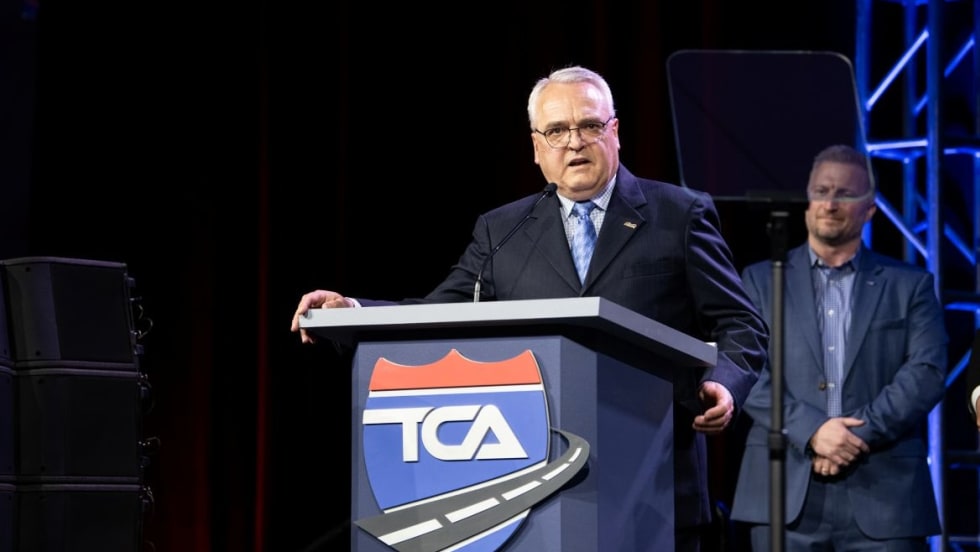
Two Canadian fleets earned the Grand Prize in the Truckload Carriers Association’s 2025 Fleet Safety Awards, recognizing the industry’s top safety performance based on accident frequency and safety programs.