




OOIDA Seeks to Exempt ‘Small-Business Truckers’ from ELD Rule
With the new electronic logging device mandate set to take effect in less than four weeks, the Owner-Operator Independent Drivers Association has petitioned the Federal Motor Carrier Safety Administration to issue a temporary but lengthy exemption to the new safety rule for “small-business truckers.”


Photo: FMCSA

Photo: FMCSA
With the new electronic logging device mandate set to take effect in less than four weeks, the Owner-Operator Independent Drivers Association has petitioned the Federal Motor Carrier Safety Administration to issue a temporary but lengthy exemption to the new safety rule for “small-business truckers.”
The petition seeks an exemption from the ELD rule of “no less than five years” (and subject to renewal upon application) for any carrier considered to be “a small transportation trucking business” as defined by the Small Business Administration and “can document a proven history of safety performance with no attributable at-fault crashes” and that do not have a Carrier Safety Rating of “Unsatisfactory.”
OOIDA further stated in its request that the exemption would “not have any adverse impacts on operational safety, as motor carriers and drivers would remain subject to the HOS regulations… as well as the requirements to maintain a paper record of duty status… The exemption would also allow small-business motor carriers to maintain their current practices that have resulted in a proven safety record.”
Todd Spencer, executive vice president of OOIDA, got to the crux of why the group is seeking the exemption in a statement, saying that “Small-business truckers that have already proven their ability to operate safely should not be subject to purchasing costly, unproven and uncertified [electronic logging] devices.”
In the request, filed with FMCSA on Nov. 21, the self-certification of ELD vendors is discussed as a key issue for OOIA: “FMCSA has stated that they do not know if the self-certified ELDs listed on their website fulfill regulatory requirements in the mandate. At present, none of the 193 devices listed have been validated by the agency or any unbiased, third-party testing program.”
“Most small-business motor carriers can ill afford to make these purchases only to learn later that the ELD is non-compliant,” stated Spencer. “Yet they are required to do so or risk violation.”
OOIDA is also concerned about cybersecurity threat that may be posed by ELDs: “At two recent cybersecurity conferences, a leading research firm released a summary of their findings after analyzing three ELD providers currently listed as self-certified on the FMCSA website. Their general conclusion was that all three devices did very little, if anything at all, to follow best practices and were open to serious compromise.”
It is OOIDA’s contention that a five-year exemption would provide “necessary time for ELD manufacturers to be fully vetted by the agency, which would alleviate small-business motor carriers from learning that they purchased a device that could damage their vehicle’s electronic control module or be hacked.”
OOIDA also continues to support a bill introduced in the House back in July by Rep. Brian Babin (R-TX) that would delay the ELD mandate for two years. H.R.3282, the ELD Extension Act of 2017, would extend the current implementation date from December 2017 to December 2019. The bill has been referred for consideration by the House Transportation and Infrastructure Committee.
On Nov. 20, FMCSA revealed it will issue a truly temporary ELD waiver of 90 days, but it will be limited to haulers of agricultural commodities operating within a specified radius. That waiver is slated to be formally announced in early December.
For everyone else, the ELD mandate remains clearly on track to become law on Dec. 18, less than 30 days from this writing.
Editor's note: Click here for ongoing coverage of the ELD mandate by the editors of HDT.
More Drivers
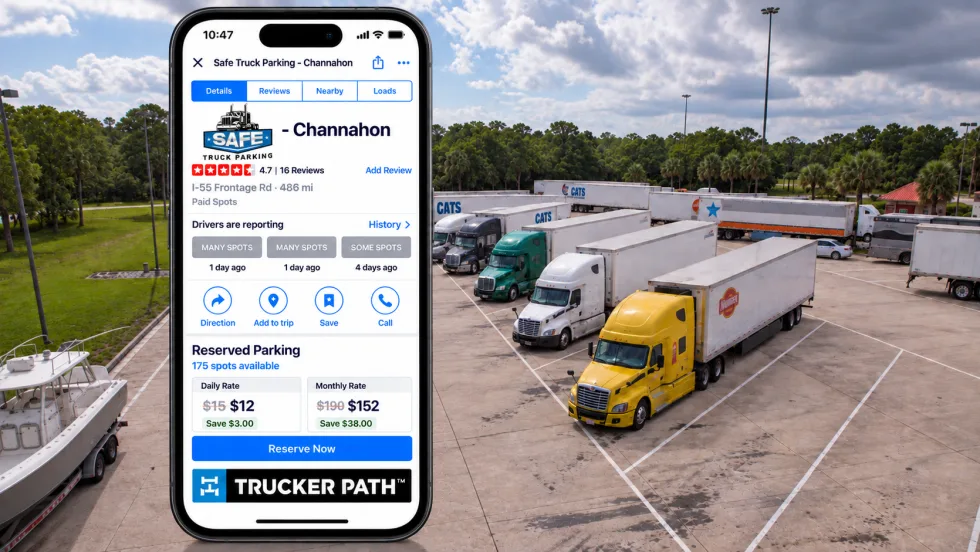
Trucker Path Expands Reserved Parking Network
Trucker Path has added close to 6,000 more truck parking spaces to its Trucker Path Reserved Parking Network with the addition of Safe Truck Parking.
Read More →
EEOC Sues Texas Trucking Company Over Driver Age Limits
The agency says Trancasa USA rejected applicants over 65 and applied tougher driving-record standards to those over 60.
Read More →
Nussbaum, Roehl Announce Second Driver Pay Increase This Year
This year has seen a swath of major truck driver pay increases as freight capacity has tightened.
Read More →
From One Generation to the Next: How Mentorship Builds Safer Truck Drivers
After three decades in trucking, Harold Perry shares what he's learned about driver safety, mentorship, and helping the next generation build confidence behind the wheel.
Read More →
Truck Drivers Need More Than Another Alert
Fleets have more visibility into truck health, safety events, and driver activity than ever. The next challenge is turning all that information into useful guidance for the person who has to decide what to do next.
Read More →
FMCSA Removes 110 Truck Driver Training Schools from Certified ELDT List
Federal regulators also are targeting more than 160 additional training providers and launching a nationwide audit of third-party CDL skills testers as part of a broader crackdown on trucking fraud.
Read More →
Hours of Service Pilot Programs: FMCSA Readies for 2027 Rollout
Two pilot programs could eventually reshape hours-of-service rules, giving truck drivers options to pause their 14-hour clock or use longer split sleeper rest periods.
Read More →
Medical Cards, English Proficiency Reshape Roadcheck Violations
Medical-card violations jumped to the top of the driver out-of-service list during CVSA’s 2026 International Roadcheck, while English-language proficiency violations appeared among the leading violations for the first time.
Read More →
Driver Trust Can Make or Break the Success of Fleet Safety Technology
New Teletrac Navman research suggests that onboarding, transparency about driver data, and positive feedback can play a significant role in how commercial drivers respond to safety and coaching technology.
Read More →
EEOC Sues KLLM Over Alleged Sex Discrimination in Driver Training
KLLM is facing a federal sex-discrimination lawsuit over policies the EEOC alleges put female truck driver trainees at a disadvantage.
Read More →