




Related: Celebrating Strong Women in Trucking
Women In Trucking Seeks to Accurately Count Women in Trucking
The Women In Trucking Association has created the WIT Index in an effort to more accurately track the number of women working in the trucking industry.
by Staff
January 3, 2017
FMCSA Administrator Scott Darling and professional driver Stephanie Klang. Photo via Women in Trucking
2 min to read

The Women In Trucking Association has created the WIT Index in an effort to more accurately track the number of women working in the trucking industry.
WIT partnered with the National Transportation Institute to obtain more accurate data after it found issues with the way the Department of Labor was reporting the number of women in the trucking industry.
After DOL reported that the percentage of female drivers had dropped to 5.1%, WIT began to examine who the department was including and excluding from the category. It found that, in some cases, jobs that were counted as truck drivers were not accurate descriptors of a traditional, over-the-road driver, making the data less reliable.
“We know that women represent a largely underdeveloped minority group in our industry,” said Leah Shaver, NTI’s COO. “We also know, from recent conference discussions and media coverage, that benchmarking gender distribution in our industry is necessary to quantify progress. We’re going to help trucking companies do just that.”
NTI directly surveyed carriers for data regarding driver wages, benefits, and retirement plans and, in the past year, added two questions about the employment of women within fleets.
Over the course of three quarters, NTI found that the average percentage of female drivers at these carriers was 7%. NTI also found that women comprise 24% of management at the carriers surveyed as opposed to the 18.1% reported by DOL for supervisors of transportation and material moving workers.
Among carriers surveyed, Prime led respondents with women drivers making up 12% of its driver population.
WIT and NTI are still looking for more submissions to the WIT Index to show the growth of women in the trucking industry and would like all carriers to participate in sharing company statistics as the index is developed.
To participate, contact the National Transportation Institute by clicking by visiting driverwages.com and entering company information and relevant numbers.
More Drivers

Volvo Goes Gaming
Volvo has roared into American Truck Simulator with two new flagship trucks.
Read More →
What the Best Fleets to Drive For Teach About Driver Retention
Survey fatigue, AI-powered routing, owner-operator expectations, and the decline of social media all emerged as themes from this year's Best Fleets to Drive For program.
Read More →
Driver Retention Lessons From the Best Fleets to Drive For
What separates trucking's best workplaces from the rest? Jane Jazrawy shares the biggest lessons from this year's Best Fleets to Drive For program on driver retention, communication, AI, and workforce trends on the HDT Talks Trucking podcast.
Read More →
Farewell, CDL: Why I'm Giving Up My Commercial Driver's License
After more than 20 years as a CDL holder, HDT Executive Editor Jack Roberts is letting his commercial license expire. Not because he wants to — but because trucking's nuclear verdict crisis has made the risks of public-road test drives too great for editors, manufacturers, and everyone involved.
Read More →
How Top Trucking Fleets Improve Driver Retention [Video]
What do healthy snacks, optimized routing, and just picking up the phone have in common? They're all strategies the Best Fleets to Drive For are using to retain truck drivers.
Read More →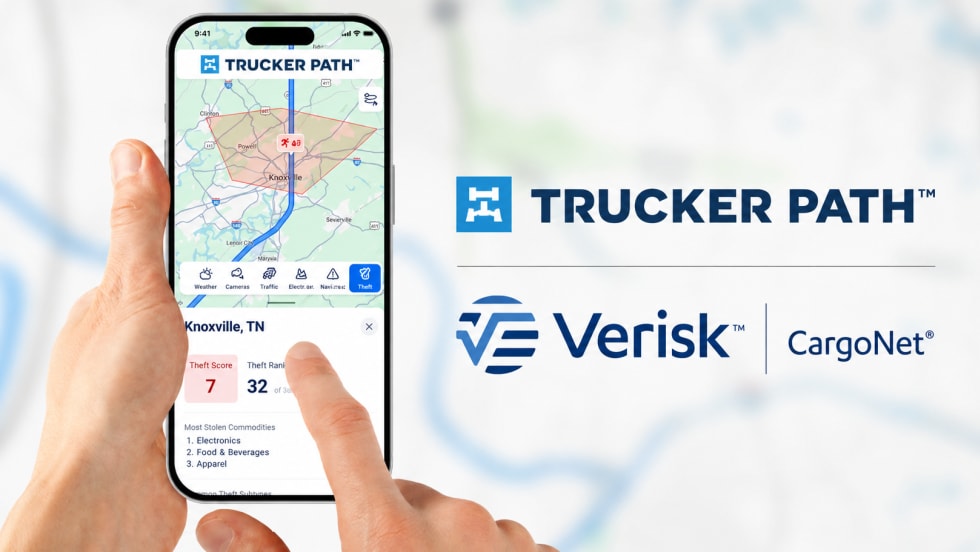
Trucker Path Adds Verisk CargoNet Theft Data to Navigation Platform
Trucker Path’s new cargo theft risk overlays give drivers and fleets visibility into high-risk areas, stolen commodity trends, and theft hotspots.
Read More →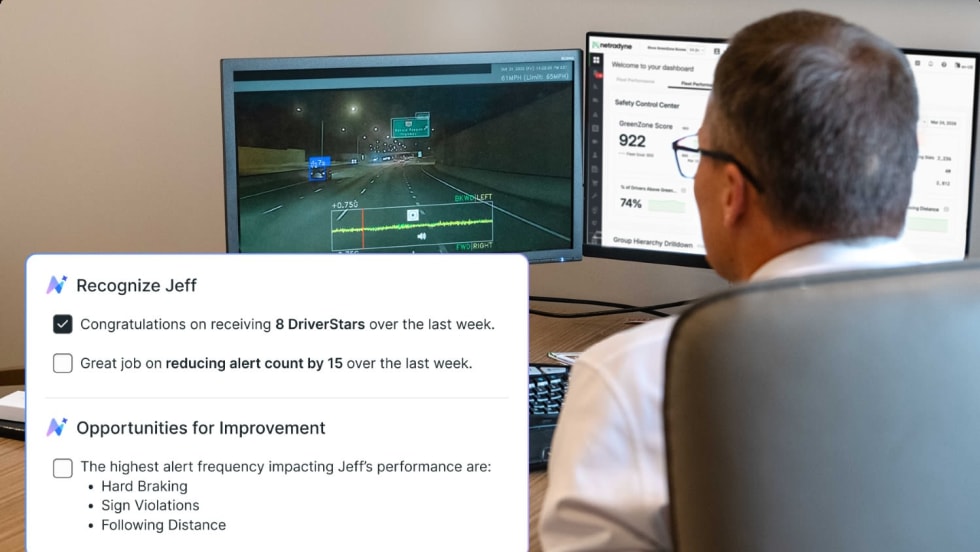
Netradyne Intelligence Uses New AI Agents to Automate Response to In-Cab Camera Data
The company called the next-generation in-cab camera safety platform "a fundamental shift from systems that report on what happened to systems that actively drive what should happen next."
Read More →
Why Truck Detention Keeps Costing Fleets Time and Money
A 2024 ATRI study found detention affects nearly 40% of truckload stops and costs the industry more than $15 billion annually. Despite the toll on drivers, fleets, and supply chains, the problem remains stubbornly persistent.
Read More →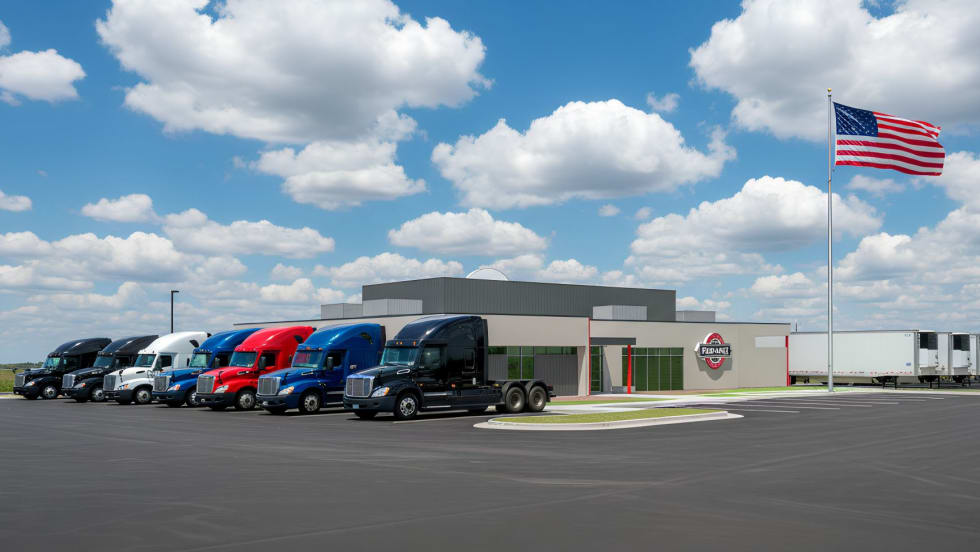
Prime Inc. to Open $7.9M Flagship Used-Truck Dealership
A new driver-focused facility to sell Prime Inc's used trucks and trailers will be the first purpose-built location in the company's history.
Read More →
Short Takes: Inside K&B’s Truck Safety Tech
Listen to learn how K&B Transportation uses cellphone-blocking technology, speed management systems, weather geofencing, bridge avoidance tools, and more to improve driver safety.
Read More →