




Related: FMCSA: New Final Rule Eases Way to CDLs for Military Vets
FMCSA Awards Nearly $1 Million to Help Train Veterans as Drivers
The FMCSA has awarded close to $1 million in grants to seven technical and community colleges to help train military veterans and their families for jobs as commercial truck and bus drivers.
by Staff
October 18, 2016
Image: U.S. Department of Transportation
2 min to read

Image: U.S. Department of Transportation
The Federal Motor Carrier Safety Administration has awarded close to $1 million in grants to seven technical and community colleges to help train military veterans and their families for jobs as commercial truck and bus drivers.
The funding is provided through FMCSA’s Commercial Motor Vehicle Operator Safety Training grant program. FMCSA awards CMV-OST grants to educational institutions that provide truck driving training, including accredited public or private colleges, universities, vocational-technical schools, post-secondary educational institutions, truck driver training schools, associations, and state and local governments, including federally recognized Native American tribal governments.
“These types of programs are just one small way in which we can show our appreciation and commitment to our nation’s veterans, and thank them for their brave service,” said Anthony Foxx, U.S. Transportation Secretary. “These men and women represent the absolute finest of our country, and with the help of programs like this, they will be prepared to be some of the safest commercial drivers on the road.”
The 2016 FMCSA grants announced on Oct. 18 are projected to provide training for more than 250 students.
The awards were made to the following organizations:
Illinois – Joliet Junior College, Joliet, $159,800
Iowa – Hawkeye Community College, Waterloo, $100,524
Kansas – Johnson County Community College, Overland Park, $104,376
Oklahoma – Central Technical Center, Drumright, $200,000
Oregon – Rogue Community College District, Grants Pass, $71,300
Pennsylvania – The Sage Corporation, Camp Hill, $210,980
Virginia – Tidewater Community College, Norfolk, $149,967
“We charge each of the institutions that will receive a grant to train those that have served our nation in the armed forces to be the very best professional drivers in the industry,” said Scott Darling, FMCSA Administrator. “In this profession, being the best requires an absolute commitment to making safety the top priority, and I believe there is no group better prepared to do that than our veterans.”
CMV-OST was established by Congress in 2005 to expand the number of CDL holders possessing enhanced operator safety training to help reduce the severity and number of crashes on U.S. roads involving large commercial vehicles.
In addition to providing grants under the CMV-OST program, FMCSA is proposing to take additional steps that recognize the skills and training obtained by members of the armed services.
Specifically, FMCSA is proposing a three-year pilot program that would allow a limited number of individuals between the ages of 18 and 21 to operate commercial motor vehicles in interstate commerce if they received specified heavy-vehicle driver training while in military service and are sponsored by a participating motor carrier.
More Drivers
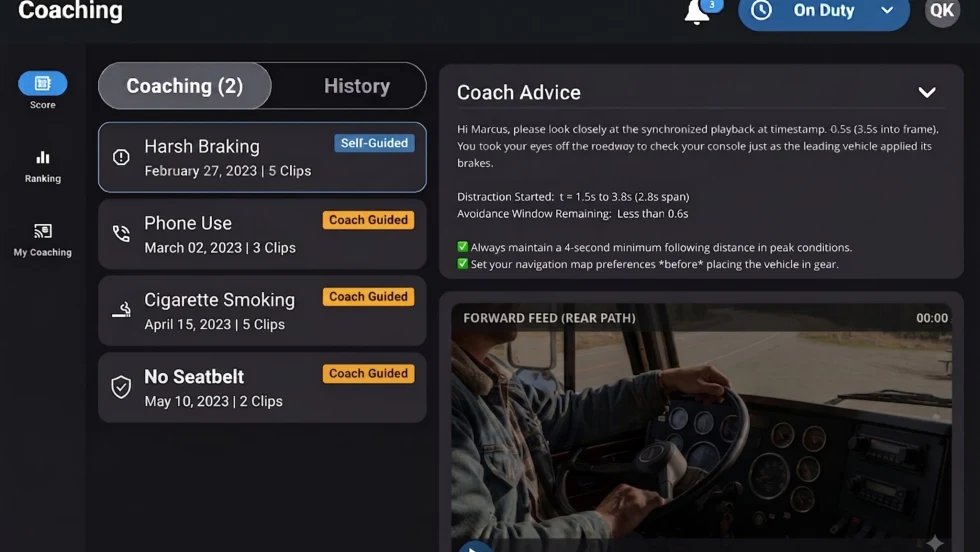
Platform Science Adds Dispatch and Safety Tools
Four additions to PS Fleet help fleets monitor loads, manage driver coaching, share truck locations and adjust video system settings.
Read More →
When Language Stops the Truck: The Return of ELP Out-of-Service Orders
English language proficiency rules for commercial drivers aren’t new, but renewed out-of-service enforcement has raised the stakes. Here’s what carriers need to know before a driver reaches a roadside inspection.
Read More →
Samsara Launches Custom AI Agent Builder
Agent Studio lets fleets create AI tools for hours-of-service monitoring, reporting and driver support, including agents that communicate by phone.
Read More →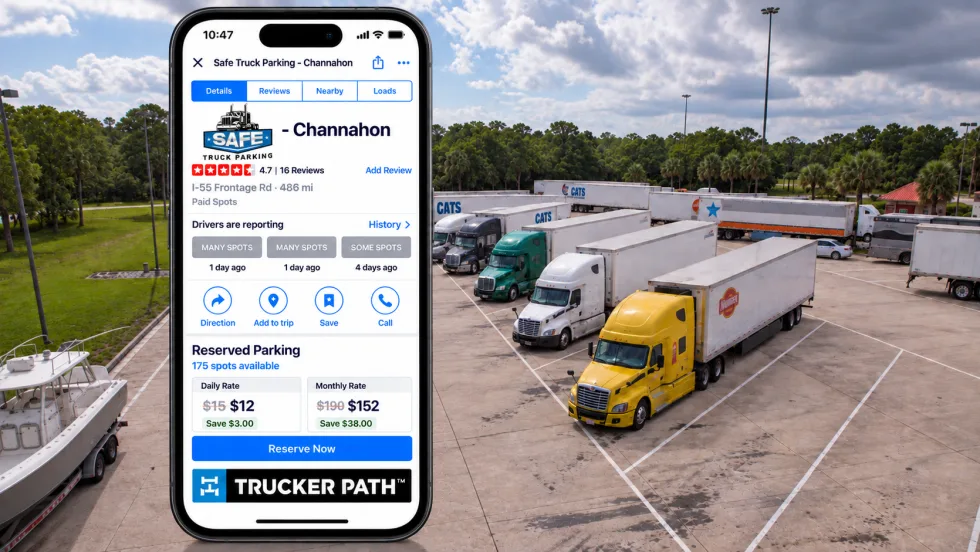
Trucker Path Expands Reserved Parking Network
Trucker Path has added close to 6,000 more truck parking spaces to its Trucker Path Reserved Parking Network with the addition of Safe Truck Parking.
Read More →
EEOC Sues Texas Trucking Company Over Driver Age Limits
The agency says Trancasa USA rejected applicants over 65 and applied tougher driving-record standards to those over 60.
Read More →
Nussbaum, Roehl Announce Second Driver Pay Increase This Year
This year has seen a swath of major truck driver pay increases as freight capacity has tightened.
Read More →
From One Generation to the Next: How Mentorship Builds Safer Truck Drivers
After three decades in trucking, Harold Perry shares what he's learned about driver safety, mentorship, and helping the next generation build confidence behind the wheel.
Read More →
Truck Drivers Need More Than Another Alert
Fleets have more visibility into truck health, safety events, and driver activity than ever. The next challenge is turning all that information into useful guidance for the person who has to decide what to do next.
Read More →
FMCSA Removes 110 Truck Driver Training Schools from Certified ELDT List
Federal regulators also are targeting more than 160 additional training providers and launching a nationwide audit of third-party CDL skills testers as part of a broader crackdown on trucking fraud.
Read More →
Hours of Service Pilot Programs: FMCSA Readies for 2027 Rollout
Two pilot programs could eventually reshape hours-of-service rules, giving truck drivers options to pause their 14-hour clock or use longer split sleeper rest periods.
Read More →