




Bosch Shows off Concept of Trucking Future at IAA
Bosch shared its vision of the truck of the next decade, and showed off its latest advanced technology, at the IAA Commercial Vehicles show in Germany.

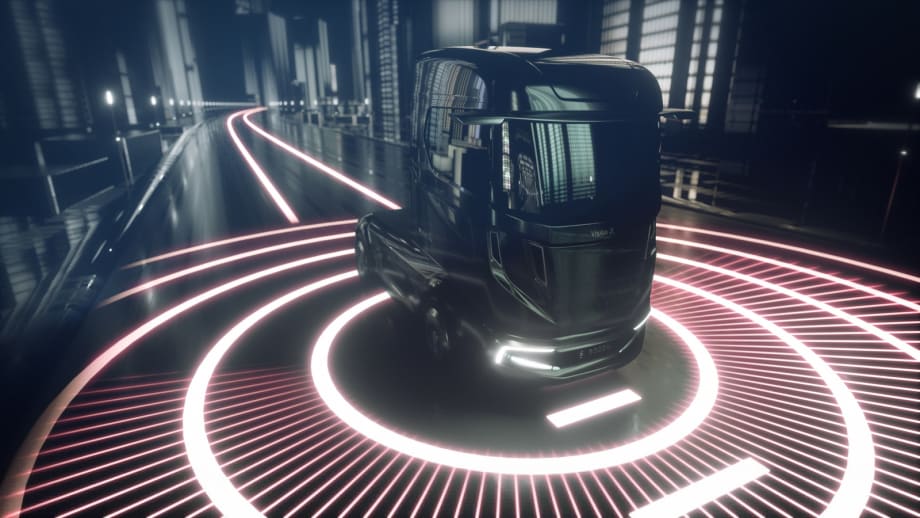
Bosch's VisionX project details what trucks and the driver's job may look like in a decade. Photo: Bosch
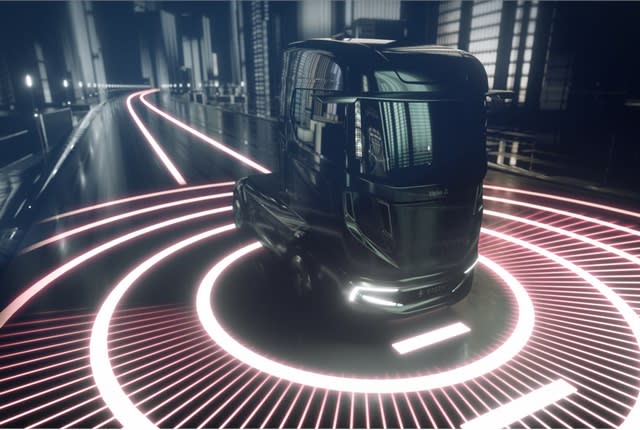
Bosch's VisionX project details what trucks and the driver's job may look like in a decade.Photo: Bosch
Job description for the truck driver of the future: perform key freight forwarding tasks, including checking transport status via cloud, responding to e-mails, organizing routes, and adjusting them to take on additional cargo. Ideal candidate: a team player with good multitasking capabilities – confidence in using new media a must!
That’s Bosch’s vision of the driver’s job in the not-too-distant future as shown off at the IAA Commercial Motor Vehicles show in Hannover, Germany, recently.
"The truckers of the future will go from being drivers to serving as logistics managers,” says Dr. Markus Heyn, member of the board of management of Robert Bosch GmbH. The commercial vehicles of 2026, Bosch said, will be automated, connected, and electrified.
Bosch showed off the “VisionX” concept study it’s using to demonstrate what commercial vehicles will be capable of in just a few years.
Fully connected and in some cases offering automated driving, they will run on highly efficient diesel or even electricity as the situation demands.
“The truck of the future will be a 40-ton smart device on wheels,” said Heyn. Smart connectivity and automation will enable it to navigate traffic on the freeway itself, mostly without driver intervention. This will give drivers time to take care of other tasks, such as planning routes, processing shipping documents, or simply taking a break.
Visitors to the Bosch booth at IAA got a chance to sit behind the wheel and watch a highly realistic animated feature that allowed them to experience the future of truck driving firsthand.
The Bosch booth also featured a bevy of real-world technologies that are available now, including:
• New display and user interfaces. Bosch is putting large displays and touchscreens in trucks to make connectivity and infotainment functions easy to use.
• Digital exterior mirror: The Mirror Cam System replaces the two side-view mirrors, reducing wind resistance considerably and cutting fuel consumption by 1 to 2%.
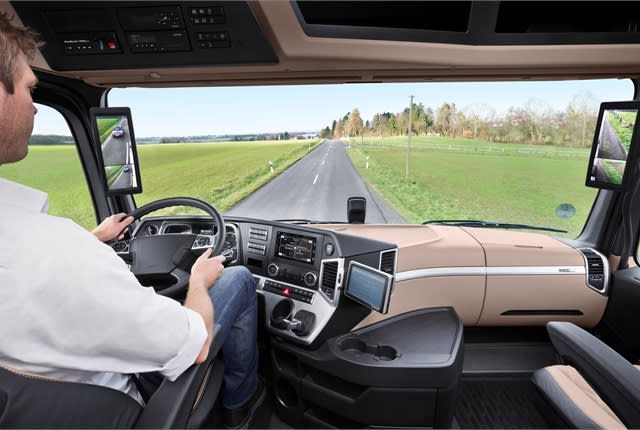
The Mirror Cam System replaces the two side-view mirrors with in-cab monitors. Photo: Bosch
• Connected horizon: Bosch’s electronic horizon advanced cruise control is being expanded to include real-time data. In addition to topographical information, the assistance function will also be able to draw on real-time data from the cloud. This will allow the engine and transmission management to take construction areas, traffic jams, or even icy patches into account.
• Camera system: The MPC 2.5 is a multi-purpose camera with integrated image processing system that identifies, classifies, and locates objects in the vehicle’s surroundings. Besides a predictive emergency braking system, which has been mandatory across the EU since fall 2015 for all trucks with a gross vehicle weight of more than 8 metric tons, the camera opens up a host of assistance functions. One of these is intelligent headlight control, which automatically turns on the headlights during night driving or in tunnels. The camera also aids recognition of traffic signs, incorporating them into the cockpit display to keep the driver better informed.
• Servotwin steering: Bosch Servotwin electro-hydraulic steering system offers speed-dependent steering support with active response and consumes less fuel than purely hydraulic steering. Servotwin compensates for potholes and provides the driver with a good grip on the pavement. Thanks to its electronic interface, the steering system is the basis for driver assistance functions such as a lane-keeping assistant or cross-wind compensation. The steering system is used in Mercedes-Benz’s autonomous Actros.
• Electrical hybrid powertrain: Bosch has developed a parallel hybrid system with 120 kW of power for heavy commercial vehicles. The system makes it possible to cut fuel consumption by up to 6%. The main components for long-haul transport are the electric motor and power electronics. The space-saving electric drive is integrated into the powertrain between the engine and gearbox, so no extra transmission is needed. It assists the internal-combustion engine, recuperates energy, enables coasting, and makes electric driving possible.
More Drivers

Truck Drivers Need More Than Another Alert
Fleets have more visibility into truck health, safety events, and driver activity than ever. The next challenge is turning all that information into useful guidance for the person who has to decide what to do next.
Read More →
FMCSA Removes 110 Truck Driver Training Schools from Certified ELDT List
Federal regulators also are targeting more than 160 additional training providers and launching a nationwide audit of third-party CDL skills testers as part of a broader crackdown on trucking fraud.
Read More →
Hours of Service Pilot Programs: FMCSA Readies for 2027 Rollout
Two pilot programs could eventually reshape hours-of-service rules, giving truck drivers options to pause their 14-hour clock or use longer split sleeper rest periods.
Read More →
Medical Cards, English Proficiency Reshape Roadcheck Violations
Medical-card violations jumped to the top of the driver out-of-service list during CVSA’s 2026 International Roadcheck, while English-language proficiency violations appeared among the leading violations for the first time.
Read More →
Driver Trust Can Make or Break the Success of Fleet Safety Technology
New Teletrac Navman research suggests that onboarding, transparency about driver data, and positive feedback can play a significant role in how commercial drivers respond to safety and coaching technology.
Read More →
EEOC Sues KLLM Over Alleged Sex Discrimination in Driver Training
KLLM is facing a federal sex-discrimination lawsuit over policies the EEOC alleges put female truck driver trainees at a disadvantage.
Read More →
FMCSA Moves to Codify English Language Requirements for Commercial Drivers
By changing regulations on English-language proficiency requirements for commercial drivers, rather than relying on a guidance memo, the FMCSA said future administrations won't be able to walk back the Trump administration's stricter enforcement with just a memo.
Read More →
Drivers Put Western Star Trucks to the Test at Star Nation Experience
Watch to get an inside look at the Western Star trucks, technology, and community behind the Star Nation Experience 2026!
Read More →
Trump Administration Looks to Put More Veterans Behind the Wheel
The Freedom Haulers program pulls together existing and expanded programs at several federal agencies to recruit veterans to drive commercial heavy-duty trucks and cut the red tape for them to get a CDL, training, and employment.
Read More →
Putting Mack’s Command Steer to the Test
A test drive of Mack’s Command Steer active steering system evaluates how it can make truck driving easier and less tiring.
Read More →