




Drivers Physicals Must Now Be Performed by Certified Medical Examiners
The Federal Motor Carrier Safety Administration is reminding the trucking industry Wednesday marks the start of new regulations requiring that all U.S. DOT physicals must be performed by a qualified health professional listed on the National Registry of Certified Medical Examiners.
The Federal Motor Carrier Safety Administration is reminding the trucking industry Wednesday marks the start of new regulations requiring that all U.S. DOT physicals must be performed by a qualified health professional listed on the National Registry of Certified Medical Examiners.
The new program sets baseline training and testing standards for medical professionals who perform commercial driver physicals and for tracking of driver medical certificates.
Approximately 22,000 medical professionals have completed the coursework and testing and are listed on the National Registry and another 27,000 have begun the certification process, according to FMCSA.
Current medical certificates held by commercial driver’s license holders will continue to be valid until the expiration date that is shown on the card. Only then will the driver need to seek a certified medical examiner to perform their new examination.
“We have certified thousands of health professionals to conduct driver exams, with more being added every day,” said FMCSA Administrator Anne Ferro. “The online database is easily searchable so drivers can schedule their medical certification exam with a qualified healthcare professional wherever they might be.”
The start came despite calls from the American Trucking Associations, the Owner-Operator Independent Drivers Association and others that FMCSA delay the registry implementation for six months.
ATA said its chief concern is the belief there are an insufficient number of medical examiners available to meet expected driver demand. “Drivers who live in rural, underserved areas may experience additional challenges as they look for nearby certified medical examiners,” it said in a statement on Wednesday. “In some cases, drivers may be required to travel long distances at considerable cost. Some drivers may also see higher than usual prices too, as a result of the limited supply of medical examiners.”
“The American Trucking Associations supports the registry as a way to ensure medical examiners serving the industry have a broad understanding of the challenges truck drivers face every day,” said Dave Osiecki, executive vice president and chief of national advocacy. “It is unfortunate, however, that FMCSA declined to take a more pragmatic approach to ensuring the registry was sufficiently populated by granting ATA’s request for a reasonable, short delay.”
A U.S. DOT medical exam looks at a range of conditions to assess a driver’s ability to safely operate a commercial vehicle, including cardiovascular disease, respiratory and muscular functions, vision, and hearing.
All interstate commercial truck and bus drivers must pass a U.S. DOT medical examination at least every two years in order to obtain a valid medical certificate, maintain their CDL, and legally operate a commercial motor vehicle.
Medical examiners on the National Registry will also be required to maintain and demonstrate competence through periodic training and recertification testing and those that fail to maintain federal standards will be removed.
More information is on the FMCSA website.
More Drivers
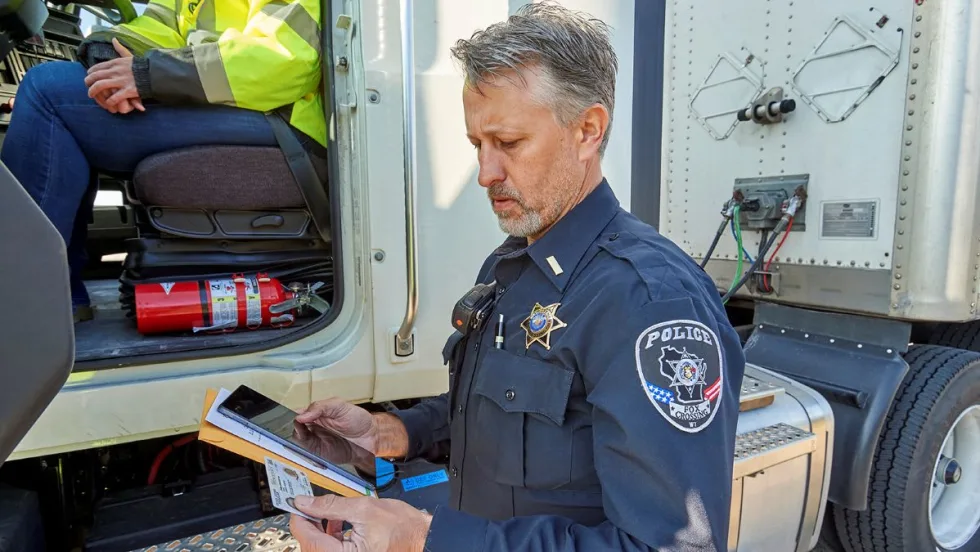
When Language Stops the Truck: The Return of ELP Out-of-Service Orders
English language proficiency rules for commercial drivers aren’t new, but renewed out-of-service enforcement has raised the stakes. Here’s what carriers need to know before a driver reaches a roadside inspection.
Read More →
Samsara Launches Custom AI Agent Builder
Agent Studio lets fleets create AI tools for hours-of-service monitoring, reporting and driver support, including agents that communicate by phone.
Read More →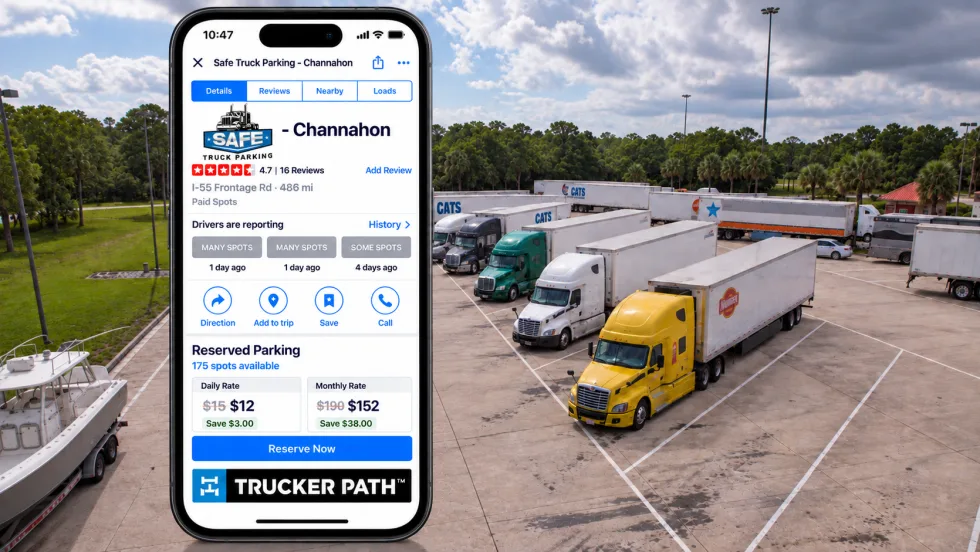
Trucker Path Expands Reserved Parking Network
Trucker Path has added close to 6,000 more truck parking spaces to its Trucker Path Reserved Parking Network with the addition of Safe Truck Parking.
Read More →
EEOC Sues Texas Trucking Company Over Driver Age Limits
The agency says Trancasa USA rejected applicants over 65 and applied tougher driving-record standards to those over 60.
Read More →
Nussbaum, Roehl Announce Second Driver Pay Increase This Year
This year has seen a swath of major truck driver pay increases as freight capacity has tightened.
Read More →
From One Generation to the Next: How Mentorship Builds Safer Truck Drivers
After three decades in trucking, Harold Perry shares what he's learned about driver safety, mentorship, and helping the next generation build confidence behind the wheel.
Read More →
Truck Drivers Need More Than Another Alert
Fleets have more visibility into truck health, safety events, and driver activity than ever. The next challenge is turning all that information into useful guidance for the person who has to decide what to do next.
Read More →
FMCSA Removes 110 Truck Driver Training Schools from Certified ELDT List
Federal regulators also are targeting more than 160 additional training providers and launching a nationwide audit of third-party CDL skills testers as part of a broader crackdown on trucking fraud.
Read More →
Hours of Service Pilot Programs: FMCSA Readies for 2027 Rollout
Two pilot programs could eventually reshape hours-of-service rules, giving truck drivers options to pause their 14-hour clock or use longer split sleeper rest periods.
Read More →
Medical Cards, English Proficiency Reshape Roadcheck Violations
Medical-card violations jumped to the top of the driver out-of-service list during CVSA’s 2026 International Roadcheck, while English-language proficiency violations appeared among the leading violations for the first time.
Read More →