




FMCSA Proposes Electronic Logbook Regulations
The Federal Motor Carrier Safety Administration just unveiled its proposal for mandatory electronic logbooks, or "Electronic Logging Devices," for interstate commercial truck and bus drivers.
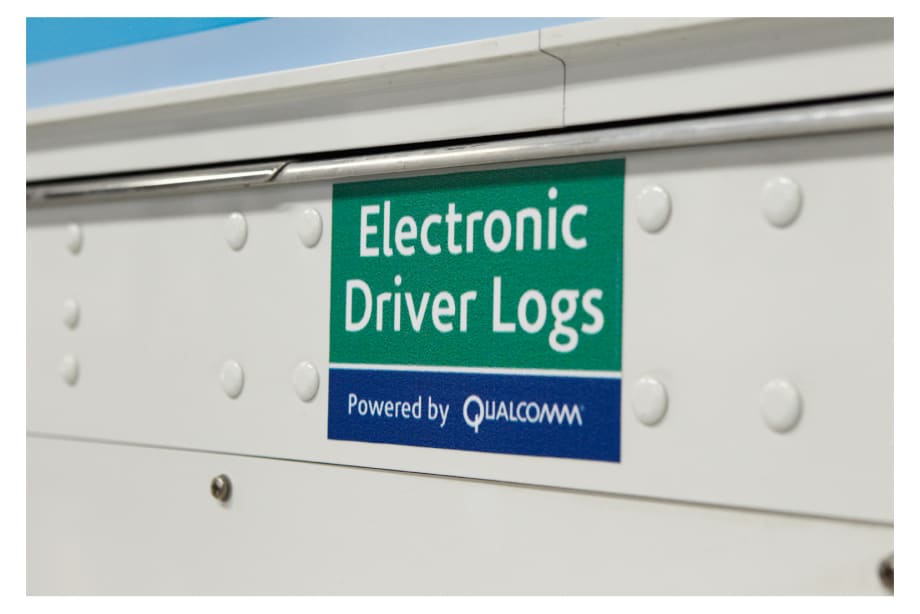
Electronic logs are currently optional but have been adopted by many fleets.

Electronic logs are currently optional but have been adopted by many fleets.
The Federal Motor Carrier Safety Administration on Thursday unveiled its proposal to require interstate commercial truck and bus companies to use Electronic Logging Devices in their vehicles to improve compliance with the safety rules that govern the number of hours a driver can work.
FMCSA contends the proposal would significantly reduce the paperwork burden associated with hours-of-service recordkeeping -- the largest in the federal government following tax-related filings -- and improve the quality of logbook data.
The agency claims the proposed rule will reduce hours-of-service violations by making it harder for drivers to misrepresent their time on logbooks and avoid detection by the agency and law enforcement personnel. FMCSA says analysis shows the proposed regulation would help reduce crashes by fatigued drivers and prevent approximately 20 fatalities and 434 injuries each year for an annual safety benefit of $394.8 million.
The proposed rule also includes provisions to:
Respect driver privacy by ensuring that ELD records continue to reside with the motor carriers and drivers. Electronic logs will continue to only be made available to FMCSA personnel or law enforcement during roadside inspections, compliance reviews and post-crash investigations.
Protect drivers from harassment through an explicit prohibition on harassment by a motor carrier owner towards a driver using information from an ELD. It will also establish a procedure for filing a harassment complaint and creates a maximum civil penalty of up to $11,000 for a motor carrier that engages in harassment of a driver that leads to an hours-of-service violation or the driver operating a vehicle when they are so fatigued or ill it compromises safety. The proposal will also ensure that drivers continue to have access to their own records and require ELDs to include a mute function to protect against disruptions during sleeper berth periods.
Increase efficiency for law enforcement personnel and inspectors who review driver logbooks by making it more difficult for a driver to cheat when submitting their records of duty status and ensuring the electronic logs can be displayed and reviewed electronically, or printed, with potential violations flagged.
In developing the updated proposal, FMCSA relied on input from its Motor Carrier Safety Advisory Committee, feedback from two public listening sessions and comments filed during an extended period following the 2011 proposed rule. The proposal also incorporates the mandates included in the most recent transportation bill, the Moving Ahead for Progress in the 21st Century Act, and other statutes.
Read more in-depth coverage from Washington Editor Oliver Patton in this updated story.
More Drivers

From One Generation to the Next: How Mentorship Builds Safer Truck Drivers
After three decades in trucking, Harold Perry shares what he's learned about driver safety, mentorship, and helping the next generation build confidence behind the wheel.
Read More →
Truck Drivers Need More Than Another Alert
Fleets have more visibility into truck health, safety events, and driver activity than ever. The next challenge is turning all that information into useful guidance for the person who has to decide what to do next.
Read More →
FMCSA Removes 110 Truck Driver Training Schools from Certified ELDT List
Federal regulators also are targeting more than 160 additional training providers and launching a nationwide audit of third-party CDL skills testers as part of a broader crackdown on trucking fraud.
Read More →
Hours of Service Pilot Programs: FMCSA Readies for 2027 Rollout
Two pilot programs could eventually reshape hours-of-service rules, giving truck drivers options to pause their 14-hour clock or use longer split sleeper rest periods.
Read More →
Medical Cards, English Proficiency Reshape Roadcheck Violations
Medical-card violations jumped to the top of the driver out-of-service list during CVSA’s 2026 International Roadcheck, while English-language proficiency violations appeared among the leading violations for the first time.
Read More →
Driver Trust Can Make or Break the Success of Fleet Safety Technology
New Teletrac Navman research suggests that onboarding, transparency about driver data, and positive feedback can play a significant role in how commercial drivers respond to safety and coaching technology.
Read More →
EEOC Sues KLLM Over Alleged Sex Discrimination in Driver Training
KLLM is facing a federal sex-discrimination lawsuit over policies the EEOC alleges put female truck driver trainees at a disadvantage.
Read More →
FMCSA Moves to Codify English Language Requirements for Commercial Drivers
By changing regulations on English-language proficiency requirements for commercial drivers, rather than relying on a guidance memo, the FMCSA said future administrations won't be able to walk back the Trump administration's stricter enforcement with just a memo.
Read More →
Drivers Put Western Star Trucks to the Test at Star Nation Experience
Watch to get an inside look at the Western Star trucks, technology, and community behind the Star Nation Experience 2026!
Read More →
Trump Administration Looks to Put More Veterans Behind the Wheel
The Freedom Haulers program pulls together existing and expanded programs at several federal agencies to recruit veterans to drive commercial heavy-duty trucks and cut the red tape for them to get a CDL, training, and employment.
Read More →