




70 MPH Speed Limit Taking Effect in Illinois
The Illinois Department of Transportation and the Illinois Tollway have announced the locations where Interstate speed limits will increase from 65 to 70 miles-per-hour following a new law that took effect the first of 2014.
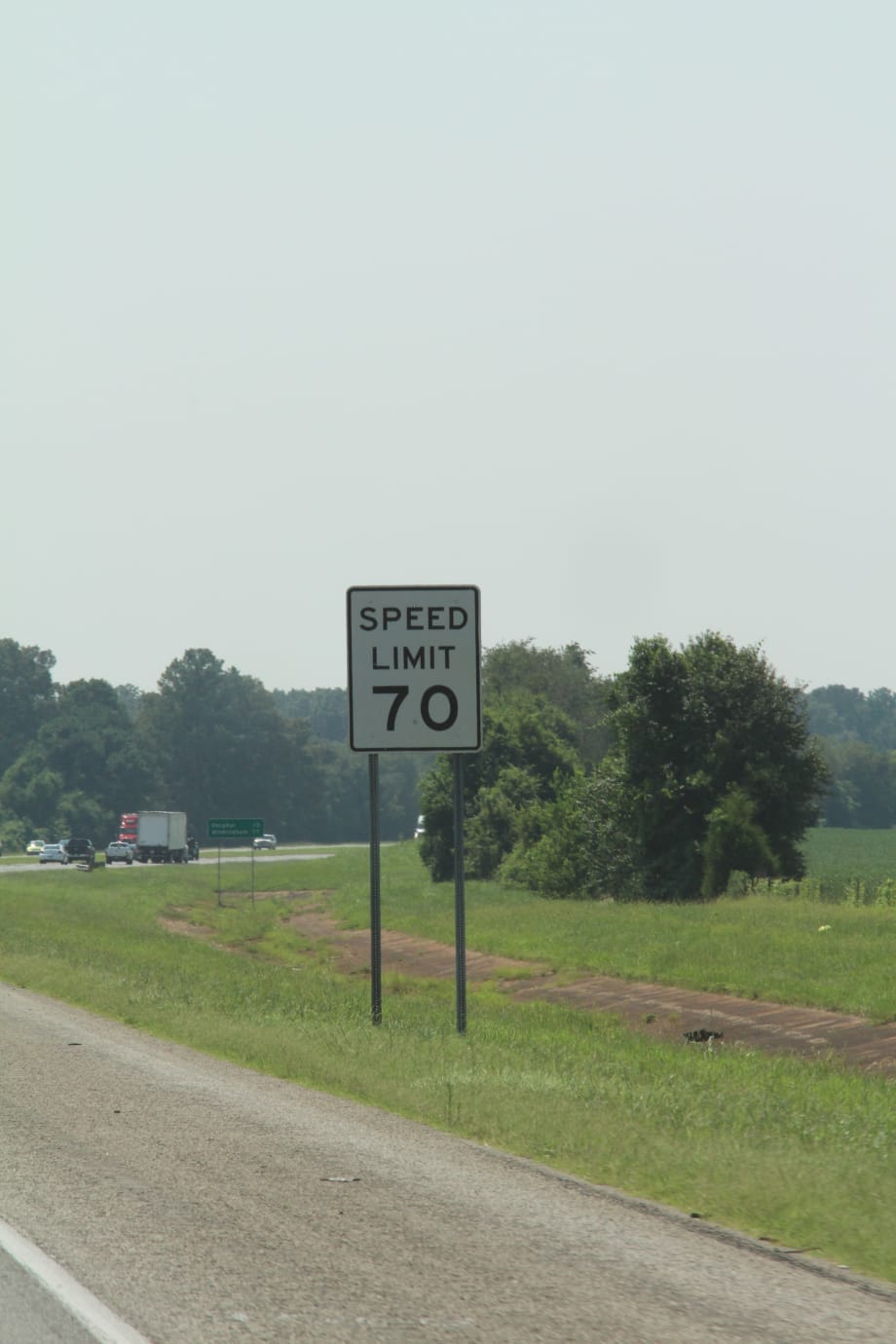
Photo: Evan Lockridge

The Illinois Department of Transportation and the Illinois Tollway have announced the locations where Interstate speed limits will increase from 65 to 70 miles-per-hour for both trucks and four-wheelers, following a new law that took effect the first of 2014.
Legislation signed into law in August increased the maximum speed limit on Illinois Interstates from 65 to 70 mph, where deemed reasonable and safe, outside the Chicago metro area.
“Illinois Department of Transportation crews will begin to remove the old 65 mph signs and install the new 70 mph signs in the designated areas early January to comply with the new law,” said Illinois Transportation Secretary Ann L. Schneider.
Once all of the new signs are in place approximately 87% of Interstate highways and 98% of rural Interstates under IDOT’s jurisdiction will be increased to 70 mph.
Approximately 28% of the Illinois Tollway’s 286-mile system will be increased to 70 mph.
New speed limit signs have been distributed throughout the state and will be installed through Jan. 17, weather permitting.
The higher speed limit is in effect only in areas where the new signs have been installed.
For the Illinois Tollway, new 70 mph signs will be installed between Jan. 7 and Jan. 14, weather permitting, on a 64-mile segment of the Reagan Memorial Tollway (I-88) and on a 15-mile portion of the Jane Addams Memorial Tollway (I-90).
The new law includes an additional safety provision, which lowers the limit by five mph at which drivers may be charged by law enforcement with excessive speeding. Currently, the threshold for penalties is 31 mph over the limit. The new law lowers that threshold to 26 mph over the limit.
More Drivers

Trump Administration Looks to Put More Veterans Behind the Wheel
The Freedom Haulers program pulls together existing and expanded programs at several federal agencies to recruit veterans to drive commercial heavy-duty trucks and cut the red tape for them to get a CDL, training, and employment.
Read More →
Putting Mack’s Command Steer to the Test
A test drive of Mack’s Command Steer active steering system evaluates how it can make truck driving easier and less tiring.
Read More →
Competition Heating Up for Truck Drivers
New report reveals rising driver hiring costs, the return of sign-on bonuses, growing AI advantages, and the operational factors shaping driver retention.
Read More →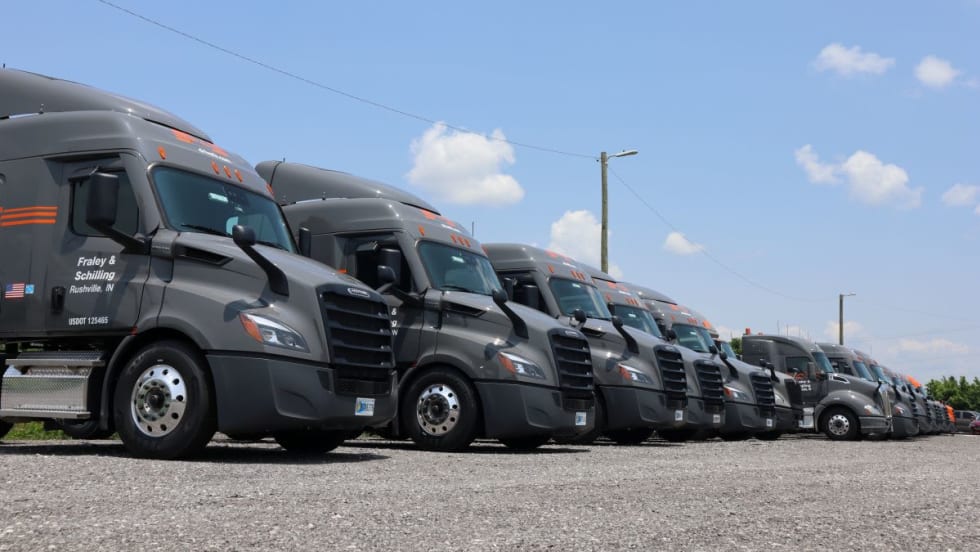
How Fraley & Schilling Improved Logbook Compliance by Over 50%
Fraley & Schilling needed a way to close a compliance workflow gap in its ELD system without adding more work from driver training, reminders, and back-office follow-ups. It found the answer in a custom driver app.
Read More →
Volvo Goes Gaming
Volvo has roared into American Truck Simulator with two new flagship trucks.
Read More →
What the Best Fleets to Drive For Teach About Driver Retention
Survey fatigue, AI-powered routing, owner-operator expectations, and the decline of social media all emerged as themes from this year's Best Fleets to Drive For program.
Read More →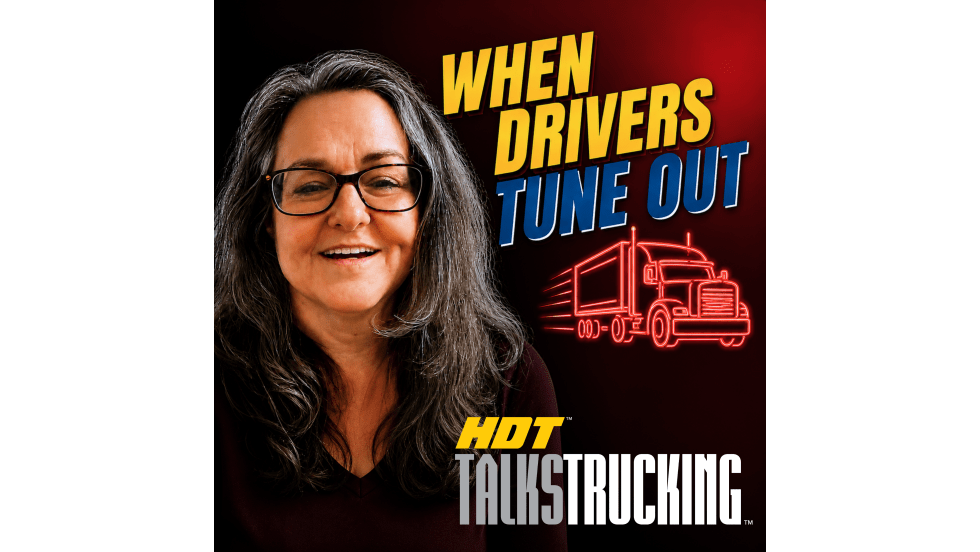
Driver Retention Lessons From the Best Fleets to Drive For
What separates trucking's best workplaces from the rest? Jane Jazrawy shares the biggest lessons from this year's Best Fleets to Drive For program on driver retention, communication, AI, and workforce trends on the HDT Talks Trucking podcast.
Read More →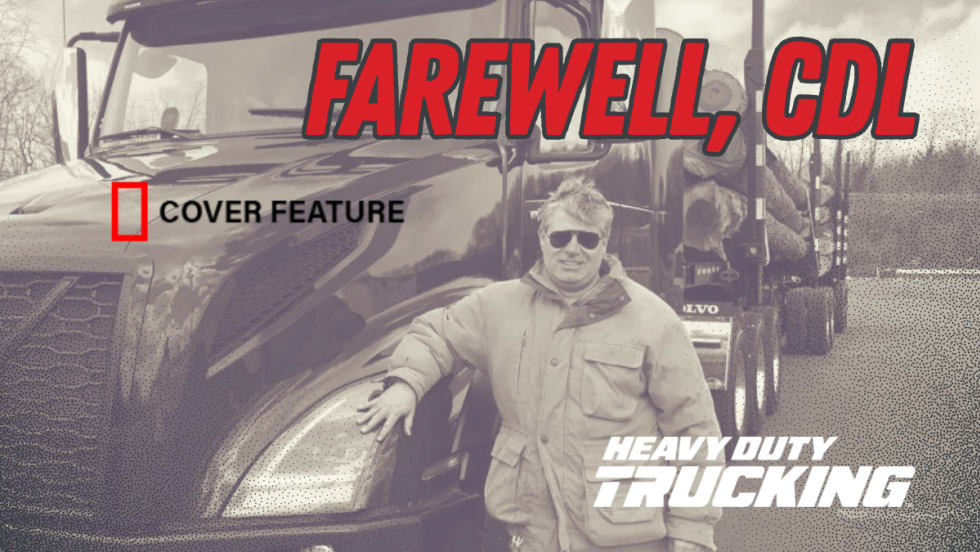
Farewell, CDL: Why I'm Giving Up My Commercial Driver's License
After more than 20 years as a CDL holder, HDT Executive Editor Jack Roberts is letting his commercial license expire. Not because he wants to — but because trucking's nuclear verdict crisis has made the risks of public-road test drives too great for editors, manufacturers, and everyone involved.
Read More →
How Top Trucking Fleets Improve Driver Retention [Video]
What do healthy snacks, optimized routing, and just picking up the phone have in common? They're all strategies the Best Fleets to Drive For are using to retain truck drivers.
Read More →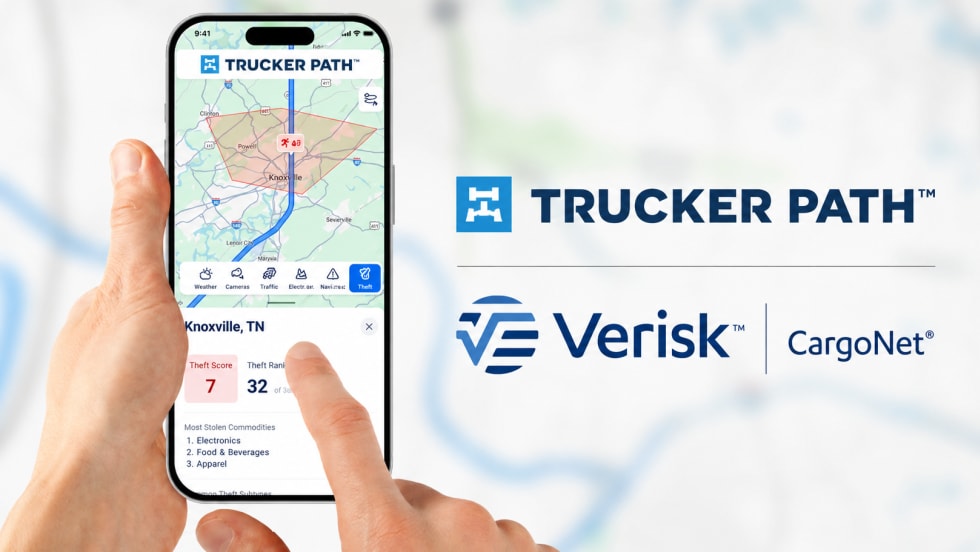
Trucker Path Adds Verisk CargoNet Theft Data to Navigation Platform
Trucker Path’s new cargo theft risk overlays give drivers and fleets visibility into high-risk areas, stolen commodity trends, and theft hotspots.
Read More →