




FMCSA Withdraws Driver Training Proposal, Will Start Over
The Federal Motor Carrier Safety Administration is withdrawing its proposed rule for entry-level driver training and will start over with a new proposal. The agency explained in a Federal Register announcement that there are substantive problems with the proposal it has been working on since 2007.

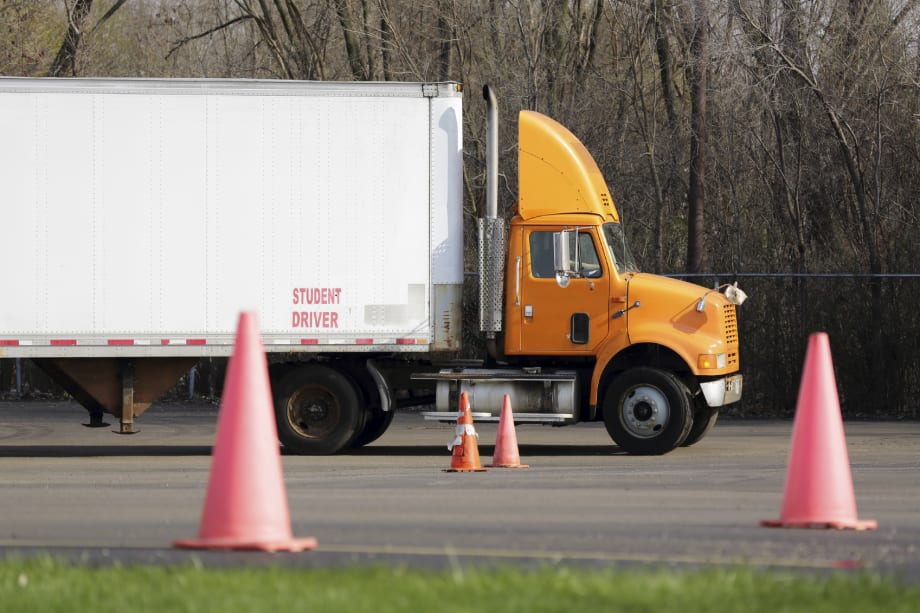

The Federal Motor Carrier Safety Administration is withdrawing its proposed rule for entry-level driver training and will start over with a new proposal.
The agency explained in a Federal Register announcement that there are substantive problems with the proposal it has been working on since 2007.
Comments on the proposal and recommendations from an advisory panel led the agency to conclude that it has to start over again.
The proposal would have required both classroom and behind-the-wheel training for applicants for a commercial license.
While most of the 700 comments on the proposal supported the concept of the training, views on the details were mixed, the agency said.
Some industry groups, for example, objected to the agency’s plan to require a specific number of training hours rather than a performance-based approach.
Also, there were objections to the agency’s plan to require driver training schools to be accredited by an agency recognized by the Education Department or the Council on Higher Education Accreditation.
Some said that the accreditation process would be too long and costly, and would not necessarily lead to better training.
In addition, some urged the agency to consider adding a graduated licensing system to the proposal, and others were concerned about how the behind-the-wheel portion of the training would be conducted.
Finally, the agency noted that last year’s highway bill added additional requirements to the regulation. It says the rule must establish a training regime that addresses safety performance and hazmat operations, and it must certify that applicants and trainers meet federal standards.
These add up to a significant change of direction for the rule, the agency said.
The agency does not spell out a schedule for a revised approach. It says it will solicit comments on what Congress ordered in last year’s highway bill. And it has two research projects under way on entry-level training, each looking at different aspects of the relationship between training and safety performance.
Related Stories:
"On the Road" Blog: Mandatory Entry-Level Driver Training: Is There a Better Way?
More Drivers

Drivers Put Western Star Trucks to the Test at Star Nation Experience
Watch to get an inside look at the Western Star trucks, technology, and community behind the Star Nation Experience 2026!
Read More →
Trump Administration Looks to Put More Veterans Behind the Wheel
The Freedom Haulers program pulls together existing and expanded programs at several federal agencies to recruit veterans to drive commercial heavy-duty trucks and cut the red tape for them to get a CDL, training, and employment.
Read More →
Putting Mack’s Command Steer to the Test
A test drive of Mack’s Command Steer active steering system evaluates how it can make truck driving easier and less tiring.
Read More →
Competition Heating Up for Truck Drivers
New report reveals rising driver hiring costs, the return of sign-on bonuses, growing AI advantages, and the operational factors shaping driver retention.
Read More →
How Fraley & Schilling Improved Logbook Compliance by Over 50%
Fraley & Schilling needed a way to close a compliance workflow gap in its ELD system without adding more work from driver training, reminders, and back-office follow-ups. It found the answer in a custom driver app.
Read More →
Volvo Goes Gaming
Volvo has roared into American Truck Simulator with two new flagship trucks.
Read More →
What the Best Fleets to Drive For Teach About Driver Retention
Survey fatigue, AI-powered routing, owner-operator expectations, and the decline of social media all emerged as themes from this year's Best Fleets to Drive For program.
Read More →
Driver Retention Lessons From the Best Fleets to Drive For
What separates trucking's best workplaces from the rest? Jane Jazrawy shares the biggest lessons from this year's Best Fleets to Drive For program on driver retention, communication, AI, and workforce trends on the HDT Talks Trucking podcast.
Read More →
Farewell, CDL: Why I'm Giving Up My Commercial Driver's License
After more than 20 years as a CDL holder, HDT Executive Editor Jack Roberts is letting his commercial license expire. Not because he wants to — but because trucking's nuclear verdict crisis has made the risks of public-road test drives too great for editors, manufacturers, and everyone involved.
Read More →
How Top Trucking Fleets Improve Driver Retention [Video]
What do healthy snacks, optimized routing, and just picking up the phone have in common? They're all strategies the Best Fleets to Drive For are using to retain truck drivers.
Read More →