




11 Arrested, Charged in Alleged CDL Scheme
In a complaint unsealed last week in federal court in Brooklyn, N.Y., 11 individuals were charged with conspiracy to commit mail fraud as part of an extensive scheme to let applicants for New York State commercial driver’s licenses cheat on required tests.

By Mikadiou, via Wikimedia Commons.

In a complaint unsealed last week in federal court in Brooklyn, N.Y., 11 individuals were charged with conspiracy to commit mail fraud as part of an extensive scheme to let applicants for New York State commercial driver’s licenses cheat on required tests.
All 11 have been arraigned in federal court, with five being detained.
Loretta Lynch, U.S. Attorney for the Eastern District of New York, along with other federal and state law enforcement agencies, announced the charges.
The defendants allegedly charged each applicant approximately $1,500 to $2,500 for assistance in cheating on their CDL exam. Between April 2013 and September 2013, the defendants helped more than 60 people fraudulently obtain or attempt to obtain CDLs, according to the complaint.
One cheating method the defendants allegedly used was to provide applicants with a coded pencil that contained a series of dots and dashes inscribed on the sides. These symbols reflected the correct true or false answers to the audio version of the CDL exam, according to prosecutors.
Another cheating method the defendants allegedly orchestrated enabled applicants to cheat on written CDL tests at various DMV offices in Queens, Long Island and Manhattan. Defendants employed as DMV security guards surreptitiously signaled applicants to leave the DMV offices with their uncompleted tests in hand, say prosecutors, while other defendants met the applicants outside the DMV offices and arranged for another defendant to complete the exams. Applicants then allegedly re-entered the DMV with the completed exams and submitted them for grading. The security guards received cash bribes for their role in the scheme, according to prosecutors.
“As alleged in the complaint, with their wide-spread cheating scheme, the defendants enabled unqualified drivers to take to our roads and highways behind the wheel of large buses and heavy trucks,” said Lynch. “In doing so, they jeopardized the safety of other drivers, their passengers and even pedestrians.”
The defendants are: Akmal Narzikulov, 28, of Brooklyn; Firdavs Mamadaliev, 22, of Brooklyn; Dale Harper, 48, of Bronx; Joachim Pierre Louis, 32, of Brooklyn; Latoya Bourne, 32, of Brooklyn; Marie Daniel, 47, of Queens Village; Luc Desmangles, 27, of Brooklyn; Beayeah Karmara, 25, of Staten Island; Jose Payano, 44, of Brooklyn; Tanael Daniel, 36, of Brooklyn; and Inocente Rene Gonzalez-Martinez, 57, of Brooklyn.
If convicted, the defendants each face a maximum sentence of twenty years’ imprisonment. Additionally, if convicted, the defendants may be fined up to $250,000.
More Drivers

Trump Administration Looks to Put More Veterans Behind the Wheel
The Freedom Haulers program pulls together existing and expanded programs at several federal agencies to recruit veterans to drive commercial heavy-duty trucks and cut the red tape for them to get a CDL, training, and employment.
Read More →
Putting Mack’s Command Steer to the Test
A test drive of Mack’s Command Steer active steering system evaluates how it can make truck driving easier and less tiring.
Read More →
Competition Heating Up for Truck Drivers
New report reveals rising driver hiring costs, the return of sign-on bonuses, growing AI advantages, and the operational factors shaping driver retention.
Read More →
How Fraley & Schilling Improved Logbook Compliance by Over 50%
Fraley & Schilling needed a way to close a compliance workflow gap in its ELD system without adding more work from driver training, reminders, and back-office follow-ups. It found the answer in a custom driver app.
Read More →
Volvo Goes Gaming
Volvo has roared into American Truck Simulator with two new flagship trucks.
Read More →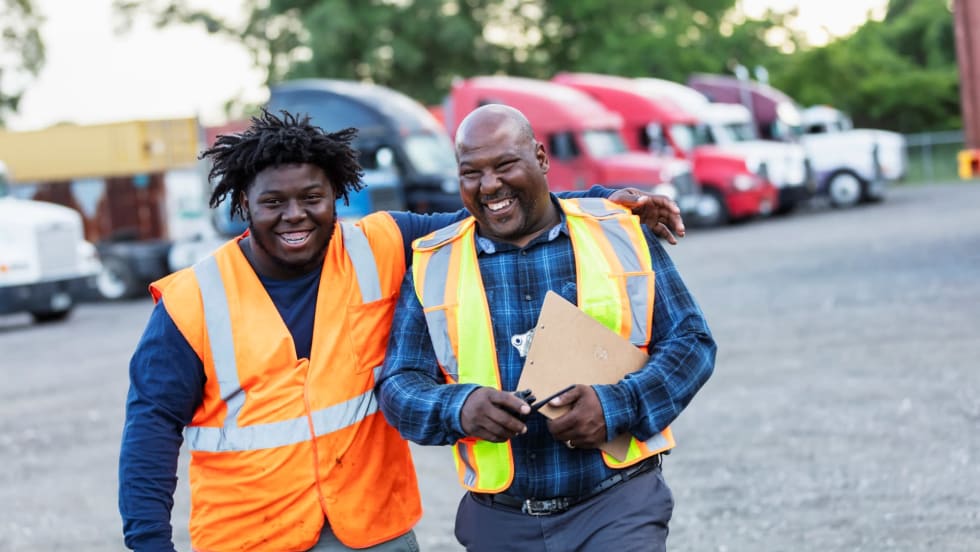
What the Best Fleets to Drive For Teach About Driver Retention
Survey fatigue, AI-powered routing, owner-operator expectations, and the decline of social media all emerged as themes from this year's Best Fleets to Drive For program.
Read More →
Driver Retention Lessons From the Best Fleets to Drive For
What separates trucking's best workplaces from the rest? Jane Jazrawy shares the biggest lessons from this year's Best Fleets to Drive For program on driver retention, communication, AI, and workforce trends on the HDT Talks Trucking podcast.
Read More →
Farewell, CDL: Why I'm Giving Up My Commercial Driver's License
After more than 20 years as a CDL holder, HDT Executive Editor Jack Roberts is letting his commercial license expire. Not because he wants to — but because trucking's nuclear verdict crisis has made the risks of public-road test drives too great for editors, manufacturers, and everyone involved.
Read More →
How Top Trucking Fleets Improve Driver Retention [Video]
What do healthy snacks, optimized routing, and just picking up the phone have in common? They're all strategies the Best Fleets to Drive For are using to retain truck drivers.
Read More →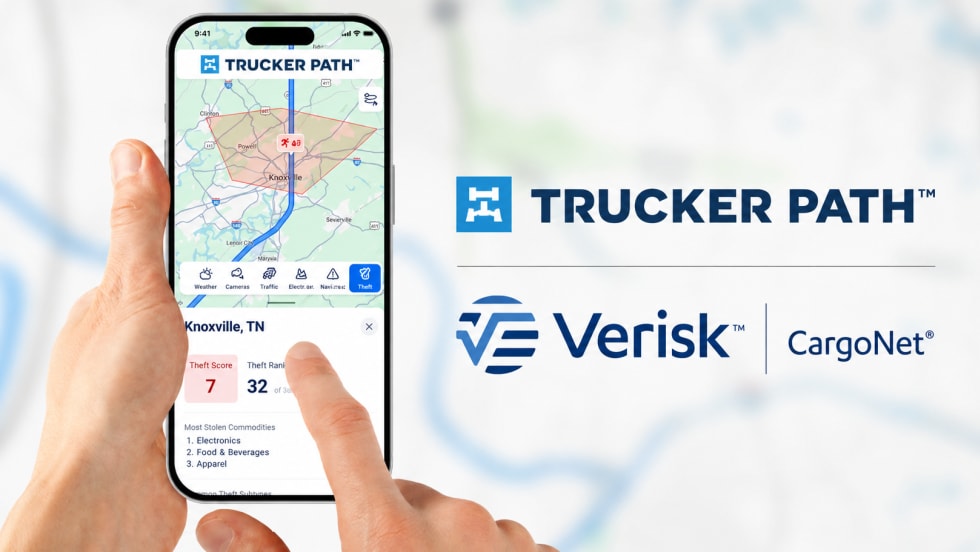
Trucker Path Adds Verisk CargoNet Theft Data to Navigation Platform
Trucker Path’s new cargo theft risk overlays give drivers and fleets visibility into high-risk areas, stolen commodity trends, and theft hotspots.
Read More →