




Related: Wabco Offers Maintenance Tips Ahead of Brake Safety Week
Bendix Offers Comprehensive Brake Safety Week Upkeep Tips
In support of the Commercial Vehicle Safety Alliance's annual Brake Safety Week, Bendix is offering upkeep tips for drivers and fleets.
by Bendix Commercial Vehicle Systems
September 9, 2016
6 min to read
In support of the Commercial Vehicle Safety Alliance's annual Brake Safety Week, Bendix is offering upkeep tips for drivers and fleets.
Part of CVSA’s Operation Airbrake, Brake Safety Week is an annual outreach and enforcement campaign aimed at improving commercial vehicle brake safety. This year’s event takes place from Sept. 11-17 and will include thousands of inspection on large trucks and buses conducted by local, state, provincial, territorial and federal safety officials in the U.S. and Canada.
“The road to safer vehicles may begin with new technologies and improved braking components, but it also requires supporting them through proper maintenance and ongoing, proactive training and technical knowledge,” said Fred Andersky, Bendix director of government and industry affairs. “The best-equipped vehicle out there is not running at its safest without the right upkeep and know-how both in the garage and on the road.”
Maintenance Matters
Friction selection, air system care, and upkeep of components affecting brake stroke all contribute to brake performance– which means they have a role to play in preparation for Brake Safety Week.
Whether a vehicle uses foundation drum or air disc brakes, it’s important to know when new friction is needed. Check friction regularly for cracks or missing pieces, ensure adequate thickness, and examine drums and rotors for signs of dragging brakes or overheating linings. For reference, the American Trucking Associations’ Technology and Maintenance Council’s Recommended Practice 627A aligns directly with CVSA inspection guidelines and provides visual illustrations for acceptable and out-of-service conditions.
When relining brakes on vehicles affected by federal Reduced Stopping Distance (RSD) regulations, ask suppliers for evidence of compliance. Not all replacement friction marketed as acceptable under RSD will actually perform to the standard.
Because an effective and safe air braking system is dependent on maintaining clean air, Bendix recommends monthly checks for moisture in the system, supported with the use of oil-coalescing air dryer cartridges like the Bendix PuraGuard. An air system contaminated by moisture– particularly oil– can suffer deterioration of components such as air seals, brake modulating valves, and brake chamber diaphragms. This can lead to air system leaks, which are targeted during Operation Airbrake inspections.
Brake stroke measurement is also a Brake Safety Week focal point. During last year’s event, more than 1,400 vehicles were placed out of service because they had wheel-ends beyond the maximum allowable stroke or out-of-adjustment. Drivers can incur fines if 25% of a vehicle’s wheel-ends are non-compliant. Bendix recommends measuring wheel-end stroke by checking the distance from the chamber to the large clevis pin with the brakes released, and again after a fully charged brake application.
Automatic slack adjusters must never be repeatedly adjusted to correct for out-of-adjustment conditions. This out-of-adjustment condition repeatedly occurring indicates that there is another problem, and technicians should look for the root cause. Some things a technician should check more closely for include excessive wear of the cam head, bushings, or rollers; proper installation of the slack adjuster; and proper operation of the slack adjuster itself per the manufacturer’s procedures (for example, “Bendix Air Drum Brakes Service Manual BW-7258”), since manual adjustment will not correct this issue.
“We regularly stress the importance of learning and addressing the causes of out-of-adjustment brakes that are equipped with automatic slack adjusters, since properly installed and maintained adjusters should not require routine manual brake adjustments during maintenance inspections,” said Keith McComsey, director of marketing and customer solutions, wheel-end at Bendix Spicer Foundation Brake. “Brake adjustment has a direct impact on brake performance and safety, which is one reason it comes under scrutiny during Brake Safety Week inspections.” (Bendix Spicer Foundation Brake is a joint venture between Bendix Commercial Vehicle Systems and Dana Commercial Vehicle Products.)
Drivers’ Duties
Driver preparation for Brake Safety Week inspections begins with focused knowledge and observation– the same tools that safety-minded professional drivers already use every time they are on the road.
Familiarity with the vehicle systems’ blinking light fault codes, and knowing how to address them, helps ensure safe operation. For example, antilock braking system (ABS) warning lights convey key information on problems with components such as wheel speed sensors. Additionally, on vehicles equipped with traction control and stability control systems, issues are indicated via the traction control/stability control lamp. Blinking light codes for both systems can be accessed using the dashboard diagnostic switch or a remote diagnostic unit, allowing drivers and technicians to pinpoint and address issues by using the fault code information in the system’s service data sheet.
Pretrip checks and system leak tests should be a regular part of any safe driver’s practices.
To check for leaks, Bendix recommends a 90 to 100 psi brake application, followed by a walk-around vehicle inspection that includes listening for audible leaks. CVSA inspections will go a step further, testing the vehicle’s low air pressure warning device, and measuring the air loss rate if a leak is detected.
During visual inspections, check the air system carefully for loose hoses; and at the wheel-ends, make sure that the air chambers, pushrods and slack adjusters are not damaged or hanging loose. For air disc brakes, check the guide pin boots and tappet boots to make sure they are intact, without cracks or tears that could allow moisture inside.
Although it’s not necessary to get under the vehicle every trip, Bendix recommends doing that once or twice a week. Drivers should check air disc brake rotors for cracks, and inspect the lining wear on drum brakes without dust shields, since this can be done without removing the wheel.
Inspection Day
Drivers whose vehicles are selected for roadside checks during Brake Safety Week can expect Operation Airbrake inspectors to examine the following: driver’s license, registration, low air warning device, pushrod travel (brake adjustment), brake linings and drums, air loss rate if a leak is detected, and tractor protection system.
Since these inspections are one-time examinations of a particular item, they generally fall under the Level IV category of North American Standard Inspection Levels. CVSA notes, however, that many inspectors will be conducting Level I inspections, which are the more thorough North American Standard Inspection. Furthermore, in 10 jurisdictions where performance-based brake testing equipment is used, vehicles’ braking efficiency will also be measured.
Operation Airbrake inspection procedure includes:
Checking the air brake mechanical components
Checking the steering axle air brake mechanical components
Checking the brake adjustment
Building the air system’s pressure to 90-100 psi
Checking the air brake antilock braking system, if applicable
Testing the air loss rate, if necessary
Testing the low air pressure warning device
Checking the tractor protection system
Finalizing the paperwork and providing the results to the driver
“Although this information is focused on helping teams across the trucking industry prepare for Brake Safety Week, year-round knowledge and equipment support is a key piece of Bendix’s approach to helping improve highway safety,” said Andersky. “From the free courses at the Bendix On-Line Brake School to our long-established in-person Brake Training School sessions, to the experience of our field-tested sales and service professionals, we strive to make our resources available 24/7/365 to keep vehicles on the road and in good working condition.”
Bendix Commercial Vehicle Systems develops and supplies active safety technologies, energy management solutions and air brake charging and control systems and components for medium- and heavy-duty commercial vehicles.
Subscribe to Our Newsletter
More Maintenance

What Three Fleets Are Doing Differently When Buying Truck Parts in 2026
With freight improving but costs still climbing, fleet maintenance executives explain how they're balancing price, quality, and supplier relationships.
Read More →
Paccar Recalls 2027 Trucks Built This Summer for Possible Electrical Problem
The nearly 6,000 Kenworth and Peterbilt trucks in the recall could potentially lose engine power, among other things.
Read More →
Will API PC-12 Oil Change Trucking Fleet Maintenance?
The new API PC-12 heavy-duty engine oil category reflects the changing demands of modern diesel engines. But fleets like Foodliner are looking to getting their own data before making decisions on adopting the new oils and questions such as extending oil drain intervals.
Read More →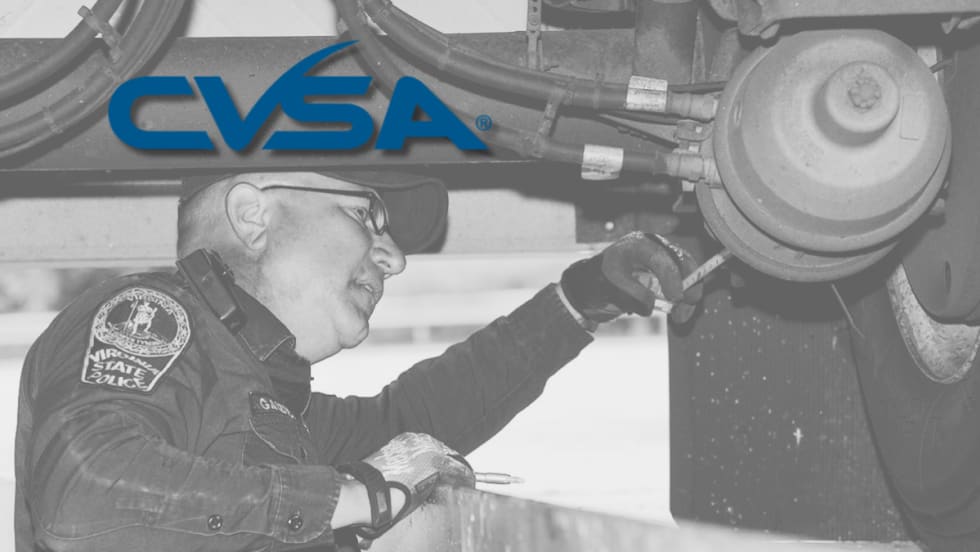
Brake Safety Week to Focus on Drums and Rotors
Commercial vehicle inspectors will be focusing on brakes during CVSA's Brake Safety Week, August 23-29.
Read More →
Possible Battery-Cable Fires Prompt Recall of 15,000+ International MV and HV Trucks
On the recalled vehicles, manufacturing variations can cause the battery interconnect cable to contact the auxiliary stud and hold down the bracket.
Read More →
Rush, MCT Team Up to Grow Refrigeration Service Network
The joint venture will operate MCT's network of Carrier Transicold dealerships and mobile service locations, with the companies promising greater service capacity and uptime for refrigerated fleets.
Read More →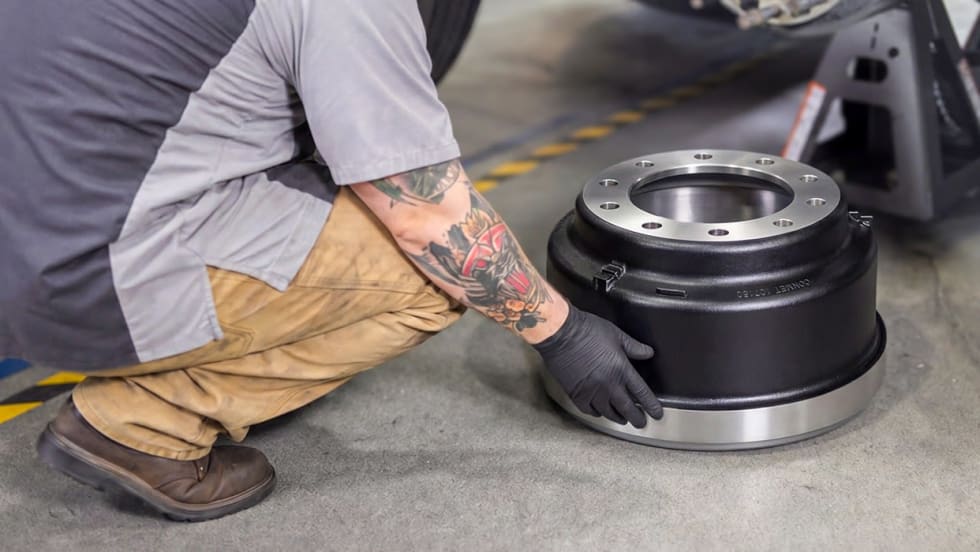
ConMet Expands Aftermarket Brake Drum Lineup With TruCast
A new heavy-duty truck brake drum option in the aftermarket gives customers more flexibility within the ConMet product family.
Read More →
Mack Expands Premium Service Contract Coverage to Medium-Duty MD
With a service contract, inspections, preventive maintenance and repairs can be handled in a single visit instead of multiple ones.
Read More →
Maintenance in the Messy Middle Part 5: Battery-Electric Trucks
No oil changes. No diesel exhaust fluid. No exhaust aftertreatment. But NACFE battery-electric trucks still require specialized maintenance procedures.
Read More →
Trucking Fleets Faced Record Operating Costs During Third Year of Freight Recession
ATRI's annual operational cost report shows carriers trimmed fleets, delayed equipment purchases, and ran older trucks as expenses continued to outpace freight rates.
Read More →