




Owner-Operator Leasing Regulations: What Trucking Fleets Should Watch Out For
Leasing owner-operators is one of the quickest ways a company can increase the fleet’s capacity. However, there are several pitfalls with using leased owner-operators, for both the company and the owner-operator.
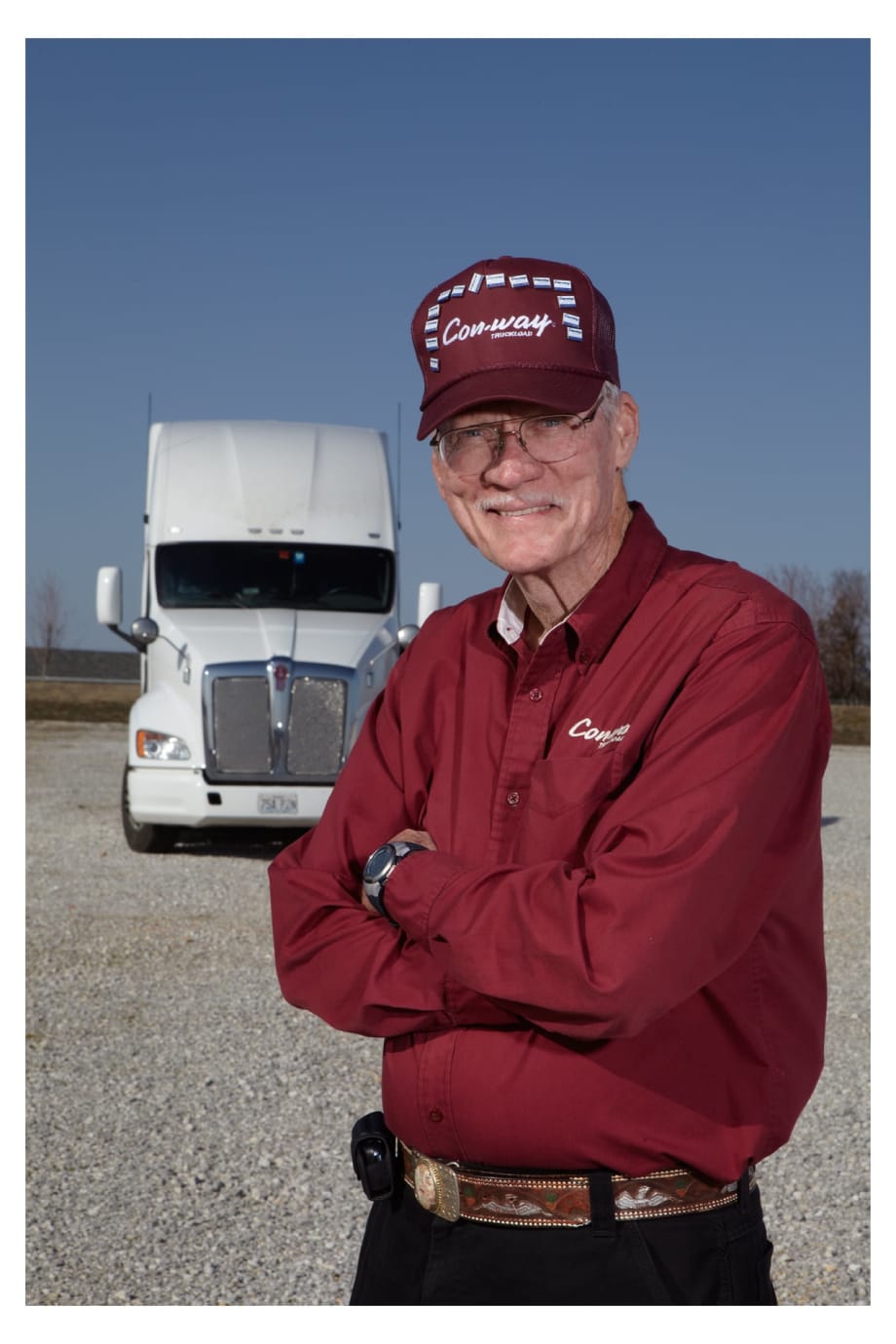

Leasing owner-operators is one of the quickest ways a trucking company can increase the fleet’s capacity. However, there are several pitfalls with using leased owner-operators, for both the company (carrier or “lessee”) and the owner-operator (the “lessor”).
One key point to remember as an owner-operator: Once leased onto a carrier, the FMCSA considers the truck and the owner-operator driver “the carrier’s” for compliance purposes.
If the owner-operator doesn’t complete a logbook or stay under the speed limit, or receives a series of vehicle violations, this is going to be reflected in the carrier’s safety data. This is why most companies that lease on owner-operators will have minimum standards. These standards come into play when considering whether or not to lease an owner-operator into the fleet and when determining whether or not to continue the lease with an owner-operator.
Also, motor the carrier needs to be careful to not treat any of the owner-operators it has under lease the same as an employee. This could lead to severe repercussions for the carrier. This is why in many cases the carrier will not “require” an owner-operator to do something or “help” the owner-operator in certain circumstances.
For this, and many other reasons, leasing an owner-operator into a fleet is a fairly complicated and tricky process, from both the viewpoint of the carrier and the owner-operator. However, there are regulations that guide the basics of the process.
The Basics: Truth in Leasing Regulations
There is a set of regulations in the Federal Motor Carrier Safety Administration regulations that are sometimes referred to as the “truth in leasing” regulations. These regulations spell out a lot of details when it comes to owner-operators leasing onto a carrier. These regulations are found in Part 376, specifically §§376.11 and 376.12.
The written (yes, it must be in writing) lease agreement and addendums must:
Identify the parties involved and be signed by parties to the agreement.
Define the duration of lease.
Identify all equipment involved.
Clearly state that the carrier has “exclusive possession” and “control” for the term of the lease
Define lease termination procedures, including the process for immediately removing the carrier’s name when the lease is terminated.
Specify the method of compensation and rate of payment to the owner-operator. There are several rules related to payment. The method of payment is not prescribed in the regulations, but the method must be clearly stated in the lease (mileage, percentage of revenue, tons, trips, etc.). A payment period longer than 15 days from submission of proof of delivery is not allowed. If payment is based on a percentage of revenue, the lease must include the “right to inspect” carrier billing.
Clearly explain any charge-backs that will be initially paid by the carrier, and then charged against the owner-operator.
Include a “not required to purchase or rent” clause. The lease must explain that purchasing services or equipment from the carrier is not a condition of the lease agreement. If owner-operator does purchase equipment or services from the carrier, the lease must clearly state terms under which such purchases will be done.
Specify the carrier’s legal obligation to have and maintain public liability and any required cargo insurance. If insurance is purchased through the carrier, the owner-operator must be provided with detailed information on the policies if requested.
Specify who has responsibility for other types of insurance, such as bobtail coverage.
Specify when deductions will be made to the owner-operator’s settlement due to damage to property or cargo.
Clearly explain any escrow funds. If escrow funds are to be used, the amount to be withheld, the items the escrow will be applied to, and when and how the carrier will provide an accounting of escrow transactions should all be defined.
There are a few areas here to be very careful about.
Both parties will want to come away from the lease meeting and signing with a crystal-clear understanding of what the method of payment will be; what exactly the payment is based on and how much they will be paying; what situations will lead to a chargeback (or any money being withheld from a settlement), and how any escrow funds will be established, managed, and paid out at the termination of the lease or escrow period.
The ‘Other Stuff’ to Address in Truck Owner-Operator Lease Agreements
There are several other issues that must be addressed in a lease agreement between a motor carrier and the owner-operator, and addendums as well. These include:
Responsibility for violations, including:
The carrier must assume responsibility for fines due to overweight and oversize trailers when the trailers are pre-loaded, sealed, the load is containerized, or the load is otherwise outside of the owner-operator’s control.
The carrier must also assume responsibility for fines due to for improperly permitted overdimension and overweight loads.
The carrier is required to reimburse the lessor for any fines paid by the owner-operator in these situations.
On the other hand, the lease can require that the owner-operator be held responsible for any fines that were the result of acts or omissions on the owner-operator’s part.
How payments for base license plates, permit costs, and fuel tax reporting are to be handled, and how any unused value of licenses and permits will be distributed.
Who is responsible for fuel costs.
Who is to cover the cost of empty miles.
Who is responsible for toll costs.
Who will be responsible for loading and unloading the vehicle, and what compensation will be involved (if any).
Other accessorial and compensation issues.
Assigning responsibility for maintaining and repairing the equipment, along with maintaining the required recordkeeping, is another item that should be addressed in the lease agreement (this is normally assigned to the owner-operator).
If at any point during the leasing process the owner-operator feels that one of the above is missing, it should be addressed at that time.
Also, if at any time the owner-operator does not understand one of the terms of the lease, the process should be stopped and the issue clarified.
The Lease Agreement Looks Good. Now What?
Once the lease agreement is agreed to and signed, the carrier and owner-operator will need to complete a “receipt of equipment” statement. This declares exactly when the vehicle is considered as being under the carrier’s control.
As part of the receipt of equipment process, the carrier may choose to inspect the owner-operator’s equipment to verify that it meets the company’s standards.
If the owner-operator will be operating under a “master lease” and “coming and going” between the carrier and his/her own DOT number, then a receipt for equipment showing the beginning and ending of each period the lease was active would be necessary.
From the signing of the receipt of equipment statement forward, the carrier is responsible for the compliance of the driver (owner-operator) and the vehicle. This means that the carrier will need to have a driver qualifications file on the owner-operator, make sure the owner-operator remains qualified, and have the owner-operator in the carrier’s drug and alcohol testing program.
Also, the carrier will be responsible for any mechanical violations discovered on the owner-operator’s vehicle.
Once everything has been taken care of — the lease has been agreed to and signed, the driver fully qualified, and the receipt of equipment completed — the owner-operator and the vehicle can begin operating for the new carrier.
The vehicle must have proof of the lease on board and the power unit will need to be marked. The marking must include the carrier’s name and DOT number, and the marking must be easily visible from 50 feet away. The owner-operator’s name can be on the vehicle (unless the lease agreement prohibits it) along with the carrier’s name. However, if there are multiple names on the vehicle, the carrier’s name must be preceded by the words “Operated by.”
Thomas Bray is an editor in the Transportation Publishing Department of the Editorial Resource Unit at J.J. Keller & Associates, specializing in motor carrier safety and operations management.
More Drivers

Truck Drivers Need More Than Another Alert
Fleets have more visibility into truck health, safety events, and driver activity than ever. The next challenge is turning all that information into useful guidance for the person who has to decide what to do next.
Read More →
FMCSA Removes 110 Truck Driver Training Schools from Certified ELDT List
Federal regulators also are targeting more than 160 additional training providers and launching a nationwide audit of third-party CDL skills testers as part of a broader crackdown on trucking fraud.
Read More →
Hours of Service Pilot Programs: FMCSA Readies for 2027 Rollout
Two pilot programs could eventually reshape hours-of-service rules, giving truck drivers options to pause their 14-hour clock or use longer split sleeper rest periods.
Read More →
Medical Cards, English Proficiency Reshape Roadcheck Violations
Medical-card violations jumped to the top of the driver out-of-service list during CVSA’s 2026 International Roadcheck, while English-language proficiency violations appeared among the leading violations for the first time.
Read More →
Driver Trust Can Make or Break the Success of Fleet Safety Technology
New Teletrac Navman research suggests that onboarding, transparency about driver data, and positive feedback can play a significant role in how commercial drivers respond to safety and coaching technology.
Read More →
EEOC Sues KLLM Over Alleged Sex Discrimination in Driver Training
KLLM is facing a federal sex-discrimination lawsuit over policies the EEOC alleges put female truck driver trainees at a disadvantage.
Read More →
FMCSA Moves to Codify English Language Requirements for Commercial Drivers
By changing regulations on English-language proficiency requirements for commercial drivers, rather than relying on a guidance memo, the FMCSA said future administrations won't be able to walk back the Trump administration's stricter enforcement with just a memo.
Read More →
Drivers Put Western Star Trucks to the Test at Star Nation Experience
Watch to get an inside look at the Western Star trucks, technology, and community behind the Star Nation Experience 2026!
Read More →
Trump Administration Looks to Put More Veterans Behind the Wheel
The Freedom Haulers program pulls together existing and expanded programs at several federal agencies to recruit veterans to drive commercial heavy-duty trucks and cut the red tape for them to get a CDL, training, and employment.
Read More →
Putting Mack’s Command Steer to the Test
A test drive of Mack’s Command Steer active steering system evaluates how it can make truck driving easier and less tiring.
Read More →