




L.A. Harbor Commission Approves Controversial Clean Truck Program
The American Trucking Associations is expected to fight the landmark "Clean Truck Program" approved last week by the Los Angeles Harbor Commission
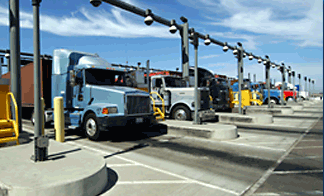
Trucks enter terminal gates at Port of Los Angeles
The American Trucking Associations is expected to fight the landmark "Clean Truck Program" approved last week by the Los Angeles Harbor Commission.
One of the controversial parts of the plan is that the port is not only trying to accelerate the replacement of high-polluting trucks with cleaner trucks, but also create a "capitalized, asset-based" drayage system. In other words, instead of the longtime practice of using owner-operators to haul containers in and out of the port, the plan will require shippers to buy and maintain a modern fleet of trucks and make the truck drivers employees rather than independent contractors.
Environmental groups and the Teamsters union applauded the move, including the Coalition for Clean & Safe Ports, an alliance of more than 30 organizations, including environmental groups, public health advocates and labor unions.
However, the American Trucking Associations has said the plan is little more than a scheme to unionize port drivers and will likely sue. The ATA's Intermodal Motor Carriers Conference already has filed comments with the Federal Maritime Commission to stop both the LA plan and the plan of the Port of Long Beach, which backed off of the idea of requiring employee drivers. ATA believes both plans violate federal law pre-empting local regulation of the routes and services of licensed motor carriers.
The port says the clean truck program is designed to "encourage an evolution of the Port drayage market towards an asset-based system in which Licensed Motor Carriers enter into drayage concession agreements with the Port and are responsible for owning and maintaining the truck assets used to perform drayage services at the Port under the concession." Port of Los Angeles drayage concessionaires must also commit to using employee drivers for Port drayage by year 2012 through a phased-in schedule, with flexibility afforded for peaks and troughs in demand by use of temporary or part-time employees.
A Port of Los Angeles release notes that "pollution from the truck fleet serving the San Pedro Bay ports contributes to hundreds of premature deaths annually in Southern California, with the public paying between $100 million and $590 million annually in health impact costs alone, according to the California Air Resources Board. The present system of LMCs and low-wage, paid-by-the-load independent truck owner-operators provides no incentive for improving efficiency and no financial means to replace the existing truck fleet with cleaner, more efficient trucks."
In November 2007, both the Los Angeles and Long Beach Boards of Harbor Commissioners approved a "progressive dirty truck ban" schedule. Starting Oct. 1, all pre-1989 trucks will be prohibited from working in port drayage. By Jan. 1, 2012, all drayage trucks operating in the port complex will be required to meet 2007 federal emission standards, which will reduce port related truck pollution by an estimated 80 percent.
Both port commissions approved cargo fee tariffs to accelerate the replacement of the existing truck fleet by assessing a $35 gate fee per 20-foot container unit (TEU) to generate funds to help underwrite the replacement of the existing truck fleet.
More Aftermarket

What Three Fleets Are Doing Differently When Buying Truck Parts in 2026
With freight improving but costs still climbing, fleet maintenance executives explain how they're balancing price, quality, and supplier relationships.
Read More →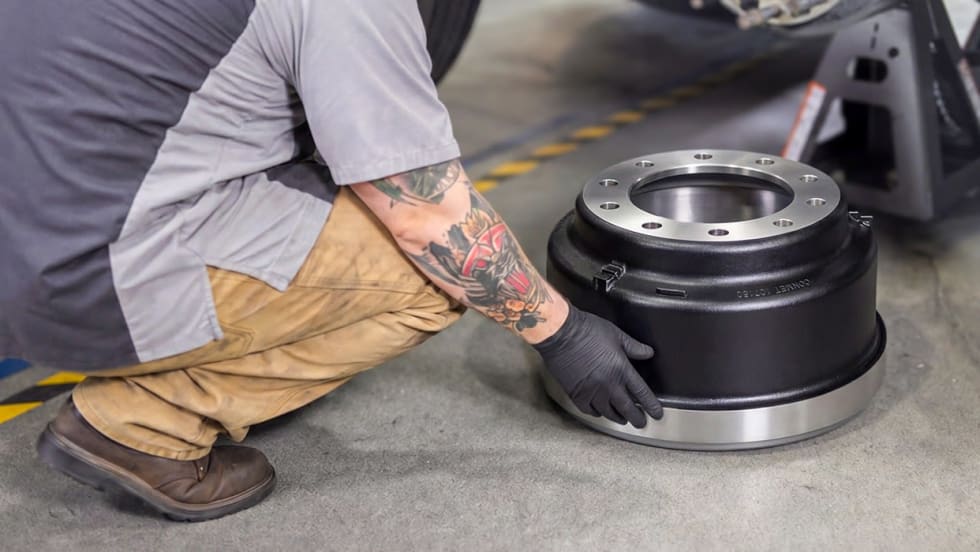
ConMet Expands Aftermarket Brake Drum Lineup With TruCast
A new heavy-duty truck brake drum option in the aftermarket gives customers more flexibility within the ConMet product family.
Read More →
Phillips Opens High-Tech Distribution Center for Faster Parts Delivery
Phillips Industries’ new Cincinnati-area distribution center is now shipping aftermarket trucking parts nationwide, aiming to speed up delivery times for customers.
Read More →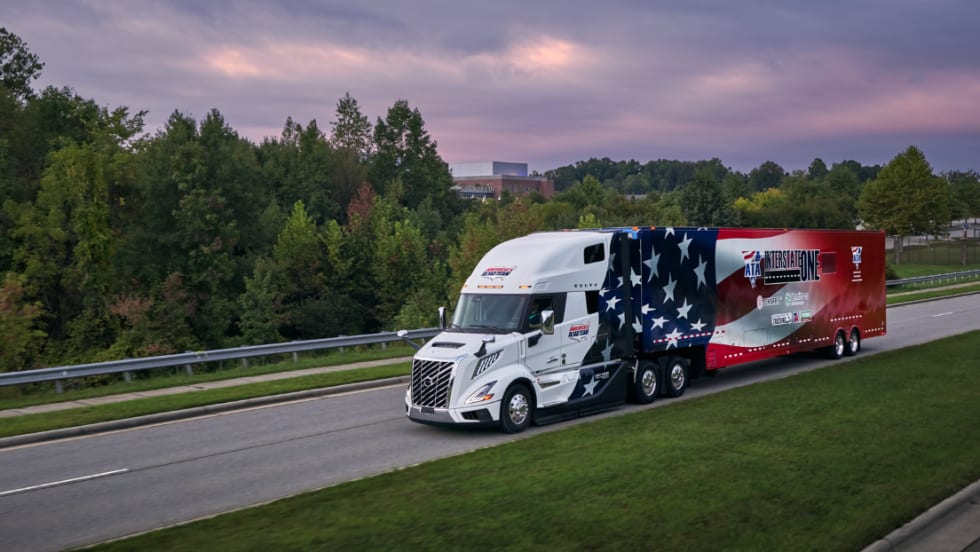
Volvo to Sponsor America’s Road Team for 2025
Volvo Trucks announced that it is extending its exclusive sponsorship of America’s Road Team for 2025.
Read More →
Webb to Start Taking Orders for UltraSet Pre-Adjusted Wheel Hubs
Webb, which recently acquired the Stemco Trifecta pre-adjusted hub program, will soon start taking orders for its replacement pre-assembled hub, the UltraSet.
Read More →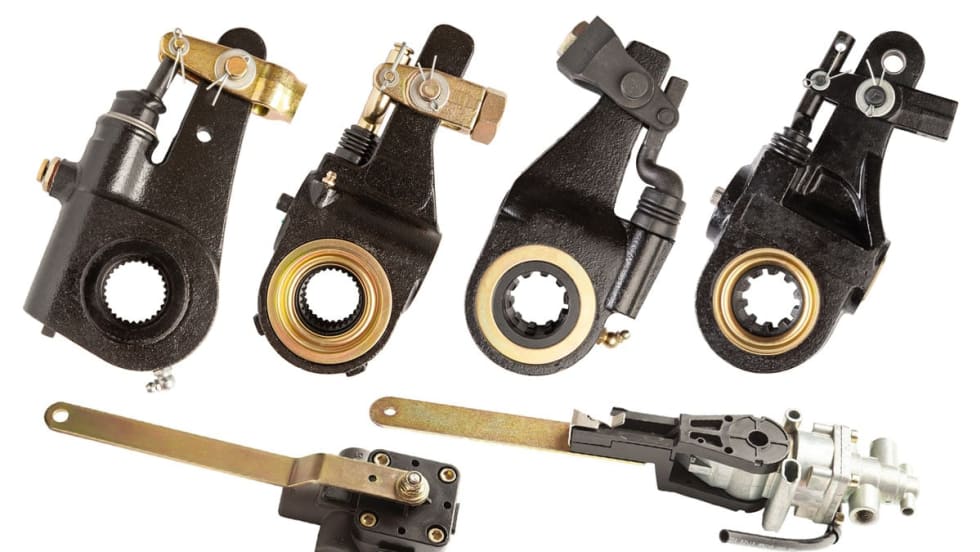
All-Makes Automatic Brake Adjusters, Ride Height Control Valves from Midland
SAF-Holland has added automatic brake adjusters and ride height control valves to its Midland All-Makes Program.
Read More →
ZF Aftermarket Expands [pro]Academy Training
ZF Aftermarket said it is expanding its ZF [pro]Academy training and will be adding 40 new modules this year.
Read More →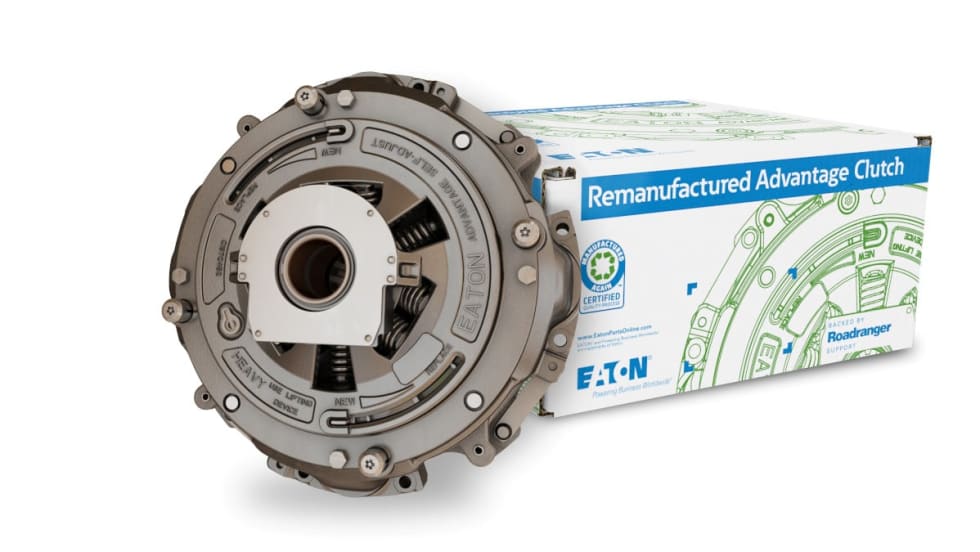
Eaton Adds Remanufactured Advantage Line of Clutches
Eaton has added its Advantage clutches to its remanufactured product line. The clutches feature a unique strap drive intermediate plate designed to allow customers to choose the latest OE specification
Read More →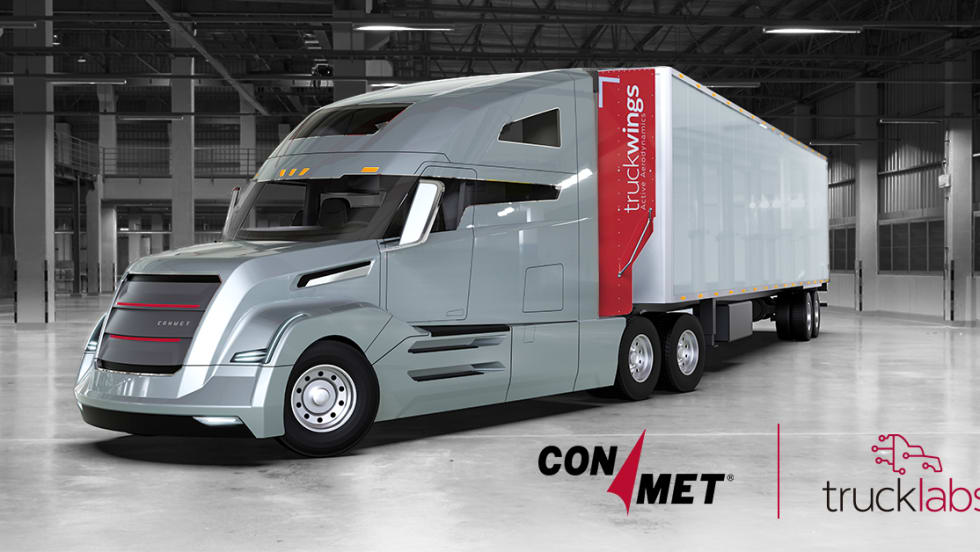
ConMet Acquires TruckLabs, the Creator of TruckWings
Commercial truck and trailer parts provider ConMet acquired TruckLabs, the company that created TruckWings, an aerodynamic device that attaches to truck cabs and deploys to close the gap between truck and trailer. TruckLabs now operates as a subsidiary of ConMet.
Read More →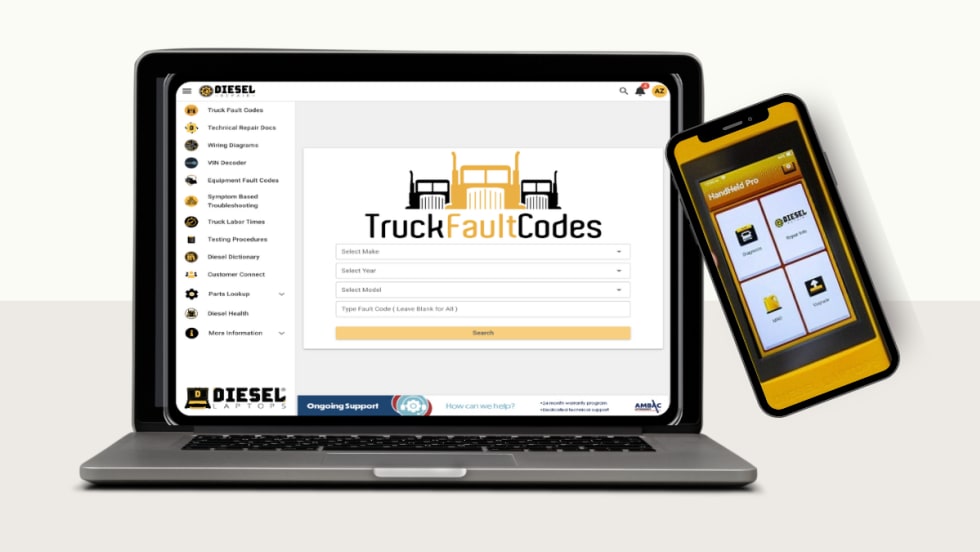
Diesel Laptops Releases Fault-Code-to-Part-Number Tool
Diesel Laptops said its Truck Fault Codes allows users to input a fault code and immediately identify and order the parts needed to complete repair work.
Read More →