




Five Key Facts About Selling A Transportation Company
Today, succession planning is not just about having a plan in place for your eventual retirement, or in case you unexpectedly kick the bucket. You may end up selling your company. Here are five key things to keep in mind.


Succession planning is about as much fun as going to the dentist, so it’s no surprise that plenty of business owners procrastinate when it comes to preparing their company for a change of ownership.
But today, it’s not just about having a plan in place for your eventual retirement, or in case you unexpectedly kick the bucket. More and more transportation companies are using mergers and acquisitions activity to fuel growth and drive revenue, so you owe it to yourself and your company to at least understand the strategic options out there.
Because I represent company owners who are looking to sell or to partner with a financial investor, I see first-hand on a daily basis the myths and misinformation about what it means to sell your company. Consider this your cheat-sheet for what the process can look like. Take a look at these five questions – did you get the answers right?
1. Do I have to leave the company?
The majority of the time, “selling your company” means selling a share of the ownership of the business. Although company owners sometimes want a complete exit, in most cases they stay on and continue to play a vital role in running the business – with the help of the money, added geographical reach, and other resources the buyer brought to the table.
2. Do I have to “time the market”?
Merger and acquisition activity does not track with the economy. Buyers evaluate the attractiveness of your company based on your company’s performance and profitability and the unique synergies that a partnership could bring. Maybe you have invested in top-of-the-line technology that one of the big players would love to have, or have a certain regional footprint that would be ideal for a company wanting to expand in that area. Those things are attractive to buyers regardless of the overall state of your industry.
3. How long will it take?
The process of selling a company takes as long as a pregnancy – or longer! I got a phone call this week from an owner of a long-haul trucking company who had decided he wanted to sell the business in 2013. I had to tell him that he was probably already too late! It takes 9 to 12 months to prepare and package a company, market it to prospective buyers, negotiate with the chosen buyer, and close a successful transaction.
4. How many buyers do I need?
Here’s something I see a lot: a bigger company reaches out to you and makes an unsolicited offer. It’s more money than you thought your company was worth – should you jump on it?
It might be tempting, but I’d counsel you against it. When you take the time and effort to solicit bids from multiple buyers, you can play them against each other in a confidential auction-style process, which often results in negotiating significantly better offers and deal terms. One buyer alone has no incentive to offer you anything more than the lowest they think they can get away with.
And remember: A direct competitor is never the best buyer. A financial investor, a larger player in your field, or a company with compatible services can all be willing to pay a premium for your business – but if a direct competitor makes an offer, they’re really just paying for you to go away
5. I can do this myself, right?
Successful sales happen when a team of people are committed to moving the process forwards. You’ll need an accountant to get your company’s financials in order and respond to due diligence requests, a broker-dealer or investment banker to confidentially market the company to prospective buyers and conduct negotiations, and an M&A attorney who knows how business sales work. And don’t forget to run your business!

Mark Dyer, Managing Director of the Transportation Practice for Dallas-based Allegiance Capital Corp., has 15 years of experience in the Mergers & Acquisitions (M&A) field and the strategic partner arena and in that time has successfully closed over 170 transactions. As a former business owner, Dyer went through the buy/sell process himself.
More Aftermarket
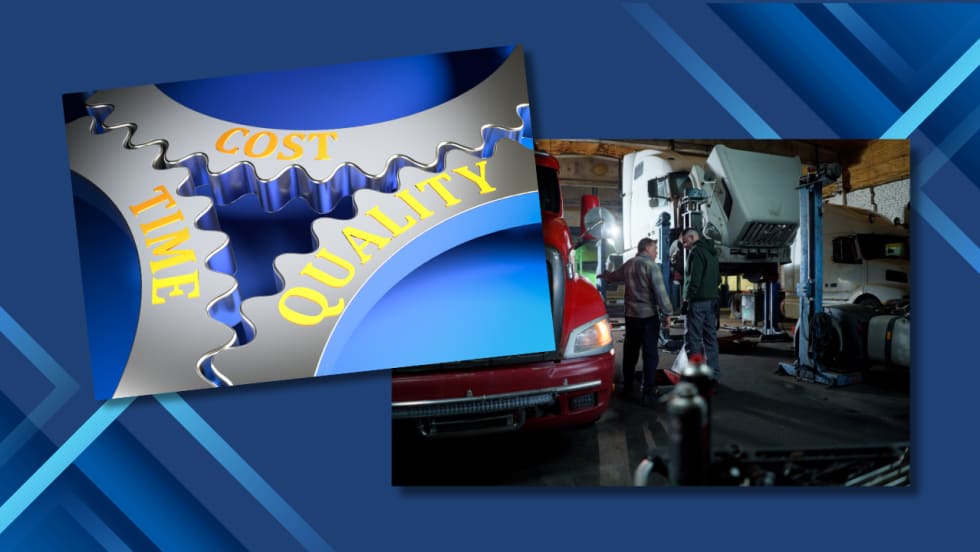
What Three Fleets Are Doing Differently When Buying Truck Parts in 2026
With freight improving but costs still climbing, fleet maintenance executives explain how they're balancing price, quality, and supplier relationships.
Read More →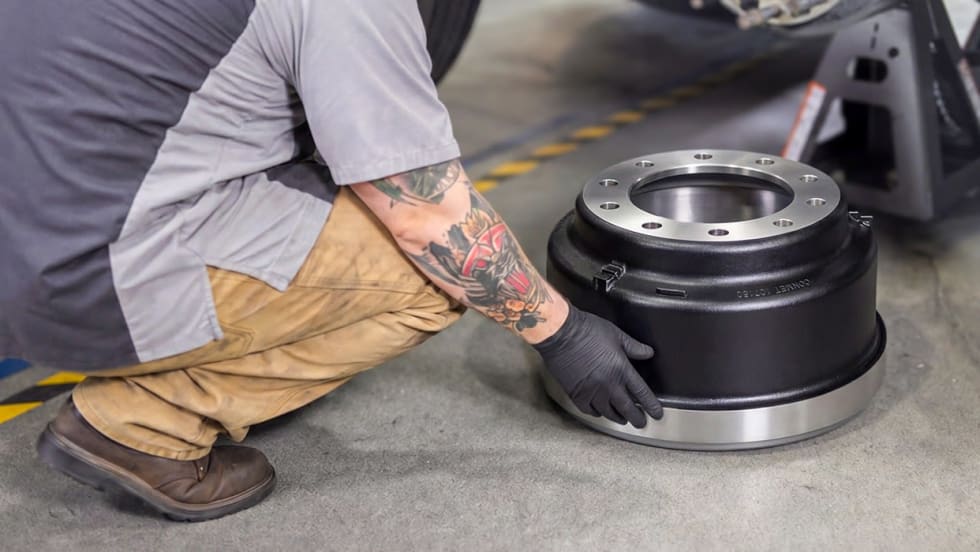
ConMet Expands Aftermarket Brake Drum Lineup With TruCast
A new heavy-duty truck brake drum option in the aftermarket gives customers more flexibility within the ConMet product family.
Read More →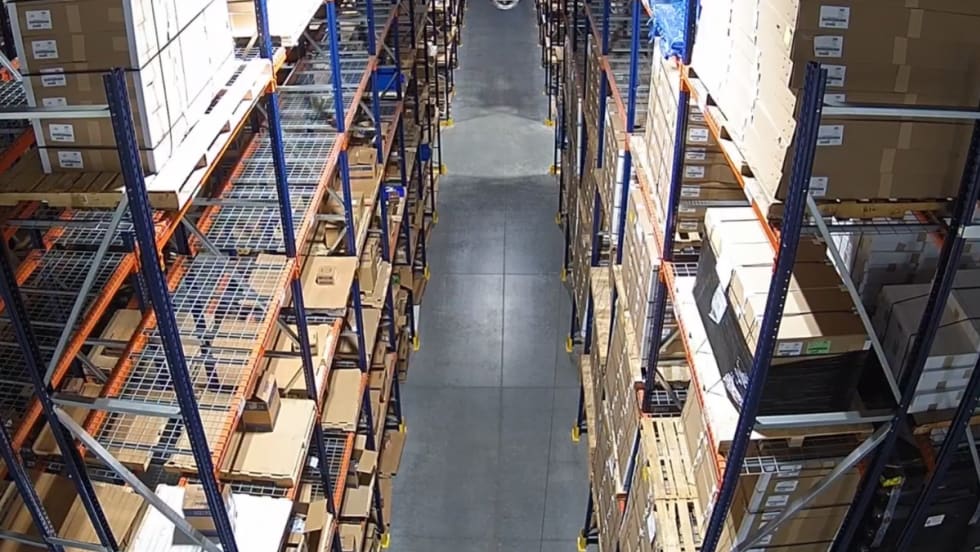
Phillips Opens High-Tech Distribution Center for Faster Parts Delivery
Phillips Industries’ new Cincinnati-area distribution center is now shipping aftermarket trucking parts nationwide, aiming to speed up delivery times for customers.
Read More →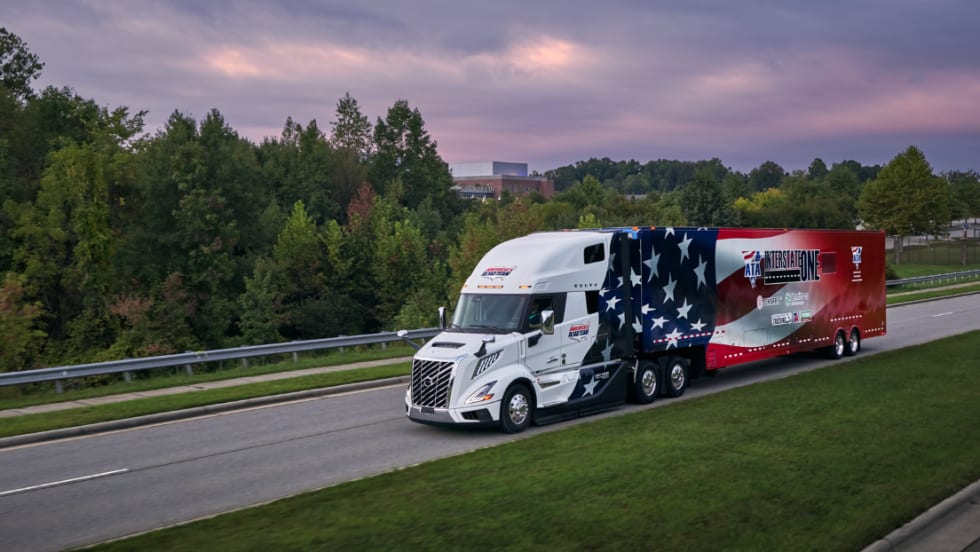
Volvo to Sponsor America’s Road Team for 2025
Volvo Trucks announced that it is extending its exclusive sponsorship of America’s Road Team for 2025.
Read More →
Webb to Start Taking Orders for UltraSet Pre-Adjusted Wheel Hubs
Webb, which recently acquired the Stemco Trifecta pre-adjusted hub program, will soon start taking orders for its replacement pre-assembled hub, the UltraSet.
Read More →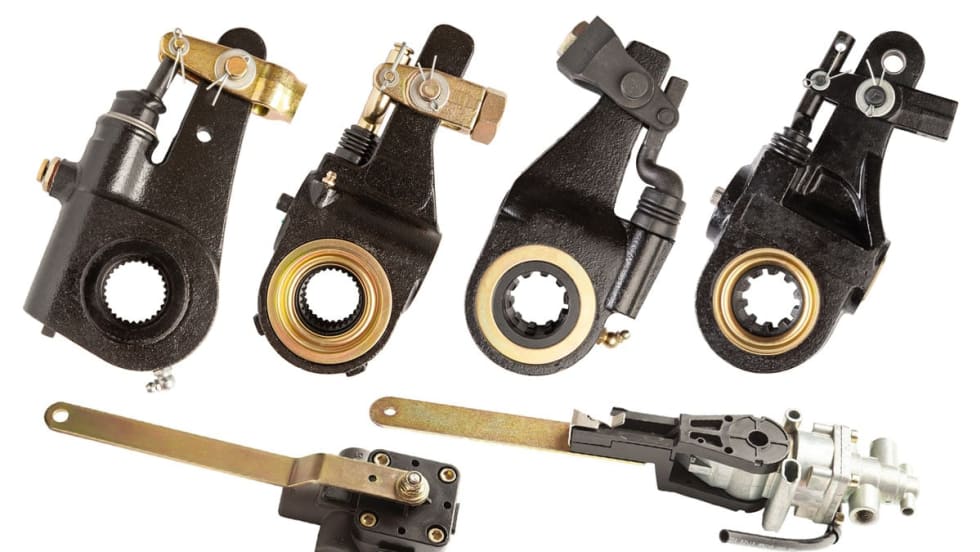
All-Makes Automatic Brake Adjusters, Ride Height Control Valves from Midland
SAF-Holland has added automatic brake adjusters and ride height control valves to its Midland All-Makes Program.
Read More →
ZF Aftermarket Expands [pro]Academy Training
ZF Aftermarket said it is expanding its ZF [pro]Academy training and will be adding 40 new modules this year.
Read More →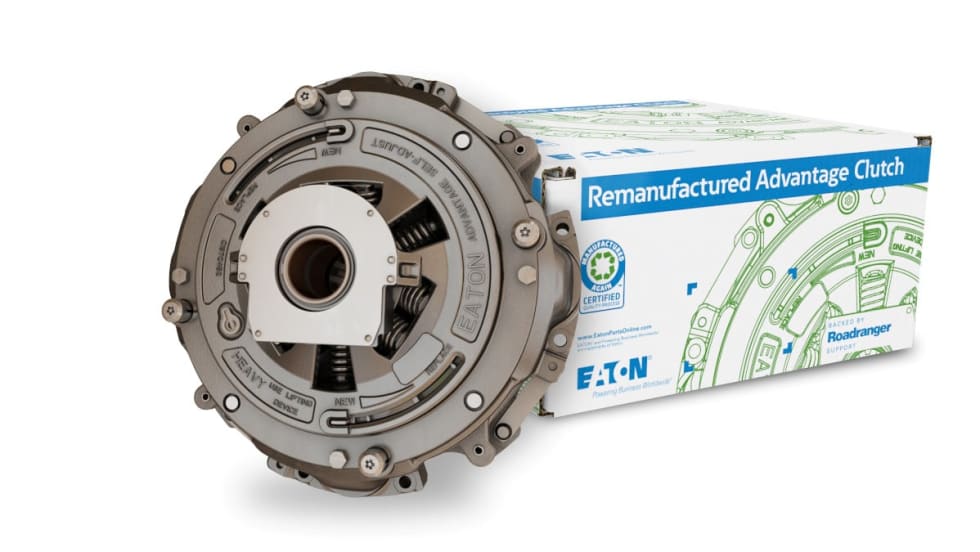
Eaton Adds Remanufactured Advantage Line of Clutches
Eaton has added its Advantage clutches to its remanufactured product line. The clutches feature a unique strap drive intermediate plate designed to allow customers to choose the latest OE specification
Read More →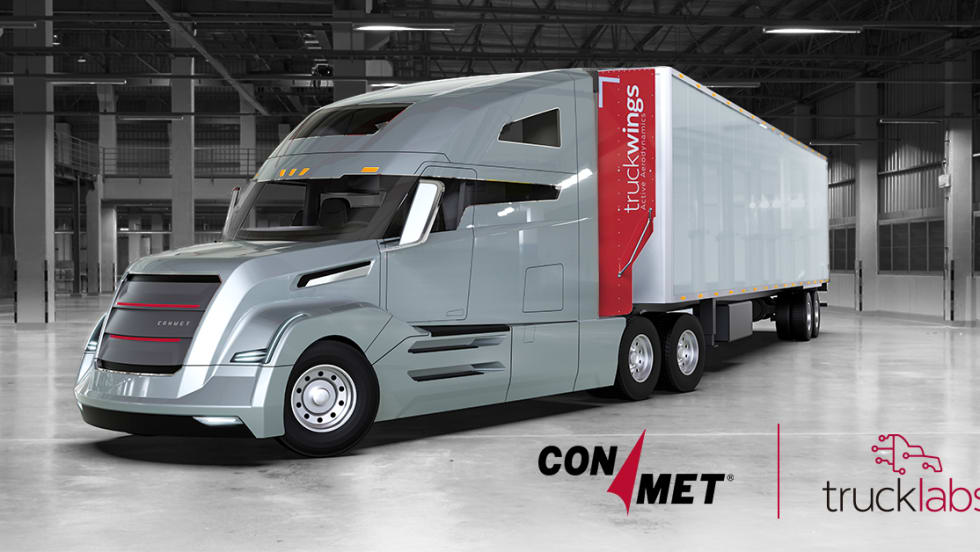
ConMet Acquires TruckLabs, the Creator of TruckWings
Commercial truck and trailer parts provider ConMet acquired TruckLabs, the company that created TruckWings, an aerodynamic device that attaches to truck cabs and deploys to close the gap between truck and trailer. TruckLabs now operates as a subsidiary of ConMet.
Read More →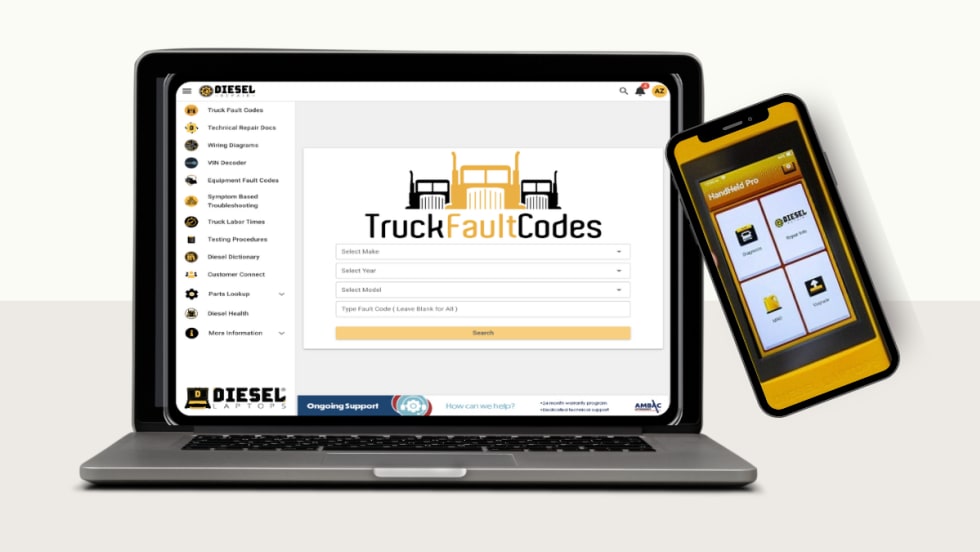
Diesel Laptops Releases Fault-Code-to-Part-Number Tool
Diesel Laptops said its Truck Fault Codes allows users to input a fault code and immediately identify and order the parts needed to complete repair work.
Read More →