




Progressive Offers Deal on Trailer Skirts, But Ad's Included
Is your insurance company out to save you money? It is if it’s Progressive Commercial Auto Insurance, which has a special offer on trailer skirts.

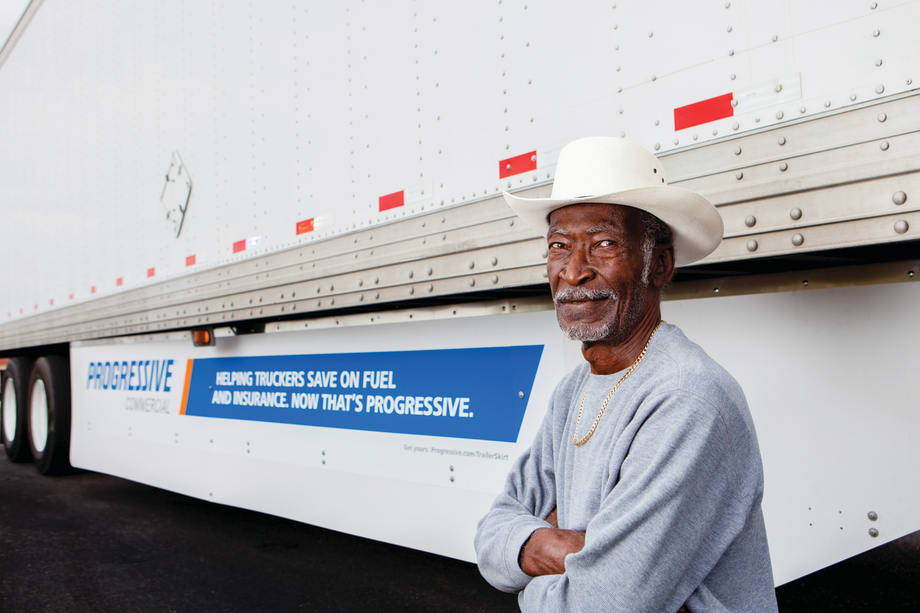
A good deal on trailer skirts plus money saved on fuel equals a smile on this trucker’s face.

Is your insurance company out to save you money? It is if it’s Progressive Commercial Auto Insurance, which has a special offer on trailer skirts.
Owner-operators and fleets can buy a set of AeroFlex skirts by Freight Wing for $700, compared to about $1,000 retail, and they come with a seven-year warranty versus the usual three-year coverage.
Buyers don’t have to be Progressive customers, either, the company says. Progressive’s logo and a promotional message are affixed to each skirt, so the company gets some advertising in exchange for the reduced purchase price.
The skirts cut fuel use by 5% at highway speeds, as proven in independent third-party testing, say Freight Wing and Progressive. That saves hundreds of gallons of fuel over a year’s time and should quickly pay back the investment.
The skirts consist of plastic-composite panels and pole-type mountings that flex to shrug off most road-level impacts, so should last the life of a trailer. Click here to watch a video showing an AeroFlex trailer skirt easing over curbs and barriers.
Starting in March, the equipment will be available at certain Progressive Network Repair Facilities around the U.S. The idea is to keep truckers from having to venture too far from their normal route to get them installed, the insurance company says.
Shipping is included in the price but not installation. Fleet managers who use skirts say experienced people can install a set in a few hours.
The skirts are EPA SmartWay and CARB approved. More information is at a special website, www.progressive.com/trailerskirt, which activates this month.
More Blog Posts

Pulsing Back-of-Trailer Lamps Aim to Prevent Crashes
Can the addition of a pulsing brake lamp on the back of a trailer prevent rear-end collisions? FMCSA seems to think so, if its exemptions are any indication.
Read More →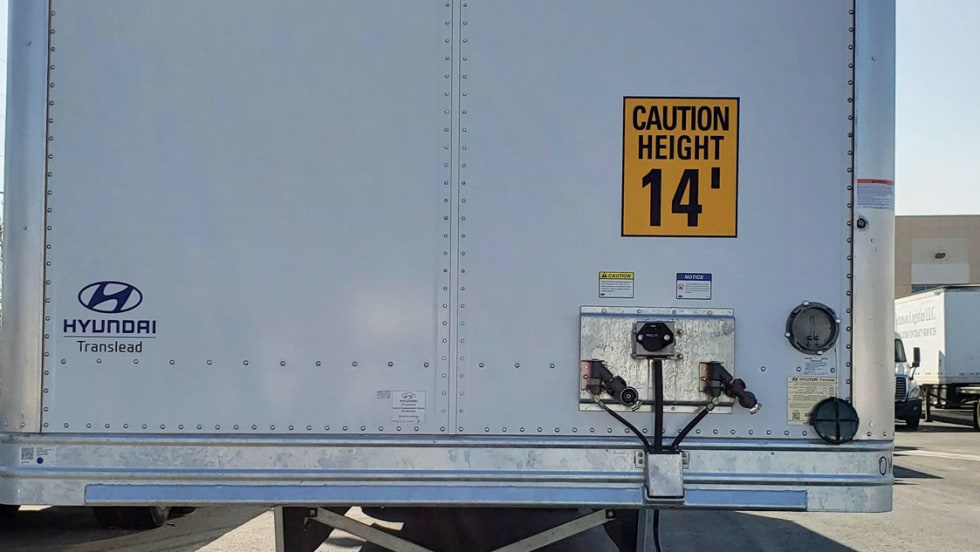
Designing a 14-Foot Trailer
Trailers are 13 feet, 6 inches high, right? Not for Hub Group, which developed a special 14-foot-high trailer spec for a dedicated customer based in California. Learn more in the Trailer Talk blog.
Read More →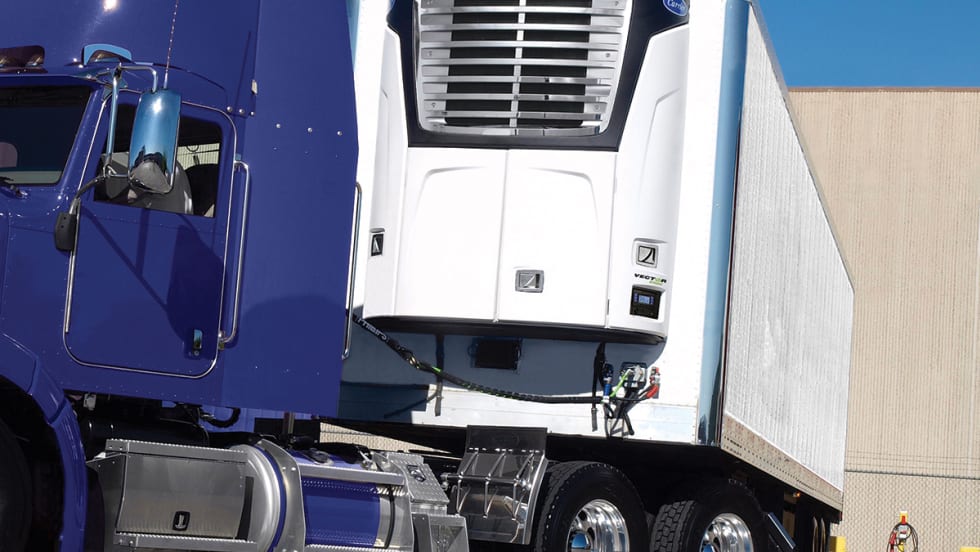
CARB Comes for Reefer Trailers
A new round of emissions control regulations decreed by the California Air Resource Board will begin affecting refrigerated trailer and TRU design and operations next year.
Read More →
5 Ways Data Analysis Maximizes the Value of Trailer Telematics
Are you getting the most out of your trailer telematics investment?
Read More →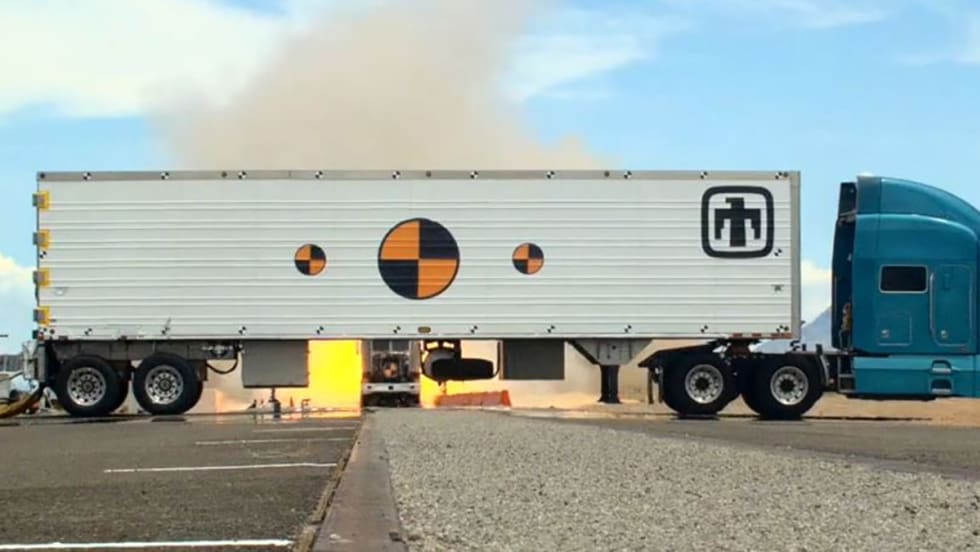
Can You Guess What's in That Trailer?
You don’t always know what’s in the trailers that pass you on the road. But some of those trailers are carrying something a little more dangerous that frozen food or new bedding…like, maybe, a nuclear weapon. But this isn’t an ordinary trailer; this is a trailer specifically made to not only carry this type of payload, but protect it at all costs.
Read More →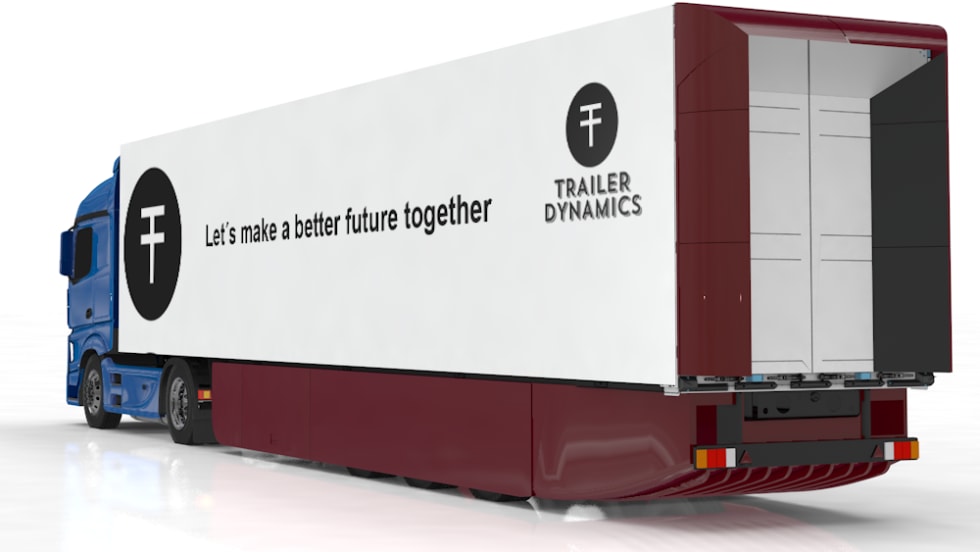
How Trailers Are Harnessing 'Free' Energy
Can trailers play a more active role in sustainable transport beyond aerodynamic add-ons or low-rolling-resistance tires? Some companies think so.
Read More →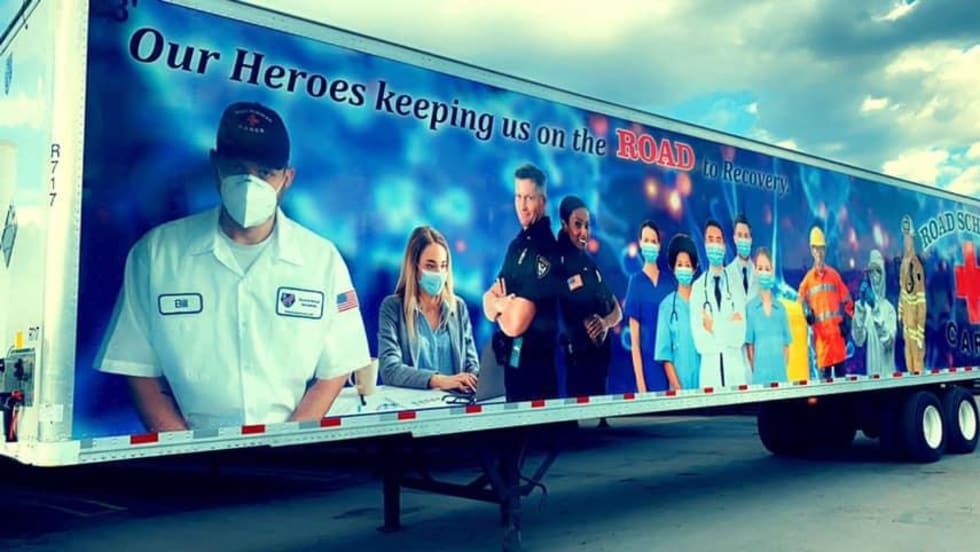
Wrapping a Trailer for COVID’s Everyday Heroes
“We don’t only deliver freight. We deliver awareness.” That’s what Jim Barrett, president and CEO of Road Scholar Transport, likes to say about the Dunmore, Pennsylvania-based carrier’s “awareness fleet.” Its latest trailer wrap honors the everyday heroes of the pandemic.
Read More →
How a Tanker Fleet is Using Unorthodox Trailer Lighting to Fight Rear-End Collisions
Groendyke Transport watched the number of rear-end collisions with its trailers rise steadily until it tried an unorthodox and then unapproved method of alerting following drivers that its trucks were applying brakes and slowing down.
Read More →
The Role Trailers are Playing in COVID-19 Funerals
In places such as New York City and Detroit, overwhelmed hospitals and mortuaries are using refrigerated trailers to store the bodies of people killed by COVID-19.
Read More →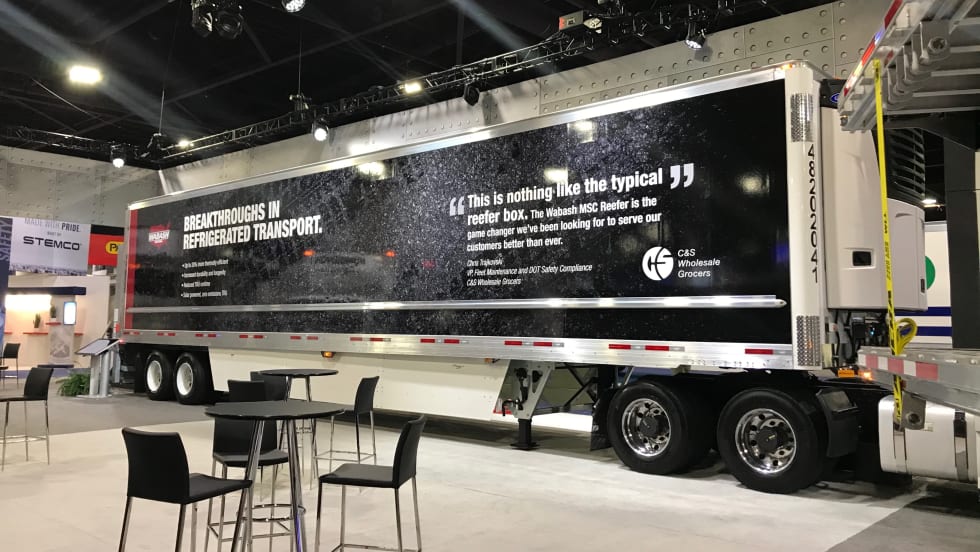
Reefer Trailer Aims to Help Reach Zero Emissions
Wabash National is partnering with C&S Wholesale Grocers to test a new type of zero-emissions refrigerated trailer.
Read More →