



A popular selling point for electronic logging devices is that you can use the electronic records for fuel tax reporting through the International Fuel Tax Agreement (usually just called IFTA) and International Registration Plan (IRP) reporting.
 MENU
MENU SEARCH
A popular selling point for electronic logging devices is that you can use the electronic records for fuel tax reporting. But the record-keeping requirements for hours of service and for IFTA/IRP are vastly different. Here's what you need to know.
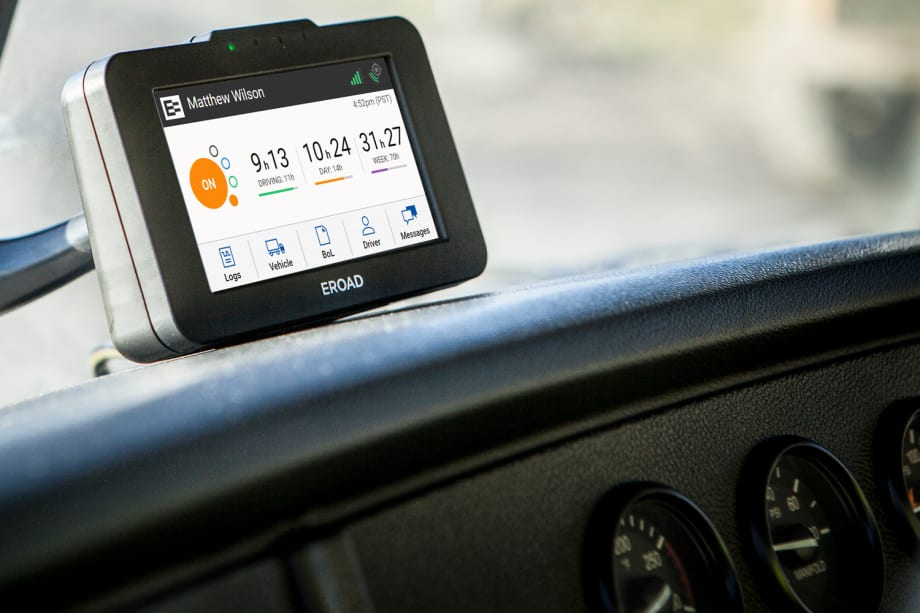
Photo: ERoad
A popular selling point for electronic logging devices is that you can use the electronic records for fuel tax reporting through the International Fuel Tax Agreement (usually just called IFTA) and International Registration Plan (IRP) reporting.
Although this use was not what the ELD mandate was intended for, it can be a helpful tool — but make sure your ELD vendor fully understands IFTA/IRP requirements and the limitations of using GPS data on distance-based tax returns. The record-keeping requirements for hours of service and for IFTA/IRP are vastly different.
Here’s what you should know (that your ELD sales rep may not):
By itself, an ELD can’t calculate distance. Its GPS can only record where a device is based on latitude, longitude, date, and time (some systems also gather an odometer reading). You need software to make the distance calculation.
This hardware-software combo is reliable but not perfect. Devices can malfunction. There are places like cities and canyons where signals degrade. And when it comes to software, there is no standard algorithm to turn GPS data into points on a map. One program might put your truck on a side road while another shows it on the highway.
This is why auditors don’t accept distance summaries generated by routing or fleet management software as proof of distance traveled. They want raw GPS “pings” so they can verify for themselves whether your distance reports are correct. Fleets should ask their ELD providers how they will go about providing the raw data you’ll need for an audit.
In an audit, how easy is it to get access to all that data?
IFTA requires licensees to preserve all records used to create quarterly tax returns and/or annual tax returns for four years from the tax return due date or filing date, whichever is later. IRP requires fleets to preserve records for three years after the close of the registration year. If you also use GPS data for IRP licensing, you’re obligated to keep it for five and a half years. Do you keep these records, or does the ELD vendor? If the latter, how do you access it for an audit?
If you operate a heavy truck with IFTA credentials, you’re required to report all distance that vehicle travels, including empty, dead-head, and bobtail miles; personal travel; and even non-taxable miles.
When there are gaps in GPS data, how will you will re-create missing portions of trips? Those paper-based records you’d love to do away with—trip sheets, dispatch records, fuel receipts—will come in handy.
As you pore over the new ELD rules, take time to review how your fleet will manage GPS data and electronic records across all areas of compliance. Start with HOS, but don’t ignore IFTA and other distance-based taxes.
Sandy Johnson has been managing IFTA, IRP, and other fleet taxes for more than 30 years. She operates North Star Fleet Solutions, which provides vehicle tax and license compliance services for trucking operations. This article was authored under the guidance and editorial standards of HDT's editors to provide useful information to our readers.
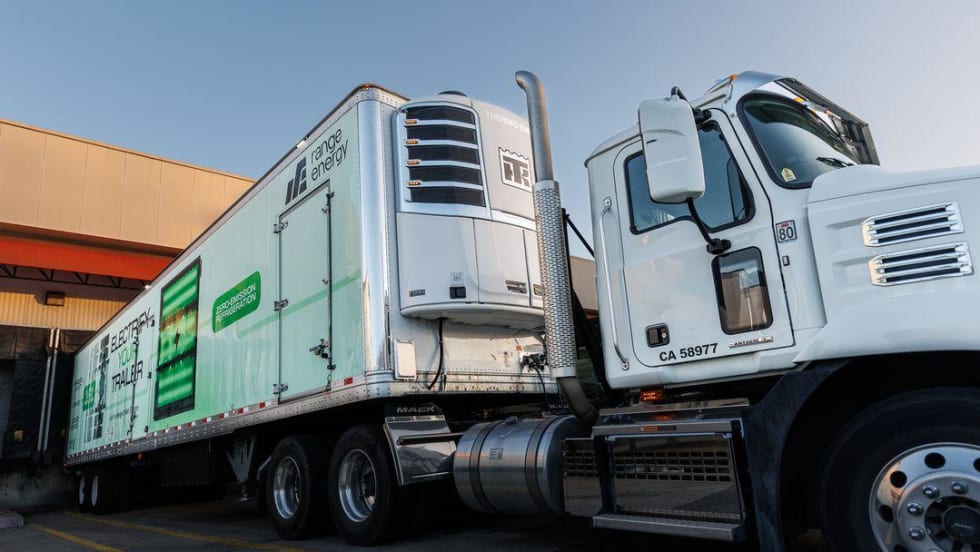
Range Energy said its production-ready eTrailer system proved it can boost stability, safety, and efficiency in sub-zero winter conditions as the company moves toward scaled deployment.
Read More →
Is your company a leader in sustainability efforts among trucking fleets? If so, Heavy Duty Trucking's editors want to hear from you.
Read More →
Watch to learn how Deflecktor's new wheel cover design is taking a simpler approach to aerodynamics, with an eye toward making it more practical for both trucks and trailers.
Read More →
Aerodynamic wheel covers can deliver small but meaningful fuel-economy gains for fleets, and Deflecktor says its latest design aims to make the technology easier and more affordable to deploy.
Read More →
When diesel prices are as volatile as they've been in 2026, it makes it tough for trucking fleets to plan and control costs. Breakthrough Fuel's Jenny Vander Zanden has insights on near-term savings strategies.
Read More →
Practical steps fleets can take to manage fuel costs, from purchasing strategies to driver behavior.
Read More →
Prices jumped another 24 cents in a week, with California topping $7.50 and new data showing fleet fuel costs may already be at record levels.
Read More →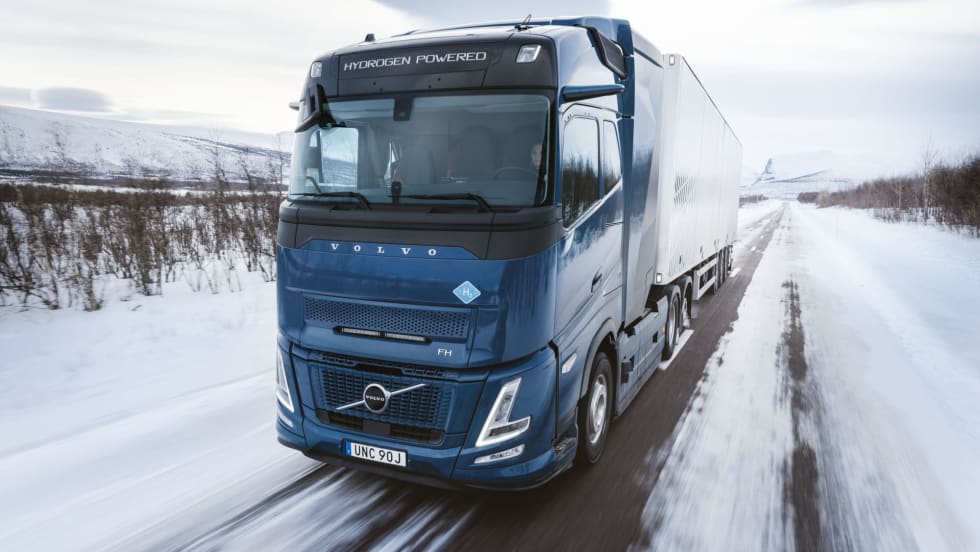
Hydrogen combustion engine trucks will be especially suitable over longer distances and in regions where there is limited charging infrastructure or time for recharging of battery-electric trucks, according to the company.
Read More →
By joining Daimler Truck and Volvo, Toyota brings fuel cell expertise to a joint effort aimed at making hydrogen viable for heavy-duty transport.
Read More →Trucking operators are slowing speeds, cutting empty miles, and declining unprofitable freight as diesel costs continue to rise due to conflict in the Middle East.
Read More →