




Commentary: Driving Into the Future
Autonomous vehicles, platooning, 3D printing, drones and more could change the equipment you buy and how you serve customers.


Deborah Lockridge

Deborah Lockridge
Advances in communications, connected vehicles, navigation, and automation — coupled with a surge in the use of transportation-related data — are poised to dramatically change how people travel and how we deliver goods and services.
The U.S. Department of Transportation’s Volpe Center for Transportation Systems Research has been busy exploring some of these emerging technologies and how they might affect transportation, including the delivery of goods and services. It all ties in to Beyond Traffic, the DOT’s framework for a discussion about the size, shape, and condition of our transportation system. While sparked by the issue of infrastructure, as Congress struggled to finally pass a long-term highway bill in 2015, the topics being explored in “Beyond Traffic” go far beyond highway funding.
In December, Volpe published a report, “Transportation Technology Scan: A Look Ahead.” Here are a few of the technologies it discusses that could affect trucking:
The Internet of Things. As more and more “things” become “smart,” with the ability to communicate with other “things,” we could see advances such as bridge sensors that detect icing and alert approaching vehicles, or semi-autonomous freight delivery with robotic loading and unloading, notes the Volpe report. Wearable sensors could combine GPS data with physiological data to monitor driver fatigue.
Automated Vehicles. Daimler made some pretty sensational headlines last year with its Freightliner Inspiration Truck that demonstrated autonomous technologies. Meanwhile Peterbilt quietly went about its own testing and development of what it calls “driver assist” technologies. Many of these same technologies, and in fact many technologies that are already available, can be used in “platooning,” where trucks are linked wirelessly allowing one to follow closely behind another for savings in fuel and driver fatigue. TMC recently published “Automated Driving & Platooning: Issues & Opportunities,” put together by its Future Truck Committee. The Volpe report doesn’t deal too much with the freight-transport side of things, but it does say, “The near future of vehicle automation is likely to be characterized by uncertainty.”
Unmanned Aircraft Systems. More commonly known as drones, these have been envisioned as being used to deliver items direct to homes and businesses, with web retail giant Amazon leading the charge. Drones also could supplement existing ground transportation services by providing first- and last-mile freight and package delivery. The argument is that it could help reduce road congestion and environmental impacts, notes the Volpe report. But there are a lot of concerns about safety and how they might interact with regular air traffic, especially for higher-altitude, longer-distance flights.
Additive Manufacturing (3D Printing). This technology is advancing rapidly, and could change the way equipment is designed and affect how goods are delivered. As manufacturers are able to use these machines to produce parts – GE is already making jet fuel nozzles from a single alloy – it means fewer loads needed to transport all the different parts and raw materials needed. One study found that approximately a quarter of trucking freight business could be affected.
There are many more. How about the use of “big data” to develop predictive analytics on everything from when a component is going to fail to which drivers are most likely to be involved in a crash? That’s already here and will only become more prevalent. And Uber-like load matching services have been launched in some urban areas, with the Volpe report noting that “with over 20 billion miles per year driven by empty trucks in the United States, matching shipments to drivers could dramatically improve efficiency.”
The road ahead for technology at times looks more like a roller-coaster. There will be exciting highs, unexpected lows, times when we’re not sure which was is up. As the Volpe report notes, “Ultimately, we can expect the unexpected: These technologies will evolve and interact in ways we cannot imagine today.”
Are you ready?
Related: 7 Technologies That Will Affect Trucking and the Aftermarket
More Equipment

Help HDT Find Trucking’s Top Products
Have you come across a new product that could make a difference for trucking fleets? Nominate it for HDT’s 2027 Top 20 Products Awards by November 9.
Read More →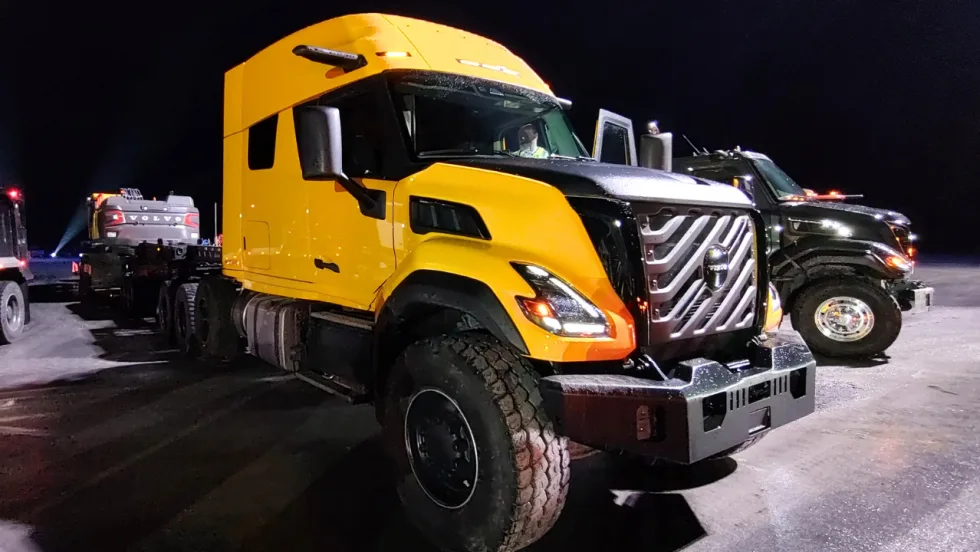
Volvo Unveils New VNX Heavy-Haul and Vocational Truck
Volvo Trucks has launched the VNX, a new vocational truck also available as a tractor in day cab and two sleeper configurations, with one heavy-haul model. The Volvo VNX is powered by Volvo's D13 platform, which delivers up to 540 horsepower and 1,950 pound-feet of torque and is EPA 2027-compliant.
Read More →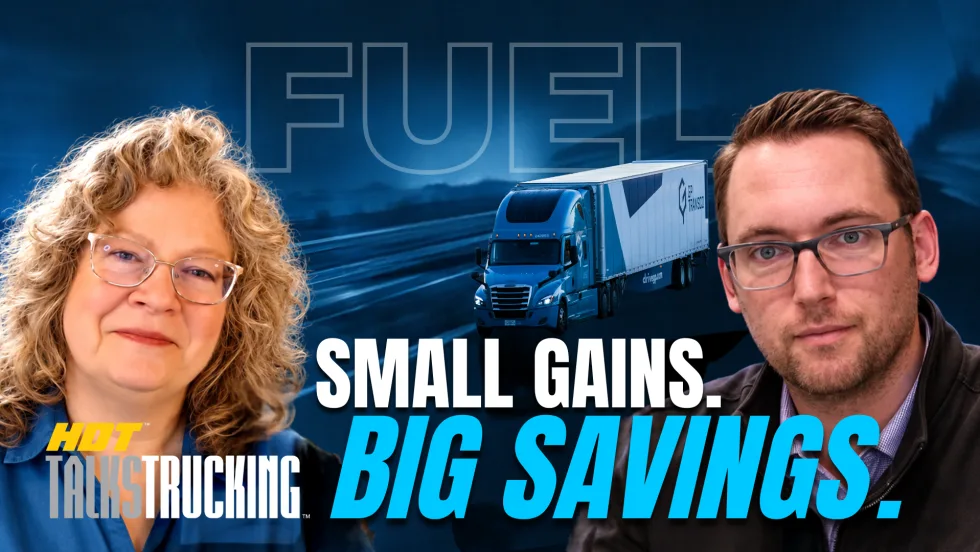
How GP Transco Cuts Trucking Fuel Costs, a Tenth of a Gallon at a Time
What’s another tenth of a mile per gallon worth? GP Transco shares how equipment upgrades and driver coaching turn small gains into meaningful fuel savings.
Read More →
Electric Yard Tractors Move Beyond Pilots
Operating-cost savings have overtaken sustainability goals as the leading reason surveyed fleets are adopting battery-electric terminal tractors, according to new NACFE research.
Read More →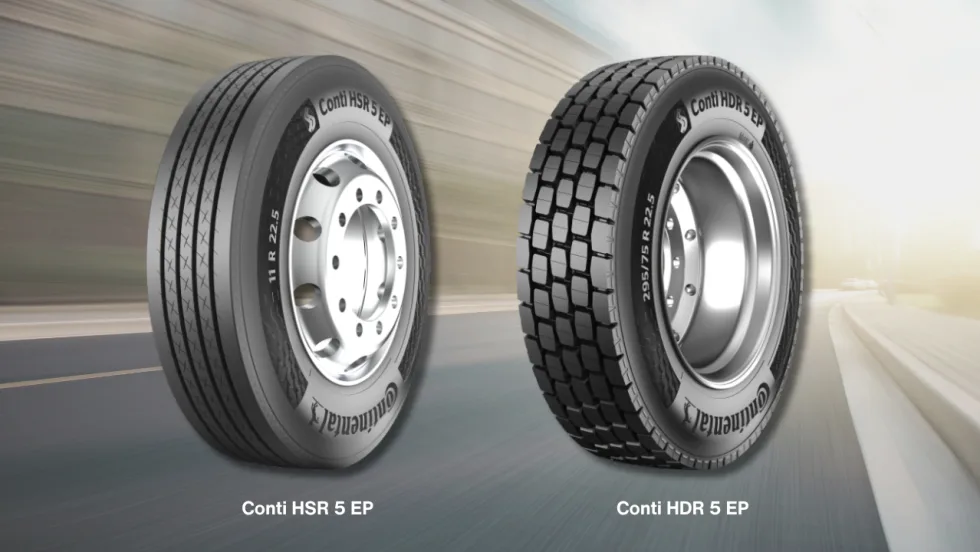
Continental Introduces New Regional Truck Tires
Continental says its new Generation 5 steer and drive tires for regional operations offer longer tread life, with estimated mileage gains of 22% and 19%, respectively.
Read More →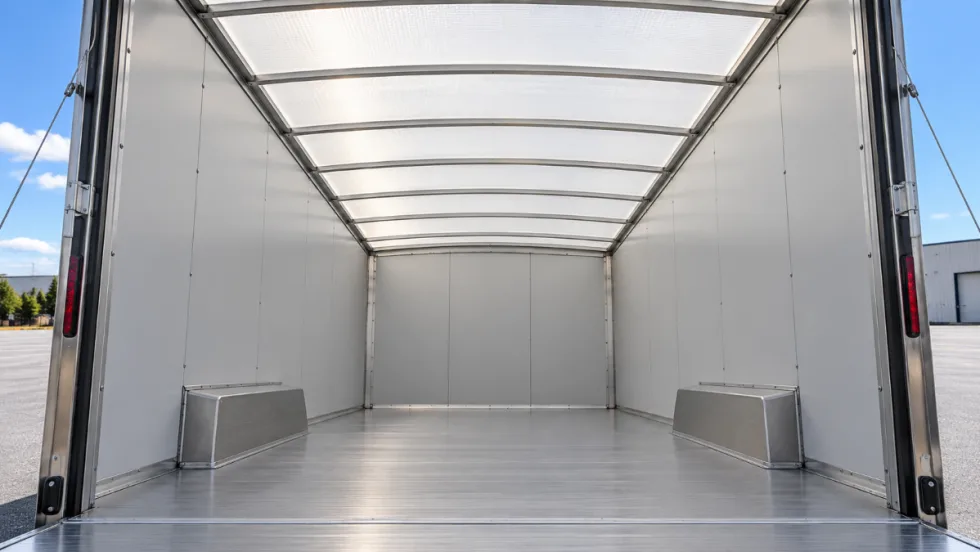
Tekmodo Introduces CargoBright Brand for Translucent Trailer Roofs
CargoBright is designed to diffuse daylight across the cargo area while performing as a working vehicle roof.
Read More →
Fleet Economics Shape Electric Truck Outlook
ACT Research expects costs, charging infrastructure, and technology improvements to drive zero-emission commercial vehicle adoption as federal regulations and incentives retreat.
Read More →
Kodiak Targets Dallas–Houston for Driverless Trucks
The company says its autonomous trucks are completing the I-45 run without a safety observer taking control. It plans to remove the observer by the end of 2026.
Read More →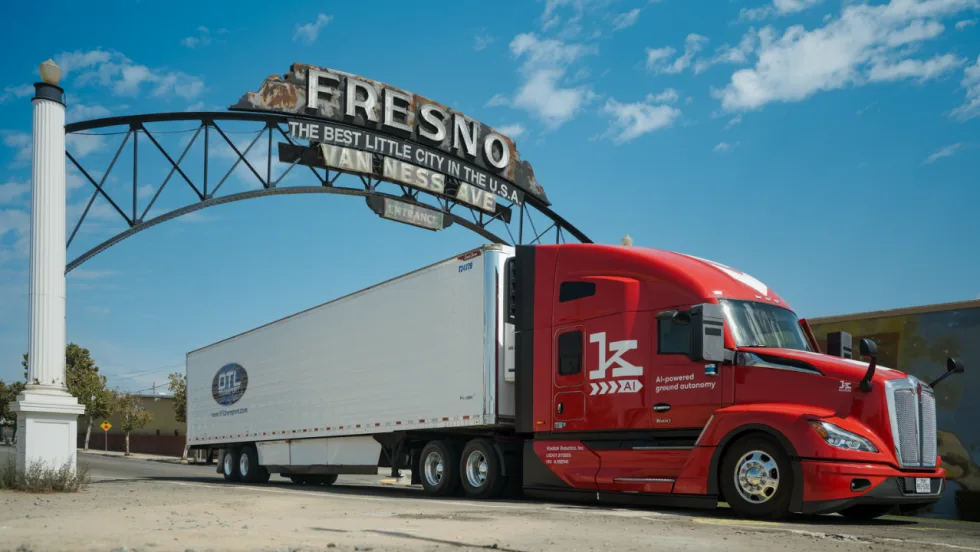
Kodiak Hauls Produce in California Autonomous Truck Pilot
Kodiak AI and DTL Transport have begun hauling produce between Fresno and Los Angeles under California’s new rules for testing heavy-duty autonomous trucks. A safety driver remains behind the wheel.
Read More →
Used-Truck Remarketing Math Is Changing
Used-truck value is no longer just a concern at trade-in. Decisions made throughout a truck’s first life can influence what it’s worth years later.
Read More →