




Related: Diesel Falls Below $2 Per Gallon For First Time in 11 Years
Commentary: A Crude Awakening
With all the hoopla lately over the plummeting crude oil prices, you may not have noticed a recent change in U.S. policy that could send prices in the other direction.

Evan Lockridge・Former Business Contributing Editor
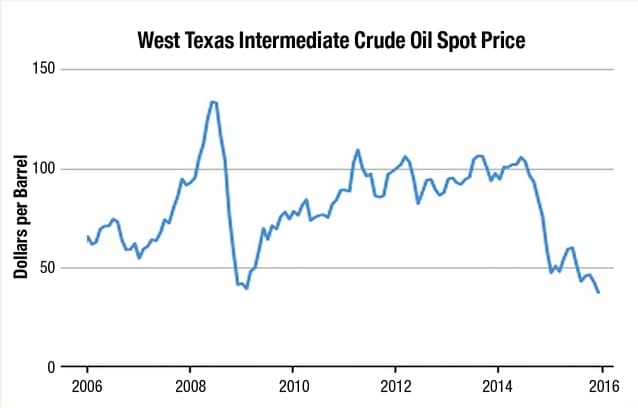
Source: EIA
3 min to read
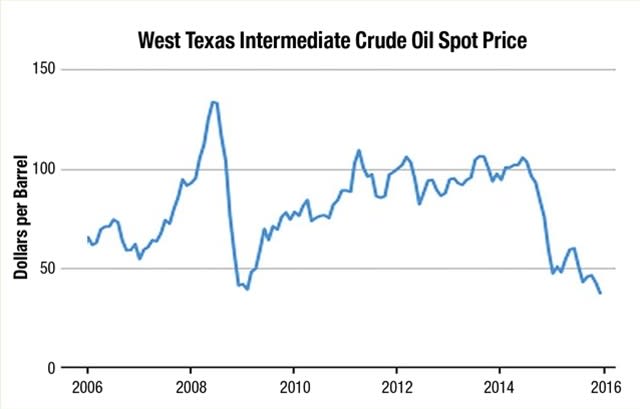
Source: EIA
With all the hoopla lately over the plummeting crude oil prices caused by a global oil glut, you may not have noticed a recent change in U.S. policy that could send prices in the other direction.
The federal budget bill signed late last year includes a provision ending a 1975 ban on U.S. crude oil exports, originally enacted as a response to the Arab Oil Embargo. The idea was to keep the U.S. from being as dependent on crude oil imports and to reduce fuel price volatility.
Since then, both and oil and fuel prices have been anything but stable. But some say removing this four-decade-old ban will mean higher prices for both oil and fuel, though not right away.
One of them is Tyson Slocum, energy director at the consumer advocacy group Public Citizen. In an interview with CNBC, he said he expects oil prices to rebound later this year. When it does, he said, that will allow oil producers to be “free to move very large volumes” of U.S. crude out of the country. That will “raise U.S. benchmark oil prices, which in turn, is going to increase the price at the pump.”
On the other side of the fence are all sorts of individuals and groups, ranging from economic forecasters and “think tanks” to the federal government, all pointing to studies claiming this change in policy will drive down the price of oil and fuel due to increases in U.S. production of crude.
In this group is the oil and natural gas trade group the American Petroleum Institute. It counts among its members the nation’s largest petroleum producers. You have to wonder: Since API supported ending the export ban, isn’t taking their word that this would lead to lower fuel and oil prices kind of like walking into a barber shop and asking if you need a haircut?
Two years ago, Bloomberg News reported the investment banking firm Barclays said lifting export limits would halt the decline in U.S. crude prices while costing motorists as much as $10 billion a year in higher fuel prices. This presumably also translates into big bucks for trucking and what it pays for diesel. Bloomberg also quoted an official with the energy analytics company RBN Energy, who said, “the most obvious thing that’s going to happen is that crude prices will go up.”
The Center for American Progress, an independent, nonpartisan group, contends that API and its members lobbied heavily for removing this ban, not to lower what you pay for fuel, but to increase their members’ profits. According to the Center, lifting the ban on exports allows oil companies to sell their product to the rest of the world while simultaneously forcing the U.S. to import more expensive oil to replace domestic oil.
There is no doubt the world will first have to work off the excess crude that is in the marketplace before oil and fuel prices will go higher, but sooner or later it will. Possibly even sooner. Goldman Sachs is forecasting crude oil futures to be above $40 per barrel by mid-year, compared to one point where it dipped below $30 in January. At press time in late January, oil traders were pricing oil for December delivery at close to $40 per barrel.
It’s often been said there is no better cure for low prices than low prices. Due to changes in U.S. oil policy, the low fuel prices you and the rest of the public have been enjoying may soon be nothing more than a memory.
Subscribe to Our Newsletter
More Fuel Smarts

How GP Transco Builds Fuel Savings a Fraction at a Time
Aerodynamic specs, solar panels, and driver incentives help GP Transco turn small efficiency gains into savings it can reinvest in its people.
Read More →
Trucking’s Diesel Squeeze Isn’t Letting Up
With diesel topping $6 a gallon nationally, ATA's Bob Costello explains why fleets should prepare for continued pressure at the pump.
Read More →
FlowBelow Redesigns Trailer AeroSlider to Cut Fuel Use
The lighter trailer aerodynamic system installs in less than 45 minutes, according to the company, with potential payback in under a year depending on fuel prices and trailer mileage.
Read More →
Why Diesel Price Relief Efforts May Fall Short
Diesel prices have eased from September’s record high, but doubts about additional Russian supply and limits on dyed-diesel tax relief mean trucking fleets still face expensive fuel. And prices could go higher.
Read More →
Why Small Fuel Savings Matter in Trucking
Can better fuel economy help pay for driver raises? In this podcast, GP Transco explains how small efficiency gains create room to reinvest in its people.
Read More →
How GP Transco Cuts Trucking Fuel Costs, a Tenth of a Gallon at a Time
What’s another tenth of a mile per gallon worth? GP Transco shares how equipment upgrades and driver coaching turn small gains into meaningful fuel savings.
Read More →
Electric Yard Tractors Move Beyond Pilots
Operating-cost savings have overtaken sustainability goals as the leading reason surveyed fleets are adopting battery-electric terminal tractors, according to new NACFE research.
Read More →
Geotab Links Fleet Card to Vehicle Data
The new card combines fuel discounts with telematics-based purchase controls. Geotab’s analysis also points to potential savings from choosing lower-priced fuel stops.
Read More →
Fleet Economics Shape Electric Truck Outlook
ACT Research expects costs, charging infrastructure, and technology improvements to drive zero-emission commercial vehicle adoption as federal regulations and incentives retreat.
Read More →
Wex Adds Cardless Fuel Payments for Over-the-Road Customers
A new fuel card feature for Wex customers offers convenience and security.
Read More →