




A Safer Way to Clear Snow and Ice From Van Trailers
Although laws in several states require owners to clean off the roofs before the vehicles head for the road, that’s easier decreed than done, as Tom Berg explores in January's Once Around the Yard.

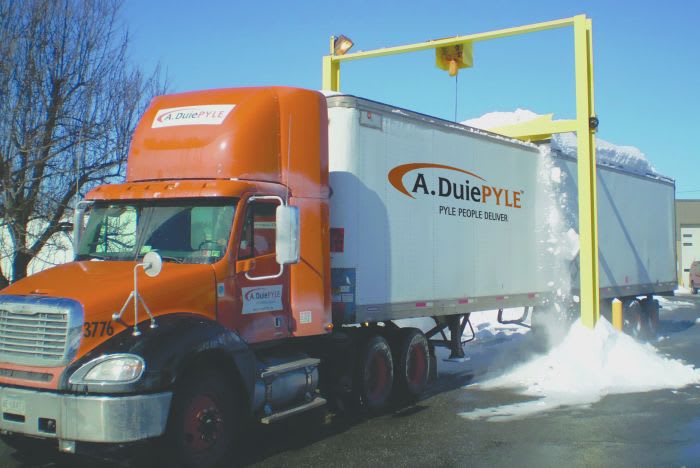
The plow-like scraper removes snow as the trailer moves under the device. A rubber tip on the steel blade protects the roof. Pyle has 15 installed at its terminals in the Northeast, with two more scheduled.
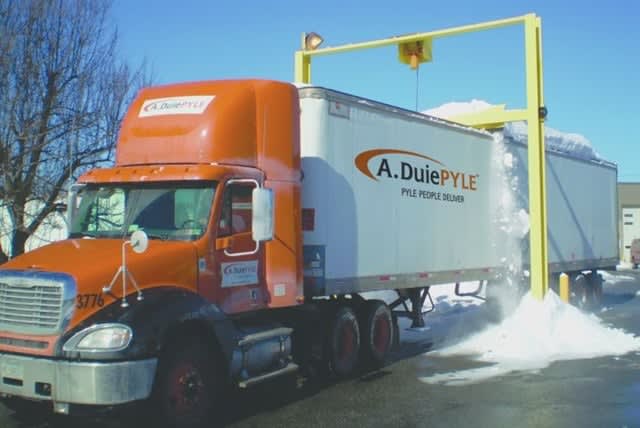
The plow-like scraper removes snow as the trailer moves under the device. A rubber tip on the steel blade protects the roof. Pyle has 15 installed at its terminals in the Northeast, with two more scheduled.
Blocks of snow and ice blowing off the roofs of trailers while they’re moving down the highway are common sights in winter, irking motorists and sometimes causing damage and accidents. Although laws in several states require owners to clean off the roofs before the vehicles head for the road, that’s easier decreed than done.
However, A. Duie Pyle, the old-line freight carrier operating in the Northeast, has found the answer in the “snow scraper” from Scraper Systems. The fleet has installed the equipment at 15 of its 17 terminals, and the other two should have them soon, says Randy Swart, the chief operating officer based at the company’s headquarters in West Chester, Pa., outside of Philadelphia.
The devices are built not far west from there, in Lancaster, by Quintin Machinery. A video on the company’s website shows how the plow-like device works on high-roof trailers or truck bodies.
The video says a driver can operate the scraper alone, but Swart says rigs can be cleaned off much faster, one after another, if the drivers just drive and a second man operates the blade. If a lot of snow has fallen, a third person might have to use a plow or wheel loader to keep the lot near the scraper clear.
“Prior to purchasing these scrapers, we ‘de-snowed’ the roofs by hand,” Swart says. “Employees would climb up a ladder onto the trailer roof and shovel the snow off. This posed a very real safety risk for our employees working 13 feet off the ground in slippery conditions.”
Plus, newer, lighter-weight trailers with fewer ribs and translucent roofs are susceptible to damage when walked on.
Pyle bought the first scraper in 2004, well before the laws were passed requiring snow removal, because “it was the right thing to do,” Swart explains. “It is dangerous to all motorists who share the road to have snow blowing off the roof of a trailer, creating a mini blizzard and minimizing visibility of what lays ahead of them.”
Light, fluffy snow is bad enough, but ice, formed when snow melts and refreezes, is more dangerous. It sometimes comes off in large sheets and can damage cars and injure motorists, and other drivers have to dodge pieces left on the pavement. The scrapers can remove much of the ice, as well. This also minimizes the company’s legal liability.
The installed cost is around $15,000 each, and there is minimal maintenance, other than lubricating moving parts.
More Equipment

Help HDT Find Trucking’s Top Products
Have you come across a new product that could make a difference for trucking fleets? Nominate it for HDT’s 2027 Top 20 Products Awards by November 9.
Read More →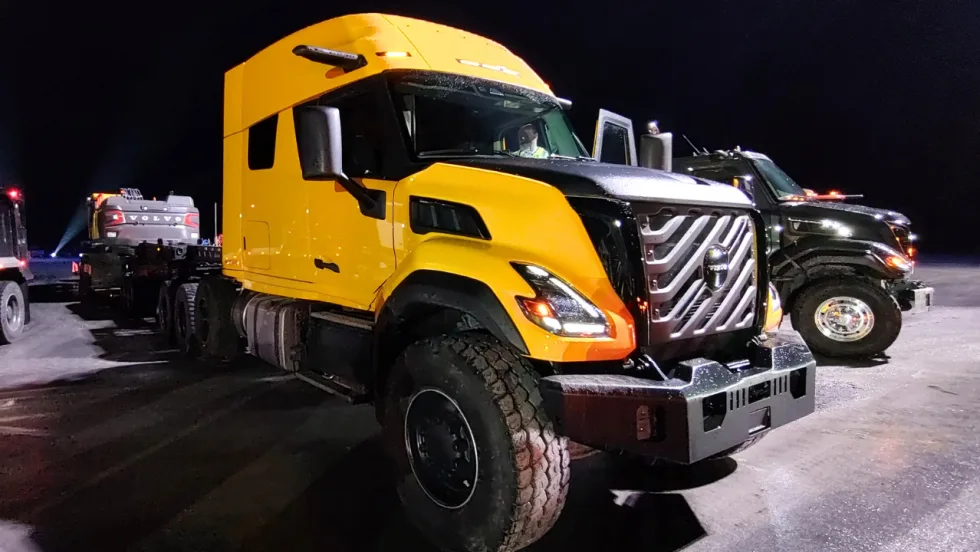
Volvo Unveils New VNX Heavy-Haul and Vocational Truck
Volvo Trucks has launched the VNX, a new vocational truck also available as a tractor in day cab and two sleeper configurations, with one heavy-haul model. The Volvo VNX is powered by Volvo's D13 platform, which delivers up to 540 horsepower and 1,950 pound-feet of torque and is EPA 2027-compliant.
Read More →
How GP Transco Cuts Trucking Fuel Costs, a Tenth of a Gallon at a Time
What’s another tenth of a mile per gallon worth? GP Transco shares how equipment upgrades and driver coaching turn small gains into meaningful fuel savings.
Read More →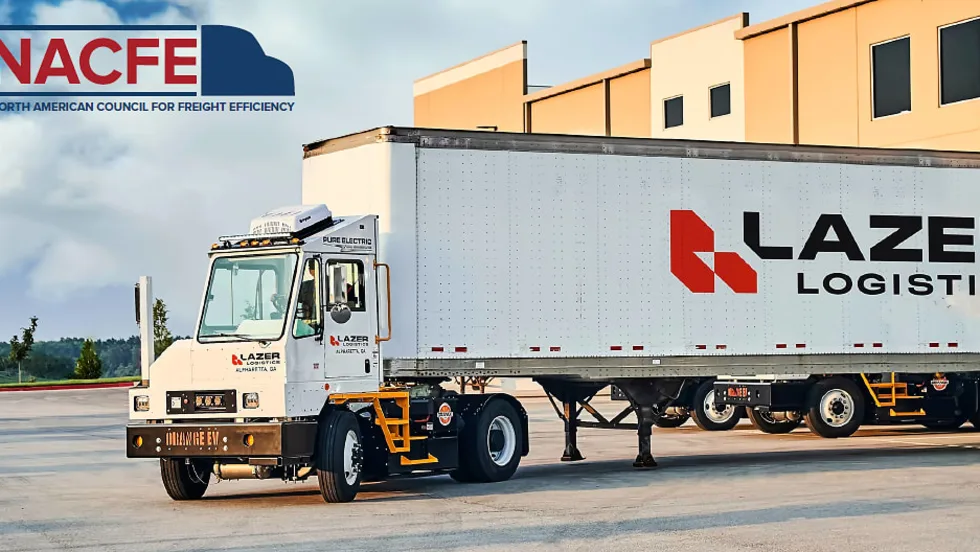
Electric Yard Tractors Move Beyond Pilots
Operating-cost savings have overtaken sustainability goals as the leading reason surveyed fleets are adopting battery-electric terminal tractors, according to new NACFE research.
Read More →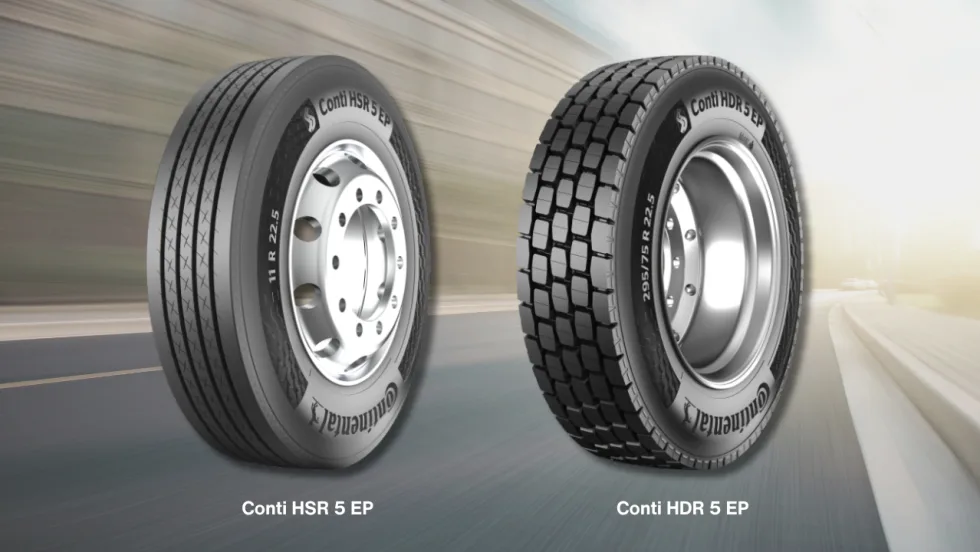
Continental Introduces New Regional Truck Tires
Continental says its new Generation 5 steer and drive tires for regional operations offer longer tread life, with estimated mileage gains of 22% and 19%, respectively.
Read More →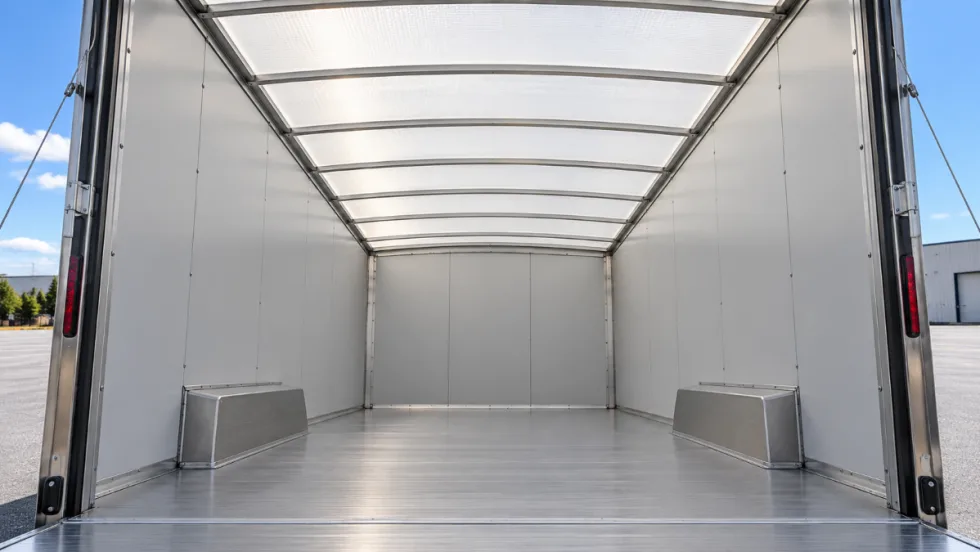
Tekmodo Introduces CargoBright Brand for Translucent Trailer Roofs
CargoBright is designed to diffuse daylight across the cargo area while performing as a working vehicle roof.
Read More →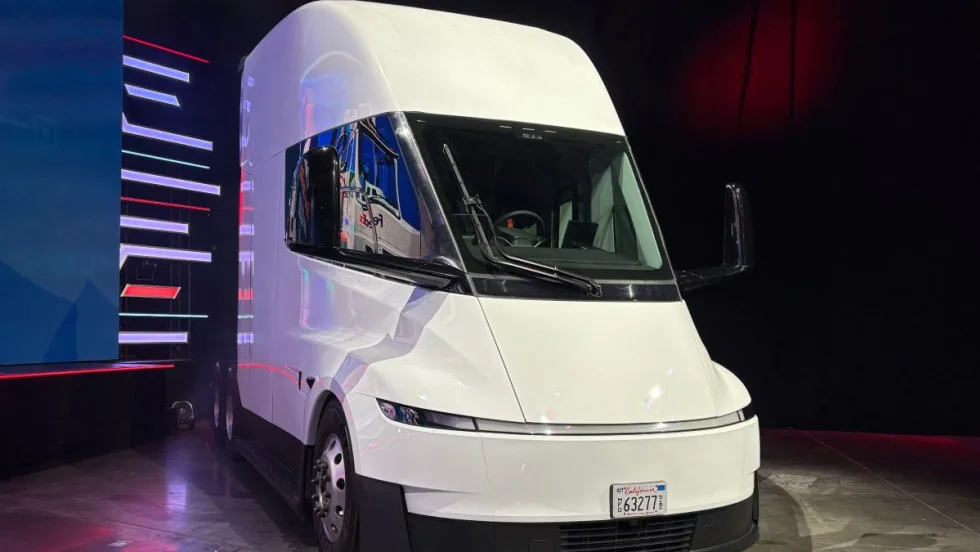
Fleet Economics Shape Electric Truck Outlook
ACT Research expects costs, charging infrastructure, and technology improvements to drive zero-emission commercial vehicle adoption as federal regulations and incentives retreat.
Read More →
Kodiak Targets Dallas–Houston for Driverless Trucks
The company says its autonomous trucks are completing the I-45 run without a safety observer taking control. It plans to remove the observer by the end of 2026.
Read More →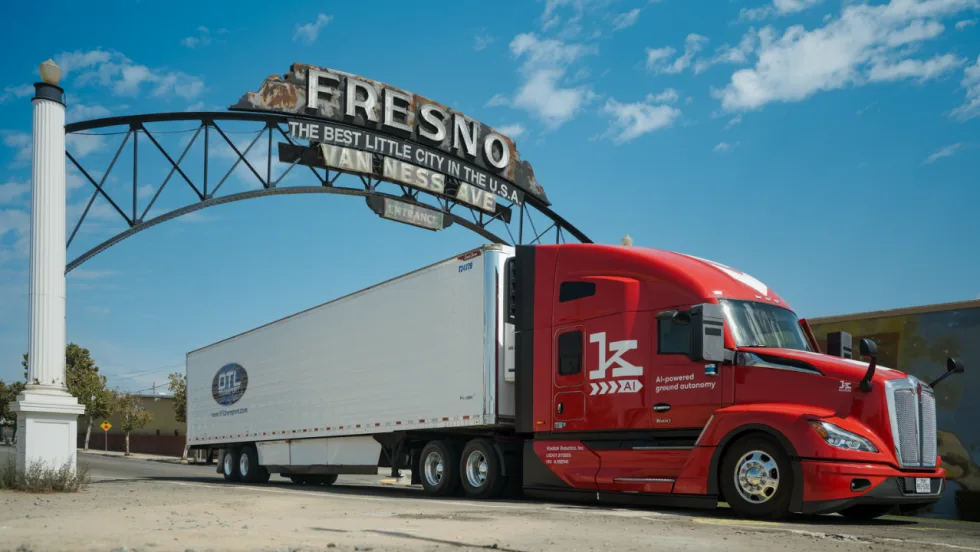
Kodiak Hauls Produce in California Autonomous Truck Pilot
Kodiak AI and DTL Transport have begun hauling produce between Fresno and Los Angeles under California’s new rules for testing heavy-duty autonomous trucks. A safety driver remains behind the wheel.
Read More →
Used-Truck Remarketing Math Is Changing
Used-truck value is no longer just a concern at trade-in. Decisions made throughout a truck’s first life can influence what it’s worth years later.
Read More →