




Automation is Taking Over
Why bother adding the ability to shift a crash box to the training required by a newbie driver?

Rolf Lockwood, Executive Contributing Editor.

Rolf Lockwood, Executive Contributing Editor.
There’s a quiet revolution going on in that mechanical space between engine and drive axle. It’s the steady rise of transmission automation and the disappearance of that third pedal, the clutch, the one that befuddles new drivers almost without exception.
Some master the coordination of clutch and throttle in no time, some never come close, and the majority muddle on, blowing shifts here and there, grinding off a bit of finely cut metal once in a while.
At the pinnacle of skill in such things is the guy — and I’ve driven with one cool woman in this category — who can drift through the gears with a twin-stick as smoothly as anyone with an auto box. A joy to watch when it’s done well.
The question has become, why bother?
There are still countless holdouts because a manual gearbox is cheaper, for one thing, and without electronic controls, it’s a simpler piece of machinery.
Then there’s the pride thing. Lots of guys — and at least that one woman friend of mine — wouldn’t be caught dead without something for their left foot to do. But the number of holdouts is dwindling as automated mechanical transmissions get better and better, and the case for spec’ing them becomes more and more compelling. Even veterans who once said “no way,” usually change their minds after meeting the calmer, easier driving task created when they don’t have to think about which gear they’re in and which one they’ll need next.
So, when recruiters are forced to dip into a different corner of the gene pool where they simply don’t find drivers with traditional, old-school skills, the question changes a little — and transmission-spec’ing along with it. It really becomes, why bother adding the ability to shift a crash box to the training required by a newbie?
The automated mechanical may cost more than a straight manual gearbox at the outset, but the benefit could make it worthwhile, even if it’s a little intangible. That’s the logic applied these days by an increasing number of over-the-road fleets, some of whom will spec nothing but automation at the shifter.
And let’s not forget that fuel can be saved too. The latest auto boxes have shift logic that’s much better than they had when first on the scene, meaning smarter, more efficient, more sensible shift points. It’s getting harder to say, as we once could, that an automated transmission won’t improve on what your best drivers can do.
In the North American Class 8 world, automated mechanical transmissions hold about 30% market share these days, with growth of 2–4% a year predicted through the next five years or so. But, at Daimler Trucks North America, President and CEO Martin Daum is convinced his Detroit DT12 auto box will reach 90% of Freightliner’s build within the next four years. Volvo has been seeing big success with its I-Shift too, which was spec’ed in 60.7% of the trucks leaving the factory last year, up by nearly 50% over 2012. Eaton won’t divulge market-share information, but its latest UltraShift transmission has been well accepted, and in performance terms, it’s a far cry from the original AutoShift introduced way back in 1997.
Automated mechanical transmissions really are getting better and better, and one particular technology — the dual-clutch system — seems bound to improve things even further. Mitsubishi Fuso already offers one, Volvo has one for Europe and so does ZF. And now Eaton is set to launch its Procision globally.
This is the future, and it will make the case for automation even stronger.
Rolf Lockwood is vice president, editorial, at Newcom Business Media, which publishes Today’s Trucking. He writes for HDT each month on the making, maintaining and use of trucks.
He can be reached at rolf@newcom.ca or 416-315-1829.
More Fleet Management

Nomination Deadline Extended for HDT Emerging Leaders
Just a few more days to nominate accomplished trucking fleet professionals under 40 who are making an impact and helping lead the industry forward for the HDT Emerging Leaders award. Deadline extended to October 20!
Read More →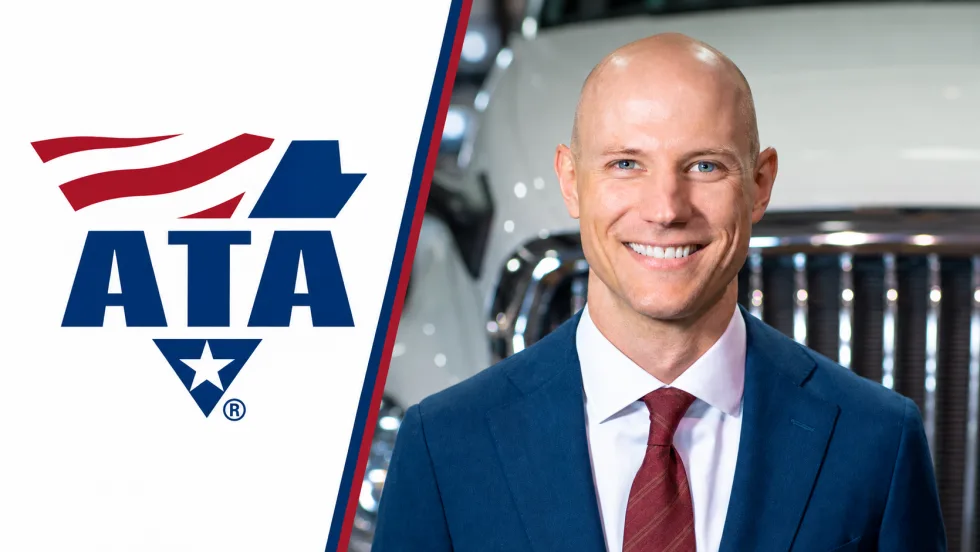
What Will ATA’s New Leader Bring to Trucking's Table?
Incoming President and CEO Mark Colson’s record in Alabama offers clues about his priorities and approach following Chris Spear’s abrupt departure as the head of the American Trucking Associations.
Read More →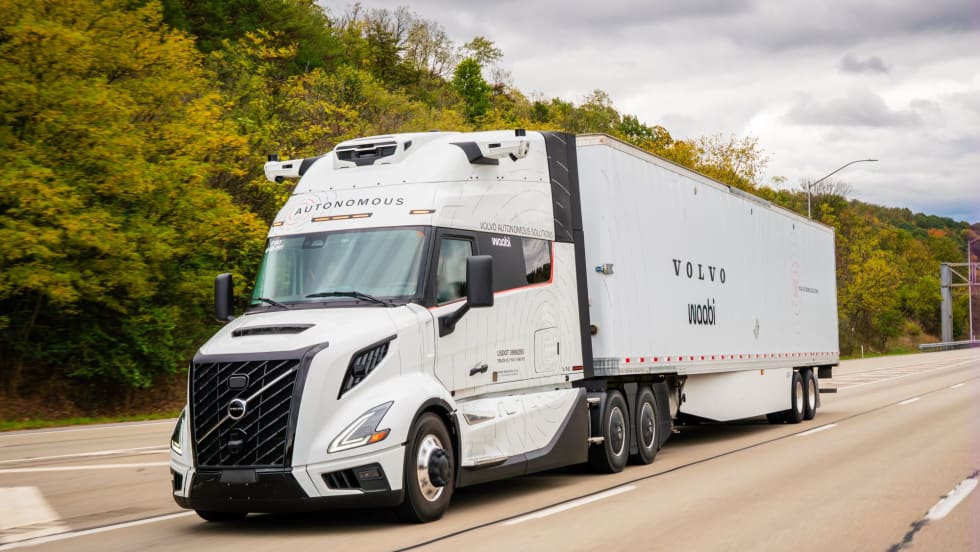
Volvo, Waabi Start Commercial Autonomous Operations in Texas
Volvo VNL Autonomous trucks, powered by the Waabi Driver, are hauling freight directly to third-party facilities for a customer in Texas.
Read More →
Samsara Launches Custom AI Agent Builder
Agent Studio lets fleets create AI tools for hours-of-service monitoring, reporting and driver support, including agents that communicate by phone.
Read More →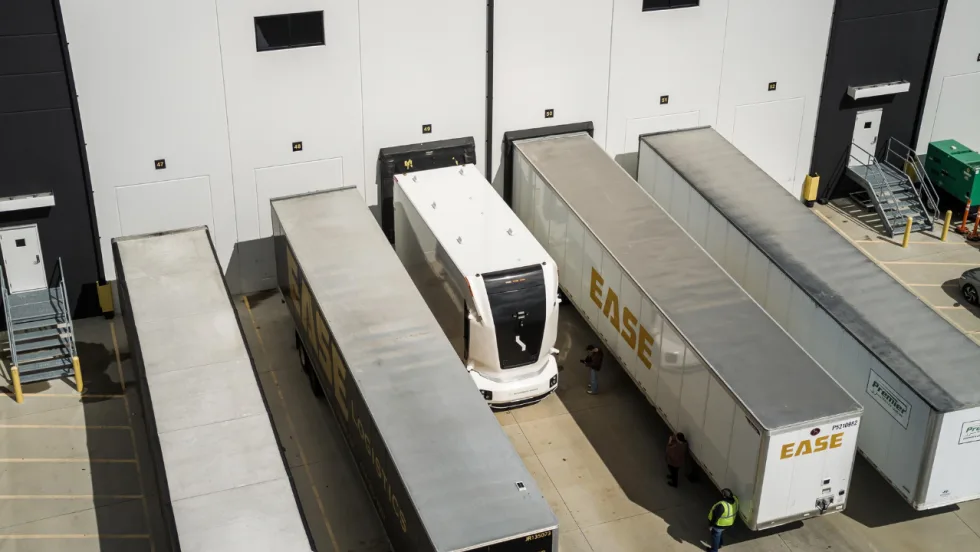
Einride Driverless Electric Trucks Begin Daily Freight Operations in Ohio
Two cabless electric trucks are hauling freight between EASE Logistics facilities in Marysville, Ohio, as part of a multi-state truck automation project.
Read More →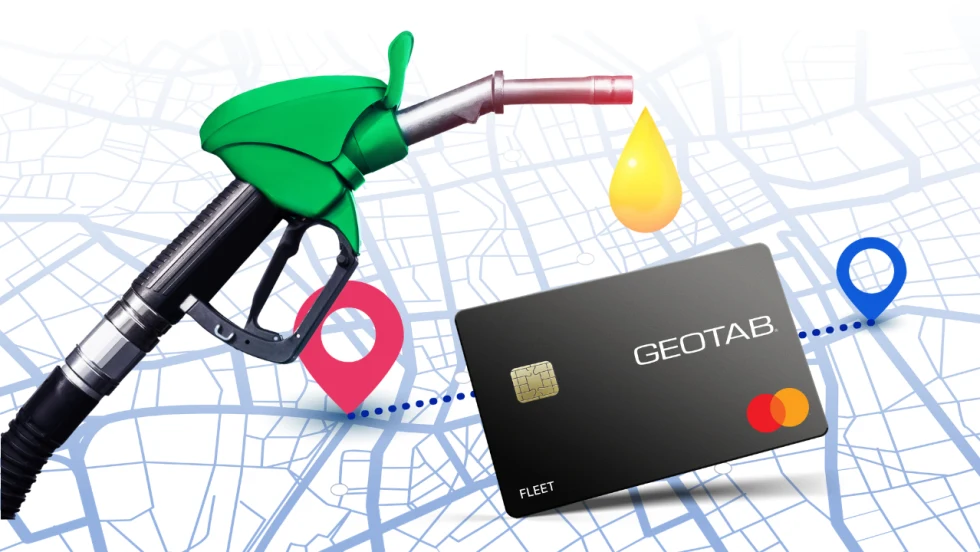
Geotab Links Fleet Card to Vehicle Data
The new card combines fuel discounts with telematics-based purchase controls. Geotab’s analysis also points to potential savings from choosing lower-priced fuel stops.
Read More →
How MFA Helps Protect Trucking Fleets
Multi-factor authentication adds protection when passwords are stolen. Here’s how it works and where fleets should start.
Read More →
How Better Freight Data Helps Trucking Teams Get Ahead of Disruption
Trucking and logistics teams have plenty of data. The problem is getting the right information in front of the right people soon enough to act. Better-connected data can help teams spot trouble earlier and make smarter decisions before small problems become big ones.
Read More →
Trimble: Taking Artificial Intelligence in Trucking Beyond Faster Tasks
At Insight 2026, Trimble executives argued that fleets may need to redesign workflows to get more from AI as it introduced new products and enhancements. AI’s value will depend on how fleets combine automation with their people's knowledge.
Read More →
Build a bulletproof fleet: Uniting ELDs and dash cams for total compliance
An ELD can prove compliance, but it cannot always prove what happened on the road. Discover how uniting accurate ELD data with AI-powered dash cam video can help your fleet strengthen compliance, defend against liability, protect drivers and reduce operational costs.
Read More →