




UPS Offers Keys to Fuel Efficiency
You would be hard-pressed to find a company more enthusiastically pursuing efficiency than UPS. After all, this is a company that has determined that its no-left turns policy across North America has saved almost 10 million gallons of fuel over the last 10 years. So we asked UPS to distill its fuel-saving philosophy into three bite-sized ideas.
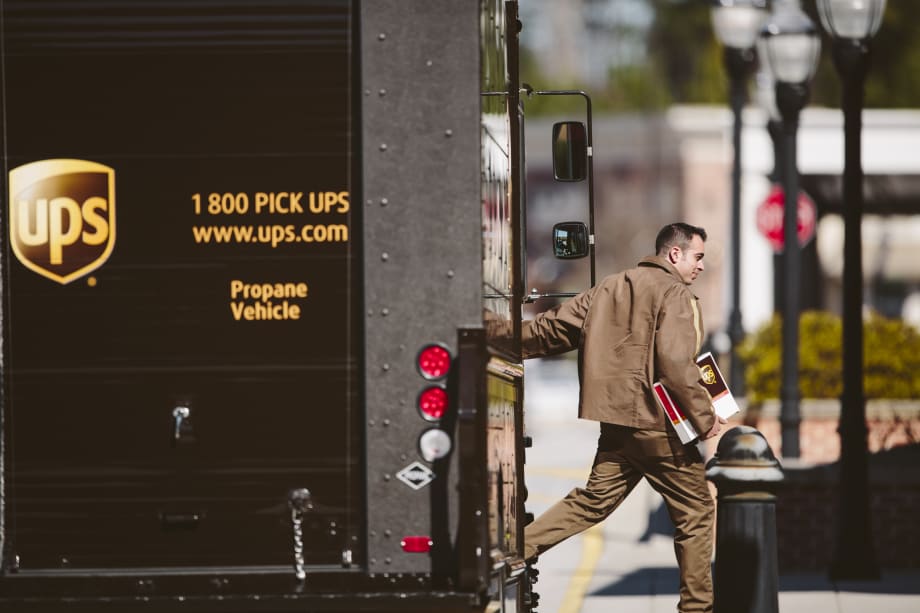
Alternative fuels such as propane are part of UPS' green strategy. Photo courtesy UPS.

Alternative fuels such as propane are part of UPS' green strategy.Photo courtesy UPS.
You would be hard-pressed to find a company more enthusiastically pursuing efficiency than UPS. After all, this is a company that has determined that its no-left turns policy across North America has saved almost 10 million gallons of fuel over the last 10 years.
UPS is constantly monitoring its fleet to find new ways of using alternative fuel/advanced technology to learn about how new technologies and advancements can be adapted. One result: At last count, Big Brown was running more than 3,150 alternative-fuel and advanced technology vehicles in nine different countries.
So we asked UPS to distill its fuel-saving philosophy into three bite-sized ideas:
1. Plan your route and track performance.
When planning any trip, consider the best way to get to the locations without backtracking. UPS has created a proprietary system of telematics that combines information about the behavioral with mechanical variables that affect fuel efficiency. UPS matches routes to vehicles that get better mileage at the speeds the route requires. Routes are also designed to have the minimum number of stops and starts and still be on time.
UPS also uses package-flow technologies designed to load the vans more effectively, again minimizing the time it takes a driver to find the right package and be ready to deliver it quickly. In effect, fuel efficiency starts even before the engine is turned on. This translates into fewer miles traveled, which conserves fuel and reduces emissions.
2. Avoid left turns.
For decades, UPS route planners have designed routes based on a loop of predominantly right-hand turns. Avoiding left turns conserves fuel and reduces emissions because it reduces the amount of time spent idling waiting to turn left. It is also a lot safer. (UPS actually encourages employees and other road users to avoid lefts, too.).
3. Use the vehicle with the best mileage.
Through UPS’s own modal shifting, UPS tries to match the vehicle to the needs of the routes.
And of course, in addition to using alternative fuels, it's constantly looking for ways to make its vehicles more fuel efficient regardless of the powertrain. For instance, it worked with Isuzu and Utilimaster to develop lighter-weight composite-body diesel vans that achieved a 40% increase in fuel economy over traditional aluminum vans in testing.
The company also maintains a strict anti-idle policy. Doing so has cut the amount of time delivery trucks idle by 24 minutes per driver per day, which has led to a fuel savings of $188 per driver in one year.
Peter Carter is editor of Today's Trucking, a leading Canadian trucking publication with which HDT has a content-sharing agreement.
More Fuel Smarts

Detroit Opens Orders for EPA 2027 Engines
Detroit isn’t starting from scratch to meet EPA 2027 diesel emissions standards. Its Gen 6 DD13 and DD15 engines keep much of today’s platform while updating the fuel and aftertreatment systems.
Read More →
Zero-Emission Truck Corridor Planned for West Coast
California, Oregon, Washington, British Columbia and Baja California are coordinating plans for truck charging and hydrogen fueling from Canada to Mexico.
Read More →
A Closer Look at Kenworth’s Electric T880E Vocational Truck [Video]
Learn more about Kenworth's T880E battery-electric vocational truck at the Paccar Technical Center, including its range, applications, upfitting considerations, and PTO options, in this HDT Spotlight video.
Read More →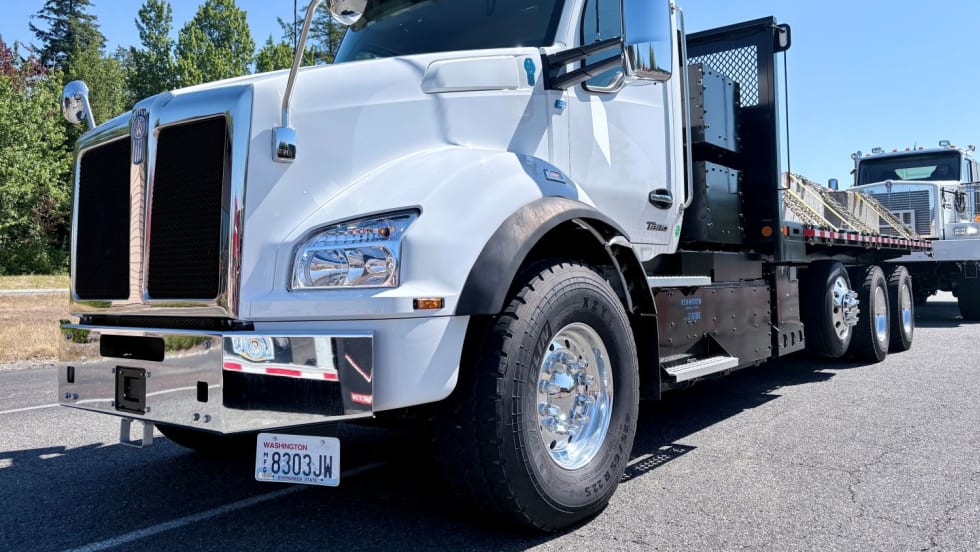
Kenworth T880E Brings EV Power to Vocational Trucks
A closer look at the Kenworth T880E’s range, charging, powertrain and upfit options — and where fleets are showing the most interest.
Read More →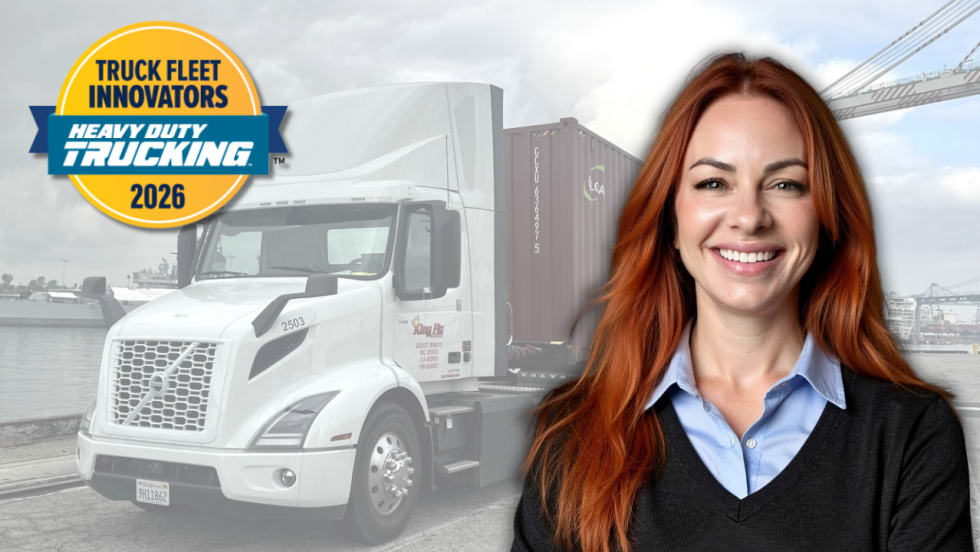
Jennie Abarca Is Proving Electric Trucks Can Do the Job
HDT Truck Fleet Innovator Jennie Abarca is building confidence in fleet electrification one load at a time while openly sharing the challenges she encounters along the way as a small-fleet owner.
Read More →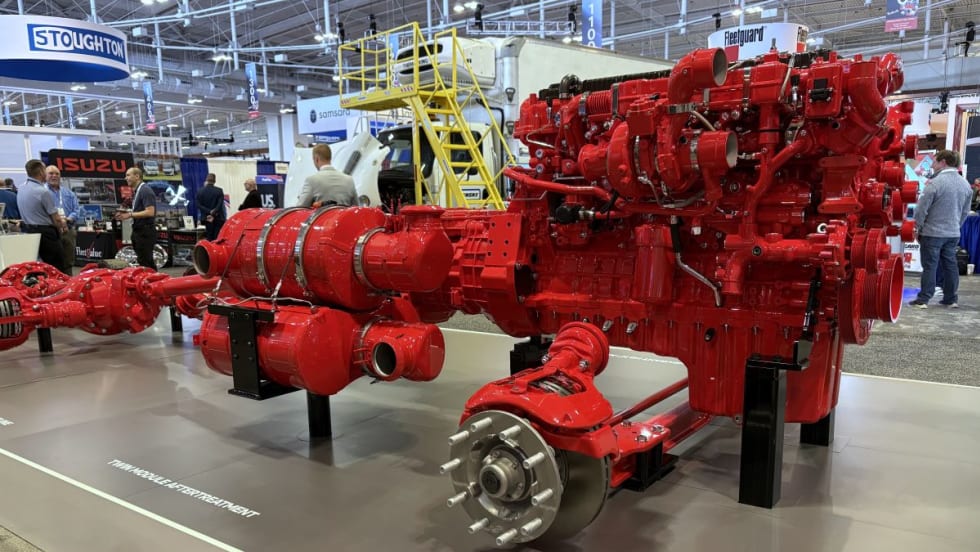
Cummins Adjusts 2027 Engine Rollout After EPA Proposal
The engine maker will gradually introduce its new Model Year 2027 diesel engines while continuing to offer current models during the transition, citing the EPA's proposed emissions rule changes.
Read More →
EPA Proposal Could Ease 2027 Truck Costs and Buying Uncertainty
The proposal doesn't change the tougher NOx standard, but it would revise key implementation requirements that manufacturers say have driven up costs and complicated fleet purchasing decisions.
Read More →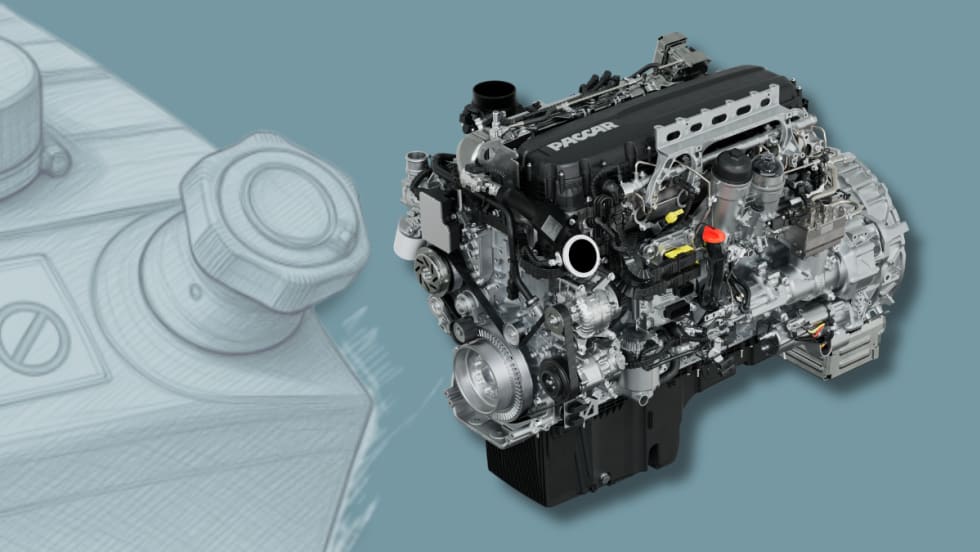
Cummins, Paccar Ease DEF Derates After EPA Guidance
Updated diesel engine software gives truck operators more time to address emissions-system issues while staying compliant with EPA emissions standards.
Read More →
Maintenance in the Messy Middle Part 3: Biodiesel
Biodiesel can reduce emissions, improve fuel-system lubricity and use existing diesel infrastructure. But NACFE’s Messy Middle maintenance report says fleets must actively manage storage, cold-weather operation, filters and oil drain intervals to avoid problems.
Read More →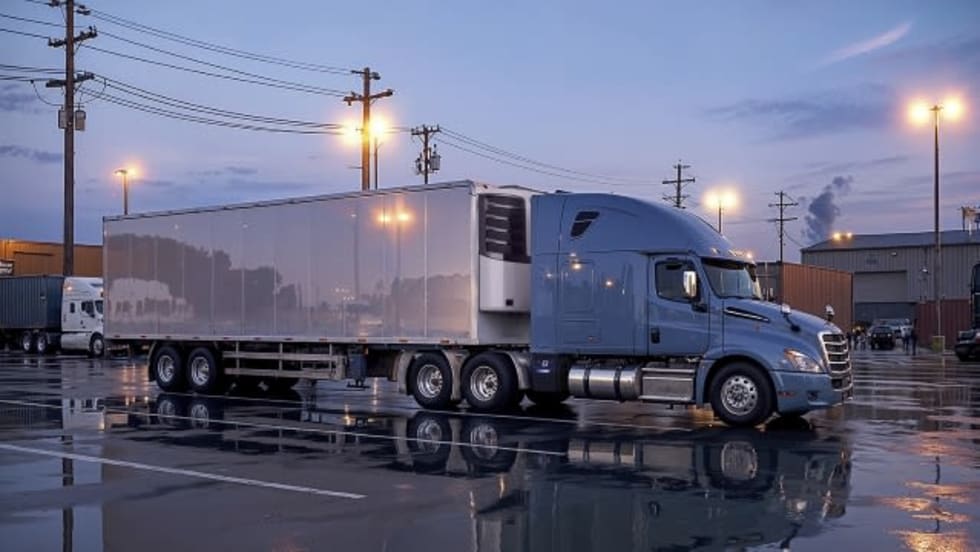
Enhance Fleet Performance with High-Efficiency Auxiliary Power Units
Drive sustainable cost savings while increasing driver comfort during short- and long-haul logistics operations.
Read More →