




Controlling Business Costs, Part 3: Healthcare
Healthier employees also can help control the employer portion of healthcare costs. Since hiring only 100% healthy employees isn't a feasible option, many companies are looking at the benefits of an onsite medical care facility to help improve the health of their employees.
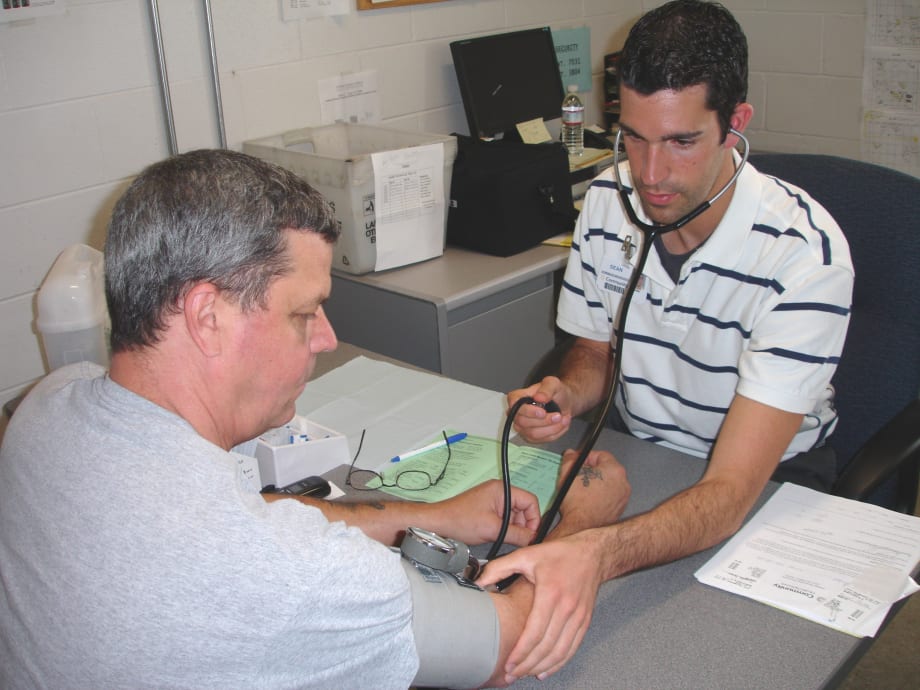
Healthcare costs are an ongoing concern, with skyrocketing insurance costs and the new complex world of healthcare reform.
Healthier employees can help control the employer portion of healthcare costs. Since hiring only 100% healthy employees isn't a feasible option, many companies are looking at the benefits of an onsite medical care facility to help improve the health of their employees.
HNI, a non-traditional insurance and advisory firm, wrote a white paper entitled, Is Onsite Medical Care a Fit For Your Company?
The white paper states that onsite clinics not only have the potential to contain medical costs, but they can also boost productivity by helping employees manage chronic conditions such as high blood pressure and diabetes.
"Large, self-insured employers have the greatest potential to reap savings from this strategy," notes the white paper. "Fully insured employers will not be able to realize direct cost savings, but may gradually decrease the cost of their benefits as their population’s health improves and experience gains in employee productivity as the result of the onsite clinic."
Controlling Obamacare Costs
Many aspects of the Affordable Care Act, known as Obamacare, are still under discussion for possible delay or even repeal. However, Kim Beck of insurance broker Cottingham & Butler, offers a few possible strategies to keep down additional costs the law could mean for employers:
1. Use participation in wellness programs and/or results of biometric screenings to reward healthier employees with lower premiums or more attractive benefits. The ACA allows this if certain guidelines are followed.
Some companies, Beck says, are taking this to an extreme. "We have employers saying, 'We're going to make the standard rate really high, and the incentive rate really low. We want unhealthy people to go to the exchange and we don't even care if we get penalized for it because it's cheaper than having them on our healthcare program.'"
2. Use a "defined contribution model." Here the employer pays a set amount toward the employee's health insurance, say $300 a month, then allows employees to "buy up" to a better plan using a choice of multiple plan design options. Walgreens is one company that has gone this way. It will allocate a fixed dollar amount for employees to use toward their choice of 25 health insurance plans offered through a private health exchange.
3. Don't offer coverage for spouses. The law only requires covering children (starting in 2015). UPS made news in August when said it will discontinue coverage for all working spouses who are eligible for insurance with their own employer. Although it blamed Obamacare costs, Beck noted that even before ACA, there already were many companies who do not offer coverage for spouses if they can be covered by their own employer's plan. In the trucking industry, she said, it's fairly common.
Since spouses will now have the option to go to the exchanges for coverage, companies could drop offering coverage for spouses at all. This actually could benefit the spouse if the spousal coverage your company offers is full price, not subsidized.
4. Offer "tiered" benefits. This could mean more expensive premiums for families with more children, for instance, or different coverage for different locations or divisions. Or coverage could be less comprehensive during the first year of employment, giving drivers extra incentive to stick around past that first high-turnover year.
There are other strategies, including "skinny plans" that exclude or severely limit coverage for catastrophic and expensive services but still meets the minimum value rule. These "skinny plans" have a lot of buzz in the marketplace, she said, but these and some other strategies may save money up front but will hamper companies in recruiting and retaining employees.
More Drivers

Truck Drivers Need More Than Another Alert
Fleets have more visibility into truck health, safety events, and driver activity than ever. The next challenge is turning all that information into useful guidance for the person who has to decide what to do next.
Read More →
FMCSA Removes 110 Truck Driver Training Schools from Certified ELDT List
Federal regulators also are targeting more than 160 additional training providers and launching a nationwide audit of third-party CDL skills testers as part of a broader crackdown on trucking fraud.
Read More →
Hours of Service Pilot Programs: FMCSA Readies for 2027 Rollout
Two pilot programs could eventually reshape hours-of-service rules, giving truck drivers options to pause their 14-hour clock or use longer split sleeper rest periods.
Read More →
Medical Cards, English Proficiency Reshape Roadcheck Violations
Medical-card violations jumped to the top of the driver out-of-service list during CVSA’s 2026 International Roadcheck, while English-language proficiency violations appeared among the leading violations for the first time.
Read More →
Driver Trust Can Make or Break the Success of Fleet Safety Technology
New Teletrac Navman research suggests that onboarding, transparency about driver data, and positive feedback can play a significant role in how commercial drivers respond to safety and coaching technology.
Read More →
EEOC Sues KLLM Over Alleged Sex Discrimination in Driver Training
KLLM is facing a federal sex-discrimination lawsuit over policies the EEOC alleges put female truck driver trainees at a disadvantage.
Read More →
FMCSA Moves to Codify English Language Requirements for Commercial Drivers
By changing regulations on English-language proficiency requirements for commercial drivers, rather than relying on a guidance memo, the FMCSA said future administrations won't be able to walk back the Trump administration's stricter enforcement with just a memo.
Read More →
Drivers Put Western Star Trucks to the Test at Star Nation Experience
Watch to get an inside look at the Western Star trucks, technology, and community behind the Star Nation Experience 2026!
Read More →
Trump Administration Looks to Put More Veterans Behind the Wheel
The Freedom Haulers program pulls together existing and expanded programs at several federal agencies to recruit veterans to drive commercial heavy-duty trucks and cut the red tape for them to get a CDL, training, and employment.
Read More →
Putting Mack’s Command Steer to the Test
A test drive of Mack’s Command Steer active steering system evaluates how it can make truck driving easier and less tiring.
Read More →