




Running an Alternative-fueled Fleet
Want to get a handle on alternative fuels? Talk with someone who uses them. One person is Melvin Rose, fleet manager for Monroe County in western New York, which surrounds Rochester. The county has 700 vehicles, from compact cars to Class 8 trucks. All run on ethanol-gasoline blends, biodiesel, compressed natural gas or propane, and Rose loves to talk about them.

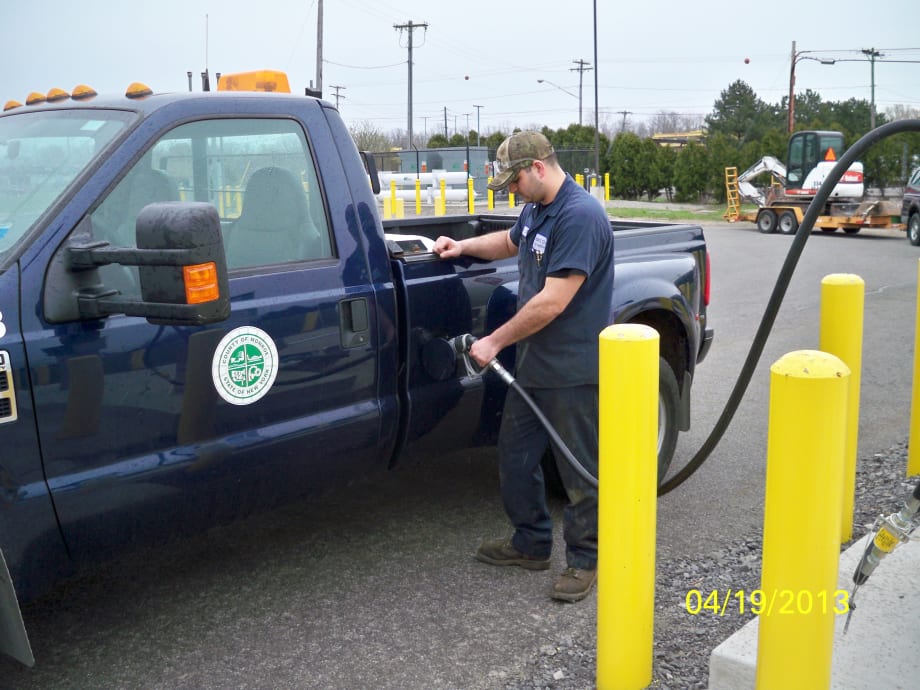

Want to get a handle on alternative fuels? Talk with someone who uses them.
One person is Melvin Rose, fleet manager for Monroe County in western New York, which surrounds Rochester. The county has 700 vehicles, from compact cars to Class 8 trucks. All run on ethanol-gasoline blends, biodiesel, compressed natural gas or propane, and Rose loves to talk about them.
“We're the real deal,” he says of the county's alternative fuels program, which has won several “green fleet” awards from national organizations. “We're not just talking about it, we're really doing it. Our executive, Maggie Brooks, is all for alternative fuels, to get off foreign oil.”
There are also financial benefits. Most of the fuels cost less than straight petroleum products, and Monroe County has taken advantage of grant money, obtained through the CMAQ (congested mitigated air quality) division of the regional Clean Cities program, to pay for expensive fueling stations.
Rose is on the local Clean Cities board of directors.
“You have to be in touch with your Clean Cities organization,” he says. “Keep in touch with those people and they'll navigate you through your resources and how to upfit your vehicles.”
The fleet's work in alternative fuels goes back more than 25 years. In the 1980s, the county converted vehicles to burn methanol, a fuel that fell out of favor for environmental reasons. In the ‘90s it tried out compressed natural gas, a move that proved premature.
It also tried, and abandoned, electric-powered compact pickups.
But CNG is back, and since 2008 the county has also used biodiesel and gasoline-ethanol blends along with propane. None of the county's 700 vehicles, ranging from compact cars to Class 7 and 8 trucks, use straight gasoline or diesel anymore.
Monroe County operates a Green Fuel Station that it shares with the city of Rochester, where it stocks E20 and E85 ethanol-gasoline blends, plus B20 (a 20-80 mix of biofuel and diesel) for use in warmer weather to feed diesel engines, and B5 when temperatures turn cold. One challenge is to make sure that engine builders approve the higher biodiesel blend, Brooks says.
CNG is dispensed with a two-hose fast-fill pump, but Rose has mixed feelings about natural gas.
It's clean, plentiful and cheap, he says, but a CNG tank and dispenser are very expensive, and are doable only because grant money pays for most of their cost.
Those grant funds made it possible to buy another CNG installation, which is planned to be a second city-county fueling station.
However, in Brooks’ opinion, “liquid propane is the real ticket.”
“Know what makes it inexpensive? It's the infrastucture. A CNG fueling station costs more than $ 1 million. For pennies on those dollars you can get a complete propane fueling station. It's a simple steel tank with a little pump on it.”
Propane storage tanks and those on the trucks operate at less than 200 pounds per square inch, compared to 3,600 psi for a full CNG tank. Thus a propane tank, while still a pressure vessel, is far cheaper, he points out.
In mid-April, propane “autogas” in western New York was priced at about $ 1.20 per gasoline-gallon-equivalent, or GGE, minus a 50-cent federal tax credit. The county also pays 36 cents per GGE to Ferrillgas, which supplies and maintains a 1,000-gallon propane tank at the fueling station in Rochester. Bottom-line price, then, was $1.06 per GGE.
The tank serves several Ford trucks now running on propane — an E-350 van and three F-250 pickups — and the county is looking to upfit 16 more. Roush CleanTech, a propane specialist that's among suppliers approved by Ford Motor Co., converted the four trucks for about $11,000 each.
“It's hard to sell an upfit of $11,000 to the county board,” Rose says, but propane's very low cost and the inexpensive fueling facility made it entirely reasonable. “You get those F-250 trucks just driving around like they're running on gasoline, and you get your payback in two years.” Rose notes that this is no fair weather fleet, as it gets cold and very snowy in Monroe County, N.Y., and the trucks are subject to corrosion from road salts.
Yet propane and the other alternative fuels, and the systems on the trucks continue to work.
Scratch a frigid climate as an excuse not to try ‘em.
More Fuel Smarts
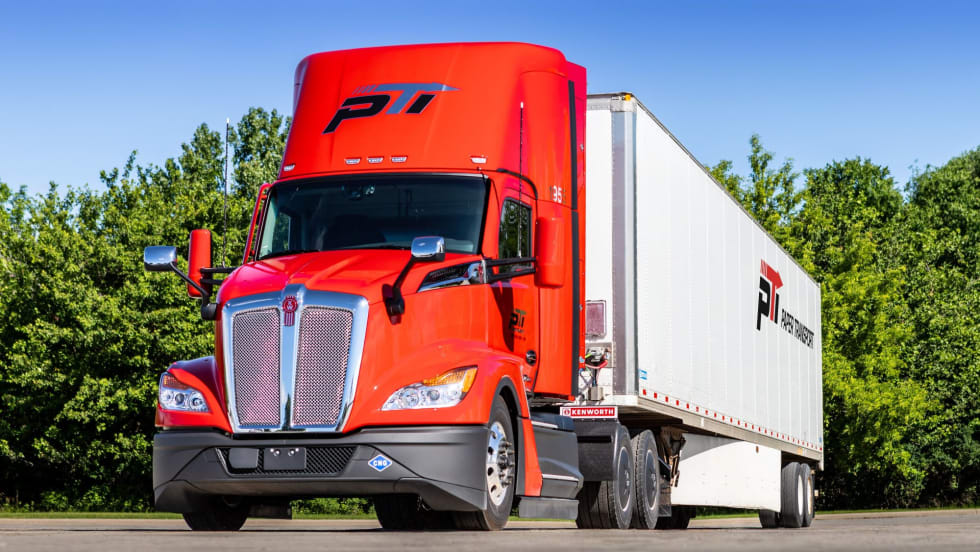
Lessons Learned About Alternative Fuels: Start Small, Stay Flexible
Practical advice on adopting alternative fuels and ZEVs from HDT's 2026 Top Green Fleets, from renewable diesel and natural gas to electric trucks.
Read More →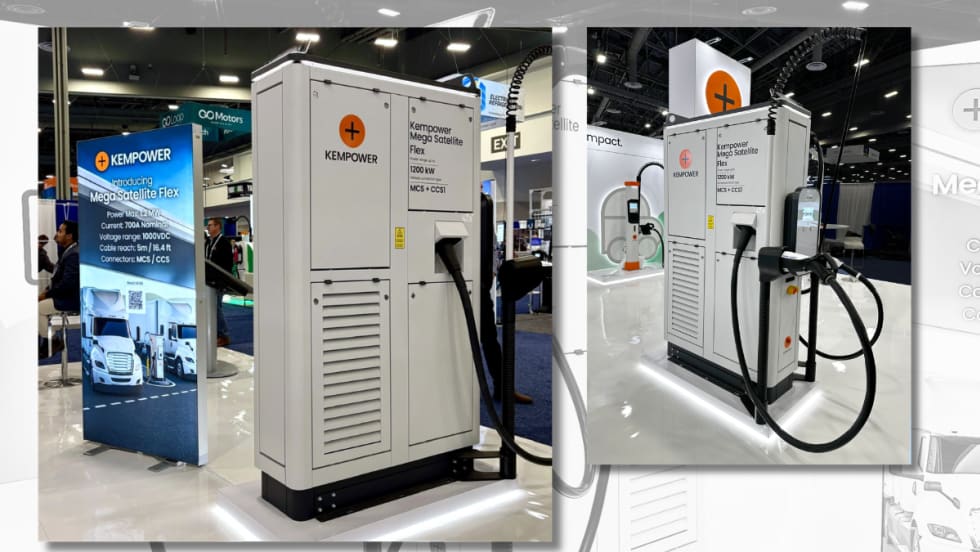
Kempower Adds Flex EV Charger to Help Support Transition to Megawatt Charging
The Kempower Mega Satellite Flex has both a CCS and MCS connector, allowing operators to serve both types of heavy-duty vehicles.
Read More →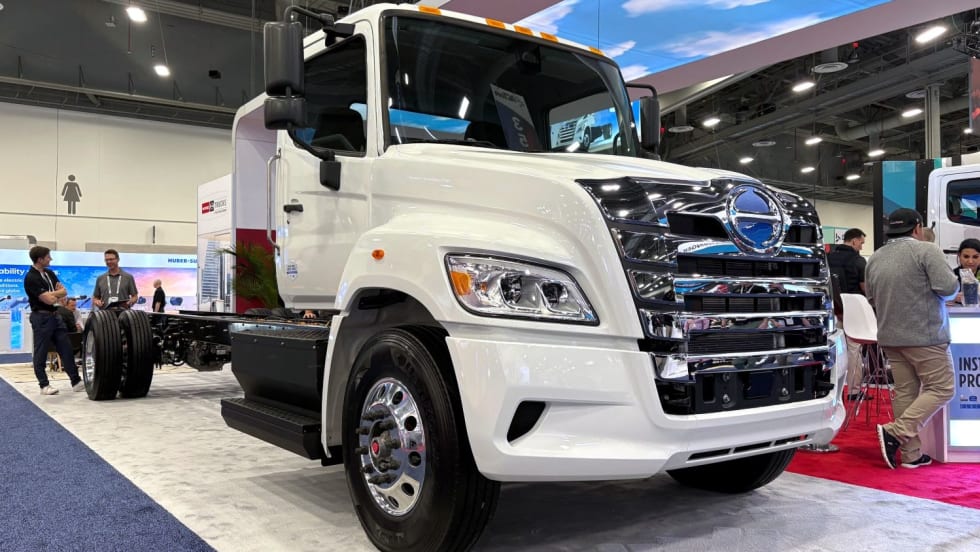
Hino Adds Electric Class 6/7 Truck
Hino says the Le Series is an important step in the company's efforts to reduce environmental impact and support its customers’ sustainability goals.
Read More →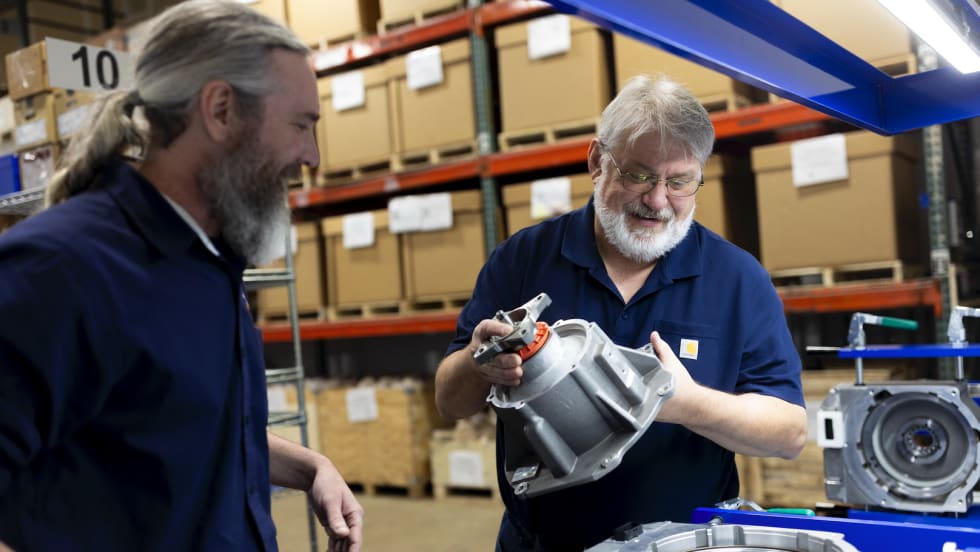
Can Multi-Speed EV Transmissions Solve Heavy Trucking’s Biggest Electric-Vehicle Problems?
A startup called Sigma Powertrain believes purpose-built multi-speed gearboxes can boost efficiency, reduce battery size and improve gradeability for heavy-duty battery-electric trucks.
Read More →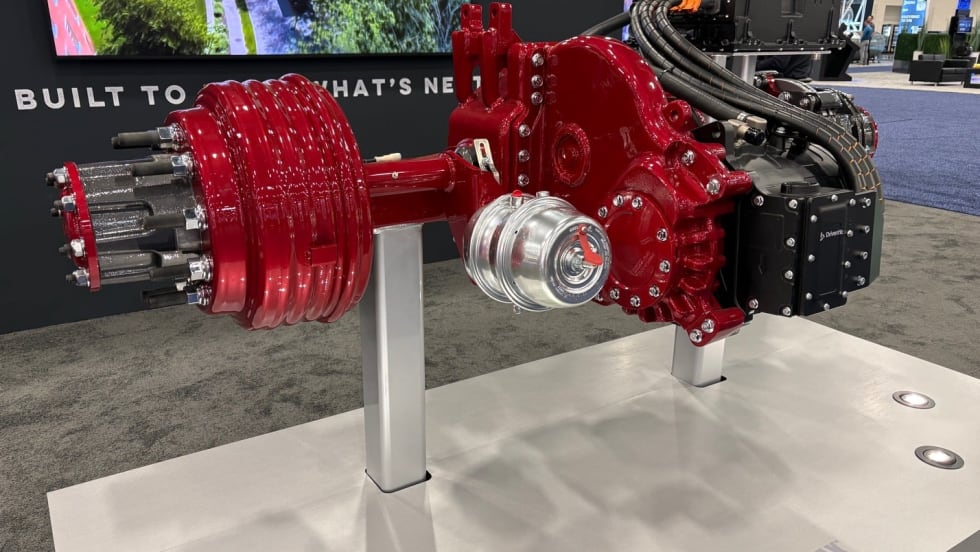
Hendrickson Debuts Electraax E-Axle for Medium-Duty Trucks
Developed with Driventic, Hendrickson's new integrated e-axle is designed to improve efficiency, reduce weight, and extend range in Class 6-7 EV applications.
Read More →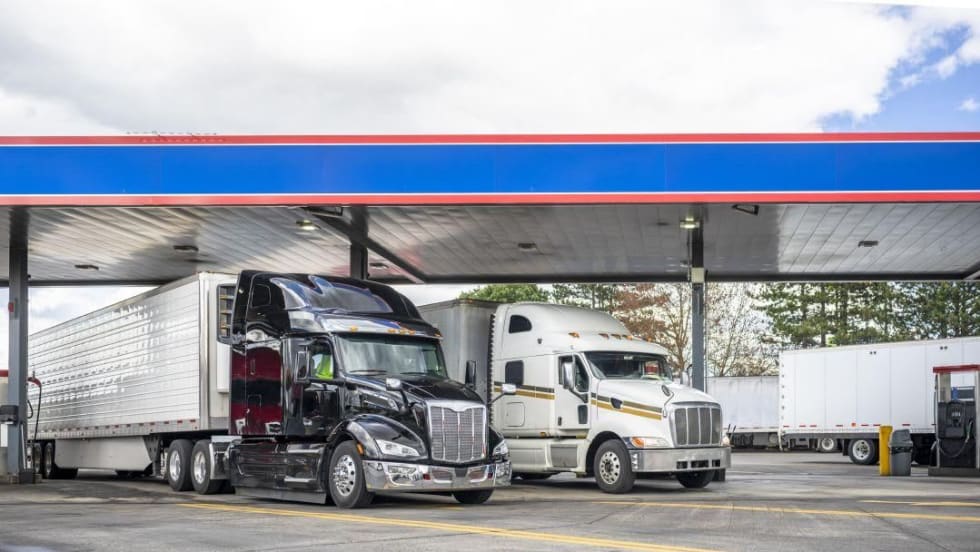
50 Ways Fleets Can Cut Fuel Costs Now — Without Buying New Trucks
Fuel savings don’t come from one big change. They come from dozens of small ones. Here’s how leading fleets are stacking gains across drivers, routing, maintenance, and more.
Read More →
Top Green Fleets 2026: How Fleets Are Reducing Emissions in the Real World
What works in sustainable trucking today? Heavy Duty Trucking's Top Green Fleets are finding practical ways to cut fuel use, reduce emissions, and keep freight moving.
Read More →
California Launching $1 Billion Electric Truck Rebate Program
CARB says the California Clean Fuel Reward program will begin offering point-of-sale rebates of up to $120,000 for electric commercial trucks starting June 26.
Read More →
Mack Unveils EPA 2027-Compliant MP13 Engine With More Power, Better Fuel Economy
Along with unveiling its EPA 2027-compliant MP13 engine, Mack outlined powertrain changes across its Class 6-8 lineup, including new Cummins-based X10 engines.
Read More →
How Volvo’s New D13 Engine Meets EPA 2027 Emissions Without Sacrificing Power or Fuel Efficiency
Volvo says advances in combustion and aftertreatment helped its new EPA 2027 D13 engine avoid the fuel-economy penalties many once expected from tighter NOx emissions limits.
Read More →